

Feb . 11, 2026 00:01 Back to list
discount upvc submersible column pipes Performance Analysis

Introduction
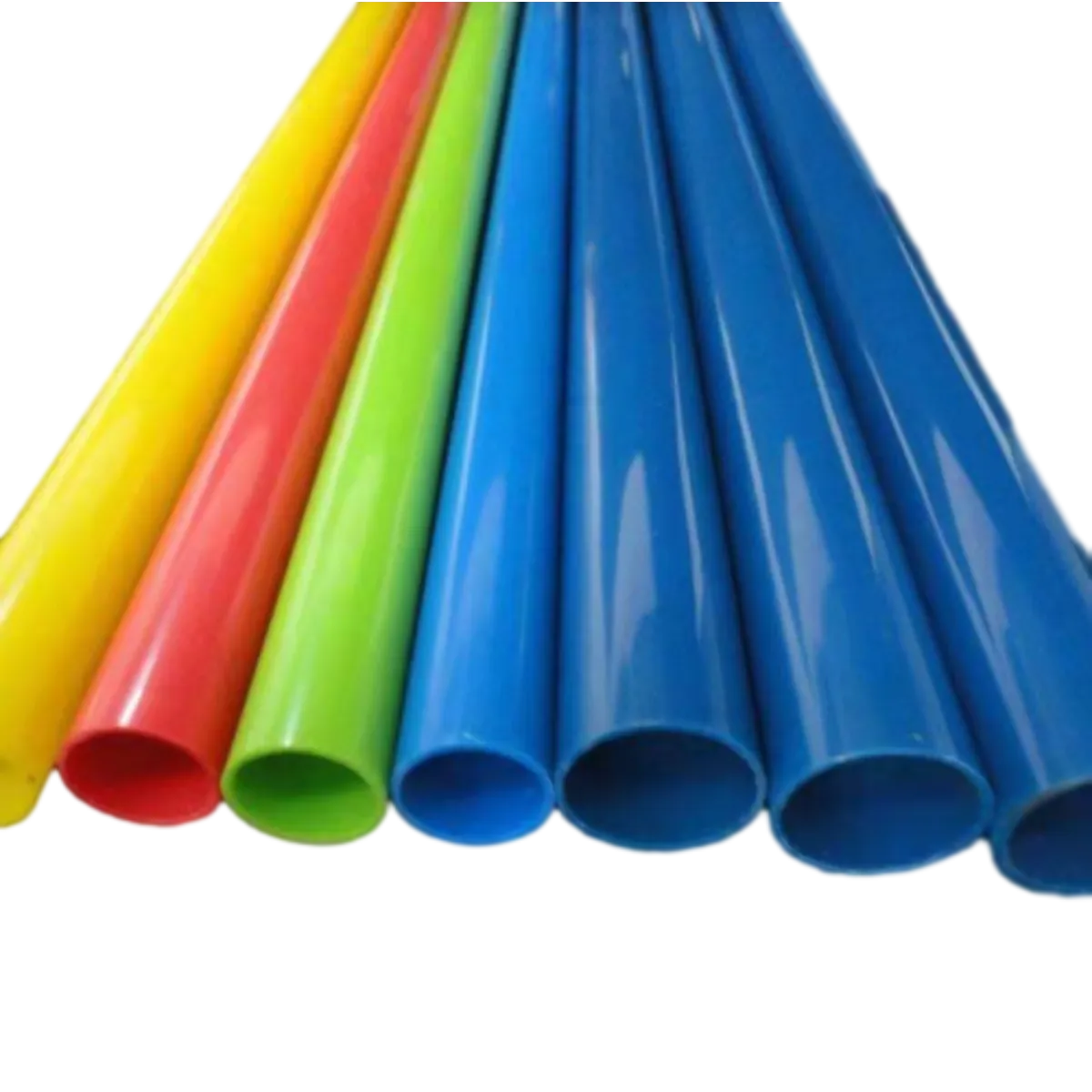
Discount Unplasticized Polyvinyl Chloride (uPVC) submersible column pipes are engineered vertical conduits primarily utilized in groundwater extraction systems, serving as the risers for submersible pumps. They represent a cost-effective alternative to traditional steel or ductile iron column pipes, particularly in applications where corrosion resistance is paramount. These pipes are typically segmented, connected via threaded or solvent-welded joints, and designed to withstand substantial hydrostatic pressure and tensile stress resulting from the weight of the pump and water column. Their widespread adoption is driven by the increasing demand for reliable and low-maintenance water supply solutions in agricultural, municipal, and industrial sectors. A core industry pain point is balancing cost reduction with ensuring long-term structural integrity and preventing premature failure due to material degradation or inadequate joint sealing. The performance of these pipes is directly linked to the quality of the uPVC compound used, the precision of the manufacturing process, and adherence to relevant industry standards. They’re a critical component in the well-to-surface water delivery chain, directly impacting pumping efficiency and operational lifespan.
Material Science & Manufacturing
uPVC column pipes derive their properties from the polymerization of vinyl chloride monomer (VCM). The resulting PVC resin is compounded with various additives – stabilizers (typically calcium-zinc or lead-based), lubricants, impact modifiers (e.g., chlorinated polyethylene – CPE), and processing aids – to enhance its processability and long-term performance. The raw material’s K-value (intrinsic viscosity) directly impacts molecular weight and, consequently, the pipe’s tensile strength and impact resistance. Manufacturing typically involves extrusion, where the compounded uPVC is heated and forced through a die to create a seamless pipe. Precise temperature control during extrusion is vital to prevent thermal degradation and ensure dimensional accuracy. Post-extrusion, pipes undergo cooling, cutting to desired lengths, and either threading or bell-end forming for joining. Solvent welding, using uPVC cement, creates a chemical weld between pipe sections, forming a homogenous joint. Critical parameters include cement application rate, curing time, and ambient temperature. Quality control centers around hydrostatic pressure testing, tensile strength testing, impact resistance testing (Izod or Charpy), and dimensional verification. The chemical compatibility of the uPVC with groundwater constituents (pH, salinity, dissolved gases) must be considered to prevent stress cracking or material degradation over the lifespan of the installation. A key industry challenge is the ongoing transition away from lead-based stabilizers due to environmental concerns, necessitating the optimization of alternative stabilizer formulations to maintain equivalent long-term performance.
Performance & Engineering
The primary performance requirements for uPVC submersible column pipes revolve around their ability to withstand hydrostatic pressure, tensile stress, and external loads. Hydrostatic pressure is dictated by the depth of the pump and the density of the water. Tensile stress arises from the weight of the pump, the water column, and any attached piping. Engineering calculations must account for safety factors, considering potential variations in water level and pump weight. The pipes must also exhibit resistance to internal and external corrosion, preventing contamination of the water supply and ensuring long-term structural integrity. Buckling stability is a critical concern, particularly for long column lengths. This is addressed through appropriate wall thickness and, in some cases, the incorporation of internal stiffeners. Furthermore, the pipe joints must maintain a watertight seal under sustained pressure and cyclical loading. Fatigue analysis is crucial to assess the long-term performance of the joints, particularly under vibration from the pump. The thermal expansion coefficient of uPVC must be considered during installation to prevent stress buildup in the piping system. Compliance with relevant potable water standards (e.g., NSF/ANSI 61) is essential to ensure that the material does not leach harmful substances into the water. A common industry issue is underestimation of the total tensile load, leading to premature pipe failure and costly downtime.
Technical Specifications
| Parameter | Unit | Typical Value (DN150, Schedule 40) | Test Standard |
|---|---|---|---|
| Outside Diameter | mm | 165 | ISO 1452-2 |
| Wall Thickness | mm | 6.5 | ASTM D2241 |
| Hydrostatic Pressure Rating | MPa | 1.0 | ISO 1452-2 |
| Tensile Strength | MPa | 55 | ASTM D2290 |
| Impact Strength (Izod Notched) | kJ/m² | 8 | ISO 1452-1 |
| Vicat Softening Temperature | °C | 80 | ASTM D1525 |
Failure Mode & Maintenance
Common failure modes in uPVC submersible column pipes include stress cracking, particularly under sustained tensile load or exposure to aggressive groundwater chemistry. Environmental stress cracking (ESC) is exacerbated by elevated temperatures and the presence of certain chemicals. Joint failures can occur due to inadequate solvent welding, improper thread engagement, or mechanical damage. Fatigue cracking can develop at the joints due to cyclical loading from the pump and water hammer effects. UV degradation can embrittle the material if exposed to prolonged sunlight, although this is less of a concern for submersible applications. Mechanical damage during installation or handling (e.g., impacts, scratches) can create stress concentrations and initiate crack propagation. Maintenance should focus on regular inspections of the piping system for signs of cracking, deformation, or leakage. Joints should be periodically checked for tightness and resealed if necessary. If groundwater chemistry is known to be aggressive, corrosion inhibitors may be added to the water to mitigate the risk of stress cracking. Avoid applying excessive torque during installation to prevent thread damage. Proper backfilling around the pipe is crucial to provide support and prevent external loads. In cases of significant cracking or joint failure, complete pipe replacement is typically the most effective solution. A frequent oversight is the lack of proper lifting and handling procedures, leading to mechanical damage and premature failure.
Industry FAQ
Q: What is the impact of groundwater pH on the long-term performance of uPVC column pipes?
A: Groundwater pH significantly influences the longevity of uPVC pipes. Highly acidic (low pH) or alkaline (high pH) conditions can accelerate degradation and lead to stress cracking. pH levels below 6.0 and above 9.0 are generally considered problematic. Regular water quality analysis is crucial to assess the risk and implement appropriate mitigation measures, such as using pipes with enhanced chemical resistance or employing corrosion inhibitors.
Q: How do I properly solvent weld uPVC pipe joints for a submersible application?
A: Proper solvent welding is paramount. Ensure all surfaces are clean, dry, and free from debris. Apply the uPVC cement evenly to both the pipe and fitting surfaces. Immediately join the components with a slight twisting motion to ensure complete coverage. Hold firmly for the recommended curing time (typically 30-60 seconds, depending on the cement and temperature). Avoid disturbing the joint during curing. Always use a compatible cement recommended by the pipe manufacturer.
Q: What safety factor should be applied when calculating the required pipe wall thickness for a submersible pump installation?
A: A minimum safety factor of 3.0 is generally recommended when calculating the required pipe wall thickness. This factor accounts for variations in water level, pump weight, dynamic loading, and potential material degradation. Consult with a qualified engineer to perform a detailed stress analysis for critical applications.
Q: Can uPVC column pipes be used in high-temperature groundwater environments (e.g., geothermal applications)?
A: Typically, no. Standard uPVC has a limited operating temperature range (typically up to 60°C). Elevated temperatures significantly reduce its strength and increase the risk of thermal deformation and creep. For high-temperature applications, specialized materials like chlorinated PVC (CPVC) or fiberglass reinforced polymers (FRP) are required.
Q: What are the key considerations for selecting the appropriate pipe schedule (e.g., Schedule 40, Schedule 80) for a given application?
A: The pipe schedule dictates the wall thickness and pressure rating. Schedule 80 pipes offer greater strength and higher pressure capacity than Schedule 40 pipes. The selection should be based on the maximum hydrostatic pressure, tensile stress, and external loads anticipated. Higher pump depths and heavier pumps require thicker-walled pipes (Schedule 80 or higher) to ensure structural integrity.
Conclusion
Discount uPVC submersible column pipes offer a compelling combination of cost-effectiveness and corrosion resistance, making them a popular choice for groundwater extraction. However, their successful application requires a thorough understanding of the material's properties, manufacturing processes, and potential failure modes. Proper installation, adherence to industry standards, and regular maintenance are crucial to maximizing their lifespan and ensuring reliable operation.
The future of uPVC column pipe technology hinges on the development of enhanced stabilizer formulations, improved manufacturing techniques to minimize stress concentrations, and the integration of smart monitoring systems to detect early signs of degradation. Continued research into advanced materials and joining methods will further expand the application range of these versatile pipes and address emerging challenges related to environmental sustainability and water quality.
-
DN25 HDPE Compression Fitting-HORON INTERNATIONAL|Reliable Irrigation Solutions
NewsFeb.11,2026
-
hdpe coupling joint product Manufacturing Analysis
News2026-11-18
-
ppr pipe heating time products Performance Analysis
News2026-11-16
-
hdpe pipe sizes factory Performance Analysis
News2026-11-09
-
HDPE Pipe Sizes Service Performance Analysis
News2026-10-26
-
wholesale 15mm ppr pipe Material Science and Performance Analysis
News2026-10-20
-
wholesale pvc pipe price per foot Technical Analysis
News2026-09-21
-
wholesale long pvc pipe Technical Analysis and Manufacturing Specifications
News2026-09-15
-
wholesale plumbing kitchen sink water lines Material Performance
News2026-09-15
-
wholesale hdpe drip irrigation Material Science
News2026-09-15
-
wholesale hot water ppr pipe Performance Analysis
News2026-09-15
-
wholesale ppr plumbing Performance Analysis
News2026-09-15
-
wholesale ppr pipe supplier Performance Analysis
News2026-09-13
-
wholesale 50mm ppr pipe Performance Analysis
News2026-09-13
-
wholesale hdpe drip pipe Performance Analysis
News2026-09-13
-
wholesale hdpe pipe 63mm price Manufacturing Specification and Performance Analysis
News2026-09-13