

Feb . 11, 2026 00:01 Back to list
discount upvc column pipes price list Performance Analysis
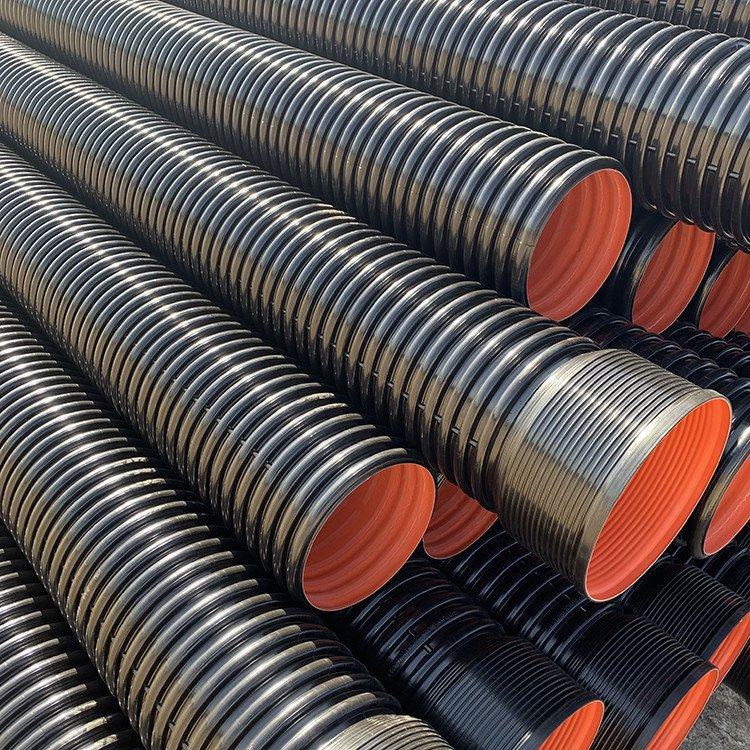
Introduction
Unplasticized Polyvinyl Chloride (UPVC) column pipes represent a significant advancement in structural support solutions across various industries, including construction, agriculture, and water management. These pipes are engineered to provide robust, lightweight, and corrosion-resistant alternatives to traditional materials like steel or concrete columns. Their primary function is to bear vertical loads, support structures such as pergolas, carports, or roofing systems, and provide a stable framework for various architectural and industrial applications. The 'discount' aspect within the price list acknowledges a competitive market landscape, focusing on providing cost-effective solutions without compromising on structural integrity. UPVC column pipes are not merely conduits for fluids, but engineered structural components requiring precise material science and manufacturing controls. This guide details their material composition, manufacturing processes, performance characteristics, failure modes, and relevant industry standards, providing a comprehensive technical overview for procurement managers, engineers, and installers.
Material Science & Manufacturing
UPVC column pipes are predominantly manufactured from a rigid formulation of Polyvinyl Chloride (PVC) resin, modified with stabilizers, lubricants, and impact modifiers. The base PVC resin contributes to the pipe’s inherent chemical resistance and rigidity. Stabilizers, typically based on organotin compounds or calcium-zinc formulations, prevent degradation during high-temperature processing and prolonged UV exposure. Lubricants, such as stearic acid, facilitate the extrusion process and improve surface finish. Impact modifiers, often acrylic polymers, enhance the pipe’s resistance to brittle fracture, particularly at low temperatures. The manufacturing process typically involves extrusion. PVC compound is fed into a single or twin-screw extruder, where it is heated and homogenized. The molten PVC is then forced through a die, shaping it into the desired column profile. Precise control of extrusion parameters – temperature profile, screw speed, and die pressure – is crucial to maintain dimensional accuracy and consistent material properties. Following extrusion, the pipes are cooled rapidly using water baths to solidify the PVC and prevent distortion. Quality control involves rigorous testing of mechanical properties (tensile strength, impact resistance), dimensional accuracy, and chemical composition. The final product's performance is heavily dependent on the quality of the raw materials and the precision of the manufacturing process. The polymer chains within the UPVC undergo molecular orientation during extrusion, and the degree of this orientation impacts the pipe's strength and resistance to creep.
Performance & Engineering
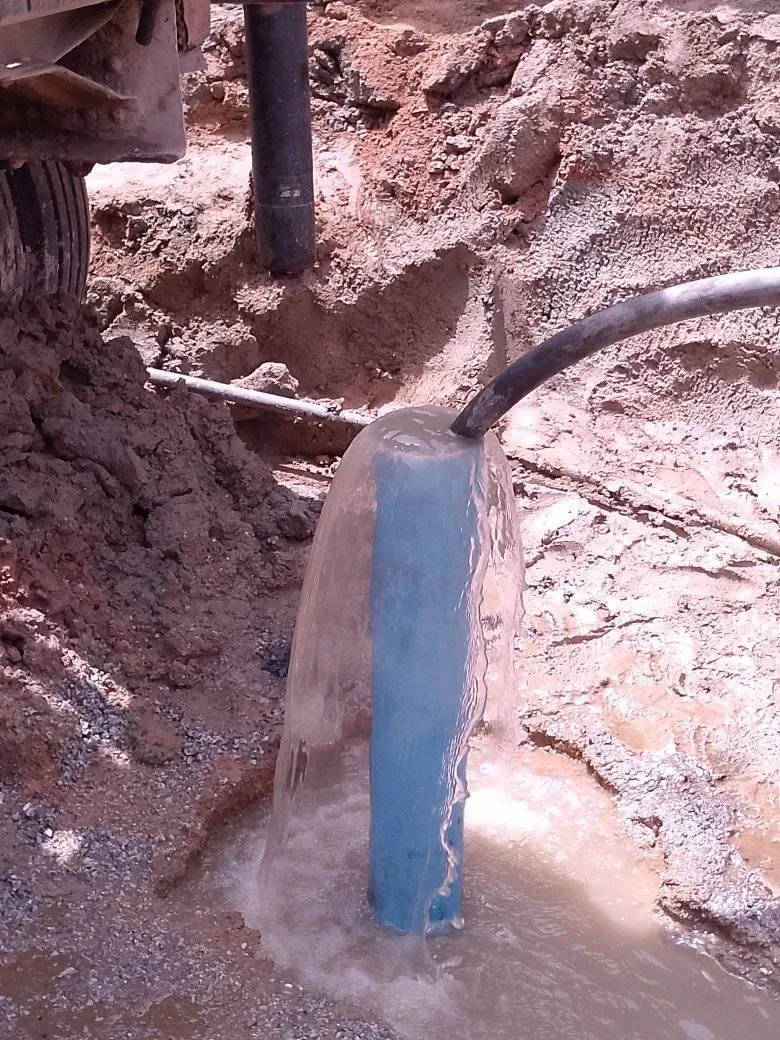
The performance of UPVC column pipes is primarily governed by their load-bearing capacity, resistance to environmental factors, and long-term durability. Load-bearing capacity is determined by the pipe's section modulus and material strength. A larger section modulus indicates greater resistance to bending. Engineering calculations must consider factors such as applied loads (dead load, live load, wind load), pipe length, and support conditions. Buckling is a critical failure mode for slender columns; therefore, adequate lateral bracing is often required. UPVC exhibits excellent resistance to most chemicals, including acids, alkalis, and salts, making it suitable for corrosive environments. However, prolonged exposure to certain solvents and hydrocarbons can cause swelling and degradation. UV resistance is enhanced through the incorporation of UV stabilizers in the PVC formulation. Despite this, prolonged UV exposure can still lead to discoloration and a gradual reduction in mechanical properties. Thermal expansion is another crucial consideration. UPVC has a relatively high coefficient of thermal expansion, which means that the pipe's length will change with temperature fluctuations. This must be accounted for in the design to prevent stress buildup and potential failure. Furthermore, the creep resistance of UPVC is important for long-term structural integrity. Creep is the tendency of a material to deform slowly under sustained load. Selecting appropriate pipe dimensions and support intervals can minimize creep deformation over the service life of the structure. Finite Element Analysis (FEA) is frequently employed to simulate the structural behavior of UPVC column pipes under various loading conditions and environmental factors.
Technical Specifications
| Parameter | Unit | Standard Value (Typical) | Testing Method |
|---|---|---|---|
| Outer Diameter | mm | 100, 125, 150, 200 | ISO 10555-1 |
| Wall Thickness | mm | 3.0, 4.0, 5.0 | ASTM D1785 |
| Tensile Strength | MPa | ≥ 55 | ISO 527-2 |
| Impact Strength (Charpy) | kJ/m² | ≥ 5 | ISO 145-6 |
| Flexural Modulus | GPa | 3.0 - 3.5 | ISO 178 |
| Water Absorption | % (24 hrs) | ≤ 0.5 | ASTM D570 |
Failure Mode & Maintenance
UPVC column pipes, while durable, are susceptible to certain failure modes. One common failure is premature yielding or buckling under sustained load, often stemming from inadequate design or improper installation. This can be exacerbated by creep deformation over time. Another failure mode is brittle fracture, particularly at low temperatures or in the presence of stress concentrators (e.g., sharp corners, pre-existing cracks). Impact damage during handling or installation can also initiate cracks. Environmental degradation, specifically UV exposure, can lead to embrittlement and a reduction in impact resistance. Chemical attack from aggressive solvents or hydrocarbons can cause swelling, softening, and ultimately, failure. Delamination, though less common, can occur if the PVC compound is not properly mixed or processed. Maintenance is relatively straightforward. Regular visual inspections should be conducted to identify any signs of cracking, deformation, or discoloration. Cracked or damaged pipes should be replaced immediately. Cleaning can be performed with mild detergents and water. Avoid using abrasive cleaners or solvents. Protective coatings can be applied to enhance UV resistance, particularly in high-exposure environments. Proper support and bracing are critical to prevent buckling and ensure long-term structural integrity. Periodic assessment of load distribution is recommended, especially for structures subjected to variable loads.
Industry FAQ
Q: What is the long-term creep performance of these UPVC column pipes, and how does it compare to steel?
A: UPVC exhibits higher creep than steel under sustained load. While steel maintains its structural integrity with minimal deformation over decades, UPVC will experience gradual deformation over time. However, proper design, including adequate pipe dimensions and support intervals, can mitigate creep to acceptable levels for most applications. Steel requires corrosion protection, whereas UPVC inherently possesses excellent corrosion resistance, often offsetting the creep disadvantage.
Q: How does UV exposure affect the lifespan of the pipes, and what mitigation strategies are recommended?
A: Prolonged UV exposure can cause discoloration, surface cracking, and a reduction in impact resistance of UPVC. To mitigate this, the pipes incorporate UV stabilizers, but these degrade over time. Applying a UV-protective coating or painting the pipes with a UV-resistant paint can significantly extend their lifespan. Regular inspections for signs of UV degradation are also recommended.
Q: What is the recommended temperature range for using these pipes, and what happens if they are exposed to temperatures outside this range?
A: The recommended operating temperature range for UPVC column pipes is typically -10°C to 60°C. Exposure to temperatures below -10°C can cause embrittlement and increased risk of fracture. Temperatures above 60°C can lead to softening and a reduction in load-bearing capacity. For extreme temperature environments, alternative materials should be considered.
Q: What are the fire safety characteristics of UPVC, and how do they compare to other column materials?
A: UPVC is inherently combustible and will release hydrogen chloride gas when burned. While not as flammable as wood, it is less fire-resistant than steel or concrete. UPVC formulations can include flame retardants to improve fire performance, but these additives often come with trade-offs in other properties. Fire safety considerations should be carefully evaluated based on the application.
Q: What is the typical service life expectancy of a properly installed and maintained UPVC column pipe system?
A: With proper installation, maintenance, and consideration of environmental factors, a properly installed UPVC column pipe system can have a service life of 25-50 years. Regular inspections and timely replacement of damaged components are crucial to maximizing its lifespan.
Conclusion
UPVC column pipes offer a compelling alternative to traditional materials, providing a balance of strength, durability, and cost-effectiveness. Their resistance to corrosion, lightweight nature, and ease of installation make them well-suited for a wide range of applications. However, engineers and procurement professionals must thoroughly understand the material’s limitations, including its susceptibility to creep, UV degradation, and temperature sensitivity. Proper design, installation, and maintenance are critical to ensuring long-term structural integrity and maximizing the service life of these systems.
The selection of UPVC column pipes should be based on a comprehensive assessment of the application requirements, environmental conditions, and life-cycle cost. While their initial cost may be lower than steel or concrete, the potential for long-term degradation and the need for periodic maintenance must be considered. Ongoing research and development efforts are focused on improving the material's properties, such as enhancing UV resistance and reducing creep, further expanding its potential applications in the future.
-
DN25 HDPE Compression Fitting-HORON INTERNATIONAL|Reliable Irrigation Solutions
NewsFeb.11,2026
-
hdpe coupling joint product Manufacturing Analysis
News2026-11-18
-
ppr pipe heating time products Performance Analysis
News2026-11-16
-
hdpe pipe sizes factory Performance Analysis
News2026-11-09
-
HDPE Pipe Sizes Service Performance Analysis
News2026-10-26
-
wholesale 15mm ppr pipe Material Science and Performance Analysis
News2026-10-20
-
wholesale pvc pipe price per foot Technical Analysis
News2026-09-21
-
wholesale long pvc pipe Technical Analysis and Manufacturing Specifications
News2026-09-15
-
wholesale plumbing kitchen sink water lines Material Performance
News2026-09-15
-
wholesale hdpe drip irrigation Material Science
News2026-09-15
-
wholesale hot water ppr pipe Performance Analysis
News2026-09-15
-
wholesale ppr plumbing Performance Analysis
News2026-09-15
-
wholesale ppr pipe supplier Performance Analysis
News2026-09-13
-
wholesale 50mm ppr pipe Performance Analysis
News2026-09-13
-
wholesale hdpe drip pipe Performance Analysis
News2026-09-13
-
wholesale hdpe pipe 63mm price Manufacturing Specification and Performance Analysis
News2026-09-13