

Feb . 11, 2026 00:01 Back to list
discount upvc column pipes Performance Analysis
Introduction
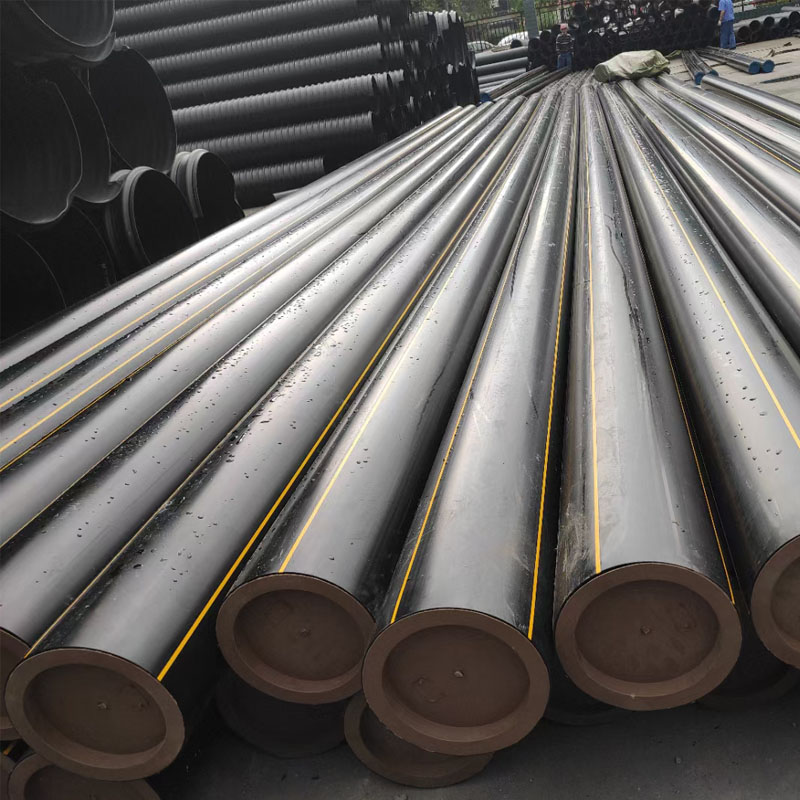
Unplasticized Polyvinyl Chloride (UPVC) column pipes represent a significant segment within the broader PVC piping industry, utilized extensively in structural support, housing electrical and plumbing conduits, and providing aesthetic architectural features. Unlike traditional metal columns, UPVC offers a corrosion-resistant, lightweight, and cost-effective alternative. These ‘discount’ offerings, while often representing economies of scale in production, necessitate careful evaluation of material composition and manufacturing processes to ensure performance parity with higher-cost alternatives. This guide details the material science, manufacturing, performance characteristics, potential failure modes, and industry standards associated with discount UPVC column pipes, providing a comprehensive technical overview for procurement and engineering professionals. The primary performance characteristics revolve around load-bearing capacity, UV resistance, fire performance, and long-term durability in various environmental conditions. Understanding these factors is critical for selecting appropriate UPVC column pipes for specific applications and avoiding premature failure.
Material Science & Manufacturing
The core material for these pipes is UPVC, a rigid and amorphous thermoplastic polymer. UPVC is produced through the polymerization of vinyl chloride monomer (VCM). Key additives are crucial to modifying the inherent properties of PVC. These include stabilizers (typically calcium-zinc or lead-based – though lead is decreasing due to environmental concerns) to prevent thermal degradation during processing and UV exposure; impact modifiers (like acrylic or chlorinated polyethylene) to enhance toughness; lubricants to facilitate processing; and pigments for coloration. Discount UPVC often utilizes higher proportions of fillers, such as calcium carbonate, to reduce cost. While this can lower material costs, it compromises impact resistance and tensile strength.
Manufacturing typically involves extrusion. The UPVC compound is heated and forced through a die that shapes the column profile. Critical parameters during extrusion include temperature control across various zones of the extruder barrel (feed zone, compression zone, metering zone) to ensure complete fusion and homogeneity. Die design directly impacts the dimensional accuracy and surface finish of the finished pipe. Cooling is equally important – rapid cooling promotes higher tensile strength but can induce internal stresses. Subsequent cutting to length and quality control checks, including dimensional verification and hydrostatic pressure testing, are standard procedures. Welding or solvent cementing is often used to join sections, requiring careful surface preparation and adherence to manufacturer specifications to maintain structural integrity. The degree of crystallinity in the final product is directly linked to cooling rates and impacts the pipe’s stiffness and temperature resistance.
Performance & Engineering
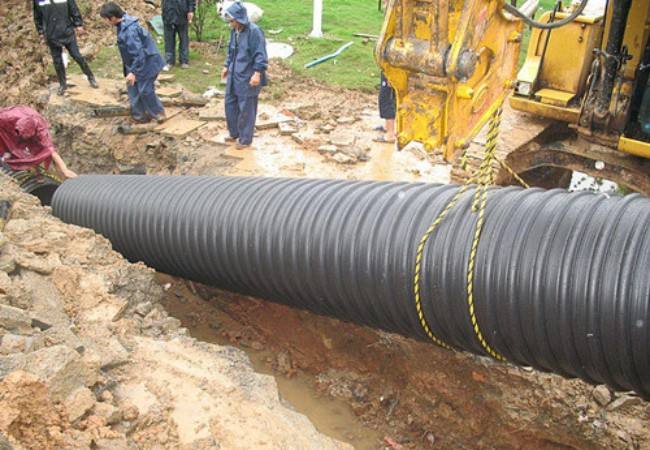
The performance of UPVC column pipes is governed by several engineering principles. Axial load capacity is determined by the section modulus of the pipe profile and the compressive strength of the UPVC compound. Buckling analysis is essential, especially for slender columns, considering the effective length and end conditions. Wind load resistance is a critical factor for exterior applications, requiring consideration of surface area and local wind codes. The modulus of elasticity of UPVC is relatively low compared to steel or concrete, resulting in greater deflection under load. This deflection must be accounted for in structural designs. UV resistance is dependent on the type and concentration of UV stabilizers. Prolonged exposure to UV radiation degrades the polymer, leading to discoloration, embrittlement, and reduced mechanical properties. Fire performance is a significant concern. UPVC is inherently combustible, releasing hydrogen chloride (HCl) gas upon burning, which is corrosive and toxic. Flame retardant additives can be incorporated to improve fire resistance, but often at a cost to other properties. Chemical resistance is generally excellent against acids, alkalis, and many solvents, but prolonged exposure to certain organic solvents can cause swelling and degradation. Compliance with building codes and standards (discussed later) is paramount, specifying minimum requirements for material properties, dimensional tolerances, and load-bearing capacity.
Technical Specifications
| Parameter | Unit | Typical Value (Discount UPVC) | Test Standard |
|---|---|---|---|
| Tensile Strength | MPa | 50-60 | ASTM D638 |
| Impact Strength (Izod Notched) | kJ/m² | 2-4 | ISO 145-6 |
| Flexural Modulus | GPa | 3-4 | ASTM D790 |
| Heat Deflection Temperature | °C | 70-80 | ASTM D648 |
| Water Absorption (24hr) | % | <0.1 | ASTM D570 |
| UV Resistance (QUV exposure, 500 hrs) | % Retained Tensile Strength | >60 | ASTM G154 |
Failure Mode & Maintenance
Common failure modes in discount UPVC column pipes include: Mechanical Failure: Buckling under compressive load, particularly if the column is not adequately braced or if the load exceeds the design capacity. Impact damage leading to cracking or shattering, especially in colder temperatures or with pipes containing a high filler content. Environmental Degradation: UV degradation causing surface chalking, discoloration, and embrittlement, reducing the pipe's load-bearing capacity and aesthetic appeal. Thermal cycling leading to expansion and contraction stresses, potentially causing cracking at joints or stress concentrations. Chemical attack from prolonged exposure to incompatible solvents or aggressive chemicals. Installation Related Failures: Improper solvent cementing leading to weak joints and potential leaks. Insufficient support causing bending or deflection beyond acceptable limits. Incorrectly sized pipes for the intended load.
Maintenance recommendations include: Regular visual inspection for cracks, discoloration, or signs of degradation. Cleaning with mild soap and water to remove dirt and grime. Avoiding abrasive cleaners or solvents that can damage the surface. Protecting from prolonged UV exposure with coatings or shading. Ensuring proper support and bracing to prevent buckling. Periodically re-evaluating the load-bearing capacity if the application changes. If damage is detected, replace the affected section of pipe immediately. Joints should be inspected for separation or leaks. Addressing any ground movement or settlement that could induce stress on the pipes.
Industry FAQ
Q: What is the impact of a higher calcium carbonate filler content in a ‘discount’ UPVC pipe on its long-term performance?
A: Increased calcium carbonate filler content typically reduces the tensile strength, impact resistance, and overall durability of the UPVC pipe. While cost-effective, it makes the pipe more susceptible to cracking, particularly under stress or in cold temperatures. Long-term performance is compromised as the filler can contribute to increased brittleness and accelerated degradation from UV exposure.
Q: How does the fire performance of UPVC compare to other common building materials and what additives are used to improve it?
A: UPVC is inherently combustible and releases toxic HCl gas when burned. Compared to materials like steel (non-combustible) or wood (easily combustible), UPVC falls in between. Flame retardant additives, typically based on antimony trioxide and halogenated compounds, are used to improve fire resistance by slowing down the combustion process and reducing flame spread. However, these additives can also affect the mechanical properties of the UPVC.
Q: What is the significance of hydrostatic pressure testing in ensuring the quality of UPVC column pipes?
A: Hydrostatic pressure testing involves pressurizing the pipe with water to a specified level and holding it for a defined period. This test verifies the pipe's ability to withstand internal pressure without leaking or bursting, ensuring the integrity of the pipe wall and joints. It’s a critical quality control measure to identify defects or weaknesses in the manufacturing process.
Q: What are the common causes of cracking in UPVC pipes, and how can these be mitigated?
A: Cracking can result from impact damage, UV degradation, thermal stress (expansion/contraction), chemical attack, or improper installation. Mitigation strategies include using impact-resistant grades of UPVC, applying UV protective coatings, providing adequate support to prevent stress, avoiding exposure to incompatible chemicals, and ensuring proper solvent cementing techniques.
Q: What is the expected service life of a properly installed and maintained UPVC column pipe in a moderate climate?
A: A properly installed and maintained UPVC column pipe in a moderate climate can typically have a service life of 25-50 years. However, this can be significantly reduced by factors such as prolonged UV exposure, extreme temperatures, chemical exposure, and mechanical stress. Regular inspections and preventative maintenance are crucial for maximizing service life.
Conclusion
Discount UPVC column pipes offer a viable, cost-effective alternative to traditional materials, but their performance is directly linked to material formulation, manufacturing quality, and installation practices. Understanding the trade-offs associated with cost reduction – particularly the increased reliance on fillers – is essential for making informed procurement decisions. Proper engineering analysis, considering load-bearing capacity, environmental factors, and compliance requirements, is crucial for ensuring long-term structural integrity and safety.
The selection of UPVC column pipes should not solely focus on initial cost but should encompass a lifecycle assessment, factoring in maintenance requirements and potential replacement costs. Adherence to relevant industry standards and rigorous quality control measures are paramount for mitigating risks and maximizing the service life of these products. Future developments in UPVC formulations, including the incorporation of advanced stabilizers and impact modifiers, will likely improve the performance and durability of these cost-effective structural elements.
-
DN25 HDPE Compression Fitting-HORON INTERNATIONAL|Reliable Irrigation Solutions
NewsFeb.11,2026
-
hdpe coupling joint product Manufacturing Analysis
News2026-11-18
-
ppr pipe heating time products Performance Analysis
News2026-11-16
-
hdpe pipe sizes factory Performance Analysis
News2026-11-09
-
HDPE Pipe Sizes Service Performance Analysis
News2026-10-26
-
wholesale 15mm ppr pipe Material Science and Performance Analysis
News2026-10-20
-
wholesale pvc pipe price per foot Technical Analysis
News2026-09-21
-
wholesale long pvc pipe Technical Analysis and Manufacturing Specifications
News2026-09-15
-
wholesale plumbing kitchen sink water lines Material Performance
News2026-09-15
-
wholesale hdpe drip irrigation Material Science
News2026-09-15
-
wholesale hot water ppr pipe Performance Analysis
News2026-09-15
-
wholesale ppr plumbing Performance Analysis
News2026-09-15
-
wholesale ppr pipe supplier Performance Analysis
News2026-09-13
-
wholesale 50mm ppr pipe Performance Analysis
News2026-09-13
-
wholesale hdpe drip pipe Performance Analysis
News2026-09-13
-
wholesale hdpe pipe 63mm price Manufacturing Specification and Performance Analysis
News2026-09-13