

Feb . 11, 2026 00:01 Back to list
discount upvc column pipes for submersible pumps price list Technical Analysis
Introduction
UPVC (Unplasticized Polyvinyl Chloride) column pipes for submersible pumps represent a critical component in water extraction and transfer systems, particularly in agricultural, industrial, and domestic water supply applications. These pipes serve as the conduit through which water is raised from the well or borehole to the surface by the submersible pump. Unlike traditional metallic or HDPE options, UPVC offers a compelling combination of corrosion resistance, cost-effectiveness, and ease of installation. The 'discount' designation acknowledges the increasing price competition within the market, emphasizing value for money without compromising core performance attributes. This guide will provide an in-depth technical analysis of UPVC column pipes, encompassing material science, manufacturing processes, performance characteristics, potential failure modes, and relevant industry standards, geared towards procurement managers, engineers, and maintenance personnel involved in submersible pump system design and operation. The performance of these pipes directly impacts pump efficiency, system longevity, and overall operational costs. Understanding their limitations and proper application is therefore paramount.
Material Science & Manufacturing
UPVC column pipes are primarily composed of polyvinyl chloride resin, a thermoplastic polymer known for its inherent rigidity and chemical inertness. The resin is typically blended with stabilizers (to prevent degradation from UV exposure and heat), lubricants (to aid in processing), and impact modifiers (to enhance toughness). The specific formulation of the UPVC compound dictates the pipe’s mechanical properties, such as tensile strength, impact resistance, and elongation at break. Key physical properties include a density of approximately 1.4 g/cm³, a glass transition temperature around 80°C, and a relatively low coefficient of thermal expansion.
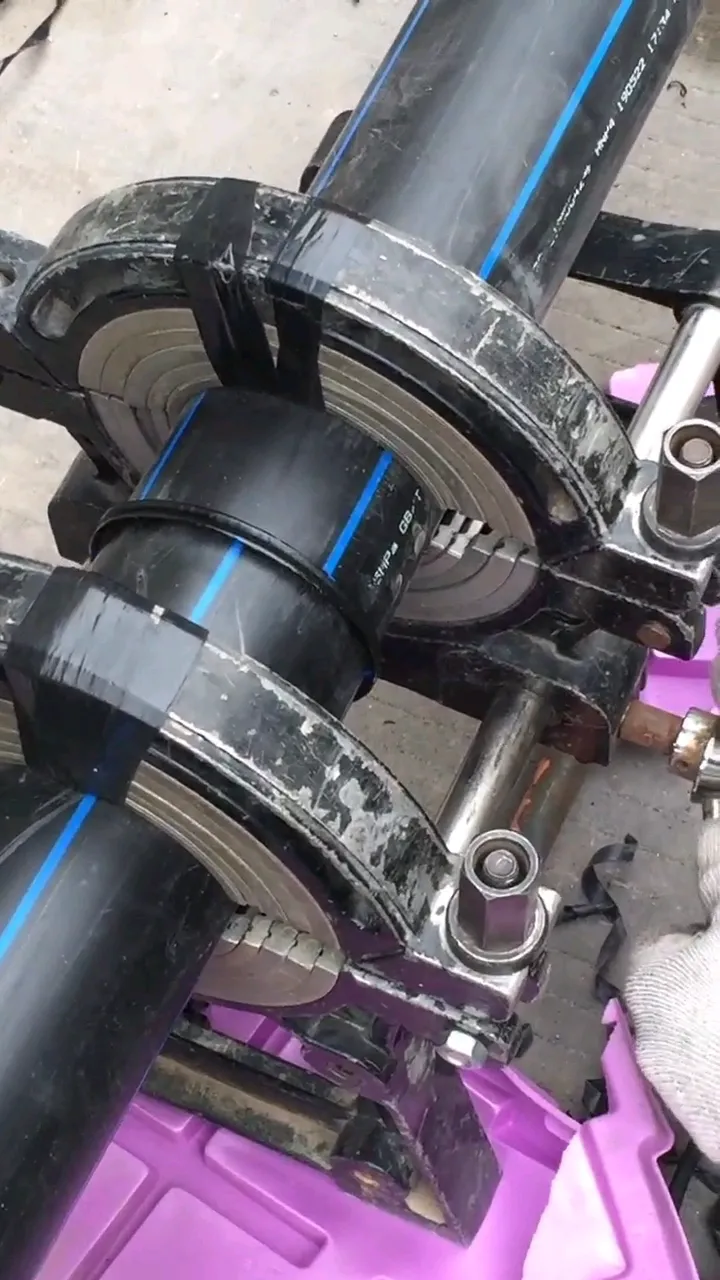
Manufacturing typically involves extrusion. UPVC granules are fed into a hopper, plasticized via heat and shear, and forced through a die to create a continuous pipe profile. Precise control of extrusion temperature, screw speed, and die geometry is critical to ensure consistent wall thickness and dimensional accuracy. Following extrusion, pipes are cooled (usually by water immersion), calibrated to the specified diameter, and cut to length. The critical parameter is maintaining a homogenous melt and avoiding localized overheating, which can lead to degradation and reduced pipe strength. Socketing methods, crucial for joining pipes, include solvent cementing (the most common method, creating a chemical weld), threaded connections, and occasionally, gasketed joints for larger diameters. Quality control involves rigorous testing of mechanical properties (hydrostatic pressure, tensile strength, impact strength) and dimensional tolerances according to established standards. The type of stabilizer used (e.g., tin-based, calcium-zinc) directly influences the pipe’s long-term durability and resistance to discoloration.
Performance & Engineering
The primary performance requirement for UPVC column pipes is the ability to withstand hydrostatic pressure generated by the water column and the pump’s head. This is directly related to the pipe's wall thickness and diameter. Force analysis involves calculating the hoop stress within the pipe wall using Barlow's formula: σ = (P D) / (2 t), where σ is hoop stress, P is internal pressure, D is pipe diameter, and t is wall thickness. Higher pressures require thicker walls or smaller diameters. Furthermore, the pipe must exhibit sufficient tensile strength to resist axial loads caused by the weight of the water column and the pump assembly, particularly in deep well applications.
Environmental resistance is another critical consideration. While UPVC is inherently resistant to many chemicals found in groundwater, prolonged exposure to certain aggressive substances (e.g., concentrated acids or solvents) can lead to degradation. UV exposure also degrades UPVC, reducing its mechanical properties; therefore, protection from direct sunlight is essential during storage and installation. Compliance requirements vary by region but typically involve adherence to standards related to potable water safety (ensuring the pipe doesn't leach harmful contaminants) and pressure rating. Functional implementation necessitates careful consideration of the pump’s discharge flow rate and the pipe’s internal diameter to minimize friction losses. A correctly sized pipe minimizes energy consumption and maximizes pump efficiency. Thermal expansion and contraction must also be accounted for during installation, particularly in long vertical runs, to prevent stress buildup and potential failure.
Technical Specifications
| Parameter | Unit | Typical Value (DN 100 / 4 inch) | Testing Standard |
|---|---|---|---|
| Nominal Diameter | mm | 110 | ISO 1452-2 |
| Outside Diameter | mm | 110 | ISO 1452-2 |
| Wall Thickness | mm | 4.0 - 6.0 | ASTM D2241 |
| Pressure Rating (PN) | bar | 10 - 16 | ISO 1452-2 |
| Tensile Strength | MPa | > 50 | ASTM D2290 |
| Impact Strength (Charpy) | kJ/m² | > 5 | ISO 1452-2 |
| Water Absorption (24hr) | % | < 0.1 | ASTM D570 |
Failure Mode & Maintenance
Common failure modes in UPVC column pipes include: Fatigue Cracking – Repeated stress from pressure fluctuations and water hammer can initiate cracks, particularly at joints or areas of stress concentration. Hydrostatic Failure – Exceeding the pipe’s pressure rating leads to catastrophic rupture. Environmental Stress Cracking (ESC) – Exposure to specific chemicals or sustained tensile stress can cause slow crack propagation. UV Degradation – Prolonged sunlight exposure causes embrittlement and loss of impact resistance. Delamination - Separation of layers within the pipe wall, often due to manufacturing defects or thermal stress. Joint Failure – Improper solvent cementing or loosening of threaded connections can lead to leaks.
Maintenance strategies focus on preventative measures: Regular visual inspections for cracks, discoloration, or leaks. Pressure testing to verify system integrity. Proper support of the pipe run to prevent excessive bending stress. Protecting the pipe from direct sunlight with shielding or UV-resistant coatings. Implementing surge suppression devices to mitigate water hammer. For solvent-cemented joints, ensure proper cleaning and priming of surfaces before application. In the event of a leak, the affected pipe section should be replaced immediately. Avoid using abrasive cleaning agents that can damage the pipe surface. Periodic hydrostatic testing, particularly in critical applications, can identify potential weaknesses before they lead to failure. Record keeping of inspections, maintenance activities, and repairs is essential for long-term system reliability.
Industry FAQ
Q: What is the maximum allowable operating temperature for these UPVC column pipes?
A: Generally, UPVC column pipes are designed for a maximum operating temperature of 60°C (140°F). Exceeding this temperature significantly reduces the pipe's pressure rating and can lead to softening and deformation. For applications involving warmer fluids, alternative materials like CPVC should be considered.
Q: How does the roughness of the inner pipe surface affect pump efficiency?
A: UPVC pipes have a relatively smooth inner surface compared to metallic pipes, resulting in lower friction losses and improved pump efficiency. However, over time, biofouling or sediment buildup can increase roughness and reduce flow capacity. Regular cleaning or the use of anti-fouling coatings may be necessary in certain applications.
Q: What is the expected lifespan of a properly installed UPVC column pipe system?
A: With proper installation, maintenance, and operating conditions, a UPVC column pipe system can have a service life of 20-50 years or more. However, this can vary depending on the severity of environmental exposure, the quality of the materials, and the operating pressure.
Q: Are these pipes suitable for use with highly corrosive water sources (e.g., acidic or saline water)?
A: UPVC exhibits excellent resistance to many corrosive substances, but its compatibility should be verified based on the specific water chemistry. Prolonged exposure to strong acids or highly concentrated saline solutions can lead to degradation. In such cases, specialized UPVC formulations or alternative materials like HDPE may be required.
Q: What are the key considerations when selecting the appropriate pipe diameter?
A: Pipe diameter selection should be based on the pump's flow rate, the desired water velocity, and minimizing friction losses. Too small a diameter will result in excessive friction and reduced efficiency, while too large a diameter increases material costs. Hydraulic calculations are essential to determine the optimal pipe size for a given application.
Conclusion
UPVC column pipes offer a cost-effective and reliable solution for submersible pump applications, providing excellent corrosion resistance and ease of installation. However, their performance is highly dependent on proper material selection, manufacturing quality, and adherence to recommended operating conditions. Understanding the material’s limitations regarding temperature, chemical compatibility, and UV exposure is crucial for ensuring long-term system reliability. Careful consideration of force analysis, installation practices, and preventative maintenance strategies is essential to mitigate potential failure modes and maximize the lifespan of the system.
As demand for efficient and sustainable water management solutions continues to grow, advancements in UPVC formulations and manufacturing techniques will further enhance the performance and durability of these pipes. Future developments may focus on incorporating impact modifiers for increased toughness, UV stabilizers for improved weathering resistance, and specialized coatings for enhanced chemical compatibility. Properly specifying and maintaining UPVC column pipe systems remains a critical component of ensuring efficient and reliable submersible pump operation.
-
DN25 HDPE Compression Fitting-HORON INTERNATIONAL|Reliable Irrigation Solutions
NewsFeb.11,2026
-
hdpe coupling joint product Manufacturing Analysis
News2026-11-18
-
ppr pipe heating time products Performance Analysis
News2026-11-16
-
hdpe pipe sizes factory Performance Analysis
News2026-11-09
-
HDPE Pipe Sizes Service Performance Analysis
News2026-10-26
-
wholesale 15mm ppr pipe Material Science and Performance Analysis
News2026-10-20
-
wholesale pvc pipe price per foot Technical Analysis
News2026-09-21
-
wholesale long pvc pipe Technical Analysis and Manufacturing Specifications
News2026-09-15
-
wholesale plumbing kitchen sink water lines Material Performance
News2026-09-15
-
wholesale hdpe drip irrigation Material Science
News2026-09-15
-
wholesale hot water ppr pipe Performance Analysis
News2026-09-15
-
wholesale ppr plumbing Performance Analysis
News2026-09-15
-
wholesale ppr pipe supplier Performance Analysis
News2026-09-13
-
wholesale 50mm ppr pipe Performance Analysis
News2026-09-13
-
wholesale hdpe drip pipe Performance Analysis
News2026-09-13
-
wholesale hdpe pipe 63mm price Manufacturing Specification and Performance Analysis
News2026-09-13