

Feb . 11, 2026 00:01 Back to list
discount type of pvc pipe Performance Analysis
Introduction
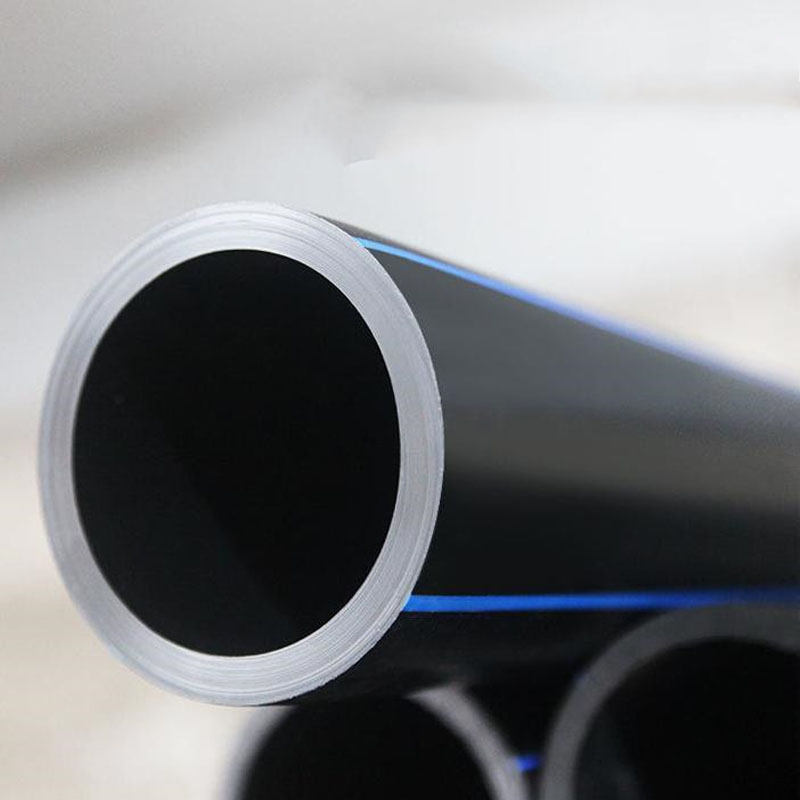
Discount type PVC pipe, formally known as Polyvinyl Chloride pipe, represents a cost-optimized solution within the broader PVC piping product spectrum. Its technical position in the industry chain lies as a downstream product of ethylene and chlorine, undergoing polymerization to form PVC resin, subsequently compounded with stabilizers, lubricants, and plasticizers before extrusion or injection molding into pipe form. Characterized by its affordability, it serves primarily in non-pressure applications such as drainage, irrigation, and conduit. Core performance attributes include resistance to a broad range of chemicals, good electrical insulation properties, and relatively low weight, although its mechanical strength and temperature resistance are generally lower than those of premium PVC formulations like Schedule 40 or CPVC. The “discount” designation typically implies a reduced wall thickness, a simpler compounding formulation (less plasticizer content), or the use of recycled PVC content, resulting in a lower cost but also potentially reduced lifespan and performance characteristics. A key industry pain point is balancing cost savings with long-term reliability and compliance with increasingly stringent environmental regulations regarding PVC waste.
Material Science & Manufacturing
The foundational material for discount PVC pipe is PVC resin, typically produced via suspension polymerization. The resin itself is a white, brittle powder with a glass transition temperature (Tg) around 80°C. To render it suitable for pipe extrusion, it necessitates compounding with various additives. Plasticizers, such as phthalates or DINP (diisononyl phthalate – increasingly preferred due to health concerns surrounding phthalates), increase flexibility and impact resistance, though at the expense of tensile strength. Stabilizers, typically based on tin or calcium-zinc formulations, prevent degradation during processing and exposure to UV radiation. Lubricants, like stearic acid, reduce friction during extrusion. Discount formulations often employ lower concentrations of plasticizers and simpler stabilizer packages, contributing to cost reduction but affecting performance.
Manufacturing primarily occurs via extrusion. PVC compound is fed into a single or twin-screw extruder, where it’s heated, melted, and forced through a die to form the pipe shape. Critical parameters include die temperature (180-210°C), screw speed (20-60 RPM), and haul-off speed. Wall thickness is controlled by the die geometry and haul-off speed synchronization. Post-extrusion, the pipe is cooled in a water bath and cut to length. Injection molding is utilized for fittings. Quality control focuses on dimensional accuracy (diameter, wall thickness) using calipers and ultrasonic thickness gauges, and on ensuring adequate fusion between layers if co-extrusion is employed. Variations in these parameters directly influence the pipe’s mechanical properties and long-term durability. Poor temperature control can lead to degradation, while inconsistent screw speed results in uneven material distribution and potential weak points.
Performance & Engineering
Performance of discount PVC pipe is fundamentally governed by its mechanical properties and environmental resistance. Tensile strength, typically in the range of 50-65 MPa (depending on the formulation and wall thickness), dictates its ability to withstand internal pressure and external loads. Flexural modulus, around 2-3 GPa, determines its resistance to bending. Impact strength, measured using Charpy or Izod tests, is critical for handling and installation. However, these properties are typically lower than those of higher-grade PVC pipe due to the reduced plasticizer content.
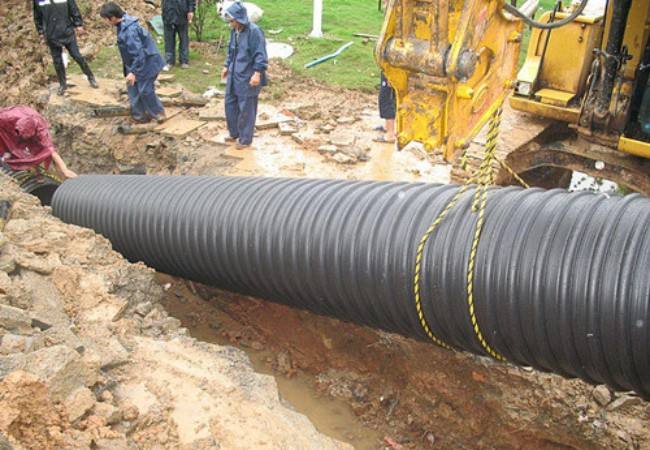
Environmental resistance is a key consideration. PVC exhibits good resistance to many acids and bases, but prolonged exposure to strong oxidizing agents or aromatic hydrocarbons can cause swelling and degradation. UV exposure causes embrittlement; the inclusion of UV stabilizers mitigates this but doesn’t eliminate it entirely. Temperature sensitivity is significant; PVC becomes brittle at low temperatures (below 5°C) and softens at high temperatures (above 60°C). Engineering calculations for discount PVC pipe installations must account for these limitations. For example, burial depth must be sufficient to protect against frost heave and excessive temperature fluctuations. Soil loading and potential traffic loads require consideration of the pipe's structural capacity, often necessitating bedding and backfill materials to distribute the load evenly. Compliance requirements vary by region but generally adhere to standards such as ASTM D1785 for PVC pipe dimensions and ASTM D2412 for PVC compound properties.
Technical Specifications
| Parameter | Units | Discount PVC Pipe (Typical) | Schedule 40 PVC Pipe (Typical) |
|---|---|---|---|
| Tensile Strength | MPa | 50-65 | 70-80 |
| Flexural Modulus | GPa | 2.0-2.5 | 3.0-3.5 |
| Impact Strength (Charpy, 23°C) | kJ/m² | 3-5 | 8-12 |
| Wall Thickness | mm | 1.8 - 2.5 | 3.2 - 4.2 |
| Hydrostatic Pressure Rating | psi | 50-100 | 200-400 |
| Service Temperature Range | °C | -10 to 60 | -20 to 80 |
Failure Mode & Maintenance
Discount PVC pipe is susceptible to several failure modes. Brittle fracture, particularly at low temperatures or points of high stress concentration (e.g., around fittings), is a common occurrence. Long-term creep, the gradual deformation under sustained load, can lead to joint separation or pipe collapse. UV degradation causes embrittlement and cracking, especially in exposed applications. Chemical attack from aggressive substances can cause swelling, softening, and eventual failure. Another frequent issue is crazing, the formation of micro-cracks on the surface due to stress and environmental factors.
Maintenance is primarily preventative. Proper installation, including adequate bedding and backfill, minimizes stress on the pipe. Avoidance of harsh chemicals and protection from prolonged UV exposure are crucial. Regular visual inspections can identify early signs of degradation, such as discoloration, cracking, or deformation. If damage is detected, localized repairs using PVC cement and appropriate fittings can be performed for minor cracks or leaks. However, significant damage or widespread degradation necessitates complete pipe replacement. Periodic pressure testing can verify the integrity of the system. A common failure analysis technique involves microscopic examination of fractured surfaces to determine the root cause of the failure – whether it was brittle fracture, creep rupture, or chemical attack.
Industry FAQ
Q: What is the primary difference between “discount” PVC and standard Schedule 40 PVC in terms of long-term performance?
A: The key difference lies in the formulation and wall thickness. Discount PVC typically contains less plasticizer, leading to reduced impact strength and flexibility, and has a thinner wall thickness. This translates to a lower pressure rating, reduced resistance to cracking, and a shorter expected lifespan, particularly under demanding conditions or prolonged exposure to environmental stressors.
Q: How does the type of plasticizer used affect the performance and environmental impact of discount PVC pipe?
A: Traditional phthalate plasticizers, while effective, have raised health concerns. Increasingly, manufacturers are switching to alternatives like DINP. DINP offers comparable performance but a more favorable toxicological profile. However, even DINP can leach out over time, potentially contaminating the surrounding environment. The amount of plasticizer used also directly impacts flexibility and low-temperature performance.
Q: What is the impact of UV exposure on discount PVC pipe, and what mitigation strategies are recommended?
A: UV radiation causes chain scission in PVC, leading to embrittlement and cracking. Discount PVC, often lacking robust UV stabilizer packages found in premium formulations, is particularly vulnerable. Mitigation strategies include burying the pipe, painting it with a UV-resistant coating, or selecting a formulation with enhanced UV protection, though this generally increases cost.
Q: What are the limitations regarding the use of discount PVC pipe for potable water applications?
A: While PVC is generally considered safe for potable water, discount PVC formulations may contain higher levels of residual monomers or additives that could potentially leach into the water. Regulatory compliance (e.g., NSF/ANSI 61 certification) is critical; ensure the pipe is specifically certified for potable water use before employing it in such applications.
Q: How does soil acidity or alkalinity affect the longevity of a buried discount PVC pipe system?
A: Prolonged exposure to highly acidic or alkaline soils can accelerate degradation. Acidic soils can promote hydrolysis of the PVC polymer, while alkaline soils can leach calcium stabilizers. Proper bedding materials and protective coatings can mitigate these effects, but it’s crucial to assess soil conditions before installation and select a pipe formulation suitable for the environment.
Conclusion
Discount type PVC pipe provides a cost-effective solution for non-pressure applications where stringent performance requirements are not critical. Its material science, centered around PVC resin and plasticizer compounding, dictates its mechanical properties and environmental resistance. Understanding the trade-offs between cost savings and durability is paramount. The performance characteristics, while sufficient for many drainage and irrigation applications, are demonstrably lower than those of higher-grade PVC formulations.
Future trends will likely focus on increasing the use of recycled PVC content and developing more environmentally friendly plasticizers. Enhanced quality control measures during manufacturing, coupled with stricter adherence to industry standards, will be essential to maintain a balance between affordability and long-term reliability. A comprehensive assessment of application requirements, soil conditions, and potential exposure to chemicals and UV radiation is crucial for ensuring the longevity and safe operation of discount PVC pipe systems.
-
DN25 HDPE Compression Fitting-HORON INTERNATIONAL|Reliable Irrigation Solutions
NewsFeb.11,2026
-
hdpe coupling joint product Manufacturing Analysis
News2026-11-18
-
ppr pipe heating time products Performance Analysis
News2026-11-16
-
hdpe pipe sizes factory Performance Analysis
News2026-11-09
-
HDPE Pipe Sizes Service Performance Analysis
News2026-10-26
-
wholesale 15mm ppr pipe Material Science and Performance Analysis
News2026-10-20
-
wholesale pvc pipe price per foot Technical Analysis
News2026-09-21
-
wholesale long pvc pipe Technical Analysis and Manufacturing Specifications
News2026-09-15
-
wholesale plumbing kitchen sink water lines Material Performance
News2026-09-15
-
wholesale hdpe drip irrigation Material Science
News2026-09-15
-
wholesale hot water ppr pipe Performance Analysis
News2026-09-15
-
wholesale ppr plumbing Performance Analysis
News2026-09-15
-
wholesale ppr pipe supplier Performance Analysis
News2026-09-13
-
wholesale 50mm ppr pipe Performance Analysis
News2026-09-13
-
wholesale hdpe drip pipe Performance Analysis
News2026-09-13
-
wholesale hdpe pipe 63mm price Manufacturing Specification and Performance Analysis
News2026-09-13