

Feb . 11, 2026 00:01 Back to list
discount type of hdpe pipe Performance Analysis

Introduction
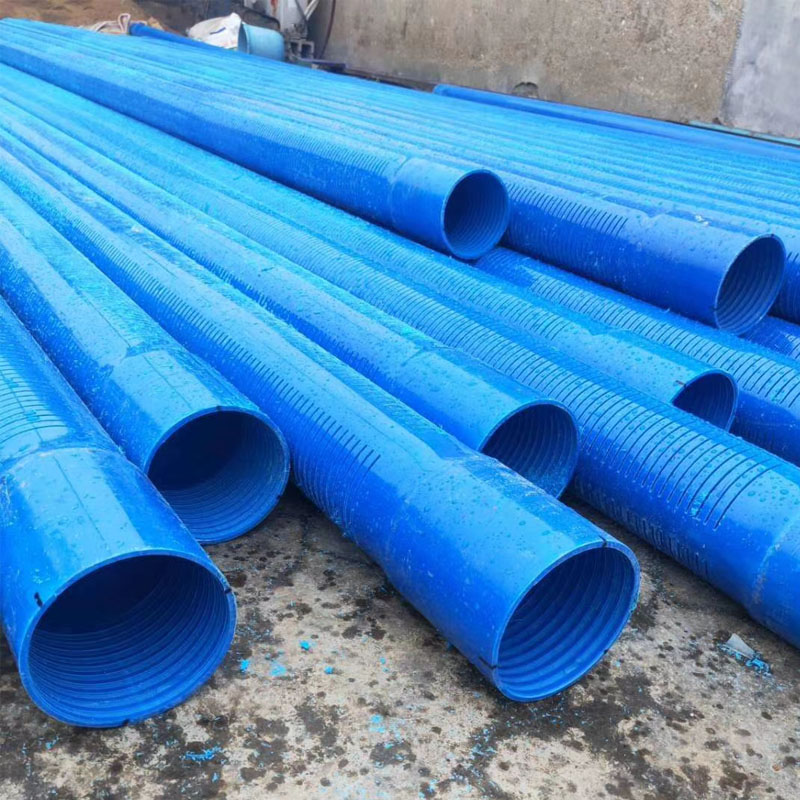
High-Density Polyethylene (HDPE) pipe, specifically the ‘discount’ or cost-optimized varieties, represents a significant segment within the broader polyethylene piping industry. These pipes are utilized extensively in diverse applications including water distribution, gas transportation, sewage and drainage systems, industrial mining, and agricultural irrigation. The ‘discount’ designation typically refers to HDPE pipes manufactured using reclaimed or off-spec resin, thinner wall thicknesses within acceptable pressure ratings, or streamlined production processes. While maintaining core functional characteristics, these pipes are positioned as a more economical solution, primarily competing on price sensitivity within bulk infrastructure projects. Their technical position within the industry chain is downstream of petrochemical feedstock production (ethylene), followed by polymerization into HDPE resin. Core performance characteristics revolve around chemical inertness, high flow capacity due to smooth internal surfaces, flexibility allowing for trenchless installation, and robust long-term durability, albeit potentially with reduced lifespan compared to premium, virgin-resin HDPE pipes.
Material Science & Manufacturing
The primary raw material for HDPE pipe is, naturally, High-Density Polyethylene resin. 'Discount' HDPE often utilizes polyethylene grades derived from post-consumer or post-industrial recycled sources, or utilizes grades with slightly lower molecular weight distributions. This impacts mechanical properties like tensile strength and environmental stress crack resistance (ESCR). Virgin HDPE resins typically possess a molecular weight range of 500,000 to 800,000 g/mol, while recycled grades may exhibit a narrower range or lower average molecular weight. Key physical properties include a density ranging from 0.93 to 0.97 g/cm³, a melting point between 120-135°C, and a glass transition temperature around -120°C. Manufacturing predominantly employs extrusion processes. Raw HDPE pellets are fed into an extruder where they are heated, melted, and forced through a die to form a continuous pipe profile. The extrusion process dictates wall thickness uniformity and dimensional accuracy. Critical parameters during extrusion include barrel temperature profile (typically segmented zones between 180-240°C), screw speed, die pressure, and cooling rate. For 'discount' pipes, maintaining consistent wall thickness is a key challenge, and tighter controls on these parameters are often relaxed to achieve cost savings. Joining methods include butt fusion, socket fusion, and electrofusion, with butt fusion being the most common for larger diameter pipes. The quality of the fusion weld is paramount and depends on factors like surface cleanliness, temperature control, and pressure applied.
Performance & Engineering
Performance of HDPE pipe is directly related to its pressure rating, which is determined by the pipe's dimensions (diameter and wall thickness) and the Material Design Basis (MDB) – a hydrostatic stress level specified in standards. 'Discount' HDPE pipes often operate at lower MDBs to compensate for potential reductions in material properties. Force analysis during operation involves consideration of internal hydrostatic pressure, external soil loads, and dynamic loads from traffic or ground movement. The pipe's flexibility allows it to accommodate ground settlement and thermal expansion/contraction without failure. Environmental resistance is a key factor. HDPE exhibits excellent resistance to most chemicals, but is susceptible to degradation from ultraviolet (UV) radiation and long-term exposure to oxidizing agents. 'Discount' pipes utilizing recycled material may exhibit reduced UV resistance and accelerated oxidation rates. Compliance requirements are governed by standards such as ASTM D3350 (polyethylene pipes for buried or submerged use), and local plumbing codes. For gas transportation, additional standards related to gas tightness and permeation may apply. The long-term creep resistance of HDPE is crucial for maintaining pressure containment over the pipe’s service life. This is particularly important for ‘discount’ versions where material properties may be less robust.
Technical Specifications
| Parameter | Standard HDPE Pipe (Virgin Resin) | Discount HDPE Pipe (Recycled/Off-Spec) | Units |
|---|---|---|---|
| Material Density | 0.955 – 0.965 | 0.930 – 0.950 | g/cm³ |
| Hydrostatic Design Basis (HDB) | 16.0 MPa | 12.5 - 14.0 MPa | MPa |
| Tensile Strength at Yield | >28 MPa | 20 – 25 MPa | MPa |
| Environmental Stress Crack Resistance (ESCR) | >1000 hours | 500 – 800 hours | hours |
| UV Resistance (ASTM D4451) | >5000 hours | 2000 – 4000 hours | hours |
| Pipe Roughness Coefficient | 0.007 | 0.008 – 0.009 | - |
Failure Mode & Maintenance
Common failure modes in HDPE pipes, particularly 'discount' versions, include slow crack growth (SCG) due to environmental stress cracking, particularly in areas of stress concentration (e.g., around fittings or indentations). Fatigue cracking can occur under cyclic loading, such as from traffic vibrations. Oxidation, accelerated by UV exposure and elevated temperatures, leads to embrittlement and loss of impact resistance. For recycled-content pipes, potential contamination during the recycling process can introduce weak points within the material. Joint failures are also frequent, often due to inadequate fusion parameters during installation. Maintenance typically involves periodic visual inspections for cracks, leaks, or deformation. Leak detection surveys using acoustic methods are valuable. For minor cracks, repair sleeves can be used. Significant damage requires excavation and replacement of the affected pipe section. To mitigate failures, proper installation practices are critical, including adequate bedding support, protection from UV exposure (e.g., burial depth or UV-stabilized coatings), and avoidance of sharp bends or excessive stress concentrations. Regularly scheduled pressure testing can identify potential leaks before they escalate into major failures.
Industry FAQ
Q: What is the primary trade-off when selecting a ‘discount’ HDPE pipe versus a virgin-resin alternative?
A: The primary trade-off revolves around long-term durability and potentially reduced service life. While 'discount' pipes offer immediate cost savings, they often exhibit lower tensile strength, reduced ESCR, and diminished UV resistance. This translates to a higher probability of failure over the long term, particularly in demanding applications or harsh environments. A comprehensive life-cycle cost analysis should be performed, factoring in potential repair or replacement costs.
Q: How does the use of recycled HDPE affect the fusion welding process?
A: Recycled HDPE can exhibit greater variability in material properties, which can impact fusion welding consistency. Careful control of fusion parameters (temperature, pressure, and dwell time) is crucial. It's also important to ensure the recycled material is thoroughly cleaned to remove any contaminants that could compromise weld integrity. Increased weld inspection frequency is recommended.
Q: What is the acceptable percentage of recycled content in ‘discount’ HDPE pipe without significantly impacting performance?
A: There isn't a single universally acceptable percentage. It depends heavily on the source and quality of the recycled material. Generally, up to 20-30% recycled content can be incorporated without a drastic performance reduction, provided the material is properly processed and tested. Higher percentages require rigorous quality control and potentially lower HDB ratings.
Q: What are the key considerations for installing ‘discount’ HDPE pipe in a corrosive soil environment?
A: While HDPE itself is chemically inert, the potential for stress cracking is exacerbated in corrosive environments. Ensure adequate bedding material is used to provide support and prevent stress concentration. Consider utilizing a protective sleeve or coating in areas prone to high corrosion rates. Soil resistivity measurements should be taken to assess the corrosivity level.
Q: How do I verify the quality of a ‘discount’ HDPE pipe before installation?
A: Request a Certificate of Compliance from the manufacturer, detailing the material specifications and test results (e.g., hydrostatic pressure testing, ESCR testing). Visually inspect the pipe for any defects or inconsistencies in wall thickness. Conduct dimensional measurements to ensure compliance with relevant standards. Consider independent laboratory testing for critical applications.
Conclusion
‘Discount’ HDPE pipe offers a compelling economic alternative for applications where absolute long-term durability is not paramount. However, it is essential to understand the inherent trade-offs associated with utilizing recycled or off-spec materials. A thorough evaluation of material properties, manufacturing processes, and installation practices is crucial to ensure adequate performance and minimize the risk of premature failure. Selecting the appropriate HDB and implementing robust quality control measures are key considerations.
Moving forward, advancements in recycling technology and the development of improved additives will likely enhance the performance characteristics of recycled HDPE, narrowing the gap between ‘discount’ and virgin-resin pipes. Continued research into long-term creep behavior and environmental stress cracking mechanisms will be vital for optimizing the design and application of these cost-effective piping solutions.
-
DN25 HDPE Compression Fitting-HORON INTERNATIONAL|Reliable Irrigation Solutions
NewsFeb.11,2026
-
hdpe coupling joint product Manufacturing Analysis
News2026-11-18
-
ppr pipe heating time products Performance Analysis
News2026-11-16
-
hdpe pipe sizes factory Performance Analysis
News2026-11-09
-
HDPE Pipe Sizes Service Performance Analysis
News2026-10-26
-
wholesale 15mm ppr pipe Material Science and Performance Analysis
News2026-10-20
-
wholesale pvc pipe price per foot Technical Analysis
News2026-09-21
-
wholesale long pvc pipe Technical Analysis and Manufacturing Specifications
News2026-09-15
-
wholesale plumbing kitchen sink water lines Material Performance
News2026-09-15
-
wholesale hdpe drip irrigation Material Science
News2026-09-15
-
wholesale hot water ppr pipe Performance Analysis
News2026-09-15
-
wholesale ppr plumbing Performance Analysis
News2026-09-15
-
wholesale ppr pipe supplier Performance Analysis
News2026-09-13
-
wholesale 50mm ppr pipe Performance Analysis
News2026-09-13
-
wholesale hdpe drip pipe Performance Analysis
News2026-09-13
-
wholesale hdpe pipe 63mm price Manufacturing Specification and Performance Analysis
News2026-09-13