

Feb . 11, 2026 00:01 Back to list
discount submersible pump column pipe Performance Analysis
Introduction
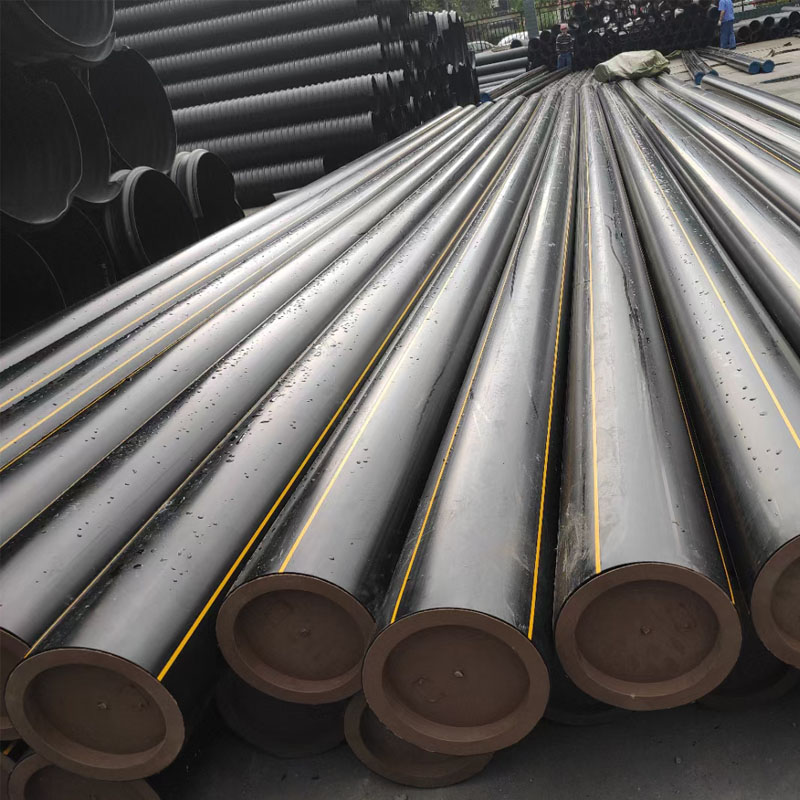
Submersible pump column pipe is a critical component in deep well pumping systems, acting as the conduit for transmitting hydraulic power from the pump to the surface. Typically manufactured from steel or engineered polymers, it provides structural support for the pump assembly while facilitating the flow of produced fluids. Its technical position within the industry chain falls between the submersible pump itself and the well casing, forming a key element of artificial lift systems widely employed in water supply, dewatering, and oil & gas production. Core performance characteristics include tensile strength to withstand substantial column weight and fluid pressure, corrosion resistance to endure harsh downhole environments, and hydraulic efficiency to minimize frictional losses. A primary industry pain point is premature failure due to corrosion, particularly in aggressive water chemistries, leading to costly workovers and production downtime. The selection of appropriate material and protective coatings is, therefore, paramount for long-term reliability.
Material Science & Manufacturing
The predominant material for submersible pump column pipe is carbon steel, specifically grades like AISI 1018 and AISI 1020, chosen for their weldability and machinability. Higher strength alloys, such as those incorporating chromium and molybdenum, are used in applications demanding increased tensile strength and corrosion resistance. Polymer-based column pipe, often utilizing materials like Polyetheretherketone (PEEK) or reinforced nylon, are employed in specific applications where weight reduction or electrical isolation is essential. Manufacturing processes vary based on material. Steel pipe is typically produced via seamless extrusion or longitudinal seam welding followed by heat treatment to achieve desired mechanical properties. Welded seams undergo rigorous non-destructive testing (NDT), including ultrasonic testing and radiographic inspection, to ensure integrity. Polymer pipe is manufactured through injection molding or extrusion. Key parameter control during manufacturing includes wall thickness consistency, dimensional accuracy to ensure proper fit within the pump and well casing, and surface finish to minimize friction losses. Corrosion resistance is often enhanced through internal and external coatings, such as epoxy resins or polyethylene, applied via spraying or powder coating techniques. The adhesion and uniformity of these coatings are critical to performance.

Performance & Engineering
The performance of submersible pump column pipe is fundamentally governed by principles of mechanics and fluid dynamics. Force analysis considers tensile stress from the weight of the pump, fluid column, and pipe itself, coupled with compressive stress from hydrostatic pressure. Buckling analysis is crucial for long column strings, dictating the need for intermediate stabilizers to prevent deviation. Hydraulic performance is evaluated by assessing frictional losses along the pipe length. These losses are dependent on fluid viscosity, flow rate, pipe diameter, and internal surface roughness. Engineering considerations extend to fatigue analysis, accounting for cyclic loading from pump pulsations and wellbore vibrations. Environmental resistance is a key concern; materials must withstand exposure to corrosive fluids (e.g., saltwater, acidic gases) and high temperatures. Compliance requirements dictate adherence to API 5CT standards for casing and tubing, often extended to column pipe specifications. Specific implementations involve calculating appropriate pipe diameter to minimize energy consumption, selecting suitable coatings to prevent corrosion, and designing stabilization systems to maintain wellbore alignment. The differential pressure across the column pipe must be accounted for in system design to avoid exceeding material strength limits.
Technical Specifications
| Material Grade | Outer Diameter (inches) | Wall Thickness (inches) | Maximum Working Pressure (psi) |
|---|---|---|---|
| AISI 1018 Carbon Steel | 2.375 | 0.218 | 5,000 |
| AISI 1020 Carbon Steel | 2.875 | 0.250 | 6,500 |
| AISI 4140 Alloy Steel | 3.500 | 0.280 | 8,000 |
| PEEK Polymer | 2.000 | 0.125 | 2,000 |
| Reinforced Nylon | 2.500 | 0.150 | 3,000 |
| Epoxy Coated Carbon Steel (AISI 1018) | 2.375 | 0.218 | 5,000 (with enhanced corrosion resistance) |
Failure Mode & Maintenance
Common failure modes in submersible pump column pipe include corrosion-induced pitting and cracking, particularly in environments containing chlorides or hydrogen sulfide. Fatigue cracking can occur due to cyclic loading from pump operation and wellbore movement. Thread failures can arise from improper installation or exceeding torque specifications. Delamination of protective coatings compromises corrosion resistance. Oxidation at elevated temperatures accelerates material degradation. Failure analysis often involves metallurgical examination of fractured surfaces to identify the root cause. Maintenance strategies include regular visual inspection for signs of corrosion or damage. Non-destructive testing (NDT) methods, such as ultrasonic thickness testing, can assess wall thickness and detect internal corrosion. Periodic replacement of column pipe sections is essential in aggressive environments. Proper lubrication of threaded connections during installation prevents galling and ensures reliable sealing. Implementation of cathodic protection systems can mitigate corrosion in specific applications. Monitoring fluid chemistry and adjusting treatment programs to minimize corrosivity extends pipe lifespan. Regular torque checks on connections are also vital.
Industry FAQ
Q: What is the typical lifespan of a carbon steel column pipe in a saltwater environment?
A: In a highly corrosive saltwater environment, a carbon steel column pipe without adequate corrosion protection typically has a lifespan of 3-5 years. However, with appropriate epoxy coating and cathodic protection, this can be extended to 10-15 years, although regular monitoring is still crucial.
Q: How does the selection of column pipe material impact pump efficiency?
A: The internal surface roughness of the column pipe significantly impacts pump efficiency. Smoother surfaces reduce frictional losses, resulting in higher hydraulic efficiency. Polymer pipes generally offer lower friction coefficients than steel, but may have limitations in terms of strength and temperature resistance.
Q: What are the key considerations when selecting a coating for column pipe?
A: Key considerations include the chemical composition of the produced fluid, operating temperature, and abrasion resistance. Epoxy coatings are common for general corrosion protection, while specialized coatings like polyurethane or fluoropolymers are used in more aggressive environments. Coating adhesion and thickness are also critical factors.
Q: How can buckling of the column pipe be prevented in deep wells?
A: Buckling can be prevented by using intermediate stabilizers strategically placed along the column string. The spacing of stabilizers depends on pipe diameter, wall thickness, and wellbore deviation. Proper centralization of the column within the wellbore is also essential.
Q: What is the role of non-destructive testing (NDT) in maintaining column pipe integrity?
A: NDT methods, such as ultrasonic thickness testing and magnetic particle inspection, are used to detect flaws, corrosion, and wall thinning without damaging the pipe. Regular NDT inspections help identify potential failure points and allow for timely repairs or replacements, preventing catastrophic failures.
Conclusion
Submersible pump column pipe represents a vital, yet often underestimated, component in artificial lift systems. Its performance and longevity are directly linked to meticulous material selection, precise manufacturing control, and diligent maintenance practices. Addressing industry pain points – notably corrosion and fatigue – necessitates a comprehensive approach encompassing advanced coatings, appropriate alloy selection, and robust inspection protocols.
Future trends point towards the development of novel polymer materials with enhanced strength and temperature resistance, as well as the increasing adoption of smart monitoring technologies that provide real-time data on pipe condition and performance. These advancements will contribute to improved system reliability, reduced operating costs, and enhanced overall efficiency in submersible pumping applications.
-
DN25 HDPE Compression Fitting-HORON INTERNATIONAL|Reliable Irrigation Solutions
NewsFeb.11,2026
-
hdpe coupling joint product Manufacturing Analysis
News2026-11-18
-
ppr pipe heating time products Performance Analysis
News2026-11-16
-
hdpe pipe sizes factory Performance Analysis
News2026-11-09
-
HDPE Pipe Sizes Service Performance Analysis
News2026-10-26
-
wholesale 15mm ppr pipe Material Science and Performance Analysis
News2026-10-20
-
wholesale pvc pipe price per foot Technical Analysis
News2026-09-21
-
wholesale long pvc pipe Technical Analysis and Manufacturing Specifications
News2026-09-15
-
wholesale plumbing kitchen sink water lines Material Performance
News2026-09-15
-
wholesale hdpe drip irrigation Material Science
News2026-09-15
-
wholesale hot water ppr pipe Performance Analysis
News2026-09-15
-
wholesale ppr plumbing Performance Analysis
News2026-09-15
-
wholesale ppr pipe supplier Performance Analysis
News2026-09-13
-
wholesale 50mm ppr pipe Performance Analysis
News2026-09-13
-
wholesale hdpe drip pipe Performance Analysis
News2026-09-13
-
wholesale hdpe pipe 63mm price Manufacturing Specification and Performance Analysis
News2026-09-13