

Feb . 11, 2026 00:01 Back to list
discount sprinkler pvc pipe Performance Analysis

Introduction
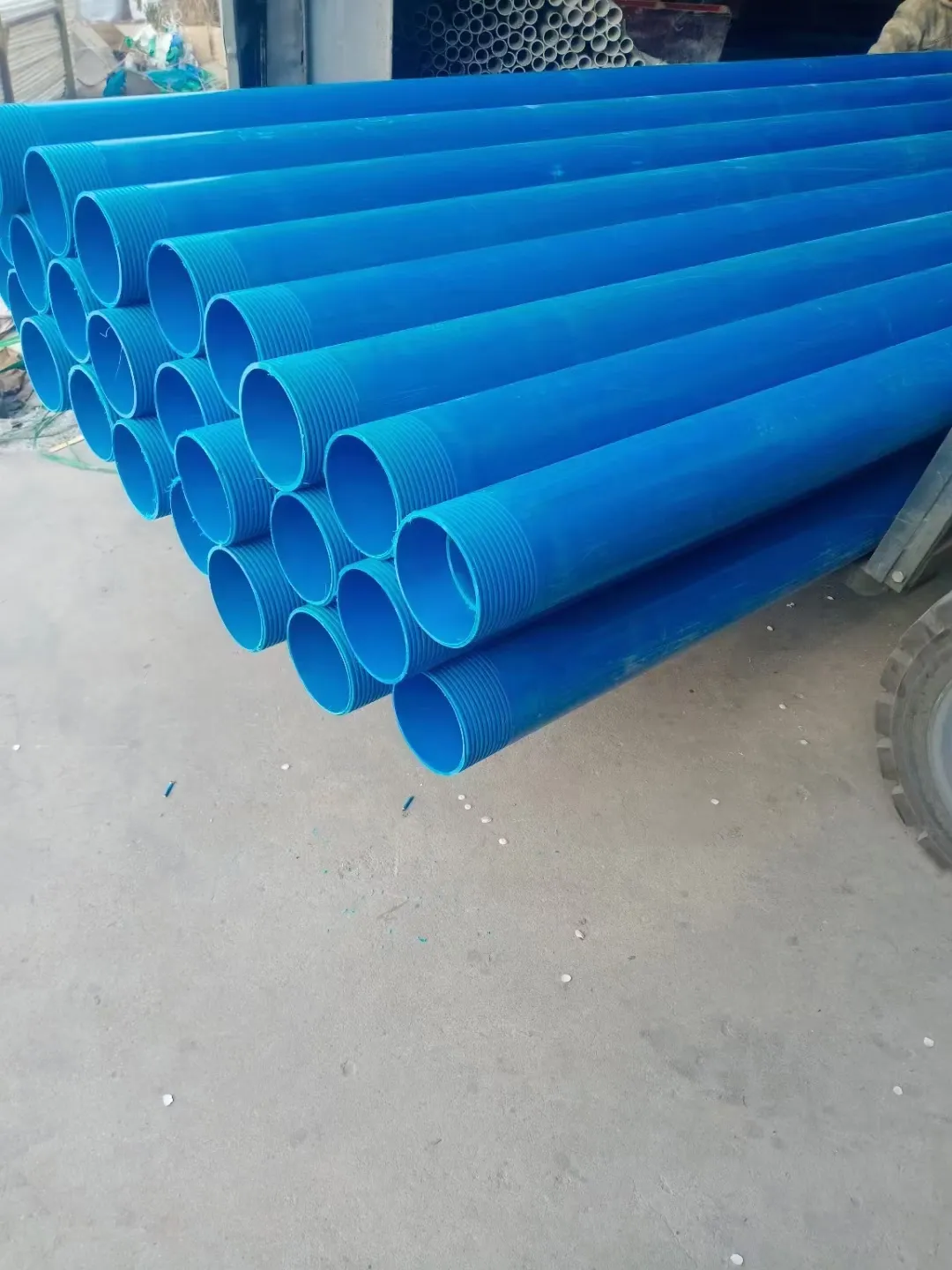
Discount Sprinkler PVC pipe represents a cost-effective solution for underground irrigation systems, typically employed in residential and agricultural applications. Technically, it’s positioned as a pressure-rated, non-metallic conduit designed to transport water to sprinkler heads. While often marketed as a budget alternative, understanding the material science, manufacturing tolerances, and performance characteristics is critical to ensuring long-term system reliability. Its core performance attributes revolve around pressure containment, flow rate capacity, UV resistance (dependent on formulation), and resistance to chemical degradation from common soil constituents and water treatments. The market distinguishes between Schedule 40 and Schedule 80 PVC pipe, impacting wall thickness and pressure bearing capacity. This guide provides a detailed technical overview of discount sprinkler PVC pipe, moving beyond basic specifications to address critical considerations for professional installation and lifecycle management.
Material Science & Manufacturing
The primary material for discount sprinkler PVC pipe is Polyvinyl Chloride (PVC), a thermoplastic polymer composed of carbon, hydrogen, and chlorine. The specific formulation of PVC impacts its mechanical properties, notably its tensile strength, impact resistance, and flexibility. Discount PVC typically utilizes a standard PVC resin, often with plasticizers added to enhance flexibility and processability. These plasticizers, typically phthalates or adipates, can influence long-term durability and susceptibility to environmental stress cracking. Manufacturing predominantly employs extrusion processes. PVC resin, along with stabilizers (to prevent degradation during processing), lubricants (to facilitate extrusion), and pigment (for color), is fed into an extruder. The extruder melts and mixes the materials, forcing them through a die to create the desired pipe diameter and wall thickness. Key process parameters include extrusion temperature (typically 180-220°C), die pressure, and cooling rate. Inconsistent cooling can induce residual stresses within the pipe wall, potentially leading to premature failure. Quality control during manufacturing involves dimensional checks (diameter, wall thickness), hydrostatic pressure testing (to verify pressure rating), and impact resistance testing. Jointing methods commonly include solvent cementing, employing PVC primers and cement to create a chemical weld between pipe sections. Proper solvent cementing technique, including surface preparation and dwell time, is crucial for achieving a leak-proof and structurally sound joint. The impact of recycled PVC content on pipe performance is also a critical consideration, impacting material consistency and mechanical strength.
Performance & Engineering
The performance of discount sprinkler PVC pipe is fundamentally governed by its ability to withstand hydrostatic pressure and maintain structural integrity under varying environmental conditions. Force analysis involves considering the internal water pressure, soil load (if buried), and external forces from traffic or equipment. The hoop stress within the pipe wall, determined by the Barlow’s formula (σ = PD/2t, where P is pressure, D is diameter, and t is wall thickness), dictates the pipe’s resistance to bursting. Environmental resistance is a major concern. Long-term exposure to UV radiation can cause embrittlement and cracking, particularly in PVC formulations lacking adequate UV stabilizers. Soil chemistry can also impact performance. Acidic or alkaline soils can accelerate degradation, while certain salts can promote stress corrosion cracking. Compliance requirements typically fall under local plumbing codes and standards related to water distribution systems. The pipe must meet minimum pressure ratings and demonstrate resistance to leaching of harmful chemicals into the water supply. Functional implementation requires careful consideration of pipe layout, support spacing, and joint design. Excessive bending radius can induce stress concentrations, increasing the risk of failure. Proper bedding and backfill materials are essential to provide uniform support and protect the pipe from damage. Thermal expansion and contraction of the PVC material, due to temperature fluctuations, must be accommodated through expansion joints or flexible couplings to prevent stress build-up.
Technical Specifications
| Parameter | Schedule 40 (in) | Schedule 80 (in) | Typical Working Pressure (psi) |
|---|---|---|---|
| Nominal Pipe Size (NPS) | 0.5, 0.75, 1, 1.25, 1.5, 2 | 0.5, 0.75, 1, 1.25, 1.5, 2 | 200 |
| Outside Diameter (OD) | 0.625, 0.840, 1.050, 1.280, 1.500, 2.067 | 0.625, 0.840, 1.050, 1.280, 1.500, 2.067 | 300 |
| Wall Thickness (min) | 0.065, 0.095, 0.115, 0.135, 0.155, 0.187 | 0.083, 0.115, 0.138, 0.168, 0.200, 0.250 | Variable (dependent on diameter and schedule) |
| Burst Pressure (psi) | 400-600 | 600-900 | N/A |
| Tensile Strength (psi) | 6,000-7,000 | 6,500-7,500 | N/A |
| Impact Strength (ft-lb) | 8-12 | 10-15 | N/A |
Failure Mode & Maintenance
Discount sprinkler PVC pipe is susceptible to several failure modes. Fatigue cracking can occur due to repeated pressure cycling, especially in areas around fittings or joints. Delamination can arise from poor solvent cementing techniques or the presence of contaminants during jointing. Environmental degradation, as previously discussed, leads to embrittlement and cracking from UV exposure and soil chemistry. Oxidation, while slow, can gradually reduce the pipe's wall thickness and mechanical strength. A common failure is ‘crazing’, small micro-cracks on the surface often caused by stress corrosion cracking induced by certain chemicals in the water or soil. Maintenance primarily involves visual inspection for cracks, leaks, or signs of degradation. Regular pressure testing can identify hidden leaks before they become major problems. Proper backfilling practices are crucial to prevent physical damage. If cracks are detected, sections of pipe should be replaced using appropriate solvent cementing techniques. Avoid using abrasive cleaning methods, as they can weaken the pipe wall. For systems in areas with high UV exposure, consider protective sleeves or coatings to mitigate degradation. Annual inspections of exposed pipe sections are recommended to identify and address potential issues early on. Preventing freezing is essential; water expansion within frozen pipes can cause catastrophic failures. Insulation or drainage may be necessary in colder climates.
Industry FAQ
Q: What is the primary difference between Schedule 40 and Schedule 80 PVC pipe in terms of suitability for sprinkler systems?
A: Schedule 80 pipe has a thicker wall than Schedule 40, providing a higher pressure rating and greater resistance to impact and crushing forces. While Schedule 40 is sufficient for most residential sprinkler systems, Schedule 80 is recommended for higher-pressure systems, areas with heavy foot traffic, or locations prone to accidental impact. The increased cost of Schedule 80 is often justified by the enhanced durability and longevity.
Q: How does the quality of the solvent cement affect the longevity of a PVC sprinkler system?
A: The solvent cement creates a chemical weld between PVC components. Using a low-quality or incompatible solvent cement can result in weak joints prone to leaks and failure. It’s critical to use a solvent cement specifically formulated for PVC and to follow the manufacturer's instructions regarding surface preparation, application technique, and curing time. Proper priming is also essential to soften the PVC surface and ensure adequate bonding.
Q: What steps can be taken to mitigate UV degradation of PVC pipe?
A: PVC is susceptible to UV degradation, leading to embrittlement and cracking. Options include using PVC pipe formulated with UV stabilizers, painting the exposed pipe with a UV-resistant coating, or burying the pipe deeper to shield it from sunlight. Protective sleeves or wraps can also be used to provide localized UV protection.
Q: Are there specific soil conditions that can accelerate the degradation of PVC sprinkler pipe?
A: Highly acidic or alkaline soils can accelerate the degradation of PVC. Similarly, soils with high salt concentrations can promote stress corrosion cracking. It's important to consider the soil chemistry when selecting pipe materials and to provide adequate bedding and backfill materials to isolate the pipe from corrosive soil conditions. Geo-textile fabrics can also offer a protective barrier.
Q: How important is proper pipe bedding and backfill for preventing failures?
A: Proper bedding and backfill are crucial. Inadequate support can lead to stress concentrations and potential cracking. Sharp rocks or debris in the backfill can physically damage the pipe. Bedding materials should be uniformly compacted and provide full support along the pipe’s entire length. Backfill material should be free of sharp objects and properly compacted in layers to prevent settling and differential movement.
Conclusion
Discount sprinkler PVC pipe offers a cost-effective solution for irrigation, but its long-term performance is heavily reliant on proper material selection, meticulous installation practices, and proactive maintenance. Understanding the material science behind PVC, specifically its susceptibility to UV degradation, chemical attack, and mechanical stress, is paramount. Adhering to industry standards for solvent cementing, bedding, and backfilling is critical to ensuring a robust and reliable system.
Future developments may focus on enhancing PVC formulations with improved UV stabilizers and impact modifiers, as well as exploring alternative, bio-based polymers with comparable performance characteristics. Careful consideration of lifecycle costs, including potential repair and replacement expenses, should inform the initial material selection process. Regular inspections and preventative maintenance remain the most effective strategies for maximizing the lifespan and minimizing the risk of failure in discount sprinkler PVC pipe systems.
-
DN25 HDPE Compression Fitting-HORON INTERNATIONAL|Reliable Irrigation Solutions
NewsFeb.11,2026
-
hdpe coupling joint product Manufacturing Analysis
News2026-11-18
-
ppr pipe heating time products Performance Analysis
News2026-11-16
-
hdpe pipe sizes factory Performance Analysis
News2026-11-09
-
HDPE Pipe Sizes Service Performance Analysis
News2026-10-26
-
wholesale 15mm ppr pipe Material Science and Performance Analysis
News2026-10-20
-
wholesale pvc pipe price per foot Technical Analysis
News2026-09-21
-
wholesale long pvc pipe Technical Analysis and Manufacturing Specifications
News2026-09-15
-
wholesale plumbing kitchen sink water lines Material Performance
News2026-09-15
-
wholesale hdpe drip irrigation Material Science
News2026-09-15
-
wholesale hot water ppr pipe Performance Analysis
News2026-09-15
-
wholesale ppr plumbing Performance Analysis
News2026-09-15
-
wholesale ppr pipe supplier Performance Analysis
News2026-09-13
-
wholesale 50mm ppr pipe Performance Analysis
News2026-09-13
-
wholesale hdpe drip pipe Performance Analysis
News2026-09-13
-
wholesale hdpe pipe 63mm price Manufacturing Specification and Performance Analysis
News2026-09-13