

Feb . 11, 2026 00:01 Back to list
discount pvc tube supplier Material Properties Analysis
Introduction
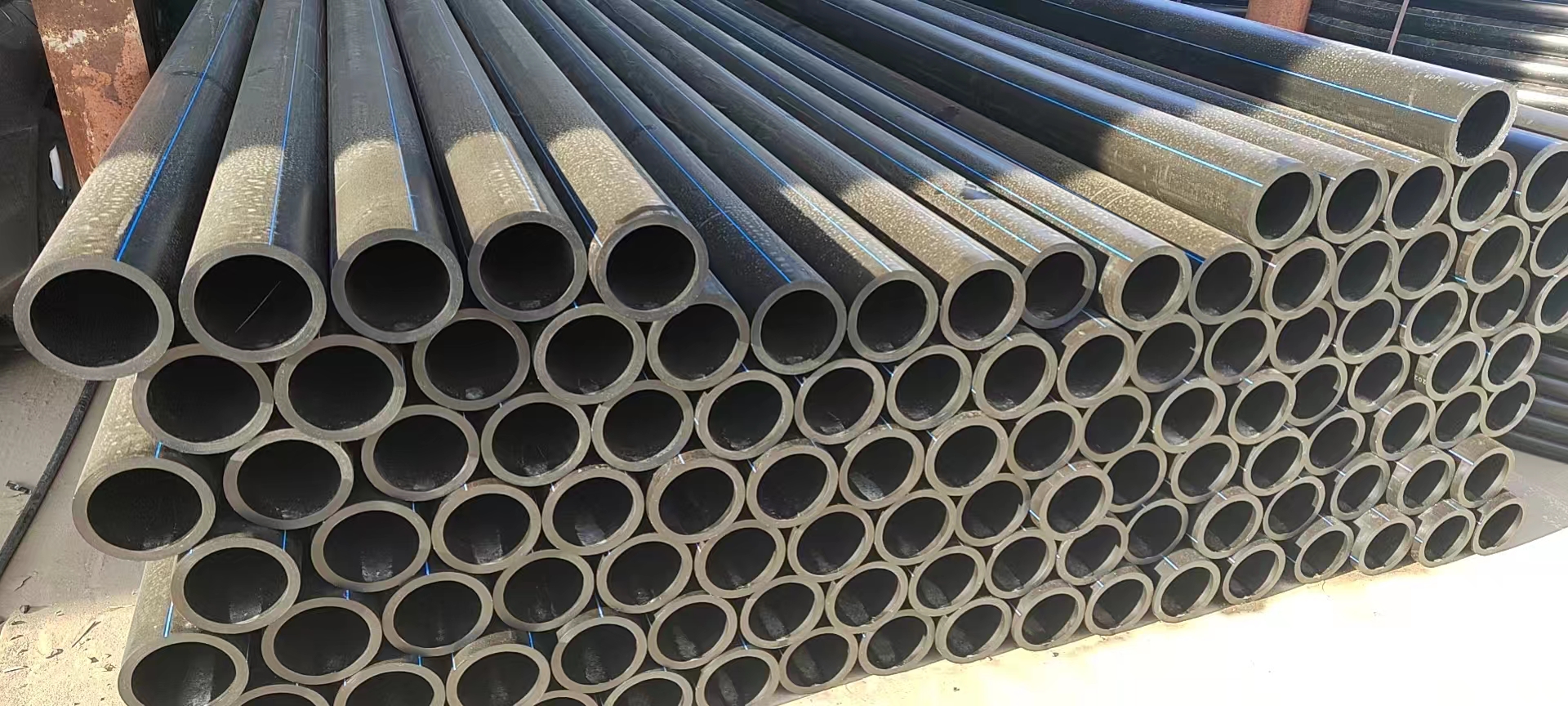
Polyvinyl chloride (PVC) tubing represents a foundational component across a vast spectrum of industrial applications, ranging from fluid transfer and irrigation to structural support and electrical conduit. This technical guide focuses on the critical aspects of PVC tubing sourced from discount PVC tube suppliers, analyzing its material properties, manufacturing processes, performance characteristics, potential failure modes, and relevant industry standards. The increasing demand for cost-effective solutions without compromising performance necessitates a thorough understanding of PVC tubing specifications and quality control measures. A core pain point within procurement is balancing cost reductions with ensuring materials meet stringent operational and safety requirements, particularly concerning long-term durability and resistance to specific chemical environments. This guide aims to provide engineers and procurement specialists with the knowledge required to make informed decisions when sourcing PVC tubing from discount suppliers, mitigating risks and optimizing performance.
Material Science & Manufacturing
PVC is a thermoplastic polymer composed of vinyl chloride monomers. Its inherent properties – rigidity, chemical resistance, and relatively low cost – contribute to its widespread adoption. The primary raw material, vinyl chloride monomer (VCM), is derived from ethylene and chlorine. The polymerization process, typically suspension or emulsion polymerization, produces PVC resin. Additives such as plasticizers (e.g., phthalates, adipates), stabilizers (e.g., lead-based, calcium-zinc-based), lubricants, and impact modifiers are incorporated to tailor the material's properties to specific applications. For tubing, the choice of plasticizer significantly impacts flexibility and temperature resistance.
Manufacturing PVC tubing typically involves extrusion. PVC resin, blended with additives, is fed into an extruder, where it is heated and melted. The molten PVC is then forced through a die that shapes it into a tube. Cooling is achieved via water baths, followed by sizing and cutting to the desired length. Key parameters requiring precise control during extrusion include: screw speed, barrel temperature profile (to ensure complete fusion without degradation), die temperature, and haul-off speed (to maintain dimensional accuracy). Wall thickness uniformity is critical, and is often monitored using non-destructive testing methods like ultrasonic thickness gauging. Quality control includes testing for resin viscosity, additive concentration, and tensile strength of the finished product. Discount suppliers may utilize lower-grade additives or less sophisticated process control, potentially impacting performance. Proper assessment of material certifications is therefore paramount.

Performance & Engineering
The performance of PVC tubing is dictated by its mechanical and chemical properties. Tensile strength, yield strength, and elongation at break determine its ability to withstand stress. Impact resistance, particularly important in applications subject to potential shocks, is enhanced by impact modifiers. Chemical resistance is crucial; PVC exhibits excellent resistance to acids, bases, and many solvents, but is susceptible to degradation by ketones, esters, and aromatic hydrocarbons. Long-term hydrostatic pressure resistance is vital for fluid transfer applications; this is influenced by wall thickness, material grade, and operating temperature. Creep resistance – the tendency to deform under sustained load – is also a critical consideration.
Engineering design involving PVC tubing requires careful consideration of temperature effects. PVC becomes brittle at low temperatures and can soften and lose strength at elevated temperatures. Thermal expansion and contraction must be accounted for in system design to prevent stress buildup. Joint design is also critical; solvent welding is a common method for joining PVC tubing, creating a homogenous weld. However, proper surface preparation and solvent application are essential to ensure a strong, leak-proof joint. Threaded connections, while less common, require careful torque control to avoid cracking the tubing. Failure to adequately address these engineering considerations can lead to premature failure, leaks, and potential safety hazards.
Technical Specifications
| Parameter | Schedule 40 PVC | Schedule 80 PVC | CPVC (Chlorinated PVC) | ASTM D1785 Specification |
|---|---|---|---|---|
| Material | Polyvinyl Chloride (PVC) | Polyvinyl Chloride (PVC) | Chlorinated Polyvinyl Chloride (CPVC) | PVC compounds meeting ASTM D1785 standards |
| Pressure Rating (psi at 73°F) | 400 psi | 600 psi | 300-450 psi (dependent on temp) | Varies based on schedule and size |
| Temperature Range (°F) | -40 to 140 | -40 to 140 | -40 to 180 | Specific to compound |
| Tensile Strength (psi) | 6,000 - 8,000 | 6,500 - 8,500 | 7,000 - 9,000 | Minimum 6,000 psi |
| Impact Strength (ft-lb) | 0.5 - 1.0 | 0.7 - 1.2 | 1.0 - 1.5 | Varies by compound |
| Chemical Resistance | Good to most acids & bases | Good to most acids & bases | Excellent to many chemicals, better high temp resistance | Refer to chemical resistance charts |
Failure Mode & Maintenance
PVC tubing, while durable, is susceptible to several failure modes. Embrittlement, often caused by UV exposure, leads to cracking and reduced impact resistance. Chemical attack by incompatible solvents can cause swelling, softening, and eventual failure. Hydrostatic fatigue, resulting from repeated pressure cycles, can lead to crack propagation and leaks. Stress cracking occurs when sustained tensile stress combines with chemical exposure. Joint failures frequently arise from improper solvent welding or over-tightening of threaded connections. Thermal deformation can occur at high temperatures, leading to dimensional changes and potential leaks.
Preventative maintenance includes regular visual inspection for cracks, discoloration, or swelling. Protecting tubing from direct sunlight with UV-resistant coatings or shielding is crucial. Avoiding exposure to incompatible chemicals is essential. Routine pressure testing can identify leaks before they become critical. For joint failures, proper re-welding techniques or replacement of fittings are required. In cases of severe degradation, complete tubing replacement is recommended. Implementing a preventative maintenance schedule and documenting inspection findings are vital for extending the service life of PVC tubing systems.
Industry FAQ
Q: What are the key differences between Schedule 40 and Schedule 80 PVC tubing, and when would I choose one over the other?
A: Schedule 40 and Schedule 80 refer to the wall thickness of the tubing. Schedule 80 has a thicker wall, providing higher pressure-bearing capacity and greater resistance to impact. Schedule 40 is generally preferred for lower-pressure applications like irrigation and drainage, where cost is a primary concern. Schedule 80 is essential for applications involving higher pressures, hazardous fluids, or where increased structural integrity is required, such as industrial piping systems or chemical processing.
Q: How does temperature affect the performance of PVC tubing, and what are the limitations?
A: PVC becomes more rigid and brittle at lower temperatures, increasing its susceptibility to cracking. Conversely, at elevated temperatures, PVC softens and loses strength, reducing its pressure-bearing capacity. The typical operating temperature range for standard PVC is -40°F to 140°F. Exceeding these limits can significantly compromise the tubing's performance and lifespan. For higher-temperature applications, CPVC is a better choice.
Q: What type of chemicals are incompatible with PVC, and what precautions should be taken?
A: PVC is vulnerable to attack by ketones, esters, aromatic hydrocarbons, and chlorinated solvents. Exposure to these chemicals can cause swelling, softening, and eventual failure. Always consult a chemical resistance chart to verify compatibility before using PVC tubing in a specific application. If incompatibility is unavoidable, consider using alternative materials like CPVC, polyethylene, or stainless steel.
Q: What are the best practices for solvent welding PVC tubing to ensure a leak-proof joint?
A: Proper surface preparation is critical. Clean and dry the mating surfaces thoroughly using a PVC primer. Apply a uniform coat of PVC cement and immediately insert the tubing into the fitting, twisting slightly to ensure complete coverage. Hold the joint firmly for at least 30 seconds to allow the cement to set. Avoid excessive cement, as it can weaken the joint. Ensure adequate ventilation during the welding process.
Q: How can I identify signs of PVC degradation, and what steps should I take?
A: Signs of PVC degradation include discoloration (yellowing or browning), cracking, swelling, or a loss of flexibility. If you observe any of these signs, immediately inspect the tubing for leaks or potential failures. Replace any degraded sections of tubing. Implement preventative measures, such as UV protection and chemical resistance checks, to prevent future degradation.
Conclusion
The selection and application of PVC tubing requires a comprehensive understanding of its material properties, manufacturing processes, and potential failure modes. Discount PVC tube suppliers can offer cost savings, but it is crucial to verify material certifications and quality control measures to ensure performance meets application requirements. Prioritizing proper installation techniques, regular maintenance, and awareness of chemical compatibility are essential for maximizing the service life and reliability of PVC tubing systems.
Future trends in PVC tubing include the development of more sustainable formulations, utilizing bio-based plasticizers and recycled PVC materials. Advancements in extrusion technology are also leading to improved dimensional accuracy and tighter tolerances. Ultimately, a technically informed approach to PVC tubing sourcing and implementation is critical for optimizing cost-effectiveness, ensuring safety, and achieving long-term operational success.
-
DN25 HDPE Compression Fitting-HORON INTERNATIONAL|Reliable Irrigation Solutions
NewsFeb.11,2026
-
hdpe coupling joint product Manufacturing Analysis
News2026-11-18
-
ppr pipe heating time products Performance Analysis
News2026-11-16
-
hdpe pipe sizes factory Performance Analysis
News2026-11-09
-
HDPE Pipe Sizes Service Performance Analysis
News2026-10-26
-
wholesale 15mm ppr pipe Material Science and Performance Analysis
News2026-10-20
-
wholesale pvc pipe price per foot Technical Analysis
News2026-09-21
-
wholesale long pvc pipe Technical Analysis and Manufacturing Specifications
News2026-09-15
-
wholesale plumbing kitchen sink water lines Material Performance
News2026-09-15
-
wholesale hdpe drip irrigation Material Science
News2026-09-15
-
wholesale hot water ppr pipe Performance Analysis
News2026-09-15
-
wholesale ppr plumbing Performance Analysis
News2026-09-15
-
wholesale ppr pipe supplier Performance Analysis
News2026-09-13
-
wholesale 50mm ppr pipe Performance Analysis
News2026-09-13
-
wholesale hdpe drip pipe Performance Analysis
News2026-09-13
-
wholesale hdpe pipe 63mm price Manufacturing Specification and Performance Analysis
News2026-09-13