

Feb . 11, 2026 00:01 Back to list
discount pvc stormwater pipe Performance Analysis
Introduction
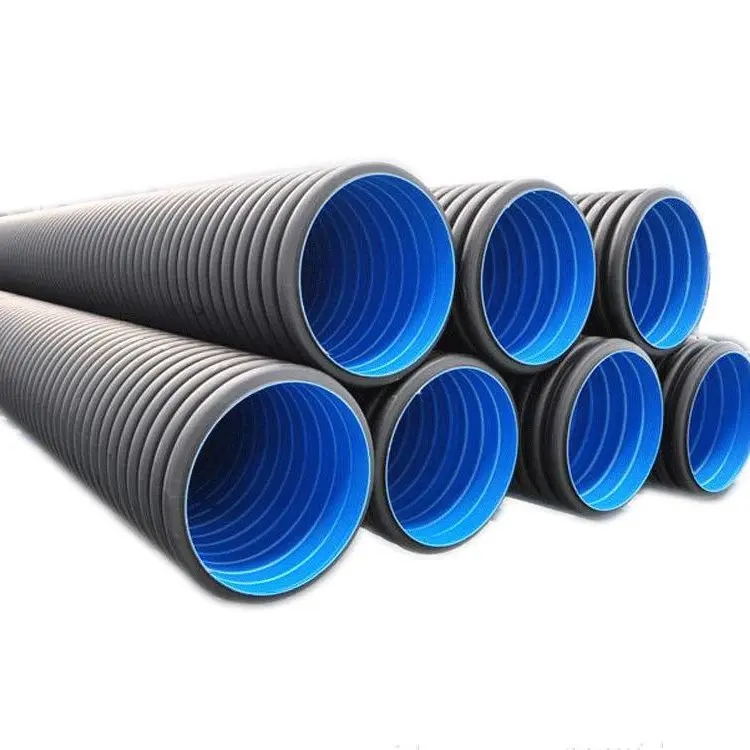
Discount Polyvinyl Chloride (PVC) stormwater pipe represents a cost-effective solution for subsurface drainage in residential, commercial, and agricultural applications. Positioned within the broader civil engineering and construction materials supply chain, PVC stormwater pipe functions as a critical component in managing rainwater runoff, preventing erosion, and mitigating flood risks. Unlike traditional materials like concrete or corrugated metal, discount PVC offers advantages in weight, installation speed, and corrosion resistance. Core performance characteristics include flow capacity (determined by pipe diameter and slope), structural integrity under load (soil cover and traffic), and long-term durability in subterranean environments. This guide provides an in-depth technical overview of discount PVC stormwater pipe, covering material science, manufacturing processes, performance considerations, failure modes, and relevant industry standards.
Material Science & Manufacturing
Discount PVC stormwater pipe is primarily manufactured from Polyvinyl Chloride resin, a thermoplastic polymer produced through the polymerization of vinyl chloride monomer (VCM). The PVC compound typically includes plasticizers (e.g., phthalates or DINP) to enhance flexibility, stabilizers (e.g., tin-based or calcium-zinc) to prevent thermal degradation during processing, lubricants to improve flow, and impact modifiers to increase toughness. The specific formulation determines the pipe’s rigidity (indicated by schedule number – Schedule 40, Schedule 80), pressure rating, and temperature resistance. Manufacturing primarily utilizes extrusion processes. PVC resin and additives are blended, then fed into a single-screw or twin-screw extruder where it’s heated and homogenized. The molten PVC is forced through a die that shapes it into a continuous pipe. Subsequent cooling (using water baths) and sizing operations ensure dimensional accuracy. Cutting the pipe to specified lengths completes the process. Key parameter control focuses on maintaining consistent melt temperature, die pressure, and cooling rates to achieve uniform wall thickness and avoid defects such as warping or surface imperfections. Material selection greatly affects chemical resistance; ensuring compatibility with typical soil compositions is crucial. The level of TiO2 (Titanium Dioxide) impacts UV resistance, though relevant for above-ground applications, not standard for stormwater.
Performance & Engineering
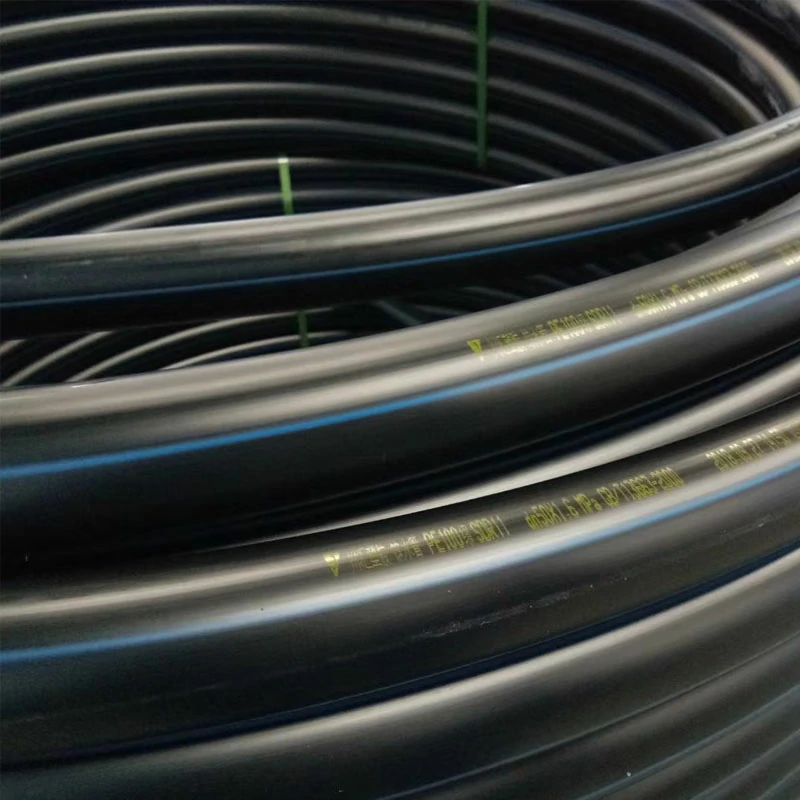
The performance of discount PVC stormwater pipe is governed by several engineering principles. Hydraulic performance is primarily dictated by the Manning’s equation, which relates flow velocity to pipe diameter, slope, and roughness coefficient. PVC’s relatively smooth interior surface minimizes friction losses compared to materials like concrete. Structural performance is assessed through ring stiffness testing (ASTM D2412), which measures the pipe’s ability to resist deformation under vertical loads – crucial for burial depths with varying soil cover and potential traffic loading. Long-term creep behavior, the gradual deformation under sustained stress, is a key consideration. PVC’s resistance to soil chemicals (acids, bases, salts) dictates its longevity. Environmental resistance includes resistance to degradation from UV exposure (primarily for exposed sections) and temperature fluctuations. Compliance requirements vary by region. In many jurisdictions, stormwater pipe installations must adhere to local building codes and environmental regulations, specifying minimum pipe diameter, slope, and connection methods. Joint integrity, often achieved through solvent welding or gasketed joints, is paramount to prevent infiltration and exfiltration. The impact of groundwater levels on buoyancy and pipe stability also requires engineering consideration.
Technical Specifications
| Parameter | Schedule 40 (inches) | Schedule 80 (inches) | ASTM D1785 Standard |
|---|---|---|---|
| Nominal Pipe Size (NPS) | 4", 6", 8", 10", 12" | 4", 6", 8", 10", 12" | Variety of sizes available |
| Wall Thickness (Minimum) | 0.133" (4"), 0.154" (6") | 0.179" (4"), 0.218" (6") | Specific to NPS and Schedule |
| Burst Pressure (psi) | 280 (4"), 230 (6") | 420 (4"), 360 (6") | Determined by hydrostatic testing |
| Ring Stiffness (psi) | 140-180 | 220-260 | Impacts load-bearing capacity |
| Operating Temperature Range | -40°F to 140°F | -40°F to 140°F | Affects material properties |
| Joint Type | Solvent Weld, Gasketed | Solvent Weld, Gasketed | Ensures watertight connections |
Failure Mode & Maintenance
Discount PVC stormwater pipe, while durable, is susceptible to several failure modes. Fatigue cracking can occur due to repeated loading from traffic or soil settlement, particularly at pipe joints. Chemical attack from aggressive soil constituents (e.g., sulfates, acids) can lead to material degradation and embrittlement. Creep deformation, though slow, can cause pipe ovalization and reduced flow capacity over time. Impact damage from accidental excavation or heavy objects can cause cracking or puncture. Joint failure, resulting from improper solvent welding or gasket installation, is a common point of weakness, leading to leaks and infiltration. UV degradation affects exposed sections, making the material brittle and prone to cracking. Preventative maintenance includes regular inspections to identify potential issues. Addressing ground settlement and ensuring proper backfill compaction are crucial. For joint failures, solvent welding repairs or gasket replacement are common solutions. If chemical attack is suspected, soil testing and the use of chemically resistant coatings can mitigate further degradation. Avoid direct impact during excavation, and utilize protective measures when working near the pipe. Cleaning debris and vegetation from inlets and outlets maintains optimal flow capacity.
Industry FAQ
Q: What is the impact of soil corrosivity on the lifespan of discount PVC stormwater pipe?
A: Soil corrosivity, specifically the presence of sulfates and acids, can significantly reduce the lifespan of PVC pipe. These chemicals can cause material degradation and embrittlement, leading to premature failure. Soil testing is recommended prior to installation to assess corrosivity levels. In highly corrosive environments, the use of chemically resistant PVC formulations or protective coatings is advisable.
Q: How does temperature affect the performance of PVC stormwater pipe?
A: PVC's mechanical properties are temperature-dependent. At low temperatures, PVC becomes more brittle and susceptible to cracking. High temperatures can reduce the pipe’s stiffness and increase creep deformation. While PVC can operate within a wide temperature range (-40°F to 140°F), extreme temperatures can compromise its performance. Proper installation techniques, such as allowing for thermal expansion and contraction, can mitigate these effects.
Q: What is the appropriate backfill material for PVC stormwater pipe installations?
A: The appropriate backfill material should be granular, free-draining, and non-corrosive. Materials like sand, gravel, or crushed stone are commonly used. Avoid using clay or organic soils, as they can retain moisture and exert pressure on the pipe. Proper compaction of the backfill is critical to provide adequate support and prevent settlement.
Q: What are the advantages of gasketed joints versus solvent-welded joints?
A: Gasketed joints offer faster installation and greater flexibility, allowing for some degree of movement without compromising the seal. Solvent-welded joints create a more permanent and rigid connection, offering higher strength and resistance to chemical attack. The choice depends on the specific application requirements and site conditions.
Q: How does pipe diameter and slope affect the flow capacity of a PVC stormwater drainage system?
A: Pipe diameter and slope are directly proportional to flow capacity. Larger diameter pipes provide greater cross-sectional area for water flow. Steeper slopes increase the gravitational force driving the flow. Properly designing these parameters, using the Manning’s equation, is crucial to ensure adequate drainage and prevent system overload.
Conclusion
Discount PVC stormwater pipe provides a viable and cost-effective solution for managing stormwater runoff, offering advantages in weight, installation, and corrosion resistance compared to traditional materials. However, successful implementation requires careful consideration of material properties, manufacturing processes, and engineering principles. Understanding potential failure modes – such as fatigue cracking, chemical attack, and joint failure – is crucial for long-term performance and reliability.
Future advancements in PVC formulations and manufacturing techniques may focus on enhancing impact resistance, improving chemical compatibility, and increasing long-term creep resistance. Furthermore, the integration of smart technologies – such as sensors for monitoring flow rates and detecting leaks – could provide valuable insights into system performance and facilitate proactive maintenance. Adherence to relevant industry standards and best practices is paramount to ensuring the integrity and longevity of discount PVC stormwater drainage systems.
-
DN25 HDPE Compression Fitting-HORON INTERNATIONAL|Reliable Irrigation Solutions
NewsFeb.11,2026
-
hdpe coupling joint product Manufacturing Analysis
News2026-11-18
-
ppr pipe heating time products Performance Analysis
News2026-11-16
-
hdpe pipe sizes factory Performance Analysis
News2026-11-09
-
HDPE Pipe Sizes Service Performance Analysis
News2026-10-26
-
wholesale 15mm ppr pipe Material Science and Performance Analysis
News2026-10-20
-
wholesale pvc pipe price per foot Technical Analysis
News2026-09-21
-
wholesale long pvc pipe Technical Analysis and Manufacturing Specifications
News2026-09-15
-
wholesale plumbing kitchen sink water lines Material Performance
News2026-09-15
-
wholesale hdpe drip irrigation Material Science
News2026-09-15
-
wholesale hot water ppr pipe Performance Analysis
News2026-09-15
-
wholesale ppr plumbing Performance Analysis
News2026-09-15
-
wholesale ppr pipe supplier Performance Analysis
News2026-09-13
-
wholesale 50mm ppr pipe Performance Analysis
News2026-09-13
-
wholesale hdpe drip pipe Performance Analysis
News2026-09-13
-
wholesale hdpe pipe 63mm price Manufacturing Specification and Performance Analysis
News2026-09-13