

Feb . 11, 2026 00:01 Back to list
discount pvc sewer pipe Technical Specifications
Introduction
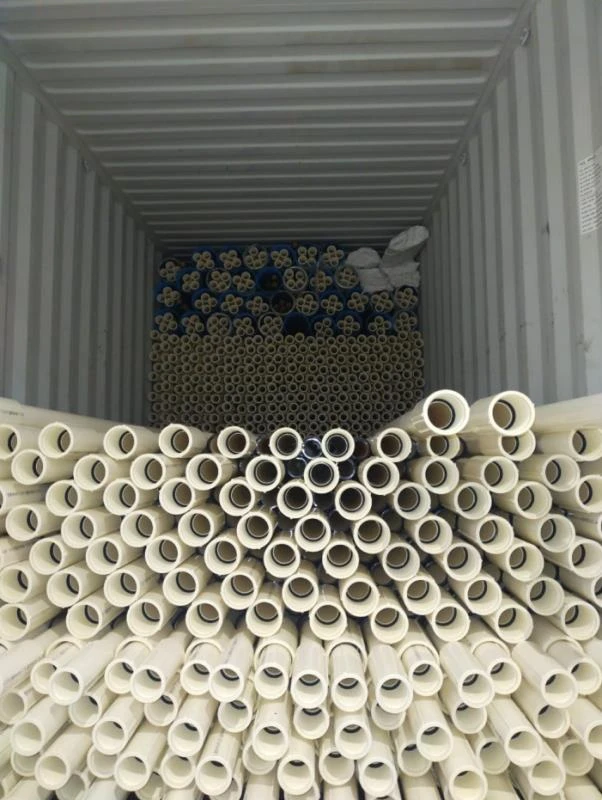
Polyvinyl Chloride (PVC) sewer pipe, particularly in discount or cost-effective grades, constitutes a significant portion of the underground infrastructure for wastewater and stormwater management. Its technical position within the industry chain lies between petrochemical feedstock production (ethylene and chlorine) and the final installation by construction and municipal engineering firms. Discount PVC sewer pipe, while offering economic advantages, necessitates a careful understanding of its material properties and manufacturing variances compared to premium grades. Core performance characteristics center around flow capacity, structural integrity under load, resistance to chemical degradation from sewage effluent, and long-term durability. This guide provides a detailed technical overview, addressing material science, manufacturing processes, performance specifications, failure modes, and industry standards relevant to the selection, installation, and maintenance of discount PVC sewer pipe.
Material Science & Manufacturing
Discount PVC sewer pipe is typically manufactured from PVC resin, incorporating stabilizers, lubricants, and impact modifiers. The PVC resin itself is a thermoplastic polymer formed through the polymerization of vinyl chloride monomer (VCM). The quality and type of PVC resin significantly impact the final product properties. Discount grades often utilize PVC resins with a lower K-value (molecular weight) which impacts impact resistance and tensile strength. Common stabilizers include calcium-zinc stabilizers and lead-based stabilizers (though lead is increasingly restricted due to environmental concerns). Impact modifiers, such as chlorinated polyethylene (CPE), enhance toughness. The manufacturing process predominantly utilizes extrusion. PVC compound is fed into an extruder, melted, and forced through a die to form the pipe. Key parameters during extrusion include die temperature, extrusion speed, and cooling rate. Maintaining consistent die temperature is crucial to ensure uniform wall thickness and prevent degradation. Cooling rates influence the degree of crystallinity, affecting the pipe’s stiffness and resistance to creep. Post-extrusion processes include cutting to length, bell-and-spigot forming (for jointing), and quality control inspections. Wall thickness variation, incomplete fusion of bell-and-spigot joints, and the presence of voids are common manufacturing defects impacting long-term performance.
Performance & Engineering
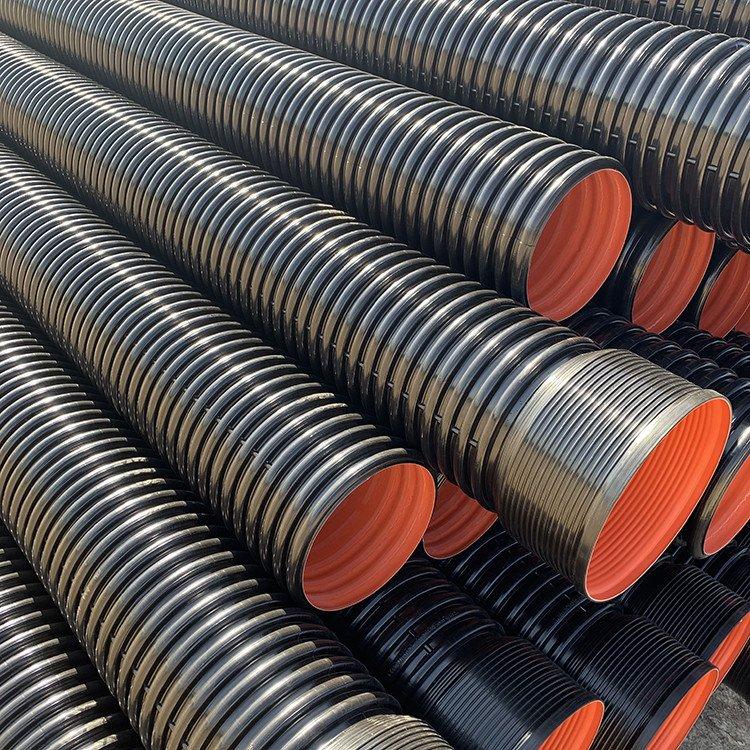
The performance of discount PVC sewer pipe is fundamentally governed by its structural capacity to withstand external loads (soil load, traffic load) and internal hydrostatic pressure. Sewer pipe is subjected to both short-term and long-term loads. Short-term loads include those from installation and occasional traffic. Long-term loads encompass sustained soil pressure and the weight of the backfill material. Engineering calculations, based on methods outlined in ASTM D2412, determine the minimum pipe stiffness (PSM) and pipe strength (PS) required for a given application. PSM is a measure of the pipe’s resistance to deflection under a specific load, while PS represents the pipe’s ability to withstand crushing. Discount PVC grades often exhibit lower PSM and PS values compared to higher-grade materials, necessitating more frequent bedding and backfill considerations. Chemical resistance is also critical, as sewer effluent contains various corrosive compounds (sulfates, hydrogen sulfide). While PVC generally exhibits good resistance to these chemicals, prolonged exposure can lead to degradation. Joint integrity is paramount. Bell-and-spigot joints rely on elastomeric gaskets for sealing. The gaskets must be compatible with the chemical composition of the sewage and maintain their elasticity over time. Proper installation procedures, including adequate bedding support and joint lubrication, are essential to ensure long-term performance.
Technical Specifications
| Parameter | Units | ASTM D1785 Standard (SDR 35) | Typical Discount PVC (SDR 41) |
|---|---|---|---|
| Nominal Pipe Size | inches | 4 - 36 | 4 - 36 |
| Standard Dimension Ratio (SDR) | - | 35 | 41 |
| Pipe Stiffness (PSM) | psi | 42 | 34 |
| Minimum Burst Pressure | psi | 400 | 300 |
| Tensile Strength | psi | 6,750 | 6,000 |
| Impact Resistance (Izod Notched) | ft-lb/in | 1.0 | 0.8 |
| Chemical Resistance (pH range) | - | 6-14 | 6-14 |
Failure Mode & Maintenance
Discount PVC sewer pipe is susceptible to several failure modes. Cracking, particularly stress cracking, can occur due to sustained tensile stress combined with chemical attack. This is exacerbated by improper installation and inadequate bedding support. Joint leakage is a common issue, often resulting from gasket failure due to degradation, improper seating, or damage during installation. Deflection (bending) can occur under excessive load, leading to reduced flow capacity and potential cracking. Long-term creep, the slow deformation of the pipe under sustained load, is more pronounced in lower-grade PVC. Exfoliation, a form of localized corrosion, can occur in the presence of certain chemicals. Maintenance involves regular inspection of joints for leaks and monitoring for signs of deflection or cracking. Cleaning to remove obstructions and debris is also important. For minor leaks, repair sleeves can be used. For significant damage, pipe replacement is often necessary. Preventative maintenance includes ensuring proper bedding and backfill compaction during installation, avoiding the use of harsh chemicals in the sewer system, and implementing a routine inspection schedule. Failure analysis should include examination of the fractured surfaces to identify the root cause (e.g., stress cracking, impact damage, material defects).
Industry FAQ
Q: What is the impact of using a higher SDR (like SDR 41) in a discount PVC sewer pipe system?
A: A higher SDR indicates a thinner wall thickness for a given pipe diameter. While reducing material cost, it also lowers the pipe's structural capacity (PSM and PS). This necessitates more careful consideration of bedding and backfill requirements, and potentially reduces the allowable cover depth. It's crucial to verify the SDR meets the load requirements for the specific application and soil conditions.
Q: How does the type of stabilizer affect the long-term durability of discount PVC sewer pipe?
A: Calcium-zinc stabilizers are generally preferred over lead-based stabilizers due to environmental concerns. However, calcium-zinc stabilized PVC may exhibit slightly reduced heat resistance. The quality and concentration of the stabilizer are critical. Insufficient stabilizer levels can lead to premature degradation and embrittlement.
Q: What are the key considerations for joint installation to prevent leakage in discount PVC pipe?
A: Proper joint installation is crucial. This includes ensuring the bell and spigot are clean and free of debris, using an appropriate lubricant recommended by the manufacturer, and ensuring the gasket is correctly seated within the groove. Avoid over-insertion or excessive force, which can damage the gasket.
Q: How does temperature affect the performance of PVC sewer pipe, especially in extreme climates?
A: PVC becomes more brittle at lower temperatures, increasing the risk of cracking during installation or under impact. High temperatures can reduce the pipe’s stiffness and potentially cause creep. Material selection and installation practices should account for the expected temperature range. Thermal expansion and contraction also need to be considered during installation to prevent stress on the joints.
Q: What is the acceptable level of deflection in a PVC sewer pipe, and how is it monitored?
A: Acceptable deflection is typically limited to 5% of the pipe diameter, as specified in industry standards. Excessive deflection reduces flow capacity and can lead to cracking. Deflection can be monitored using laser profiling or closed-circuit television (CCTV) inspection of the installed pipe.
Conclusion
Discount PVC sewer pipe provides a cost-effective solution for wastewater and stormwater conveyance, but its selection and application require a thorough understanding of its limitations compared to premium-grade materials. Lower K-values in resin selection, coupled with potentially reduced stabilizer concentrations, influence the long-term durability and structural performance. Engineers and procurement professionals must prioritize careful consideration of load requirements, soil conditions, installation practices, and regular maintenance to mitigate potential failure modes and ensure the long-term integrity of the sewer system.
The successful deployment of discount PVC sewer pipe relies heavily on a holistic approach. This includes selecting materials that meet the minimum required specifications, adhering to proper installation procedures (particularly regarding bedding and jointing), and implementing a proactive maintenance program. Continuous monitoring for deflection, cracking, and leakage is crucial to identify and address potential issues before they escalate. Adherence to relevant industry standards and best practices is paramount to minimizing life-cycle costs and maximizing the service life of the pipeline infrastructure.
-
DN25 HDPE Compression Fitting-HORON INTERNATIONAL|Reliable Irrigation Solutions
NewsFeb.11,2026
-
hdpe coupling joint product Manufacturing Analysis
News2026-11-18
-
ppr pipe heating time products Performance Analysis
News2026-11-16
-
hdpe pipe sizes factory Performance Analysis
News2026-11-09
-
HDPE Pipe Sizes Service Performance Analysis
News2026-10-26
-
wholesale 15mm ppr pipe Material Science and Performance Analysis
News2026-10-20
-
wholesale pvc pipe price per foot Technical Analysis
News2026-09-21
-
wholesale long pvc pipe Technical Analysis and Manufacturing Specifications
News2026-09-15
-
wholesale plumbing kitchen sink water lines Material Performance
News2026-09-15
-
wholesale hdpe drip irrigation Material Science
News2026-09-15
-
wholesale hot water ppr pipe Performance Analysis
News2026-09-15
-
wholesale ppr plumbing Performance Analysis
News2026-09-15
-
wholesale ppr pipe supplier Performance Analysis
News2026-09-13
-
wholesale 50mm ppr pipe Performance Analysis
News2026-09-13
-
wholesale hdpe drip pipe Performance Analysis
News2026-09-13
-
wholesale hdpe pipe 63mm price Manufacturing Specification and Performance Analysis
News2026-09-13