

Feb . 11, 2026 00:01 Back to list
discount pvc pipe used for water supply Performance Analysis
Introduction
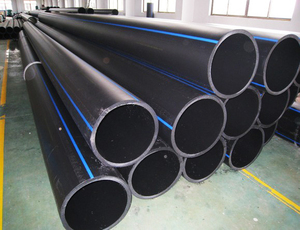
Polyvinyl chloride (PVC) pipe, specifically discount PVC variants, represents a significant component in modern water supply infrastructure. This guide details the material science, manufacturing processes, performance characteristics, and potential failure modes associated with PVC pipe intended for potable and non-potable water distribution. Positioned downstream from petrochemical production of vinyl chloride monomer (VCM), PVC pipe serves as a cost-effective alternative to traditional materials like ductile iron, copper, and steel. Its primary advantages lie in its corrosion resistance, lightweight nature, and ease of installation. However, variations in resin formulation, manufacturing quality control, and intended application significantly impact long-term performance. This document provides a comprehensive technical overview for procurement managers, engineers, and maintenance personnel involved in the specification, installation, and operation of discount PVC pipe systems. Core performance characteristics examined include pressure rating, tensile strength, chemical resistance, and long-term durability in varied environmental conditions. The "discount" designation typically refers to reduced resin content, recycled material integration, or streamlined manufacturing processes, necessitating careful consideration of trade-offs between cost and performance.
Material Science & Manufacturing
Discount PVC pipe relies on the polymerization of vinyl chloride monomer (VCM) to form polyvinyl chloride resin. The resin is not used in its pure form; rather, it’s compounded with plasticizers (typically phthalates or alternatives like DINCH), stabilizers (often organotin compounds, though increasingly calcium-zinc based for potable water applications), lubricants, and fillers (calcium carbonate being common in discount formulations to reduce cost). The type and concentration of these additives directly affect the pipe’s flexibility, impact resistance, and long-term stability. Manufacturing predominantly employs extrusion processes. PVC resin and additives are fed into a twin-screw extruder where they are heated and homogenized. The molten PVC is then forced through a die to form the desired pipe diameter and wall thickness. Key parameters controlled during extrusion include barrel temperature profile (typically 180-220°C), screw speed, die temperature, and cooling water flow rate. Variations in these parameters can induce defects such as surface imperfections, dimensional inconsistencies, and incomplete fusion of layers in multi-layer pipe construction. Subsequent to extrusion, pipes are often subjected to hydrostatic testing to verify pressure integrity. Discount PVC often utilizes a higher percentage of recycled PVC, requiring stringent quality control of the recycled material to prevent contamination and degradation of mechanical properties. The presence of impurities can significantly reduce long-term durability and potentially leach into the transported water. Manufacturing standards, such as ASTM D1785, dictate material requirements and quality assurance procedures, but adherence can vary depending on the manufacturer and grade of PVC.
Performance & Engineering
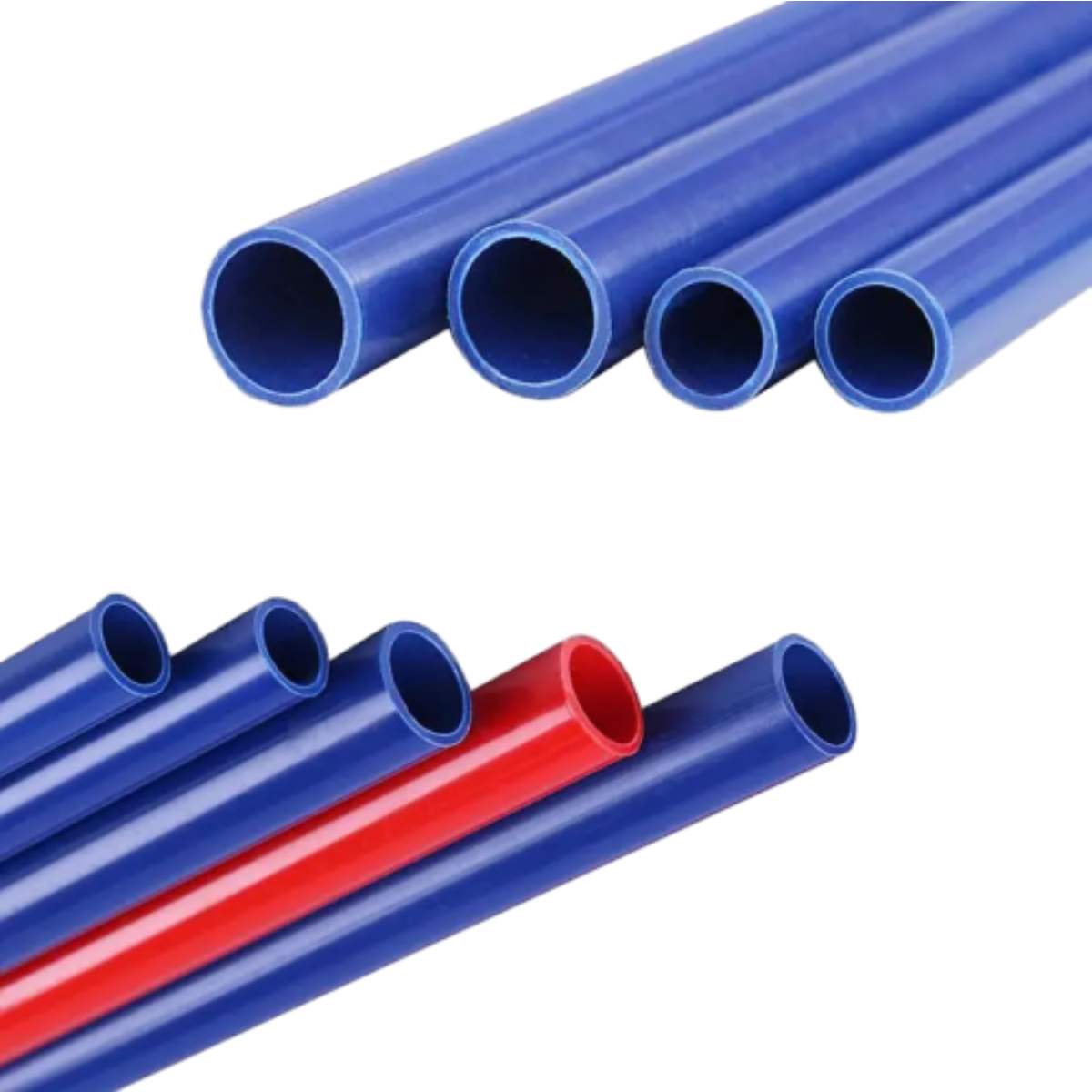
The performance of discount PVC pipe in water supply applications is governed by several engineering principles. The primary load is internal hydrostatic pressure, which induces hoop stress within the pipe wall. The pipe’s ability to withstand this stress is defined by its Pressure Rating (PR), typically expressed in psi or bar, and is directly related to the pipe’s diameter and wall thickness. Beyond pressure, PVC pipe experiences stresses from soil loading (in buried applications), thermal expansion and contraction, and potential external impact. PVC exhibits a relatively low Young's modulus, resulting in significant deflection under load. Proper bedding and backfill procedures are crucial to mitigate stress concentrations and prevent pipe deformation. Chemical resistance is a key advantage; PVC is largely inert to most common waterborne chemicals, but prolonged exposure to certain solvents or hydrocarbons can cause swelling and degradation. Environmental resistance is also critical. Ultraviolet (UV) radiation can cause chain scission and embrittlement, necessitating UV stabilization additives and/or protective coatings for above-ground applications. Temperature fluctuations affect PVC’s mechanical properties; at lower temperatures, it becomes more brittle, while elevated temperatures can reduce its strength. Compliance with relevant plumbing codes (e.g., Uniform Plumbing Code, International Plumbing Code) and potable water standards (e.g., NSF/ANSI 61) is paramount. These standards dictate material composition, permissible contaminant levels, and testing requirements to ensure the safety and quality of the water supply. Failure analysis frequently reveals issues stemming from improper installation (e.g., insufficient bedding, over-tightened joints), exceeding pressure ratings, or exposure to incompatible chemicals.
Technical Specifications
| Parameter | Schedule 40 PVC | Schedule 80 PVC | CPVC (Chlorinated PVC) | Discount PVC (Typical) |
|---|---|---|---|---|
| Material | PVC | PVC | CPVC | PVC (with recycled content) |
| Pressure Rating (psi @ 73°F) | 400 | 600 | 400-1000 | 350 (variable) |
| Tensile Strength (psi) | 6,895 | 8,250 | 7,500 | 5,500-6,500 |
| Modulus of Elasticity (psi) | 300,000 - 350,000 | 320,000 - 370,000 | 350,000 - 400,000 | 280,000 - 330,000 |
| Water Absorption (% after 24 hrs) | <0.1 | <0.1 | <0.1 | 0.1 - 0.2 |
| Operating Temperature Range (°F) | -40 to 140 | -40 to 140 | -40 to 180 | -20 to 140 |
Failure Mode & Maintenance
Discount PVC pipe is susceptible to several failure modes. Fatigue cracking can occur due to repeated pressure cycles or mechanical stress, particularly around joints or fittings. Environmental stress cracking (ESC) results from the combined action of tensile stress and exposure to certain chemicals, leading to brittle failure. UV degradation causes surface chalking, embrittlement, and loss of impact resistance in exposed sections. Thermal deformation can lead to joint leaks or pipe buckling due to inadequate expansion provisions. Impact damage during handling or installation can cause cracking or puncture. Delamination, more common in multi-layer pipes, occurs when the layers separate due to inadequate bonding. Microbial Influenced Corrosion (MIC), although less common than in metal pipes, can occur in biofilms within the pipe, accelerating degradation. Maintenance involves regular visual inspection for cracks, leaks, or surface damage. Joints should be inspected for proper sealing. Pressure testing should be conducted periodically to verify system integrity. For minor leaks, repair compounds specifically designed for PVC can be used. For significant damage, pipe sections should be replaced. Proper installation practices, including adequate bedding and backfill, are crucial preventative measures. Avoiding the use of incompatible solvents or cleaning agents is also essential. Regular flushing of the system can help prevent the buildup of sediment and biofilms.
Industry FAQ
Q: What is the impact of using recycled PVC on the long-term durability of the pipe?
A: The inclusion of recycled PVC can reduce the overall strength and impact resistance of the pipe if the recycled material isn’t rigorously quality-controlled. Contaminants and degradation products in the recycled stream can compromise the polymer chain integrity. Manufacturers employing recycled PVC should provide comprehensive data on the percentage of recycled content and demonstrate that the final product meets relevant performance standards (e.g., ASTM D1785). A lower percentage of recycled material and stringent quality control processes are crucial for maintaining acceptable durability.
Q: How does the wall thickness of discount PVC pipe compare to Schedule 40 PVC, and what are the implications for pressure handling?
A: Discount PVC pipe often features a reduced wall thickness compared to Schedule 40 PVC to lower material costs. This directly translates to a lower pressure rating. While a Schedule 40 pipe might handle 400 psi, a discount PVC pipe might be rated for 350 psi or less. Engineers must carefully calculate pressure requirements and select a pipe with sufficient wall thickness to safely handle the operating pressure, factoring in surge pressures and water hammer effects.
Q: What types of chemicals are known to cause environmental stress cracking in PVC?
A: PVC is susceptible to ESC from certain chlorinated solvents, ketones, esters, and aromatic hydrocarbons. These chemicals can penetrate the PVC matrix, reducing its tensile strength and promoting crack propagation. It's crucial to verify the chemical compatibility of any cleaning agents, disinfectants, or process fluids that may come into contact with the pipe.
Q: What are the best practices for installing discount PVC pipe to minimize the risk of failure?
A: Proper installation is paramount. This includes ensuring a stable and well-compacted trench bed, using appropriate bedding material (sand or fine gravel), avoiding sharp bends or angles, and properly lubricating joints with PVC cement and primer. Avoid over-tightening joints, which can induce stress cracking. Expansion and contraction loops should be incorporated into long runs to accommodate thermal movement. Follow all local plumbing codes and manufacturer’s recommendations.
Q: What is the typical lifespan of discount PVC pipe under normal operating conditions?
A: The lifespan of discount PVC pipe can vary significantly depending on operating conditions and the quality of materials used. Under ideal conditions (moderate temperature, consistent water quality, proper installation), a lifespan of 50-100 years is possible. However, exposure to UV radiation, harsh chemicals, or extreme temperatures can substantially reduce this lifespan. Regular inspection and maintenance are crucial for maximizing service life.
Conclusion
Discount PVC pipe offers a cost-effective solution for water supply applications, but its performance is inherently linked to material composition, manufacturing quality, and installation practices. The trade-off between cost savings and potential reductions in durability requires careful consideration. Understanding the material science, potential failure modes, and relevant industry standards is critical for informed procurement and successful implementation. Careful attention must be given to the percentage of recycled content, the type of plasticizers and stabilizers used, and the pipe’s pressure rating to ensure long-term reliability.
Moving forward, advancements in PVC resin technology and additives, alongside improved manufacturing processes, will continue to refine the performance characteristics of discount PVC pipe. Further research into sustainable alternatives for plasticizers and stabilizers is essential to address environmental concerns and enhance the long-term safety of water distribution systems. Emphasis on robust quality control procedures and adherence to stringent testing protocols will be vital for maintaining the integrity and dependability of this widely used piping material.
-
DN25 HDPE Compression Fitting-HORON INTERNATIONAL|Reliable Irrigation Solutions
NewsFeb.11,2026
-
hdpe coupling joint product Manufacturing Analysis
News2026-11-18
-
ppr pipe heating time products Performance Analysis
News2026-11-16
-
hdpe pipe sizes factory Performance Analysis
News2026-11-09
-
HDPE Pipe Sizes Service Performance Analysis
News2026-10-26
-
wholesale 15mm ppr pipe Material Science and Performance Analysis
News2026-10-20
-
wholesale pvc pipe price per foot Technical Analysis
News2026-09-21
-
wholesale long pvc pipe Technical Analysis and Manufacturing Specifications
News2026-09-15
-
wholesale plumbing kitchen sink water lines Material Performance
News2026-09-15
-
wholesale hdpe drip irrigation Material Science
News2026-09-15
-
wholesale hot water ppr pipe Performance Analysis
News2026-09-15
-
wholesale ppr plumbing Performance Analysis
News2026-09-15
-
wholesale ppr pipe supplier Performance Analysis
News2026-09-13
-
wholesale 50mm ppr pipe Performance Analysis
News2026-09-13
-
wholesale hdpe drip pipe Performance Analysis
News2026-09-13
-
wholesale hdpe pipe 63mm price Manufacturing Specification and Performance Analysis
News2026-09-13