

Feb . 11, 2026 00:01 Back to list
discount pvc pipe used for Technical Performance Analysis

Introduction
Polyvinyl chloride (PVC) pipe, particularly that categorized as ‘discount PVC,’ represents a ubiquitous material within fluid conveyance systems across numerous industries. Its position in the value chain is characterized by its cost-effectiveness, serving as a primary competitor to materials like metal, CPVC, and polyethylene. Discount PVC pipe doesn't denote an inferior product in terms of inherent PVC properties, but rather emphasizes competitive pricing strategies often achieved through optimized manufacturing processes, volume purchasing of raw materials, or a streamlined distribution network. Core performance characteristics include resistance to a broad range of chemicals, high tensile strength relative to cost, and a relatively simple installation process. However, understanding the nuances of PVC formulations and manufacturing quality is crucial, as variations directly impact long-term durability and application suitability. This guide provides an in-depth technical assessment of discount PVC pipe, examining its material science, manufacturing processes, performance criteria, potential failure modes, and relevant industry standards.
Material Science & Manufacturing
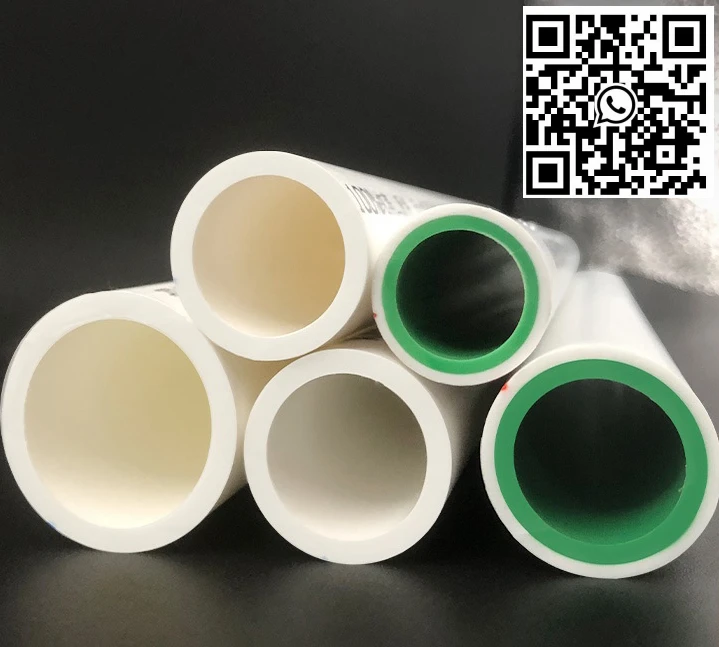
Discount PVC pipe primarily utilizes PVC resin, a thermoplastic polymer created through the polymerization of vinyl chloride monomer (VCM). The PVC resin forms the base, but various additives are crucial to achieving desired physical and chemical properties. These additives include plasticizers (typically phthalates or non-phthalates), stabilizers (often lead-based, calcium-zinc based, or organic-based), lubricants, fillers (such as calcium carbonate), and pigments. The ratio of these additives significantly influences the pipe's flexibility, impact resistance, thermal stability, and UV resistance. Manufacturing commonly employs extrusion processes. PVC compound is fed into a single-screw or twin-screw extruder, where it's heated and homogenized. The molten PVC is then forced through a die, forming the desired pipe shape. Critical parameters during extrusion include temperature control (barrel zones, die temperature), screw speed, haul-off speed (controlling pipe diameter), and cooling rates (ensuring dimensional stability). Variations in these parameters can cause defects like ovality, inconsistent wall thickness, and surface imperfections. Schedules (e.g., Schedule 40, Schedule 80) define the pipe’s wall thickness and corresponding pressure rating. Discount PVC often focuses on Schedule 40, balancing cost and performance for less demanding applications. Post-extrusion, pipes are typically cut to length, tested for pressure integrity, and marked with relevant specifications.
Performance & Engineering
The performance of discount PVC pipe is dictated by several engineering considerations. Hydrostatic pressure rating, determined by burst pressure testing (ASTM D1595), is paramount, reflecting the pipe’s ability to withstand internal fluid pressure. Tensile strength (ASTM D882) and elongation at break indicate the material's resistance to deformation and fracture under load. Impact resistance (ASTM D2444) is particularly important in applications susceptible to external shocks or impacts. PVC's inherent resistance to many chemicals makes it suitable for industrial wastewater, irrigation, and chemical transfer, but compatibility must be verified for specific chemicals, as some solvents can cause swelling or degradation. Temperature limitations are significant; PVC becomes brittle at low temperatures and can soften/deform at elevated temperatures. Long-term Hydrostatic Strength (LTHS) testing assesses the pipe's ability to maintain its pressure rating over an extended service life. Environmental Stress Cracking (ESC) is a critical concern, where sustained tensile stress in the presence of certain chemicals can lead to crack propagation. UV degradation is also a factor in outdoor applications, necessitating UV stabilizers in the PVC formulation. Installation practices (proper bedding, jointing, and support) significantly influence long-term performance, minimizing stress concentrations and preventing premature failure. Force analysis during installation and operation must account for thermal expansion and contraction to avoid joint stress.
Technical Specifications
| Parameter | Schedule 40 PVC | Schedule 80 PVC | CPVC (Typical) | Units |
|---|---|---|---|---|
| Pressure Rating (Hydrostatic) | 400 psi @ 73°F | 600 psi @ 73°F | 400-1000 psi @ 73°F | psi |
| Tensile Strength | 6,000 - 7,000 | 6,000 - 7,000 | 7,000 - 8,000 | psi |
| Elongation at Break | 20-30% | 20-30% | 10-20% | % |
| Impact Strength (Izod Notched) | 10-15 | 12-18 | 8-12 | ft-lb/in |
| Water Absorption (24 hr) | <0.1% | <0.1% | <0.1% | % |
| Operating Temperature Range | -40°F to 140°F | -40°F to 140°F | -40°F to 180°F | °F |
Failure Mode & Maintenance
Discount PVC pipe, despite its inherent robustness, is susceptible to several failure modes. Mechanical damage during handling or installation (cracks, punctures) is common. Long-term exposure to UV radiation causes embrittlement and surface cracking, particularly in formulations lacking adequate UV stabilizers. Hydrolytic degradation, although slow, occurs over time due to the interaction of PVC with water, leading to chain scission and a reduction in mechanical properties. Chemical attack from incompatible substances can cause swelling, softening, or dissolution of the PVC. Environmental Stress Cracking (ESC) initiates slowly, often appearing as hairline cracks at stress concentrations (e.g., threaded joints, fittings). Fatigue cracking can occur under cyclic loading, especially in applications involving pressure fluctuations. Maintenance primarily involves visual inspection for cracks, leaks, and signs of degradation. Proper support and bedding are critical to prevent stress on joints. Regular cleaning to remove debris can prevent localized corrosion or chemical attack. For minor leaks, PVC cement can be used for repairs, but for significant damage, pipe replacement is recommended. Implementing a preventative maintenance schedule including periodic pressure testing and visual assessments helps detect potential failures before they escalate.
Industry FAQ
Q: What is the impact of using lower-cost additives in discount PVC pipe on its long-term performance?
A: Lower-cost additives, particularly plasticizers and stabilizers, can significantly compromise long-term performance. Cheaper plasticizers may leach out more readily, causing the pipe to become brittle over time. Inferior stabilizers offer less protection against UV degradation and thermal breakdown, accelerating material degradation. This manifests as reduced impact strength, increased susceptibility to cracking, and a shorter service life. Careful evaluation of additive quality is crucial when assessing discount PVC options.
Q: How does the wall thickness (Schedule) affect the pressure rating and overall durability of the pipe?
A: Wall thickness directly correlates with pressure rating and durability. A thicker wall (e.g., Schedule 80) can withstand higher internal pressures and provides greater resistance to external impacts. While Schedule 40 is often sufficient for lower-pressure applications, Schedule 80 offers a significant safety margin and extends the pipe's service life in demanding environments. The increased material cost of Schedule 80 is often offset by improved reliability and reduced maintenance.
Q: What are the key considerations when using discount PVC pipe in an underground application?
A: Underground applications require attention to bedding, backfill, and soil conditions. Proper bedding (e.g., sand or gravel) provides uniform support and prevents stress concentrations. Backfill material should be non-corrosive and properly compacted to avoid pipe deformation. Soil acidity and the presence of aggressive chemicals can accelerate degradation; therefore, consider protective coatings or alternative materials in corrosive environments. Also, ensure adequate depth of cover to protect the pipe from damage and temperature extremes.
Q: Is discount PVC pipe suitable for potable water applications, and what certifications are required?
A: While many PVC formulations are suitable for potable water, it's crucial to ensure the pipe meets relevant standards for material safety and extractables. NSF/ANSI 61 certification confirms that the pipe won’t leach harmful contaminants into the water supply. Discount PVC must explicitly possess this certification to be used in potable water systems. Furthermore, local plumbing codes may have specific requirements regarding PVC pipe used for drinking water.
Q: What is the expected service life of discount PVC pipe under typical operating conditions?
A: The expected service life of discount PVC pipe varies depending on operating conditions, material quality, and installation practices. Under ideal conditions (moderate temperature, non-corrosive environment, proper installation), a well-maintained Schedule 40 PVC pipe can last 50-100 years. However, harsh environments, exposure to UV radiation, and improper installation can significantly reduce its lifespan. Regular inspections and preventative maintenance are essential to maximizing service life.
Conclusion
Discount PVC pipe represents a viable and cost-effective solution for numerous fluid conveyance applications, but its suitability hinges on a thorough understanding of its material properties, manufacturing processes, and potential failure modes. While offering a competitive price point, compromises in additive quality or manufacturing control can impact long-term durability. Careful selection, coupled with adherence to proper installation practices and a proactive maintenance strategy, are paramount to maximizing the lifespan and performance of this ubiquitous material.
Future trends in PVC pipe technology focus on enhancing sustainability through the development of bio-based plasticizers, improved recycling processes, and formulations with increased resistance to degradation. Furthermore, advancements in non-destructive testing methods will enable more accurate assessment of pipe integrity, facilitating proactive maintenance and reducing the risk of catastrophic failures. Continuous monitoring of industry standards and material advancements will be crucial for ensuring the continued viability of PVC pipe in evolving infrastructural demands.
-
DN25 HDPE Compression Fitting-HORON INTERNATIONAL|Reliable Irrigation Solutions
NewsFeb.11,2026
-
hdpe coupling joint product Manufacturing Analysis
News2026-11-18
-
ppr pipe heating time products Performance Analysis
News2026-11-16
-
hdpe pipe sizes factory Performance Analysis
News2026-11-09
-
HDPE Pipe Sizes Service Performance Analysis
News2026-10-26
-
wholesale 15mm ppr pipe Material Science and Performance Analysis
News2026-10-20
-
wholesale pvc pipe price per foot Technical Analysis
News2026-09-21
-
wholesale long pvc pipe Technical Analysis and Manufacturing Specifications
News2026-09-15
-
wholesale plumbing kitchen sink water lines Material Performance
News2026-09-15
-
wholesale hdpe drip irrigation Material Science
News2026-09-15
-
wholesale hot water ppr pipe Performance Analysis
News2026-09-15
-
wholesale ppr plumbing Performance Analysis
News2026-09-15
-
wholesale ppr pipe supplier Performance Analysis
News2026-09-13
-
wholesale 50mm ppr pipe Performance Analysis
News2026-09-13
-
wholesale hdpe drip pipe Performance Analysis
News2026-09-13
-
wholesale hdpe pipe 63mm price Manufacturing Specification and Performance Analysis
News2026-09-13