

Feb . 11, 2026 00:01 Back to list
discount pvc pipe used for plumbing Technical Analysis
Introduction
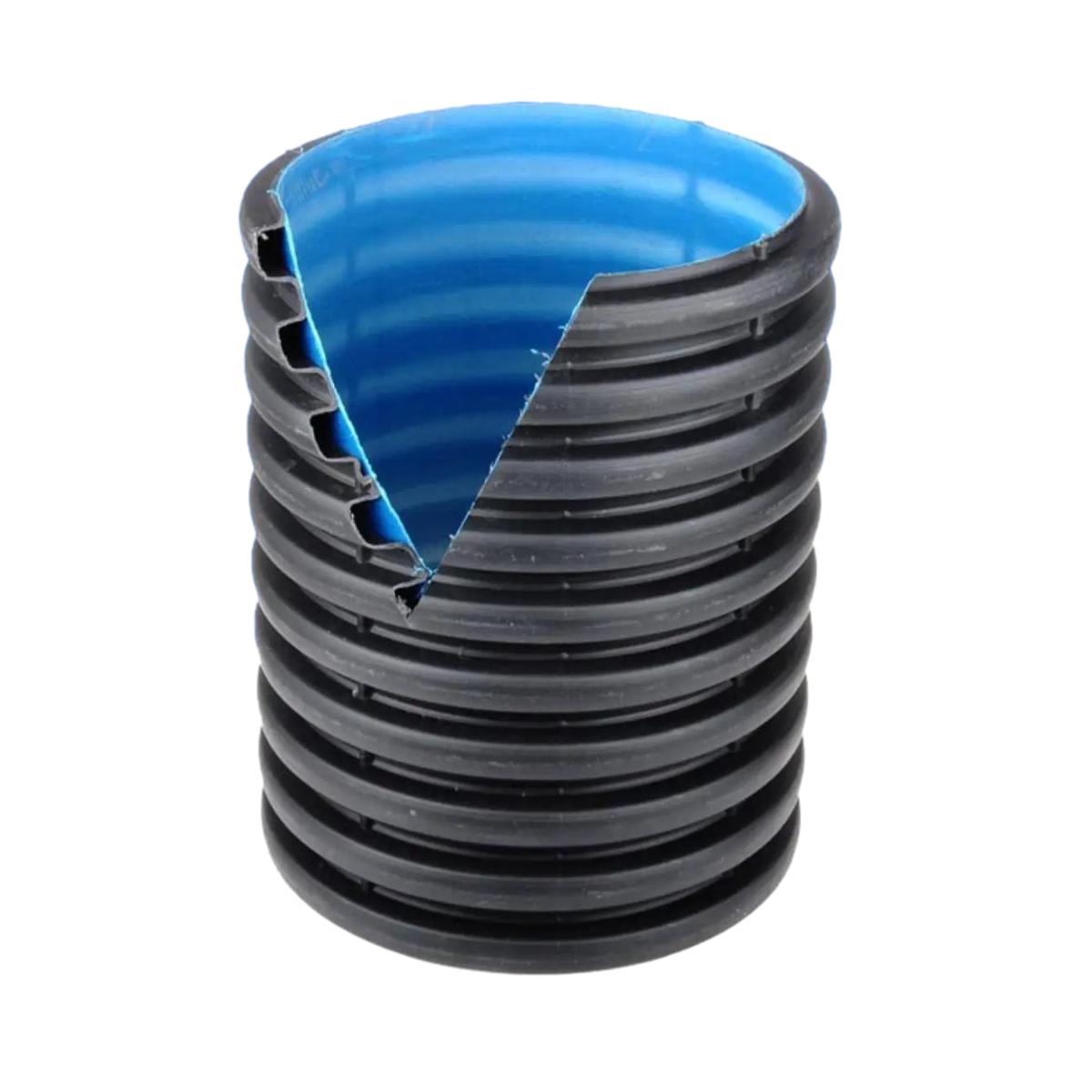
Polyvinyl chloride (PVC) pipe represents a cornerstone material in modern plumbing infrastructure, particularly for drain, waste, and vent (DWV) systems, irrigation, and cold water distribution. The designation “discount PVC pipe” refers to PVC piping offered at a reduced cost compared to premium formulations, often achieved through variations in resin grade, wall thickness, or manufacturing processes. While providing a cost-effective solution, understanding the technical implications of these variations is crucial for ensuring long-term system reliability and adherence to building codes. PVC's inherent resistance to corrosion, chemical inertness, and ease of installation have led to its widespread adoption, displacing traditional materials like galvanized steel and cast iron in many applications. This guide provides an in-depth technical analysis of discount PVC pipe, covering material science, manufacturing processes, performance characteristics, failure modes, and relevant industry standards, aimed at engineers, procurement managers, and plumbing professionals seeking informed decision-making.
Material Science & Manufacturing
Discount PVC pipe, like all PVC piping, is fundamentally derived from vinyl chloride monomer (VCM). The polymerization of VCM results in polyvinyl chloride resin, a white, brittle powder. This resin is rarely used in its pure form; instead, it’s compounded with various additives to modify its properties. Common additives include plasticizers (like phthalates or DINP) to increase flexibility, stabilizers (typically tin or calcium-zinc based) to prevent degradation from heat and UV exposure, lubricants to facilitate processing, and impact modifiers to enhance toughness. The proportion and type of these additives significantly impact the final pipe properties. Discount PVC often utilizes a higher proportion of plasticizers, potentially compromising long-term dimensional stability and chemical resistance.
Manufacturing typically involves extrusion. The PVC compound is fed into an extruder, where it's heated and mixed, transforming it into a molten state. This molten material is then forced through a die, shaping it into the desired pipe diameter and wall thickness. Critical parameters during extrusion include die temperature, extrusion speed, and cooling rate. Precise control of these parameters is vital to ensure consistent wall thickness and prevent warping. Discount PVC manufacturers may employ less stringent process control measures, leading to variations in pipe dimensions and mechanical properties. Schedules 40 and 80 are common wall thicknesses, denoting the pressure rating; discount pipes often utilize Schedule 40 for cost reduction, sacrificing pressure handling capabilities. Further, the quality of the PVC resin itself plays a critical role. Virgin PVC resin offers superior performance compared to recycled content, and discount pipes frequently incorporate a higher percentage of recycled material which can diminish strength and increase susceptibility to environmental stress cracking.
Performance & Engineering
The primary performance criteria for PVC pipe are tensile strength, impact resistance, and pressure rating. Tensile strength, measured in PSI (pounds per square inch), indicates the pipe’s ability to withstand pulling forces. Impact resistance, often evaluated using Izod or Charpy impact tests, determines its ability to withstand sudden shocks. Pressure rating, expressed in PSI or bars, defines the maximum internal pressure the pipe can safely handle. Discount PVC generally exhibits lower tensile strength and impact resistance compared to premium PVC due to the increased plasticizer content and potential for recycled material inclusion.
Engineering considerations include thermal expansion and contraction. PVC has a relatively high coefficient of thermal expansion; therefore, proper allowance for expansion and contraction must be made during installation to prevent stress buildup and potential cracking. Discount PVC’s increased plasticizer content exacerbates this effect. Long-term creep, the gradual deformation under sustained load, is another critical factor. The reduced stiffness of discount PVC makes it more susceptible to creep, particularly at elevated temperatures. Soil loading and hydrostatic pressure must be carefully considered in buried applications. The pipe's ability to withstand external loads without collapsing is crucial. Furthermore, chemical compatibility is paramount. While PVC is generally resistant to a wide range of chemicals, prolonged exposure to certain solvents and aggressive chemicals can cause degradation and failure. Discount PVC formulations may offer reduced chemical resistance compared to high-grade compounds. Finite element analysis (FEA) is frequently employed to model pipe behavior under various loading conditions and optimize system design.
Technical Specifications
| Parameter | Schedule 40 (Discount PVC) | Schedule 80 (Standard PVC) | ASTM D1785 Requirement |
|---|---|---|---|
| Tensile Strength (PSI) | 6,000 - 7,500 | 7,500 - 9,000 | Minimum 6,000 |
| Impact Strength (Izod Notched, ft-lb/in) | 0.5 - 1.0 | 1.0 - 1.5 | Minimum 0.5 |
| Pressure Rating (PSI @ 73°F) | 200 - 250 | 400 - 500 | Varies by size & Schedule |
| Diameter Range (inches) | 0.5 - 24 | 0.5 - 24 | 0.5 - 48 |
| Maximum Service Temperature (°F) | 140 | 140 | 140 |
| Coefficient of Linear Thermal Expansion (in/in/°F) | 6.0 x 10^-6 | 5.8 x 10^-6 | Typical 6.0 x 10^-6 |
Failure Mode & Maintenance
Discount PVC pipe is susceptible to several failure modes. Environmental Stress Cracking (ESC) is a primary concern, particularly when exposed to sustained tensile stress in the presence of certain chemicals. The higher plasticizer content in discount PVC accelerates ESC. UV degradation can cause embrittlement and discoloration, reducing impact resistance. Long-term creep can lead to deformation and eventual failure, especially under continuous pressure or load. Joint failures are also common, often resulting from improper solvent welding techniques, inadequate surface preparation, or incompatible adhesives. Fatigue cracking can occur due to repeated stress cycles, particularly in applications involving vibration or temperature fluctuations.
Maintenance involves regular visual inspections for cracks, leaks, or discoloration. Proper solvent welding techniques are crucial during installation; ensure surfaces are clean, dry, and free of contaminants. Avoid using abrasive cleaners or solvents that can attack the PVC material. Protect exposed pipe from direct sunlight to minimize UV degradation. For buried applications, ensure adequate backfill compaction and corrosion protection for any metallic fittings. If cracks or leaks are detected, the affected section of pipe should be replaced immediately. Pressure testing is recommended periodically to verify system integrity. Consider utilizing protective sleeves or coatings in harsh environments to extend service life. A proactive maintenance schedule will significantly reduce the risk of catastrophic failure and ensure long-term reliability.
Industry FAQ
Q: What is the primary difference between Schedule 40 and Schedule 80 PVC, and how does this affect the suitability of discount PVC (typically Schedule 40) for high-pressure applications?
A: Schedule 40 and Schedule 80 refer to the wall thickness of the pipe. Schedule 80 has a thicker wall, providing a significantly higher pressure rating and greater resistance to impact. Discount PVC is predominantly Schedule 40 to lower costs. While Schedule 40 is sufficient for many residential and low-pressure applications, it’s not suitable for high-pressure systems or critical applications where a robust safety factor is required. The lower wall thickness makes it more vulnerable to bursting under excessive pressure and more susceptible to damage from external forces.
Q: How does the inclusion of recycled PVC in discount pipe affect its long-term durability compared to pipes made from virgin PVC resin?
A: Recycled PVC, while cost-effective, typically exhibits reduced mechanical properties compared to virgin PVC. Recycled material may have undergone thermal degradation during previous processing, leading to lower tensile strength, impact resistance, and increased brittleness. It can also be more susceptible to environmental stress cracking. The proportion of recycled content in discount PVC is often higher, accelerating these effects and potentially shortening the pipe's service life.
Q: What are the key considerations regarding solvent welding discount PVC pipe, and what precautions should be taken to ensure a reliable joint?
A: Proper solvent welding is critical for creating leak-proof joints. The primary considerations are surface preparation, adhesive compatibility, and ambient temperature. Surfaces must be clean, dry, and free of dirt, grease, and contaminants. Use a primer and solvent cement specifically formulated for PVC. Apply the cement evenly and quickly, ensuring complete coverage. Avoid excessive cement, as this can weaken the joint. Work in a well-ventilated area. Lower temperatures can affect solvent cement viscosity, and higher temperatures can accelerate evaporation. Always follow the manufacturer’s instructions for both the pipe and the cement.
Q: How does the increased plasticizer content in discount PVC affect its resistance to chemicals and its overall dimensional stability over time?
A: Higher plasticizer content increases the pipe’s flexibility but compromises its chemical resistance and dimensional stability. Plasticizers can leach out over time, especially when exposed to certain solvents or aggressive chemicals, leading to embrittlement and reduced performance. The loss of plasticizers also causes the pipe to shrink and deform, potentially leading to joint failures and leaks. Discount PVC is generally less resistant to chemicals than premium formulations with lower plasticizer levels.
Q: What specific code requirements or standards should be considered when using discount PVC pipe in plumbing installations?
A: Installations must adhere to local plumbing codes and relevant standards such as ASTM D1785 (Standard Specification for Poly(Vinyl Chloride) (PVC) Plastic Pipe, Schedules 40, 80, and 120) and NSF/ANSI 61 (Drinking Water System Components – Health Effects). Ensure the pipe is certified to meet these standards. Compliance with these standards guarantees that the pipe material is safe for potable water and meets minimum performance requirements. Local codes may also specify requirements for pipe support, burial depth, and jointing methods.
Conclusion
Discount PVC pipe offers a cost-effective alternative to standard PVC formulations, but this economy comes with technical trade-offs. The use of higher plasticizer content and increased recycled material can compromise long-term durability, chemical resistance, and dimensional stability. Understanding these limitations is essential for making informed decisions regarding its application. While suitable for many low-pressure, non-critical plumbing applications, its use in high-stress environments or systems handling aggressive chemicals should be carefully evaluated.
A thorough assessment of the specific application requirements, including pressure, temperature, chemical exposure, and soil loading, is crucial. Proper installation techniques, including meticulous solvent welding and adequate support, are paramount for mitigating potential failure modes. Prioritizing quality control, utilizing certified materials, and adhering to relevant industry standards are fundamental to ensuring the long-term reliability and safety of any plumbing system employing discount PVC pipe.
-
DN25 HDPE Compression Fitting-HORON INTERNATIONAL|Reliable Irrigation Solutions
NewsFeb.11,2026
-
hdpe coupling joint product Manufacturing Analysis
News2026-11-18
-
ppr pipe heating time products Performance Analysis
News2026-11-16
-
hdpe pipe sizes factory Performance Analysis
News2026-11-09
-
HDPE Pipe Sizes Service Performance Analysis
News2026-10-26
-
wholesale 15mm ppr pipe Material Science and Performance Analysis
News2026-10-20
-
wholesale pvc pipe price per foot Technical Analysis
News2026-09-21
-
wholesale long pvc pipe Technical Analysis and Manufacturing Specifications
News2026-09-15
-
wholesale plumbing kitchen sink water lines Material Performance
News2026-09-15
-
wholesale hdpe drip irrigation Material Science
News2026-09-15
-
wholesale hot water ppr pipe Performance Analysis
News2026-09-15
-
wholesale ppr plumbing Performance Analysis
News2026-09-15
-
wholesale ppr pipe supplier Performance Analysis
News2026-09-13
-
wholesale 50mm ppr pipe Performance Analysis
News2026-09-13
-
wholesale hdpe drip pipe Performance Analysis
News2026-09-13
-
wholesale hdpe pipe 63mm price Manufacturing Specification and Performance Analysis
News2026-09-13