

Feb . 11, 2026 00:01 Back to list
discount pvc pipe types and sizes Performance Analysis
Introduction
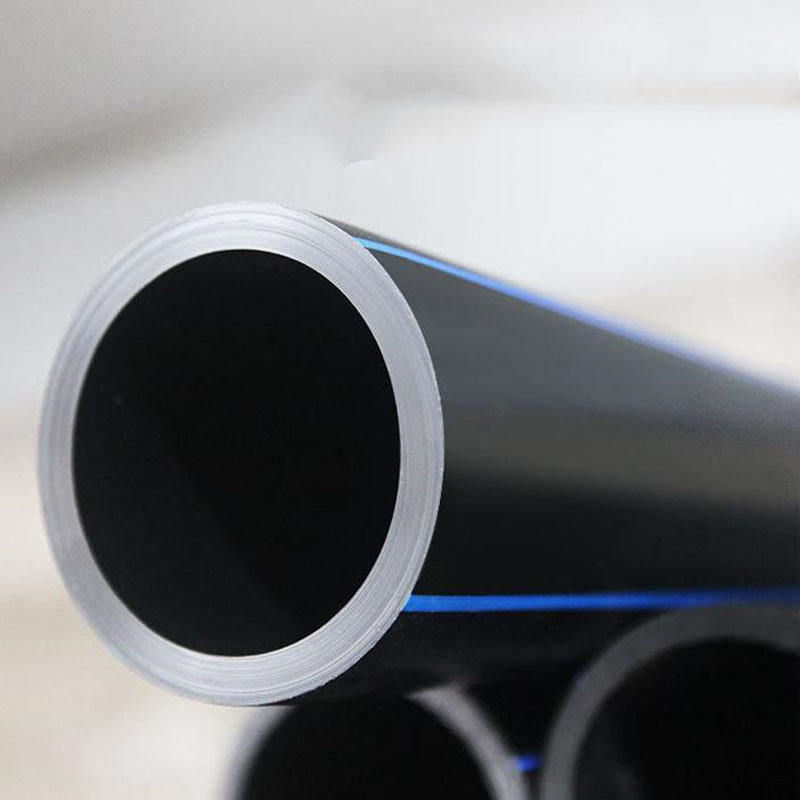
Polyvinyl chloride (PVC) piping represents a significant component of fluid conveyance systems across diverse applications, including water distribution, irrigation, drainage, and industrial processing. ‘Discount PVC pipe types and sizes’ refers to a broad spectrum of PVC pipes offered at competitive pricing, often encompassing Schedule 40 and Schedule 80 varieties. These pipes are categorized by nominal pipe size (NPS), wall thickness, and pressure rating. Their prevalence stems from inherent advantages including corrosion resistance, low cost, ease of installation, and minimal maintenance requirements. The industry chain positions PVC pipe manufacturing as a downstream process utilizing ethylene and chlorine as primary feedstocks, transforming them into PVC resin which is then extruded into pipes. Core performance characteristics—pressure containment, flow capacity, and long-term durability—are paramount for successful implementation. A significant industry pain point centers around ensuring consistent material quality within the ‘discount’ price bracket, balancing cost-effectiveness with maintaining critical performance parameters.
Material Science & Manufacturing
PVC is a thermoplastic polymer composed of vinyl chloride monomers. The raw material, PVC resin, typically exists as a white powder. Additives, including stabilizers (to prevent degradation from heat and UV exposure), plasticizers (to enhance flexibility), impact modifiers (to improve toughness), and lubricants (to facilitate processing), are blended with the resin before extrusion. The primary manufacturing process involves extrusion. PVC resin and additives are fed into a hopper, then conveyed through a screw extruder where it's heated and melted. The molten PVC is forced through a die to form the desired pipe diameter and wall thickness. Subsequent cooling (typically water immersion) solidifies the pipe. Critical parameters during extrusion include melt temperature (180-220°C), screw speed, die pressure, and cooling rate. Maintaining consistent melt temperature is crucial for preventing degradation and ensuring uniform material properties. Wall thickness control directly impacts pressure rating and is achieved through precise die design and screw speed adjustments. The chemical compatibility of PVC is high with many substances, however, it's susceptible to attack by strong oxidizing agents and some aromatic hydrocarbons. Hydrostatic pressure testing is a standard quality control measure to verify the pipe's ability to withstand specified pressures.
Performance & Engineering
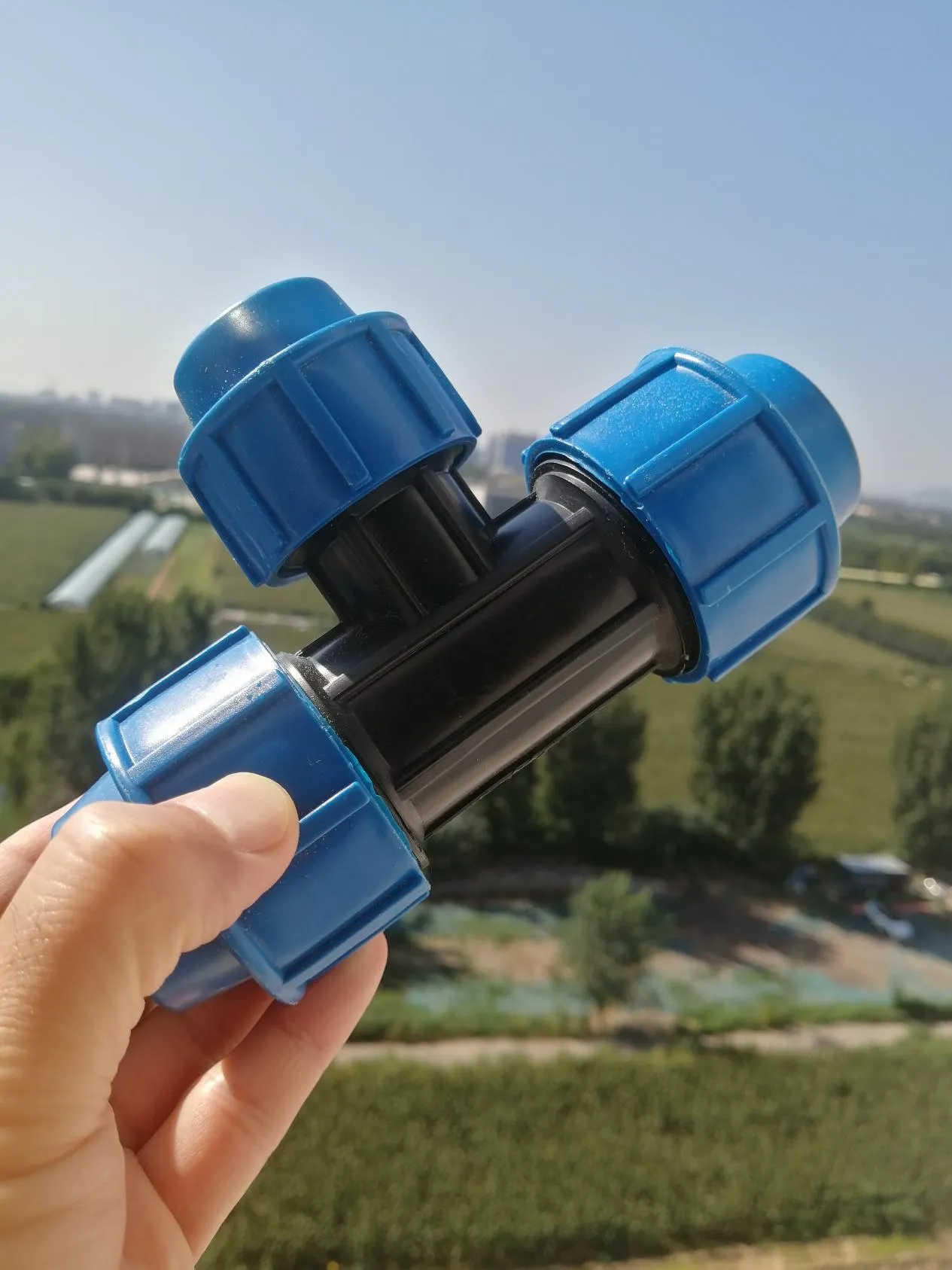
The performance of PVC pipes is heavily influenced by hydrostatic design stress (HDS) and its relationship to the pipe's dimensions and material properties. HDS calculations, adhering to standards like ASTM D1785, determine the maximum allowable internal pressure based on the pipe's diameter, wall thickness, and a material's tensile strength and yield strength. Long-term creep resistance is a key engineering consideration. PVC, while initially rigid, exhibits creep—slow deformation under sustained stress—over time. Factors influencing creep include temperature, pressure, and the type of PVC compound. Environmental resistance is also critical. UV exposure causes embrittlement, necessitating the use of UV stabilizers in formulations for outdoor applications. Soil loading, particularly for buried pipes, must be accounted for to prevent ovalation and failure. The bedding and backfill material significantly affect load distribution. PVC pipe systems require expansion joints to accommodate thermal expansion and contraction, particularly in long runs. Proper jointing—solvent welding or gasketed connections—is vital for maintaining system integrity. Failure to properly prepare surfaces or use compatible solvents can lead to weak joints and leaks.
Technical Specifications
| Nominal Pipe Size (NPS) - Inches | Schedule Number | Wall Thickness (Minimum) - Inches | Pressure Rating (Hydrostatic) - PSI at 73°F |
|---|---|---|---|
| 1/2 | 40 | 0.065 | 450 |
| 1/2 | 80 | 0.095 | 600 |
| 1 | 40 | 0.083 | 400 |
| 1 | 80 | 0.112 | 600 |
| 2 | 40 | 0.112 | 350 |
| 2 | 80 | 0.149 | 580 |
Failure Mode & Maintenance
Common failure modes in PVC pipes include brittle fracture (often caused by impact damage or low temperatures), stress cracking (induced by sustained tensile stress and exposure to certain chemicals), and joint failure (resulting from improper solvent welding or gasket installation). Long-term UV exposure leads to chain scission and embrittlement, reducing impact resistance. Hydrostatic pressure testing can reveal weaknesses and potential leak points. Failure analysis often involves examining fracture surfaces to determine the root cause. Preventative maintenance includes regular visual inspections for cracks, leaks, and signs of degradation. Buried pipes should be protected from soil corrosion and mechanical damage. Joints should be periodically checked for tightness. For systems exposed to UV radiation, applying a protective coating or using UV-stabilized PVC compounds is recommended. In cases of minor cracking, repairs can be made using PVC repair sleeves or couplings. For significant damage, pipe replacement is generally necessary. Proper storage of PVC pipes is also crucial. They should be stored in a cool, dry place away from direct sunlight to prevent degradation.
Industry FAQ
Q: What is the difference between Schedule 40 and Schedule 80 PVC pipe, and when should each be used?
A: Schedule 40 and Schedule 80 refer to the pipe's wall thickness. Schedule 80 has a thicker wall than Schedule 40, resulting in higher pressure ratings and greater impact resistance. Schedule 40 is typically used for lower-pressure applications like irrigation and drainage, while Schedule 80 is preferred for higher-pressure systems like industrial processing and potable water distribution, particularly where greater safety factors are required.
Q: How does temperature affect the performance of PVC pipe?
A: Increased temperatures reduce the tensile strength and impact resistance of PVC, potentially leading to creep and failure. High temperatures can also accelerate degradation. Conversely, low temperatures can cause embrittlement and increase the risk of brittle fracture, especially under impact. The pressure rating of PVC pipe is typically specified at 73°F (23°C); derating factors should be applied for higher temperatures.
Q: What are the best practices for solvent welding PVC pipe?
A: Proper solvent welding is critical for creating leak-proof joints. Surfaces must be clean, dry, and free of contaminants. Use a primer to soften the PVC and create a chemical bond. Apply the solvent cement evenly to both the pipe and fitting. Immediately insert the pipe fully into the fitting with a slight twisting motion. Hold firmly for 30 seconds to allow the cement to set. Ensure proper ventilation during the process.
Q: What chemicals are incompatible with PVC pipe?
A: PVC is generally resistant to many chemicals, but it can be attacked by strong oxidizing agents, ketones, esters, and certain aromatic hydrocarbons. Prolonged exposure to these chemicals can cause swelling, cracking, or degradation of the pipe. Always consult a chemical compatibility chart before using PVC pipe in a chemical environment.
Q: What are the common causes of leaks in PVC pipe systems?
A: Leaks commonly occur at joints due to improper solvent welding, loose connections, or damaged gaskets. Cracks in the pipe itself can also cause leaks, often resulting from impact damage, stress cracking, or UV degradation. Corrosion due to improper soil conditions can also contribute to leaks in buried pipes. Regular inspection and preventative maintenance are essential for identifying and addressing potential leak points.
Conclusion
Discount PVC pipe types and sizes offer a cost-effective solution for a wide range of fluid conveyance applications. However, maintaining performance reliability requires a thorough understanding of the material’s properties, manufacturing processes, and potential failure modes. Proper selection based on pressure requirements, temperature conditions, and chemical compatibility is critical.
Investing in quality control during manufacturing and adhering to established installation guidelines are paramount. Regular inspection and preventative maintenance programs will further enhance the longevity and integrity of PVC pipe systems, minimizing the risk of costly failures and ensuring long-term operational efficiency. Continued research into advanced PVC formulations and innovative joining techniques will further refine the performance and durability of this versatile material.
-
DN25 HDPE Compression Fitting-HORON INTERNATIONAL|Reliable Irrigation Solutions
NewsFeb.11,2026
-
hdpe coupling joint product Manufacturing Analysis
News2026-11-18
-
ppr pipe heating time products Performance Analysis
News2026-11-16
-
hdpe pipe sizes factory Performance Analysis
News2026-11-09
-
HDPE Pipe Sizes Service Performance Analysis
News2026-10-26
-
wholesale 15mm ppr pipe Material Science and Performance Analysis
News2026-10-20
-
wholesale pvc pipe price per foot Technical Analysis
News2026-09-21
-
wholesale long pvc pipe Technical Analysis and Manufacturing Specifications
News2026-09-15
-
wholesale plumbing kitchen sink water lines Material Performance
News2026-09-15
-
wholesale hdpe drip irrigation Material Science
News2026-09-15
-
wholesale hot water ppr pipe Performance Analysis
News2026-09-15
-
wholesale ppr plumbing Performance Analysis
News2026-09-15
-
wholesale ppr pipe supplier Performance Analysis
News2026-09-13
-
wholesale 50mm ppr pipe Performance Analysis
News2026-09-13
-
wholesale hdpe drip pipe Performance Analysis
News2026-09-13
-
wholesale hdpe pipe 63mm price Manufacturing Specification and Performance Analysis
News2026-09-13