

Feb . 11, 2026 00:01 Back to list
discount pvc pipe price per meter Performance Analysis
Introduction
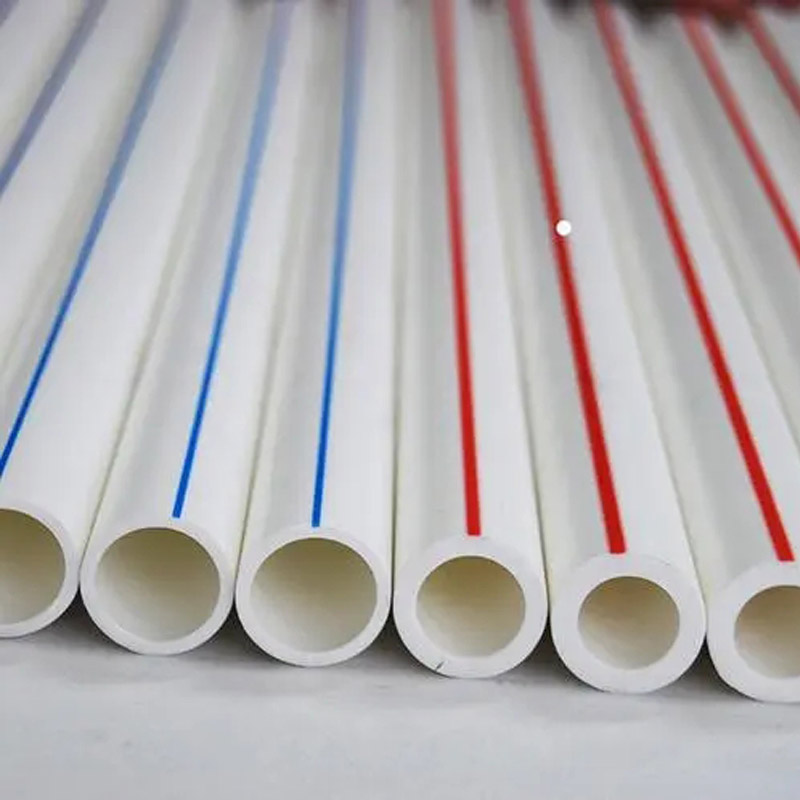
Polyvinyl Chloride (PVC) pipe, widely recognized for its versatility and cost-effectiveness, represents a significant component in modern infrastructure. This technical guide focuses on discount PVC pipe price per meter, examining its position within the broader piping industry. PVC pipe is utilized extensively in water distribution, irrigation, drainage, and wastewater conveyance systems. Its widespread adoption is driven by its corrosion resistance, durability, and relatively low material cost. The 'discount' aspect refers to the optimization of manufacturing processes and material sourcing to provide a competitively priced product without compromising adherence to established industry standards. Core performance characteristics include pressure handling capabilities, tensile strength, and long-term hydrostatic strength, all critical factors influencing its suitability for specific applications. Understanding these characteristics, alongside manufacturing nuances and potential failure modes, is crucial for informed procurement and effective system design.
Material Science & Manufacturing
PVC pipe is predominantly composed of polyvinyl chloride resin, a thermoplastic polymer produced by the polymerization of vinyl chloride monomer. The raw material exhibits inherent rigidity and is typically blended with plasticizers, stabilizers, and lubricants to achieve desired flexibility and processing characteristics. Common plasticizers, such as phthalates or more recently, bio-based alternatives, reduce the glass transition temperature (Tg) of PVC, enhancing its ductility. Stabilizers, including organotin compounds or calcium-zinc stabilizers, prevent thermal degradation during processing and extend the service life of the pipe. Lubricants facilitate polymer flow during extrusion. Manufacturing primarily utilizes extrusion processes. PVC resin, along with additives, is fed into a single-screw or twin-screw extruder where it is heated and homogenized. The molten PVC is then forced through a die to form a continuous pipe profile. Critical parameters in extrusion include die temperature (typically between 180-220°C), screw speed, and haul-off speed, all influencing pipe dimensions and wall thickness consistency. Cooling is achieved through water baths, followed by precise cutting to length. Quality control measures include regular testing of material composition, hydrostatic pressure testing, and dimensional verification. The grade of PVC (Schedule 40, Schedule 80, etc.) dictates the wall thickness and consequently, the pressure-bearing capacity of the pipe.
Performance & Engineering
The performance of PVC pipe is significantly influenced by its ability to withstand internal hydrostatic pressure and external loads. Force analysis considers hoop stress, longitudinal stress, and bending moments, particularly when subjected to soil loading or traffic. PVC’s relatively low modulus of elasticity (approximately 3-4 GPa) necessitates careful consideration of deflection under load to prevent buckling or joint failure. Environmental resistance is a key advantage; PVC exhibits excellent resistance to most acids, bases, and salts, making it suitable for corrosive environments. However, prolonged exposure to UV radiation can lead to embrittlement and discoloration, requiring the addition of UV stabilizers or protective coatings for outdoor applications. Compliance requirements are dictated by various standards, including ASTM D1785 (for PVC pipe dimensions), ASTM D2412 (for PVC pipe performance), and local building codes. Hydrostatic pressure testing, conducted at elevated temperatures, verifies the short-term strength of the pipe. Long-term hydrostatic strength is assessed through extrapolation based on accelerated aging studies and models. Proper installation practices, including adequate bedding and backfill, are crucial for ensuring long-term performance and preventing premature failure.
Technical Specifications
| Parameter | Schedule 40 | Schedule 80 | ASTM D1785 Specification |
|---|---|---|---|
| Material | PVC (Polyvinyl Chloride) | PVC (Polyvinyl Chloride) | Type I, Grade 1 |
| Wall Thickness (Nominal) | 0.133 inches (3.37 mm) | 0.179 inches (4.55 mm) | Varies based on diameter and schedule |
| Pressure Rating (at 73°F) | 400 psi (2.76 MPa) | 600 psi (4.14 MPa) | Dependent on diameter and schedule |
| Tensile Strength | 6,000 psi (41.4 MPa) | 6,000 psi (41.4 MPa) | Minimum 6,000 psi (41.4 MPa) |
| Modulus of Elasticity | 3.0 – 4.0 GPa | 3.0 – 4.0 GPa | Typical range |
| Operating Temperature Range | -40°F to 140°F (-40°C to 60°C) | -40°F to 140°F (-40°C to 60°C) | Up to 140°F (60°C) |
Failure Mode & Maintenance
PVC pipe, while durable, is susceptible to several failure modes. Brittle fracture can occur due to excessive stress, particularly at low temperatures or in areas with pre-existing flaws. Long-term creep, a time-dependent deformation under sustained stress, can lead to gradual loss of pressure rating. Chemical attack from aggressive solvents or certain industrial chemicals can cause degradation and weakening of the pipe material. UV degradation, as mentioned previously, results in surface cracking and embrittlement. Joint failures are common, often attributed to improper solvent welding, inadequate preparation of joining surfaces, or stress concentration at fittings. Soil settlement or ground movement can induce excessive stress on buried pipes, leading to cracking or joint separation. Maintenance primarily involves regular inspections for leaks, cracks, and signs of degradation. For minor cracks, patching with PVC cement and appropriate reinforcement materials may be effective. For significant damage, replacement of the affected pipe section is typically recommended. Proper backfilling and bedding during installation are critical preventative maintenance measures. Periodic testing of water pressure and flow rates can help identify potential problems before they escalate. Avoiding the use of incompatible solvents near PVC pipe is essential to prevent chemical degradation.
Industry FAQ
Q: What is the impact of temperature on the pressure rating of PVC pipe?
A: The pressure rating of PVC pipe is temperature dependent. As temperature increases, the strength of the PVC material decreases, resulting in a lower allowable operating pressure. Pressure ratings provided by manufacturers are typically specified at 73°F (23°C). De-rating factors are often applied for higher operating temperatures to ensure safe and reliable performance. These factors are outlined in ASTM D2412 and manufacturer’s technical specifications.
Q: How does the Schedule number (e.g., Schedule 40, Schedule 80) affect pipe performance?
A: The Schedule number directly correlates to the pipe wall thickness. Higher Schedule numbers indicate thicker walls, resulting in greater pressure-bearing capacity and improved resistance to external loads. Schedule 80 pipes, with their thicker walls, are generally used in higher-pressure applications or where greater mechanical strength is required. However, increased wall thickness also leads to higher material costs.
Q: What are the common causes of joint failure in PVC piping systems?
A: Common causes include improper solvent welding techniques (insufficient cement application, improper cleaning of surfaces), using incompatible solvents or cements, inadequate curing time, excessive stress on the joint due to improper installation or ground movement, and the presence of contaminants on joining surfaces. Careful adherence to solvent welding procedures and proper surface preparation are crucial for preventing joint failures.
Q: How can I mitigate the risk of UV degradation in outdoor PVC pipe applications?
A: UV degradation can be mitigated by using PVC compounds formulated with UV stabilizers, applying protective coatings specifically designed for PVC, or burying the pipe below ground level to shield it from direct sunlight. Painting the pipe with a light-colored, reflective paint can also help reduce UV absorption and minimize degradation.
Q: What are the environmental considerations associated with PVC pipe disposal?
A: PVC is not readily biodegradable. While recycling infrastructure for PVC is growing, a significant portion of end-of-life PVC pipe ends up in landfills. Proper disposal methods, including recycling where available, are crucial to minimizing environmental impact. Manufacturers are increasingly focusing on developing more sustainable PVC formulations and improving recycling processes.
Conclusion
Discount PVC pipe price per meter offers a compelling balance of cost-effectiveness and performance, making it a prevalent choice across numerous industries. A thorough understanding of its material science, manufacturing processes, and engineering principles is paramount for selecting the appropriate grade and schedule for a given application. Addressing potential failure modes through preventative maintenance and proper installation techniques is vital for ensuring long-term system integrity and minimizing lifecycle costs.
Furthermore, staying abreast of evolving industry standards and environmental regulations is essential for responsible procurement and sustainable utilization of PVC piping systems. The ongoing development of bio-based plasticizers and improved recycling technologies promises to further enhance the sustainability profile of PVC pipe in the years to come.
-
DN25 HDPE Compression Fitting-HORON INTERNATIONAL|Reliable Irrigation Solutions
NewsFeb.11,2026
-
hdpe coupling joint product Manufacturing Analysis
News2026-11-18
-
ppr pipe heating time products Performance Analysis
News2026-11-16
-
hdpe pipe sizes factory Performance Analysis
News2026-11-09
-
HDPE Pipe Sizes Service Performance Analysis
News2026-10-26
-
wholesale 15mm ppr pipe Material Science and Performance Analysis
News2026-10-20
-
wholesale pvc pipe price per foot Technical Analysis
News2026-09-21
-
wholesale long pvc pipe Technical Analysis and Manufacturing Specifications
News2026-09-15
-
wholesale plumbing kitchen sink water lines Material Performance
News2026-09-15
-
wholesale hdpe drip irrigation Material Science
News2026-09-15
-
wholesale hot water ppr pipe Performance Analysis
News2026-09-15
-
wholesale ppr plumbing Performance Analysis
News2026-09-15
-
wholesale ppr pipe supplier Performance Analysis
News2026-09-13
-
wholesale 50mm ppr pipe Performance Analysis
News2026-09-13
-
wholesale hdpe drip pipe Performance Analysis
News2026-09-13
-
wholesale hdpe pipe 63mm price Manufacturing Specification and Performance Analysis
News2026-09-13