

Feb . 11, 2026 00:01 Back to list
discount pvc pipe price per foot Performance Analysis

Introduction
Polyvinyl chloride (PVC) pipe is a ubiquitous material in modern infrastructure, serving critical roles in potable water distribution, irrigation, drainage, and industrial fluid transport. This technical guide provides an in-depth analysis of PVC pipe, specifically addressing the factors impacting discount PVC pipe price per foot. The price is dictated by raw material costs (ethylene and chlorine), manufacturing processes, pipe schedule (wall thickness), diameter, and regional supply and demand. This document will detail the material science, manufacturing techniques, performance characteristics, failure modes, and relevant industry standards associated with PVC pipe, providing a comprehensive resource for procurement professionals, engineers, and installers. The industry faces increasing scrutiny regarding long-term durability, environmental impact of PVC production and disposal, and the potential for leaching of additives. Understanding these aspects is crucial for informed decision-making.
Material Science & Manufacturing
PVC is a thermoplastic polymer synthesized through the polymerization of vinyl chloride monomer (VCM). The raw materials, ethylene and chlorine, are typically derived from petrochemical and chlor-alkali processes, respectively. PVC's inherent rigidity is modified through the addition of plasticizers, primarily phthalates or alternatives like DINP, which impact flexibility and cost. The resulting compound is then processed into pipe using several methods. Extrusion is the most common; PVC compound is heated and forced through a die to create continuous pipe lengths. Critical parameters during extrusion include temperature control (to prevent degradation), screw speed (affecting throughput), and die design (determining dimensional accuracy). Injection molding is used for fittings. Post-extrusion processes include cooling, sizing, printing, and cutting to length. Quality control involves rigorous testing of material properties, dimensional tolerances, and hydrostatic pressure resistance. The molecular weight distribution of the PVC resin significantly impacts the pipe’s impact strength and long-term creep resistance. Additives, such as UV stabilizers and antioxidants, are crucial for protecting against environmental degradation. Chemical compatibility with transported fluids is also a primary material selection consideration.
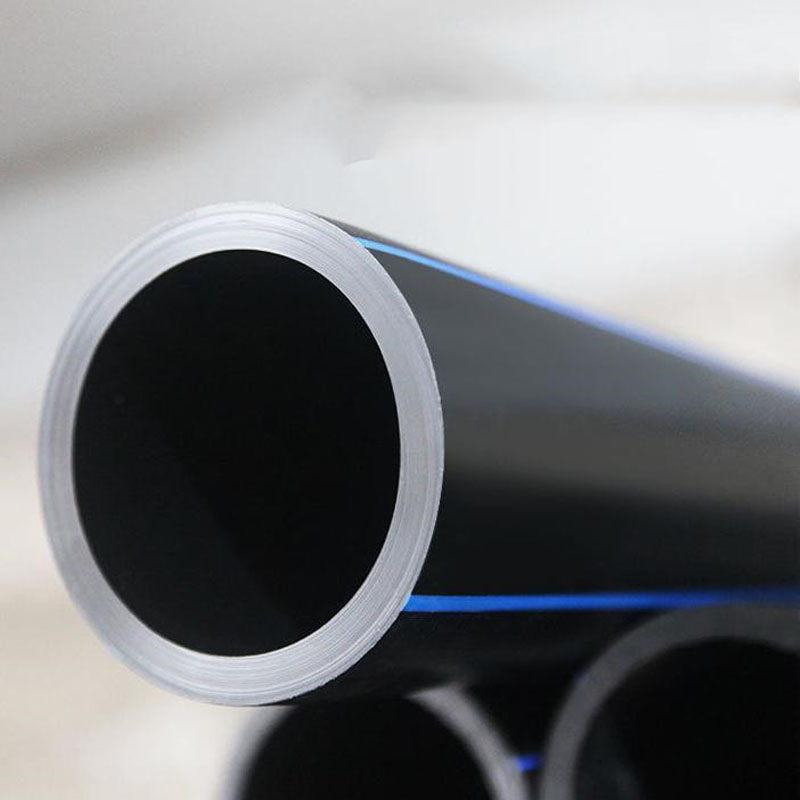
Performance & Engineering
PVC pipe performance is governed by its ability to withstand internal hydrostatic pressure, external loads (soil burial, traffic), and environmental stressors. Force analysis considers hoop stress (resulting from internal pressure) and longitudinal stress (due to temperature fluctuations and installation stresses). The pipe schedule (e.g., Schedule 40, Schedule 80) dictates wall thickness and consequently, pressure-bearing capacity. Environmental resistance is critical; PVC is susceptible to degradation from prolonged UV exposure, leading to embrittlement. Temperature also affects performance; PVC becomes more brittle at lower temperatures and can soften under high temperatures. Soil chemical composition influences long-term durability, especially in aggressive environments with high sulfate concentrations. Compliance requirements, such as NSF/ANSI 61 for potable water systems and ASTM D1785 for irrigation, dictate material specifications, testing protocols, and permissible contaminant levels. Installation practices are crucial; proper bedding and backfill compaction are essential to prevent pipe deformation and stress cracking. The coefficient of linear expansion for PVC is relatively high, requiring expansion joints in long runs to accommodate thermal movement.
Technical Specifications
| Parameter | Schedule 40 (inches) | Schedule 80 (inches) | ASTM D1785 Standard |
|---|---|---|---|
| Nominal Pipe Size (NPS) - 1/2" | 0.625" OD, 0.54" ID | 0.625" OD, 0.50" ID | Specifies dimensions and markings |
| Nominal Pipe Size (NPS) - 1" | 1.050" OD, 0.84" ID | 1.050" OD, 0.79" ID | Governs material composition |
| Nominal Pipe Size (NPS) - 2" | 2.375" OD, 2.067" ID | 2.375" OD, 1.939" ID | Defines hydrostatic design stress |
| Nominal Pipe Size (NPS) - 4" | 4.500" OD, 4.025" ID | 4.500" OD, 3.815" ID | Outlines long-term hydrostatic strength |
| Hydrostatic Design Stress (HDS) | 4000 psi | 6000 psi | Minimum requirement for sustained pressure |
| Tensile Strength | 6,895 psi | 6,895 psi | Measures resistance to breaking under tension |
Failure Mode & Maintenance
PVC pipe is susceptible to several failure modes. Brittle failure can occur due to impact damage, especially at low temperatures. Long-term creep, or slow deformation under sustained stress, can lead to gradual loss of pressure-bearing capacity. Stress cracking, induced by sustained tensile stress in corrosive environments, is a common failure mechanism. UV degradation causes embrittlement and surface cracking. Chemical attack from certain solvents and aggressive chemicals can lead to swelling, softening, and eventual failure. Joint failures often occur due to improper solvent welding or gasket failures. Maintenance involves periodic visual inspections for cracks, leaks, and signs of degradation. Proper joint sealing and protection from direct sunlight are crucial preventative measures. For buried pipelines, corrosion protection (e.g., cathodic protection) may be necessary in aggressive soil environments. Pressure testing should be conducted periodically to verify system integrity. Repair options include patching with PVC cement and couplings, or section replacement. Corrective action should address the root cause of the failure, such as improving soil conditions or modifying fluid chemistry.
Industry FAQ
Q: What is the primary driver of price fluctuations for discount PVC pipe?
A: The dominant factor is the cost of raw materials – ethylene and chlorine. Ethylene prices are directly linked to crude oil prices, while chlorine costs are influenced by energy prices and demand from other industries. Supply chain disruptions and geopolitical events can also significantly impact pricing.
Q: How does pipe schedule impact the cost per foot, and what applications necessitate a higher schedule?
A: Higher pipe schedules (e.g., Schedule 80 vs. Schedule 40) have thicker walls, requiring more material and thus increasing the cost per foot. Higher schedules are essential for applications involving higher operating pressures, elevated temperatures, or increased external loads, such as industrial process piping or high-pressure water distribution systems.
Q: What are the long-term environmental concerns associated with PVC pipe, and are there sustainable alternatives?
A: Concerns include the use of phthalate plasticizers (some of which are regulated), the energy-intensive production process, and the challenges of PVC recycling. Sustainable alternatives include HDPE (high-density polyethylene), CPVC (chlorinated PVC – offers higher temperature resistance), and bio-based polymers, though these options often come with a higher initial cost.
Q: What is the significance of NSF/ANSI 61 certification for PVC pipe used in potable water systems?
A: NSF/ANSI 61 certification ensures that the PVC pipe and its components do not leach harmful contaminants into the drinking water. It verifies that the materials meet stringent health and safety standards, protecting public health.
Q: What installation practices can minimize the risk of failure in PVC pipe systems?
A: Proper bedding and backfill compaction are critical to prevent stress on the pipe. Correct solvent welding techniques are essential for leak-proof joints. Expansion joints should be used in long runs to accommodate thermal expansion and contraction. Avoid direct contact with incompatible chemicals and protect the pipe from UV exposure.
Conclusion
Discount PVC pipe price per foot is a complex equation influenced by raw material costs, manufacturing processes, and performance requirements. Understanding the material science of PVC, including the role of additives and the impact of environmental factors, is crucial for selecting the appropriate pipe for a given application. Adherence to relevant industry standards, such as ASTM D1785 and NSF/ANSI 61, ensures product quality and safety.
Long-term durability and sustainability are increasingly important considerations. While PVC offers a cost-effective solution for many applications, awareness of its potential failure modes and the availability of alternative materials is essential for making informed decisions. Proper installation practices and ongoing maintenance are vital for maximizing the lifespan and reliability of PVC pipe systems.
-
DN25 HDPE Compression Fitting-HORON INTERNATIONAL|Reliable Irrigation Solutions
NewsFeb.11,2026
-
hdpe coupling joint product Manufacturing Analysis
News2026-11-18
-
ppr pipe heating time products Performance Analysis
News2026-11-16
-
hdpe pipe sizes factory Performance Analysis
News2026-11-09
-
HDPE Pipe Sizes Service Performance Analysis
News2026-10-26
-
wholesale 15mm ppr pipe Material Science and Performance Analysis
News2026-10-20
-
wholesale pvc pipe price per foot Technical Analysis
News2026-09-21
-
wholesale long pvc pipe Technical Analysis and Manufacturing Specifications
News2026-09-15
-
wholesale plumbing kitchen sink water lines Material Performance
News2026-09-15
-
wholesale hdpe drip irrigation Material Science
News2026-09-15
-
wholesale hot water ppr pipe Performance Analysis
News2026-09-15
-
wholesale ppr plumbing Performance Analysis
News2026-09-15
-
wholesale ppr pipe supplier Performance Analysis
News2026-09-13
-
wholesale 50mm ppr pipe Performance Analysis
News2026-09-13
-
wholesale hdpe drip pipe Performance Analysis
News2026-09-13
-
wholesale hdpe pipe 63mm price Manufacturing Specification and Performance Analysis
News2026-09-13