

Feb . 11, 2026 00:01 Back to list
discount pvc pipe list Technical Analysis
Introduction
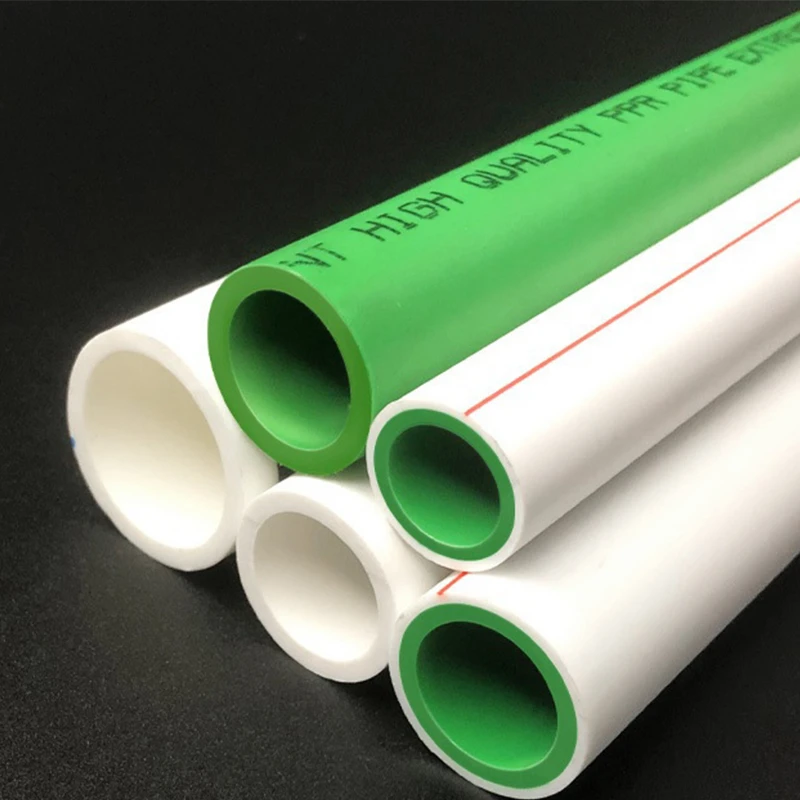
Polyvinyl Chloride (PVC) piping represents a significant component within fluid conveyance systems across a multitude of industries, ranging from municipal water distribution and irrigation to chemical processing and industrial drainage. Discount PVC pipe, specifically, refers to PVC pipe offered at reduced pricing, often driven by volume purchasing, manufacturer promotions, or grade variations. While cost-effectiveness is a primary driver, understanding the technical implications of these discounts – regarding material composition, schedule (wall thickness), and applicable standards – is crucial for ensuring system integrity and longevity. This guide provides an in-depth technical analysis of discount PVC pipe, covering material science, manufacturing processes, performance characteristics, potential failure modes, and relevant industry standards. Core pain points in the industry revolve around balancing initial cost savings with long-term reliability, maintaining chemical compatibility with conveyed fluids, and adhering to stringent regulatory requirements. Incorrect material selection based solely on price can result in premature failure, costly repairs, and potential environmental hazards.
Material Science & Manufacturing
PVC is a thermoplastic polymer comprised of vinyl chloride monomers. Its inherent properties – including corrosion resistance, flame retardancy, and ease of installation – contribute to its widespread use. Discount PVC pipe can utilize different formulations of PVC, impacting its physical and chemical characteristics. Commonly employed raw materials include PVC resin, plasticizers (such as phthalates or alternatives), stabilizers (typically lead-based or calcium-zinc based – with increasing preference for the latter due to environmental concerns), lubricants, and fillers. The ratio of these components directly influences the pipe's flexibility, impact strength, and long-term durability.
Manufacturing processes for PVC pipe typically involve extrusion. PVC resin and additives are blended, heated, and forced through a die to create a continuous pipe profile. Critical parameters during extrusion include die temperature, screw speed, and cooling rate. Variations in these parameters can lead to inconsistencies in wall thickness, diameter, and surface finish. Pipe schedules (e.g., Schedule 40, Schedule 80) denote the nominal wall thickness, directly impacting the pipe's pressure rating and structural integrity. Discount PVC pipe may often be Schedule 40, which is suitable for lower-pressure applications. Quality control measures, including dimensional checks, hydrostatic pressure testing, and material composition analysis, are essential to ensure compliance with industry standards. Jointing methods commonly include solvent welding, threaded connections, and gasketed joints; proper preparation and application of these methods are critical for leak-proof performance. The source of the PVC resin plays a large role – virgin resin offers superior performance compared to recycled content, although recycled PVC can be suitable for non-critical applications.
Performance & Engineering
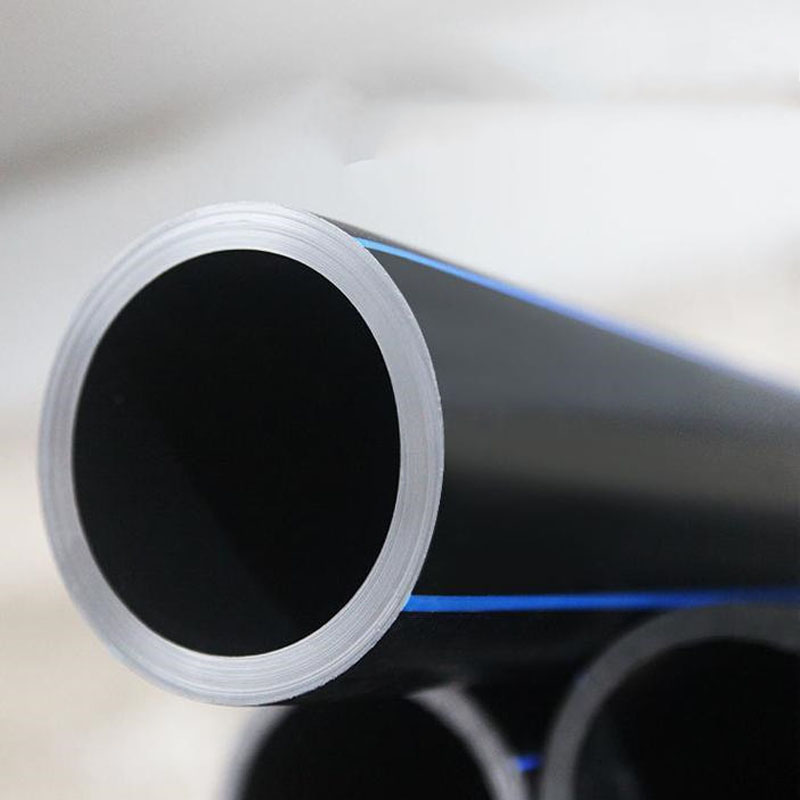
The performance of PVC pipe is characterized by its pressure rating, tensile strength, impact resistance, and chemical resistance. Pressure rating, typically expressed in PSI (pounds per square inch), is determined by the pipe schedule and temperature. Higher schedules and lower temperatures yield higher pressure ratings. Tensile strength, a measure of the pipe’s resistance to stretching, is crucial for withstanding internal pressure and external loads. Impact resistance, particularly important in applications susceptible to accidental damage, is affected by the formulation of PVC and the presence of impact modifiers.
Chemical resistance is a critical consideration, as certain chemicals can cause PVC to degrade, swell, or become brittle. The compatibility of PVC with the conveyed fluid must be carefully evaluated. For example, PVC is generally resistant to acids, alkalis, and aliphatic hydrocarbons, but can be susceptible to attack by aromatic hydrocarbons, ketones, and esters. Environmental resistance encompasses UV exposure and temperature fluctuations. Prolonged exposure to ultraviolet radiation can cause PVC to become brittle and discolored. Temperature extremes can affect the pipe’s dimensional stability and impact strength. Engineering calculations must consider factors such as fluid velocity, pressure drop, and thermal expansion/contraction. Compliance requirements vary depending on the application and geographical location, with standards like NSF/ANSI 61 for potable water systems and ASTM D1785 for irrigation pipes being particularly relevant. Fatigue analysis should be considered in applications involving cyclical pressure or loading.
Technical Specifications
| Parameter | Schedule 40 PVC | Schedule 80 PVC | CPVC (Chlorinated PVC) | Units |
|---|---|---|---|---|
| Pressure Rating (at 73°F) | 200 | 600 | 400 | PSI |
| Tensile Strength | 6,000 | 6,000 | 6,500 | PSI |
| Impact Strength (Izod Notched) | 8-12 | 8-12 | 10-15 | ft-lb/in |
| Water Absorption (24hr) | 0.05 | 0.05 | 0.10 | % |
| Operating Temperature Range | -40 to 140 | -40 to 140 | -40 to 180 | °F |
| Chemical Resistance | Good | Good | Excellent | Qualitative |
Failure Mode & Maintenance
Common failure modes in PVC piping include cracking, splitting, and degradation. Cracking can result from excessive stress, impact damage, or exposure to incompatible chemicals. Splitting may occur during installation due to improper solvent welding or overtightening of threaded connections. Degradation is often caused by prolonged UV exposure, thermal cycling, or chemical attack. Specifically, exposure to chlorinated water can lead to chlorine embrittlement, reducing the pipe's impact strength.
Failure analysis should involve visual inspection, material testing, and assessment of the operating conditions. Maintenance practices include regular visual inspections for cracks, leaks, and signs of degradation. Protecting PVC pipe from direct sunlight using coatings or burial can extend its service life. Properly supporting the pipe to prevent excessive stress is crucial. In applications involving corrosive fluids, periodic testing of the pipe material is recommended to assess its chemical resistance. For solvent-welded joints, ensure proper surface preparation and application of the correct primer and cement. Should a leak occur, the affected section of pipe should be replaced, utilizing compatible materials and proper installation techniques. Long-term corrosion monitoring can be achieved with ultrasonic testing or eddy current methods for detecting wall thinning.
Industry FAQ
Q: What is the impact of using recycled PVC in discount pipe on long-term performance?
A: Recycled PVC typically exhibits reduced impact strength and UV resistance compared to virgin PVC. While suitable for less demanding applications like irrigation, its use in critical systems – such as pressurized water lines or chemical conveyance – should be carefully evaluated. The percentage of recycled content and the quality control measures employed by the manufacturer are key considerations.
Q: How do different plasticizers affect the flexibility and temperature resistance of PVC pipe?
A: Plasticizers are added to PVC to enhance its flexibility. Phthalate-based plasticizers offer good flexibility but have raised environmental and health concerns. Alternative plasticizers, such as those based on adipates or citrates, are becoming more common, but may exhibit different temperature performance characteristics. Lower temperature resistance is a common trade-off with some plasticizer alternatives.
Q: What is the significance of the NSF/ANSI 61 certification for PVC pipe used in potable water systems?
A: NSF/ANSI 61 certification ensures that the PVC pipe and any additives used in its manufacturing do not leach harmful contaminants into the drinking water. It is a critical requirement for compliance with public health regulations and provides assurance of water quality.
Q: How does solvent welding affect the long-term integrity of PVC pipe joints?
A: Proper solvent welding creates a chemical weld between the pipe and fitting, resulting in a joint as strong as the pipe itself. However, improper techniques – such as insufficient primer application, inadequate drying time, or using incompatible solvent cement – can lead to weak joints prone to failure. Consistent adherence to manufacturer instructions is essential.
Q: What are the key considerations when selecting PVC pipe for underground applications?
A: For underground applications, factors such as soil corrosivity, groundwater chemistry, and external loading must be considered. Pipe with sufficient burial depth and appropriate backfill material is crucial to prevent damage. Select a pipe with adequate strength to withstand external loads (traffic, soil pressure) and ensure its chemical resistance is compatible with the surrounding soil environment.
Conclusion
Discount PVC pipe offers a cost-effective solution for many fluid conveyance applications. However, informed selection necessitates a thorough understanding of the material science, manufacturing processes, and performance characteristics associated with various PVC formulations and schedules. Prioritizing compatibility with the conveyed fluid, adherence to relevant industry standards, and proper installation techniques are paramount for ensuring long-term system reliability and minimizing the risk of premature failure.
Ultimately, the true cost-effectiveness of discount PVC pipe hinges on a holistic evaluation that considers not only the initial purchase price but also the potential for maintenance, repair, and replacement costs over the system’s lifecycle. A technically sound approach, focused on quality control and adherence to best practices, will yield the most sustainable and reliable results.
-
DN25 HDPE Compression Fitting-HORON INTERNATIONAL|Reliable Irrigation Solutions
NewsFeb.11,2026
-
hdpe coupling joint product Manufacturing Analysis
News2026-11-18
-
ppr pipe heating time products Performance Analysis
News2026-11-16
-
hdpe pipe sizes factory Performance Analysis
News2026-11-09
-
HDPE Pipe Sizes Service Performance Analysis
News2026-10-26
-
wholesale 15mm ppr pipe Material Science and Performance Analysis
News2026-10-20
-
wholesale pvc pipe price per foot Technical Analysis
News2026-09-21
-
wholesale long pvc pipe Technical Analysis and Manufacturing Specifications
News2026-09-15
-
wholesale plumbing kitchen sink water lines Material Performance
News2026-09-15
-
wholesale hdpe drip irrigation Material Science
News2026-09-15
-
wholesale hot water ppr pipe Performance Analysis
News2026-09-15
-
wholesale ppr plumbing Performance Analysis
News2026-09-15
-
wholesale ppr pipe supplier Performance Analysis
News2026-09-13
-
wholesale 50mm ppr pipe Performance Analysis
News2026-09-13
-
wholesale hdpe drip pipe Performance Analysis
News2026-09-13
-
wholesale hdpe pipe 63mm price Manufacturing Specification and Performance Analysis
News2026-09-13