

Feb . 11, 2026 00:01 Back to list
discount pvc pipe for sale Performance Engineering
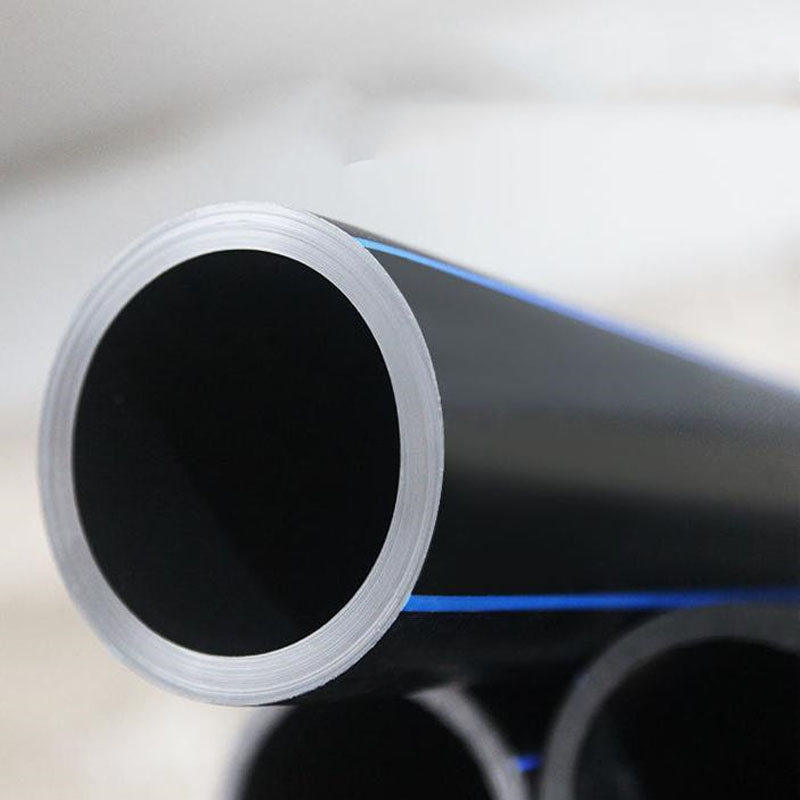
Introduction
Polyvinyl chloride (PVC) pipe represents a foundational element in modern infrastructure, serving diverse applications ranging from potable water distribution and irrigation to drainage, sewage, and industrial fluid transport. The designation 'discount PVC pipe for sale' reflects a competitive market segment focused on cost-effective solutions, primarily achieved through optimized manufacturing processes and material formulations. However, cost reduction must be carefully balanced against maintaining critical performance characteristics such as pressure rating, long-term durability, and compliance with relevant industry standards. This guide provides a comprehensive technical overview of PVC pipe, encompassing material science, manufacturing processes, performance engineering, potential failure modes, and applicable standards. A core industry pain point revolves around ensuring that reduced pricing doesn’t correlate with reduced service life or compromised safety, especially in critical applications where failure can have significant consequences.
Material Science & Manufacturing
PVC is a thermoplastic polymer formed through the polymerization of vinyl chloride monomer (VCM). The raw material, ethylene dichloride (EDC), is produced from ethylene and chlorine. EDC is then cracked to produce VCM, which is subsequently polymerized. PVC formulations typically include plasticizers (like phthalates or alternatives), stabilizers (to prevent degradation from heat and UV exposure – commonly calcium-zinc or lead-based stabilizers, though the latter are increasingly restricted), lubricants (to aid processing), and pigments. The type and concentration of these additives significantly impact the final properties of the pipe. Manufacturing processes for PVC pipe predominantly involve extrusion. Rigid PVC pipe, used for pressure applications, is manufactured via a continuous extrusion process where the PVC compound is heated, melted, and forced through a die to form a seamless pipe. Key parameters during extrusion include melt temperature (typically 180-220°C), screw speed, die pressure, and cooling rate. Proper calibration and sizing are critical to achieve dimensional accuracy and consistent wall thickness. Schedules (e.g., Schedule 40, Schedule 80) denote the pipe wall thickness and corresponding pressure rating. The polymer chain length (molecular weight) directly impacts tensile strength and impact resistance. Degradation during processing or use can lead to chain scission, reducing these properties.
Performance & Engineering
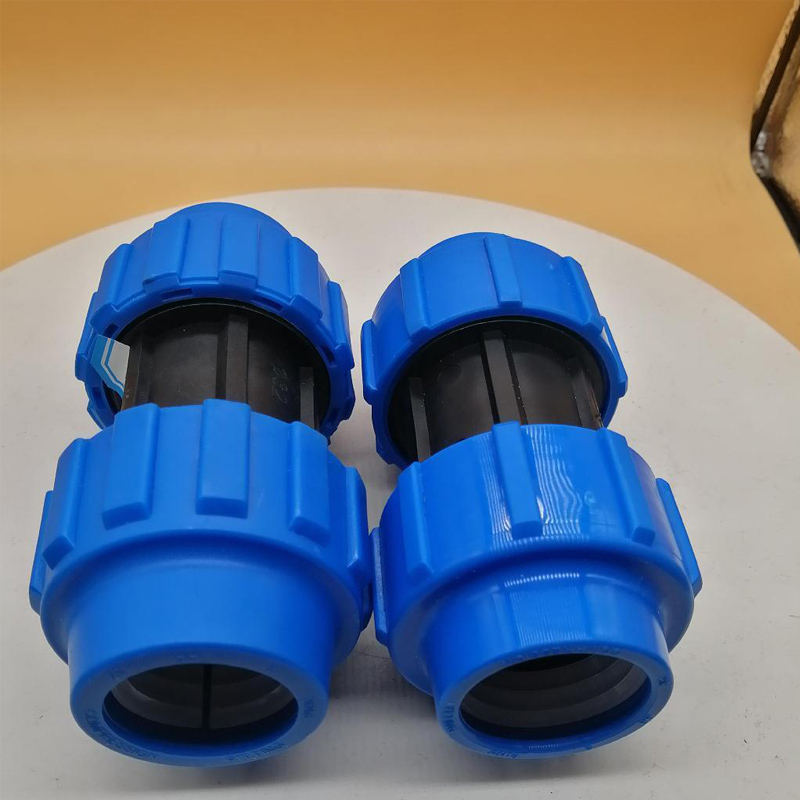
The performance of PVC pipe is primarily characterized by its pressure-bearing capacity, tensile strength, impact resistance, and chemical resistance. Hydrostatic pressure testing, conducted according to ASTM D1595, verifies the pipe’s ability to withstand internal pressure without failure. The long-term hydrostatic strength (LTHS) is a crucial parameter, determined through extrapolation of short-term test data, accounting for factors like temperature and material aging. PVC exhibits good resistance to many acids, bases, and salts, making it suitable for a wide range of chemical applications. However, it is susceptible to attack by certain organic solvents and chlorinated hydrocarbons. The modulus of elasticity (Young’s modulus) dictates the pipe’s stiffness and resistance to deflection under load. Soil loading, particularly in burial applications, requires careful consideration to prevent pipe deformation or collapse. Finite element analysis (FEA) is often employed to model stress distribution and optimize pipe design for specific loading conditions. Joints, typically solvent-welded or threaded, are critical points of potential failure and must be properly executed to maintain the integrity of the system. Thermal expansion and contraction, due to temperature fluctuations, must be accounted for in the system design to prevent stress buildup and potential joint failure.
Technical Specifications
| Parameter | Schedule 40 | Schedule 80 | ASTM D1785 Type I (PVC 1120) |
|---|---|---|---|
| Material | PVC Compound | PVC Compound | PVC Compound |
| Pressure Rating (psi at 73°F) | 400 psi | 600 psi | 400 psi |
| Tensile Strength (psi) | 6,000 – 8,000 | 7,000 – 9,000 | 6,000 - 8,000 |
| Impact Strength (Izod Notched, ft-lb/in) | 1.0 – 2.0 | 1.5 – 2.5 | 1.0 – 2.0 |
| Water Absorption (24 hr, %) | <0.1 | <0.1 | <0.1 |
| Chemical Resistance | Good to Excellent | Good to Excellent | Good to Excellent |
Failure Mode & Maintenance
Common failure modes for PVC pipe include brittle fracture (particularly at low temperatures), stress cracking (caused by prolonged exposure to tensile stress and aggressive chemicals), crazing (formation of microcracks on the surface), and UV degradation. Brittle fracture is exacerbated by impact loads or sudden pressure surges. Stress cracking is often initiated at imperfections or stress concentrators, such as joints or fittings. UV degradation leads to discoloration, embrittlement, and loss of impact resistance. Long-term exposure to elevated temperatures can also accelerate degradation. Maintenance involves regular visual inspections for cracks, leaks, or discoloration. Proper support and bedding are essential to prevent excessive stress on the pipe. Avoid using PVC pipe in applications where it will be exposed to incompatible chemicals. For repairs, solvent welding is the preferred method, ensuring proper surface preparation and adhesive application. If significant degradation is observed, the affected section of pipe should be replaced. Periodic hydrostatic testing can assess the ongoing integrity of the system. Preventive measures, like the application of UV-resistant coatings, can extend the service life of the pipe, especially in exposed applications.
Industry FAQ
Q: What is the impact of plasticizer migration on the long-term performance of PVC pipe?
A: Plasticizer migration, the leaching of plasticizers from the PVC matrix, can lead to embrittlement and reduced flexibility over time. This is particularly concerning in applications involving prolonged exposure to elevated temperatures or contact with certain chemicals. Higher-quality PVC formulations utilize plasticizers with lower migration rates or employ alternative plasticizers, such as polymeric plasticizers, to mitigate this issue. The rate of plasticizer migration is also influenced by the thickness of the pipe wall and the surrounding environmental conditions.
Q: How does the soil corrosivity affect the longevity of buried PVC pipe?
A: While PVC is inherently corrosion-resistant, highly corrosive soils can indirectly affect its longevity. Aggressive soil chemistry can degrade surrounding materials, potentially leading to mechanical damage to the pipe. Furthermore, some soils may exhibit electrical conductivity, promoting galvanic corrosion of metallic components in the system (e.g., fittings). Proper bedding and backfilling practices, including the use of inert materials, can minimize the impact of soil corrosivity.
Q: What are the key differences between Schedule 40 and Schedule 80 PVC pipe in terms of suitability for different applications?
A: Schedule 80 pipe has a thicker wall than Schedule 40 pipe, resulting in a higher pressure rating and increased impact resistance. Schedule 40 is suitable for general-purpose applications with moderate pressure requirements, such as irrigation and residential plumbing. Schedule 80 is preferred for higher-pressure applications, industrial processes, and situations where greater mechanical strength is needed. The increased cost of Schedule 80 must be weighed against the performance benefits.
Q: What is the role of stabilizers in PVC pipe manufacturing, and what are the environmental concerns associated with traditional stabilizers?
A: Stabilizers are essential additives that prevent PVC degradation during processing and use, protecting it from heat, UV radiation, and oxidation. Traditional stabilizers, particularly those containing lead, have raised environmental concerns due to their toxicity. Increasingly, manufacturers are transitioning to calcium-zinc stabilizers, which are more environmentally friendly, although they may offer slightly reduced thermal stability and can be more expensive.
Q: What testing methods are used to verify the long-term performance of PVC pipe before it is put into service?
A: Several testing methods are employed, including hydrostatic pressure testing (ASTM D1595) to verify short-term burst pressure, long-term hydrostatic strength (LTHS) prediction based on accelerated aging tests, impact resistance testing (ASTM D2444), and chemical resistance testing. Manufacturers also conduct quality control checks throughout the manufacturing process to ensure dimensional accuracy and material consistency.
Conclusion
Discount PVC pipe for sale offers a viable solution for numerous applications, provided that a comprehensive understanding of its material properties, manufacturing processes, and performance limitations is maintained. The balance between cost-effectiveness and durability is paramount, requiring careful consideration of the intended application and operating conditions. Selecting the appropriate schedule, utilizing proper installation techniques, and implementing preventative maintenance measures are crucial for maximizing the service life and ensuring the reliable performance of PVC piping systems.
Future developments in PVC technology focus on enhancing material properties through advanced polymer blends, utilizing bio-based plasticizers to reduce environmental impact, and optimizing manufacturing processes to lower production costs. Continued adherence to industry standards and rigorous quality control protocols will be essential for maintaining the integrity and safety of PVC infrastructure globally. Prioritizing long-term value over initial cost savings remains the most prudent approach for discerning buyers.
-
DN25 HDPE Compression Fitting-HORON INTERNATIONAL|Reliable Irrigation Solutions
NewsFeb.11,2026
-
hdpe coupling joint product Manufacturing Analysis
News2026-11-18
-
ppr pipe heating time products Performance Analysis
News2026-11-16
-
hdpe pipe sizes factory Performance Analysis
News2026-11-09
-
HDPE Pipe Sizes Service Performance Analysis
News2026-10-26
-
wholesale 15mm ppr pipe Material Science and Performance Analysis
News2026-10-20
-
wholesale pvc pipe price per foot Technical Analysis
News2026-09-21
-
wholesale long pvc pipe Technical Analysis and Manufacturing Specifications
News2026-09-15
-
wholesale plumbing kitchen sink water lines Material Performance
News2026-09-15
-
wholesale hdpe drip irrigation Material Science
News2026-09-15
-
wholesale hot water ppr pipe Performance Analysis
News2026-09-15
-
wholesale ppr plumbing Performance Analysis
News2026-09-15
-
wholesale ppr pipe supplier Performance Analysis
News2026-09-13
-
wholesale 50mm ppr pipe Performance Analysis
News2026-09-13
-
wholesale hdpe drip pipe Performance Analysis
News2026-09-13
-
wholesale hdpe pipe 63mm price Manufacturing Specification and Performance Analysis
News2026-09-13