

Feb . 11, 2026 00:01 Back to list
discount pvc pipe dimensions Performance Analysis
Introduction
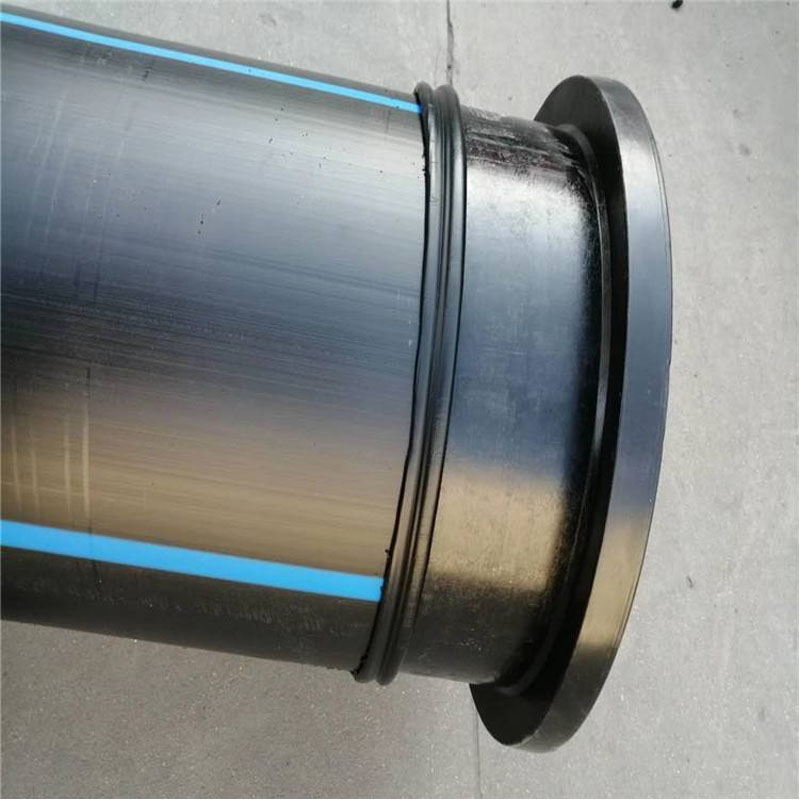
Polyvinyl chloride (PVC) pipe, specifically discounted PVC pipe, represents a significant segment within the broader thermoplastic piping industry. Its position in the industry chain stems from its versatility as a fluid conveyance system utilized in municipal water distribution, irrigation, drainage, and industrial applications. This guide details the technical characteristics of discount PVC pipe, focusing on dimensional accuracy, material composition, performance under pressure, and common failure mechanisms. The prevalence of ‘discount’ PVC indicates a price-sensitive market segment often prioritizing cost-effectiveness, necessitating a robust understanding of potential trade-offs in material quality and manufacturing tolerances. Core performance parameters include pressure rating (PSI), burst pressure, tensile strength, and adherence to relevant industry standards. Understanding these parameters is critical for engineers, procurement managers, and installers alike to ensure safe and reliable system operation.
Material Science & Manufacturing
Discount PVC pipe is fundamentally composed of PVC resin, a thermoplastic polymer produced through the polymerization of vinyl chloride monomer (VCM). The resin typically constitutes 50-60% of the pipe’s composition, with the remainder comprising plasticizers (often phthalates or increasingly, non-phthalate alternatives), stabilizers (typically lead-based or calcium-zinc based – with a shift towards the latter due to environmental concerns), lubricants, and impact modifiers. The choice of plasticizer directly impacts flexibility and low-temperature performance. Manufacturing processes primarily involve extrusion. PVC resin and additives are blended, heated, and forced through a die that shapes the pipe. Critical parameters during extrusion include die temperature (160-210°C), screw speed (30-120 RPM), and cooling rates. Dimensional accuracy is controlled by maintaining precise die tolerances and consistent cooling. Schedule 40 and Schedule 80 are common wall thicknesses, denoting the pipe’s pressure-bearing capacity. Lower-cost ‘discount’ pipes may exhibit wider dimensional variations and potentially inconsistent plasticizer distribution, impacting long-term durability. The material's inherent resistance to chemical degradation is a key advantage, but prolonged exposure to certain solvents and UV radiation can cause embrittlement.
Performance & Engineering
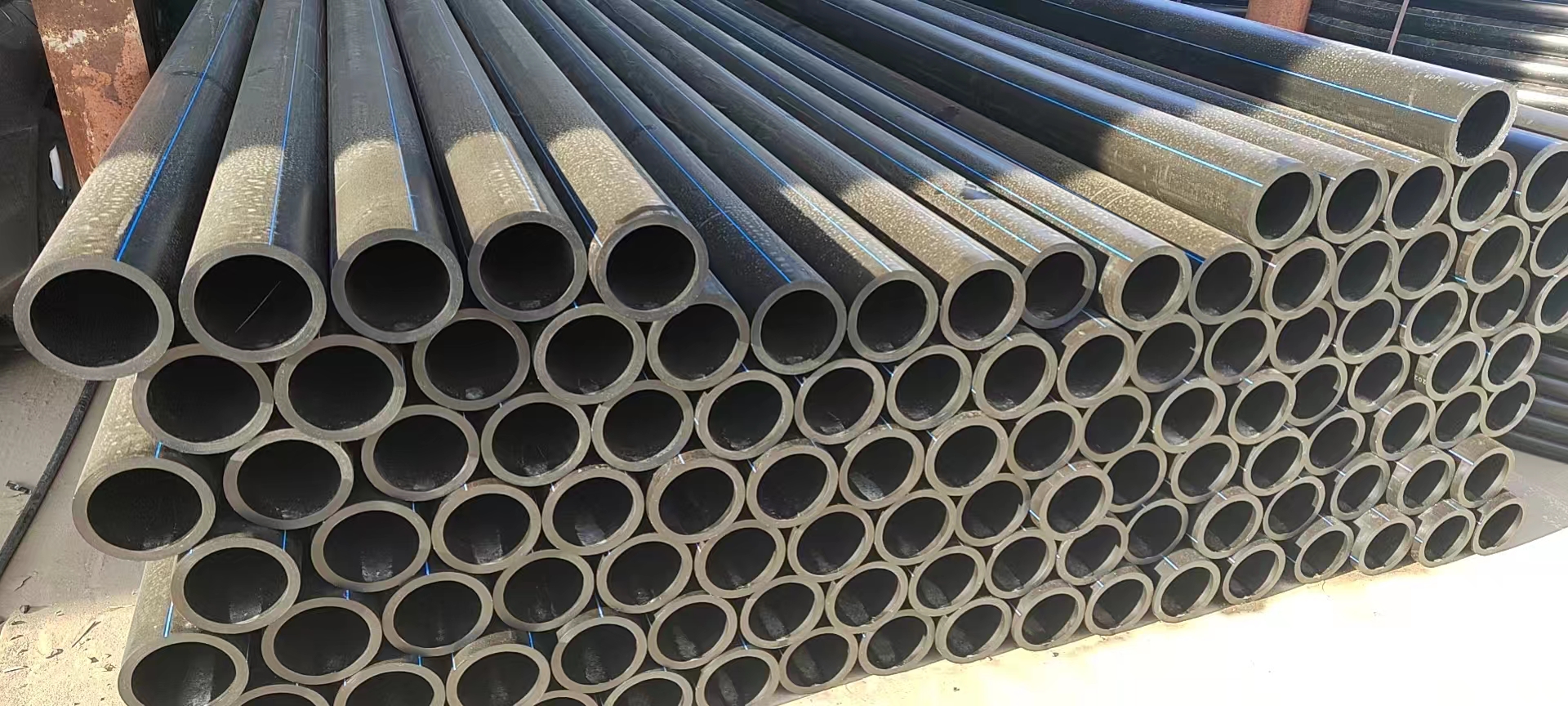
The performance of discount PVC pipe is governed by several engineering principles. Hoop stress, the stress exerted circumferentially on the pipe wall due to internal pressure, is a primary design consideration. This stress is calculated using Barlow’s Formula: S = (P D) / (2 t), where S is hoop stress, P is internal pressure, D is the outer diameter, and t is the wall thickness. Higher pressure ratings necessitate thicker walls (Schedule 80) to withstand increased hoop stress. Furthermore, PVC exhibits creep – a time-dependent deformation under sustained stress. This is particularly relevant for long-term applications where constant pressure is applied. The modulus of elasticity (approximately 3 GPa for PVC) dictates the pipe’s rigidity. Environmental resistance is crucial. While PVC is generally resistant to acids and bases, it can be susceptible to degradation from prolonged UV exposure, leading to discoloration and embrittlement. Installation practices, including proper bedding and backfill, are critical to prevent stress concentrations and potential cracking. Thermal expansion and contraction must also be accounted for, particularly in large-diameter pipelines, to prevent buckling or joint separation. Discount PVC may exhibit lower impact resistance due to reduced impact modifier content, making it more vulnerable to damage during handling and installation.
Technical Specifications
| Nominal Pipe Size (inches) | Schedule | Outside Diameter (inches) | Wall Thickness (inches) | Pressure Rating (PSI at 73°F) | Burst Pressure (PSI) |
|---|---|---|---|---|---|
| 1/2 | 40 | 0.625 | 0.065 | 400 | 1600 |
| 3/4 | 40 | 0.840 | 0.083 | 350 | 1400 |
| 1 | 40 | 1.050 | 0.095 | 300 | 1200 |
| 1 1/2 | 40 | 1.250 | 0.110 | 250 | 1000 |
| 2 | 40 | 1.500 | 0.130 | 200 | 800 |
| 4 | 40 | 4.500 | 0.218 | 100 | 400 |
Failure Mode & Maintenance
Discount PVC pipe is susceptible to several failure modes. Long-term hydrostatic stress can lead to slow crack propagation (SCG), particularly in pipes exposed to residual stress from installation or manufacturing. This is exacerbated by the presence of chlorine in water supplies. Impact damage, especially during handling and installation, can cause cracking and leaks. UV degradation causes surface cracking and embrittlement, reducing the pipe's tensile strength. Chemical attack from incompatible solvents can induce swelling and weakening of the PVC matrix. Joint failures are common, arising from improper solvent welding (insufficient cement application, inadequate drying time) or mechanical stress. Maintenance involves regular visual inspections for cracks, discoloration, and leaks. Pressure testing can identify hidden leaks. For minor cracks, epoxy-based repair compounds can provide temporary solutions, but complete replacement is often the preferred long-term solution. Proper bedding and backfill are vital preventive measures. For UV exposure, protective coatings or buried installation is recommended. Discount PVC, due to potentially lower quality control, may exhibit a higher incidence of these failure modes compared to premium-grade PVC.
Industry FAQ
Q: What is the impact of using lower-cost plasticizers in discount PVC pipe on its long-term performance?
A: Lower-cost plasticizers, particularly phthalates, can migrate out of the PVC matrix over time, leading to embrittlement and reduced flexibility. This migration is accelerated by elevated temperatures and exposure to certain chemicals. While offering initial cost savings, this can significantly reduce the pipe’s service life and increase the risk of failure. Non-phthalate plasticizers are increasingly used, but their performance characteristics can vary.
Q: How does the wall thickness (Schedule) affect the pressure rating and cost of PVC pipe?
A: Increasing the wall thickness (moving from Schedule 40 to Schedule 80) directly increases the pipe’s pressure rating because it increases resistance to hoop stress. However, a thicker wall requires more material, resulting in a higher cost. Schedule 80 pipes are typically used in applications requiring higher pressure capabilities or greater structural integrity.
Q: What are the key considerations for solvent welding PVC pipe, and how can failures be avoided?
A: Proper solvent welding is critical. Surfaces must be clean, dry, and free of contaminants. The correct primer and cement must be used, applied evenly, and allowed sufficient drying time (as per manufacturer’s instructions). Insufficient cement or inadequate drying can lead to weak joints prone to leaks. Temperature and humidity also impact the welding process.
Q: What are the limitations of PVC pipe regarding temperature?
A: PVC becomes brittle at low temperatures and can soften or deform at high temperatures. The maximum operating temperature for PVC is typically around 140°F (60°C). Exposure to temperatures outside this range can compromise the pipe’s structural integrity. Hot liquids should not be consistently passed through PVC piping.
Q: How does UV exposure affect PVC pipe, and what preventative measures can be taken?
A: UV radiation breaks down the PVC polymer chains, causing discoloration, surface cracking, and a reduction in tensile strength. This process is known as UV degradation. Preventative measures include using UV-resistant PVC compounds, painting the pipe with UV-protective coatings, or burying the pipe to shield it from direct sunlight.
Conclusion
Discount PVC pipe offers a cost-effective solution for various fluid conveyance applications. However, this affordability often comes with trade-offs in material quality, manufacturing tolerances, and long-term durability. A thorough understanding of the material science, engineering principles, potential failure modes, and proper installation techniques is paramount to ensure safe and reliable performance. Prioritizing quality control during manufacturing, employing appropriate installation practices, and implementing preventative maintenance measures are crucial for maximizing the service life of discount PVC pipe systems.
Ultimately, the selection of discount PVC pipe should be based on a comprehensive evaluation of the application’s specific requirements, including pressure rating, temperature range, chemical exposure, and long-term durability expectations. Careful consideration of these factors, coupled with adherence to relevant industry standards, will minimize the risk of premature failure and ensure a cost-effective and reliable piping solution.
-
DN25 HDPE Compression Fitting-HORON INTERNATIONAL|Reliable Irrigation Solutions
NewsFeb.11,2026
-
hdpe coupling joint product Manufacturing Analysis
News2026-11-18
-
ppr pipe heating time products Performance Analysis
News2026-11-16
-
hdpe pipe sizes factory Performance Analysis
News2026-11-09
-
HDPE Pipe Sizes Service Performance Analysis
News2026-10-26
-
wholesale 15mm ppr pipe Material Science and Performance Analysis
News2026-10-20
-
wholesale pvc pipe price per foot Technical Analysis
News2026-09-21
-
wholesale long pvc pipe Technical Analysis and Manufacturing Specifications
News2026-09-15
-
wholesale plumbing kitchen sink water lines Material Performance
News2026-09-15
-
wholesale hdpe drip irrigation Material Science
News2026-09-15
-
wholesale hot water ppr pipe Performance Analysis
News2026-09-15
-
wholesale ppr plumbing Performance Analysis
News2026-09-15
-
wholesale ppr pipe supplier Performance Analysis
News2026-09-13
-
wholesale 50mm ppr pipe Performance Analysis
News2026-09-13
-
wholesale hdpe drip pipe Performance Analysis
News2026-09-13
-
wholesale hdpe pipe 63mm price Manufacturing Specification and Performance Analysis
News2026-09-13