

Feb . 11, 2026 00:01 Back to list
discount purple pvc pipe Performance Analysis
Introduction
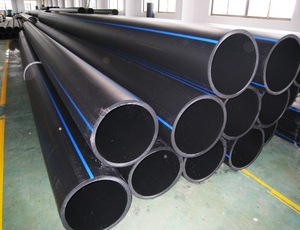
Polyvinyl Chloride (PVC) pipe, specifically discount purple PVC pipe, represents a significant component in fluid conveyance systems across numerous industries, including irrigation, drainage, plumbing, and industrial processing. The 'purple' designation isn’t arbitrary; it typically denotes non-potable water applications, crucial for preventing accidental consumption from systems carrying reclaimed or recycled water. This technical guide provides an in-depth examination of discount purple PVC pipe, encompassing its material science, manufacturing processes, performance characteristics, potential failure modes, and relevant industry standards. Its position within the supply chain ranges from raw material sourcing (ethylene and chlorine) through polymerization, extrusion, and ultimately, installation and operation. Core performance metrics include pressure rating, tensile strength, impact resistance, and long-term chemical stability. The prevalence of 'discount' pricing signals a competitive market often driven by volume production and strategic sourcing of raw materials, requiring careful consideration of quality control alongside cost-effectiveness.
Material Science & Manufacturing
Discount purple PVC pipe is primarily composed of PVC resin, plasticizers, stabilizers, lubricants, and colorants. The PVC resin itself is a thermoplastic polymer formed through the polymerization of vinyl chloride monomer (VCM). The specific grade of PVC used, typically a rigid PVC compound, dictates the pipe's inherent strength and durability. Plasticizers, such as phthalates or increasingly, alternatives like DINCH, are added to enhance flexibility and impact resistance, though discount versions may utilize higher concentrations of less expensive, potentially less stable plasticizers. Stabilizers, commonly metal-based compounds (e.g., tin stabilizers, calcium-zinc stabilizers), are critical for preventing degradation due to heat and UV exposure during processing and service life. Lubricants facilitate the extrusion process, reducing friction between the PVC compound and the processing equipment. The purple colorant, typically a combination of red and blue pigments, is added for identification purposes as non-potable water lines. Manufacturing involves extrusion: the PVC compound is heated and forced through a die to form a seamless pipe. Key parameters include die temperature, extrusion speed, and cooling rate. Precise control of these parameters is paramount to ensure consistent wall thickness, dimensional accuracy, and avoidance of defects such as voids or warping. Post-extrusion, the pipe undergoes cutting, beveling, and quality control inspections. The quality of the raw materials and the precision of the extrusion process directly impact the long-term performance and reliability of the pipe.
Performance & Engineering
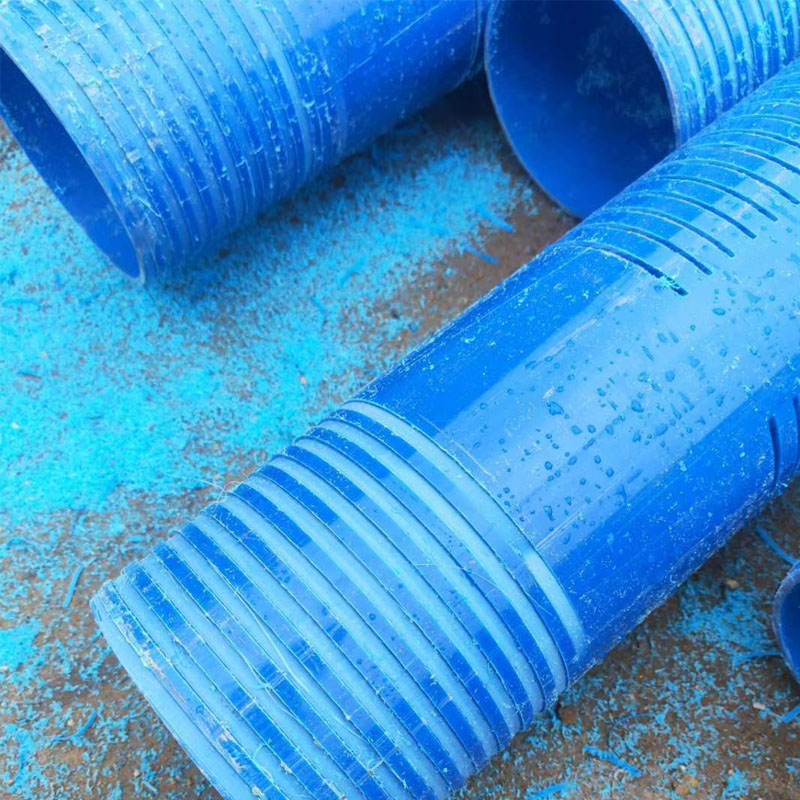
The performance of discount purple PVC pipe is largely determined by its ability to withstand internal hydrostatic pressure, external loads, and environmental stresses. Force analysis, governed by the Barlow formula (S = Pt/2D, where S is hoop stress, P is internal pressure, t is wall thickness, and D is pipe diameter), dictates the required wall thickness for a given pressure rating. The pipe’s ability to resist deflection under external loads (soil load, traffic load) is crucial to prevent failure. Environmental resistance encompasses UV degradation, chemical attack, and temperature fluctuations. PVC is susceptible to UV degradation, leading to embrittlement and cracking, particularly in outdoor applications. Additives are used to mitigate this, but their effectiveness diminishes over time. Chemical compatibility is also vital; PVC exhibits good resistance to many acids and bases, but is vulnerable to attack by certain solvents and hydrocarbons. Long-term creep, the gradual deformation of the pipe under sustained stress, is a critical consideration, particularly in buried applications. Compliance requirements vary by region and application, with standards like ASTM D1785 (Standard Specification for Poly(Vinyl Chloride) (PVC) Plastic Pipe, Schedules 40, 80, and 120) defining minimum requirements for dimensions, material properties, and performance. Proper installation, including adequate bedding and backfill, is crucial for optimizing performance and minimizing the risk of failure. Furthermore, the impact of temperature on PVC’s mechanical properties – increased brittleness at lower temperatures and reduced strength at higher temperatures – must be considered during design and operation.
Technical Specifications
| Parameter | Units | Typical Value (Schedule 40, 4" Diameter) | Testing Standard |
|---|---|---|---|
| Nominal Pipe Size | inches | 4 | ASTM D1785 |
| Outside Diameter | inches | 4.500 | ASTM D1785 |
| Wall Thickness | inches | 0.237 | ASTM D1785 |
| Pressure Rating | psi | 400 | ASTM D1785 |
| Tensile Strength | psi | 6,000 | ASTM D638 |
| Impact Strength (Izod Notched) | ft-lb/in | 10 | ASTM D256 |
| Water Absorption (24 hr) | % | <0.1 | ASTM D570 |
Failure Mode & Maintenance
Discount purple PVC pipe is susceptible to several failure modes. Fatigue cracking, often initiated at stress concentrations (e.g., fittings, joints), can occur due to cyclic pressure fluctuations or external loading. Delamination, the separation of layers within the pipe wall, is often caused by poor manufacturing processes or material defects. Degradation due to UV exposure leads to embrittlement and cracking, particularly in exposed sections. Oxidation, although PVC is relatively resistant, can occur over extended periods, especially at elevated temperatures. Chemical attack by incompatible substances can cause swelling, softening, and eventual failure. Soil stress, particularly in improperly installed systems, can lead to crushing or cracking. Maintenance typically involves visual inspection for cracks, leaks, or signs of degradation. Joints and fittings should be checked regularly for tightness and corrosion. In cases of minor cracks, repairs can be attempted using PVC cement and patching materials, but significant damage requires pipe replacement. Preventative measures include proper installation, use of UV-resistant coatings in exposed areas, and avoidance of contact with incompatible chemicals. Regular pressure testing can also help identify potential weaknesses before catastrophic failure occurs. Addressing ground movement and providing adequate support along the pipe’s run will minimize external stress and prolong service life.
Industry FAQ
Q: What is the impact of using a lower-cost plasticizer in discount PVC pipe on its long-term performance?
A: Lower-cost plasticizers, often phthalates, can migrate out of the PVC matrix over time, leading to embrittlement and reduced flexibility. This results in a decreased service life, particularly in applications involving temperature fluctuations or exposure to sunlight. The pipe becomes more susceptible to cracking and failure. Increasingly, manufacturers are adopting alternatives like DINCH, which have better long-term stability, but these are generally associated with a higher cost.
Q: How does the purple color affect the material properties of the PVC?
A: The addition of purple pigment generally has a minimal impact on the core mechanical properties of the PVC itself. However, the type and concentration of pigment used can subtly affect UV resistance and thermal stability. It's crucial that the pigment is uniformly dispersed throughout the PVC matrix to avoid localized weaknesses.
Q: What are the primary causes of cracking in buried purple PVC pipe?
A: Cracking in buried PVC pipe is often attributed to a combination of factors. Soil settlement, ground movement, and external loads (e.g., traffic) can induce significant stress on the pipe. Improper bedding and backfill compaction exacerbate this issue. Additionally, chemical attack from soil contaminants or corrosion of surrounding materials can contribute to cracking.
Q: What is the acceptable range of temperature for operating discount purple PVC pipe?
A: Generally, PVC pipe is recommended for use within a temperature range of -40°F to 140°F (-40°C to 60°C). Exceeding these limits can lead to reduced strength, embrittlement, or deformation. The specific temperature limits may vary depending on the specific PVC compound and the intended application.
Q: How important is the adherence to ASTM D1785 for ensuring quality in discount PVC pipe?
A: Adherence to ASTM D1785 is paramount. This standard defines minimum requirements for dimensions, material properties, and performance, ensuring a baseline level of quality and reliability. Discount PVC pipe should be tested and certified to meet these requirements to guarantee it can safely and effectively perform its intended function. Lack of certification raises concerns about potential defects and premature failure.
Conclusion
Discount purple PVC pipe offers a cost-effective solution for non-potable water conveyance, but its performance and longevity are intrinsically linked to material selection, manufacturing precision, and proper installation. Understanding the material science, recognizing potential failure modes, and adhering to relevant industry standards – notably ASTM D1785 – are crucial for mitigating risks and ensuring long-term reliability. The trade-offs associated with 'discount' pricing necessitate a thorough assessment of quality control measures and a clear understanding of the pipe’s limitations.
Future developments in PVC technology, including the increasing adoption of bio-based plasticizers and enhanced UV stabilization techniques, will likely improve the sustainability and performance of PVC pipe. Ongoing research into new PVC formulations with improved impact resistance and chemical compatibility will further expand its applications. Proper implementation of quality assurance procedures throughout the supply chain and adherence to best practices in installation and maintenance remain critical for maximizing the lifespan and minimizing the environmental impact of discount purple PVC pipe systems.
-
DN25 HDPE Compression Fitting-HORON INTERNATIONAL|Reliable Irrigation Solutions
NewsFeb.11,2026
-
hdpe coupling joint product Manufacturing Analysis
News2026-11-18
-
ppr pipe heating time products Performance Analysis
News2026-11-16
-
hdpe pipe sizes factory Performance Analysis
News2026-11-09
-
HDPE Pipe Sizes Service Performance Analysis
News2026-10-26
-
wholesale 15mm ppr pipe Material Science and Performance Analysis
News2026-10-20
-
wholesale pvc pipe price per foot Technical Analysis
News2026-09-21
-
wholesale long pvc pipe Technical Analysis and Manufacturing Specifications
News2026-09-15
-
wholesale plumbing kitchen sink water lines Material Performance
News2026-09-15
-
wholesale hdpe drip irrigation Material Science
News2026-09-15
-
wholesale hot water ppr pipe Performance Analysis
News2026-09-15
-
wholesale ppr plumbing Performance Analysis
News2026-09-15
-
wholesale ppr pipe supplier Performance Analysis
News2026-09-13
-
wholesale 50mm ppr pipe Performance Analysis
News2026-09-13
-
wholesale hdpe drip pipe Performance Analysis
News2026-09-13
-
wholesale hdpe pipe 63mm price Manufacturing Specification and Performance Analysis
News2026-09-13