

Feb . 11, 2026 00:01 Back to list
discount ppr water pipe suppliers Technical Analysis
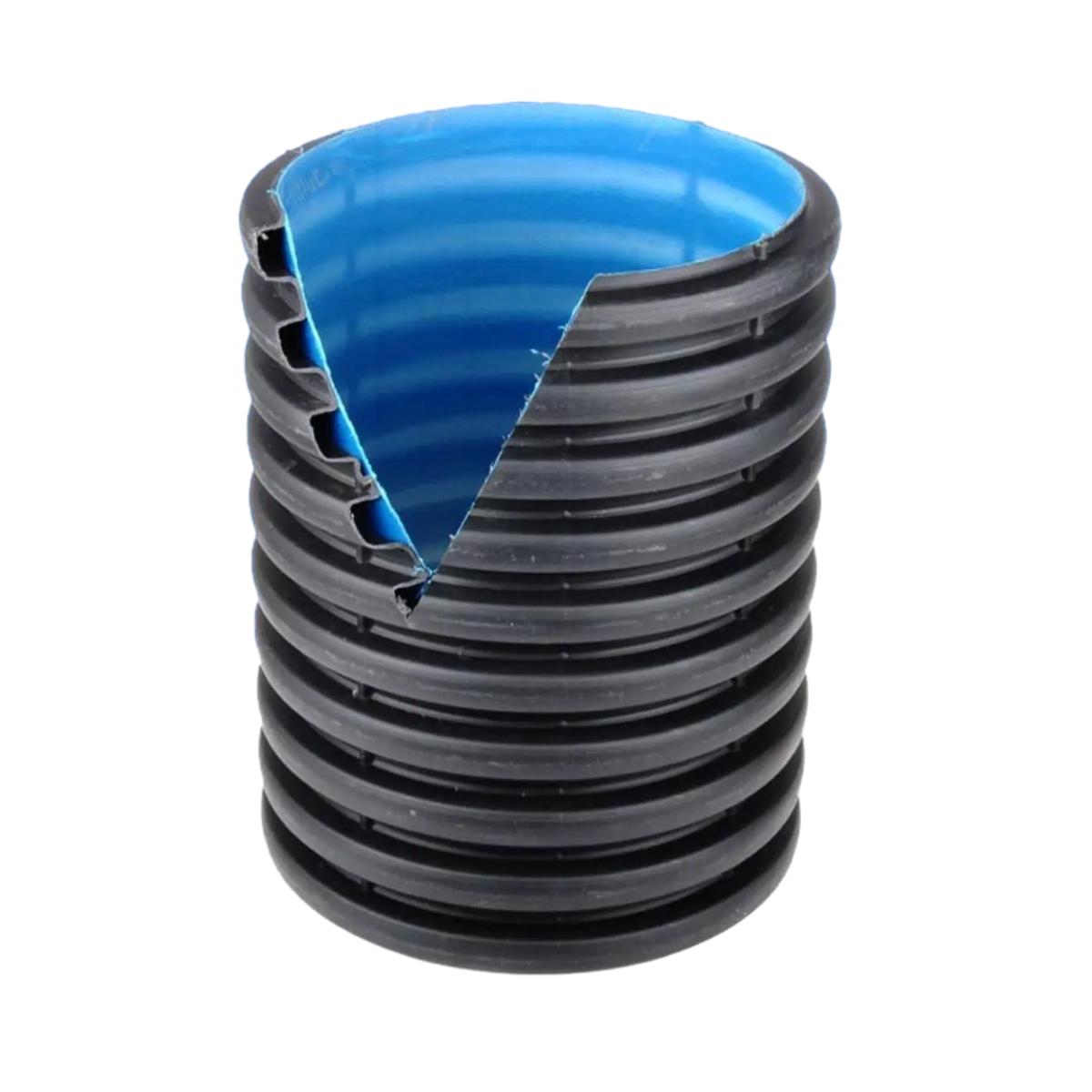
Introduction
Polypropylene Random (PPR) water pipe systems have become a cornerstone of modern potable water distribution and heating/cooling infrastructure. Discount PPR water pipe suppliers cater to a burgeoning global demand, driven by the material’s inherent advantages over traditional piping materials like galvanized steel and copper. PPR’s corrosion resistance, lightweight nature, ease of installation, and thermal stability position it as a preferred choice for residential, commercial, and industrial applications. This guide provides an in-depth technical analysis of PPR pipes, encompassing material science, manufacturing processes, performance characteristics, failure modes, and relevant industry standards, specifically addressing considerations for procurement from discount suppliers. A primary pain point within the industry is ensuring consistent quality control when sourcing from cost-optimized suppliers. Understanding the intricacies of PPR manufacturing and material properties is crucial for mitigating risks associated with lower-priced products.
Material Science & Manufacturing
PPR pipes are manufactured from polypropylene random copolymers. The ‘random’ designation refers to the random distribution of comonomers (typically ethylene) within the polypropylene chain. This random copolymerization disrupts the polymer’s crystallinity, resulting in a material with enhanced impact strength, flexibility, and resistance to stress cracking compared to homopolymer polypropylene. Raw material selection is paramount; the polypropylene resin must meet stringent purity standards and possess a consistent melt flow index (MFI). Lower MFI indicates higher molecular weight and increased strength, but can also increase processing difficulty. The manufacturing process typically involves extrusion. Polypropylene granules are fed into an extruder, heated to a molten state (typically 200-260°C), and forced through a die to form the pipe shape. Critical parameters during extrusion include temperature control across different zones of the extruder barrel, screw speed, and die pressure. Precise control of these parameters dictates the pipe’s dimensional accuracy, wall thickness uniformity, and surface finish. Fusion welding, particularly hot plate welding, is commonly used to join PPR pipes and fittings. The welding process requires accurate temperature and pressure control to ensure a homogeneous, leak-proof joint. Inconsistent welding parameters can lead to weakened joints susceptible to failure. Suppliers offering discounted pricing may compromise on resin quality or precise process control, impacting long-term performance.
Performance & Engineering
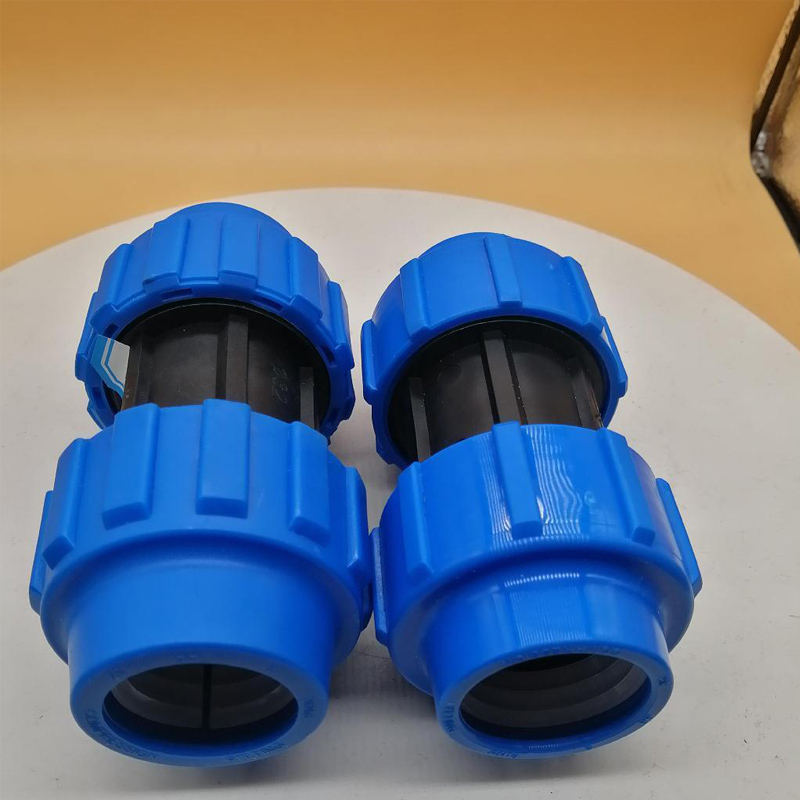
The performance of PPR water pipe systems is governed by several key engineering principles. Hydrostatic strength, the pipe's ability to withstand internal pressure, is a critical performance indicator. This is determined through standardized burst pressure testing. PPR pipes exhibit excellent creep resistance, meaning they maintain their dimensions and structural integrity under sustained stress over extended periods. Thermal expansion and contraction are also important considerations. PPR has a coefficient of thermal expansion significantly higher than metallic pipes. Therefore, proper allowance for thermal expansion must be incorporated into the system design to prevent stress build-up and potential cracking at joints. Long-term hydrostatic strength (LTHS) is a key parameter used for design calculations, and is derived from accelerated aging tests conducted at elevated temperatures and pressures. Chemical compatibility is another vital aspect. PPR is generally resistant to most common chemicals found in potable water, but prolonged exposure to certain solvents or aggressive chemicals can cause swelling or degradation. The resistance to chlorine and chloramines (commonly used disinfectants) should be verified, particularly for applications involving treated water. PPR’s resistance to UV degradation is limited, therefore, above-ground installations require UV protection, such as painting or using UV-stabilized grades of PPR. The impact resistance, measured using impact testing methods, is essential for assessing the pipe’s ability to withstand accidental damage during installation or operation.
Technical Specifications
| Parameter | Unit | Standard (DIN 8077/8078) | Typical Value (PPR Type 3) |
|---|---|---|---|
| Hydrostatic Pressure (LTHS) | MPa | ≥ 1.0 MPa (20°C, 50 years) | 1.25 - 1.6 |
| Burst Pressure | MPa | ≥ 3.15 MPa | 4.0 - 5.0 |
| Tensile Strength | MPa | ≥ 28 MPa | 32 - 38 |
| Elongation at Break | % | ≥ 200% | 250 - 350 |
| Water Absorption (24h, 23°C) | % | ≤ 0.5% | 0.2 - 0.4 |
| Vicat Softening Temperature | °C | ≥ 135°C | 140 - 150 |
Failure Mode & Maintenance
PPR pipe systems, while durable, are susceptible to specific failure modes. Slow Crack Growth (SCG), caused by sustained stress and exposure to aggressive chemicals, is a common failure mechanism, particularly in lower-quality materials. This manifests as hairline cracks propagating slowly over time. Oxidation, particularly at elevated temperatures, can lead to embrittlement and reduced impact resistance. Joint failure is another frequent issue, often arising from improper welding techniques (insufficient temperature or pressure) or contamination during the welding process. Delamination, a separation of layers within the pipe wall, can occur due to inadequate mixing of the polypropylene resin during extrusion. UV degradation, as mentioned previously, can cause surface cracking and loss of mechanical properties in exposed applications. Maintenance primarily involves visual inspection for leaks, cracks, or discoloration. Regular pressure testing can help identify slow leaks before they become catastrophic. For minor leaks at joints, re-welding may be possible, provided the surrounding material is clean and free of contaminants. However, significant damage or extensive SCG necessitates pipe replacement. Proper storage of PPR pipes is crucial. They should be stored in a cool, dry place, away from direct sunlight and harsh chemicals. Avoiding mechanical damage during handling and installation is also vital.
Industry FAQ
Q: What are the key differences between PPR Type 1, Type 2, and Type 3, and which is best suited for potable water?
A: PPR Type 1 is suitable for cold water applications, with a lower pressure and temperature rating. Type 2 is suitable for hot and cold water but has limited pressure capabilities. PPR Type 3 is the most versatile, designed for both hot and cold potable water systems, offering the highest pressure and temperature resistance and is generally the recommended choice for all potable water applications due to its superior performance characteristics.
Q: How does the quality of PPR pipe from discount suppliers compare to established brands?
A: Discount suppliers often reduce costs by using lower-grade resin, employing less stringent quality control processes, or reducing wall thickness. This can result in lower hydrostatic strength, reduced impact resistance, and increased susceptibility to SCG. Thoroughly vetting the supplier’s quality certifications (e.g., ISO 9001) and requesting independent testing reports is critical.
Q: What is the recommended procedure for hot plate welding PPR pipes to ensure a leak-proof joint?
A: The pipe and fitting surfaces must be clean and dry. Use a suitable cleaning agent to remove any contaminants. The hot plate temperature should be set according to the manufacturer’s recommendations (typically 260-270°C). Apply firm, even pressure during welding, ensuring the pipe and fitting are properly aligned. Maintain the welding time as specified by the manufacturer. Allow the joint to cool completely before applying pressure.
Q: What are the long-term effects of using hard water on PPR pipe systems?
A: Hard water can lead to the formation of scale deposits inside the pipes, reducing flow capacity and potentially causing blockages. While PPR is not directly corroded by hard water, the scale buildup can create crevices where corrosion of metallic fittings may occur. Regular flushing and/or the installation of water softeners can mitigate this issue.
Q: What are the key considerations when designing a PPR piping system to accommodate thermal expansion and contraction?
A: Expansion loops or flexible connectors should be incorporated into the system design to allow for thermal movement. The number and size of expansion loops depend on the pipe length, temperature variations, and system configuration. Properly anchoring the pipes at strategic points can also help control thermal expansion and prevent stress buildup.
Conclusion
PPR water pipe systems offer a robust and cost-effective solution for a wide range of potable water and heating/cooling applications. However, procuring from discount suppliers necessitates a heightened level of due diligence. Understanding the nuances of PPR material science, manufacturing processes, and performance characteristics is crucial for mitigating the risks associated with lower-priced products. Ensuring adherence to relevant industry standards and conducting thorough quality control checks are paramount.
Ultimately, the long-term reliability and safety of a PPR piping system are dependent on the quality of the materials used and the expertise of the installation team. Prioritizing quality and proper installation practices, even when sourcing from discount suppliers, will ensure a durable and dependable plumbing infrastructure.
-
DN25 HDPE Compression Fitting-HORON INTERNATIONAL|Reliable Irrigation Solutions
NewsFeb.11,2026
-
hdpe coupling joint product Manufacturing Analysis
News2026-11-18
-
ppr pipe heating time products Performance Analysis
News2026-11-16
-
hdpe pipe sizes factory Performance Analysis
News2026-11-09
-
HDPE Pipe Sizes Service Performance Analysis
News2026-10-26
-
wholesale 15mm ppr pipe Material Science and Performance Analysis
News2026-10-20
-
wholesale pvc pipe price per foot Technical Analysis
News2026-09-21
-
wholesale long pvc pipe Technical Analysis and Manufacturing Specifications
News2026-09-15
-
wholesale plumbing kitchen sink water lines Material Performance
News2026-09-15
-
wholesale hdpe drip irrigation Material Science
News2026-09-15
-
wholesale hot water ppr pipe Performance Analysis
News2026-09-15
-
wholesale ppr plumbing Performance Analysis
News2026-09-15
-
wholesale ppr pipe supplier Performance Analysis
News2026-09-13
-
wholesale 50mm ppr pipe Performance Analysis
News2026-09-13
-
wholesale hdpe drip pipe Performance Analysis
News2026-09-13
-
wholesale hdpe pipe 63mm price Manufacturing Specification and Performance Analysis
News2026-09-13