

Feb . 11, 2026 00:01 Back to list
discount ppr water pipe price Performance Analysis
Introduction
Polypropylene Random (PPR) water pipes represent a significant advancement in fluid conveyance systems, particularly within building infrastructure and potable water networks. Discount PPR water pipe price reflects a competitive market segment focused on providing cost-effective solutions without compromising fundamental performance characteristics. PPR’s inherent properties – chemical inertness, temperature resistance, and smooth internal surfaces – position it as a superior alternative to traditional metal piping in many applications. This guide will provide an in-depth technical overview of PPR pipes, encompassing material science, manufacturing processes, performance metrics, potential failure modes, and relevant industry standards. Understanding these details is critical for procurement managers, engineers, and installers seeking to optimize system longevity and minimize lifecycle costs. The core performance characteristics center around pressure handling capacity, resistance to scaling and corrosion, and ease of installation via heat fusion welding. Cost optimization, driven by economies of scale in manufacturing, is the driving force behind the ‘discount’ designation, while maintaining adherence to acceptable industry specifications.
Material Science & Manufacturing
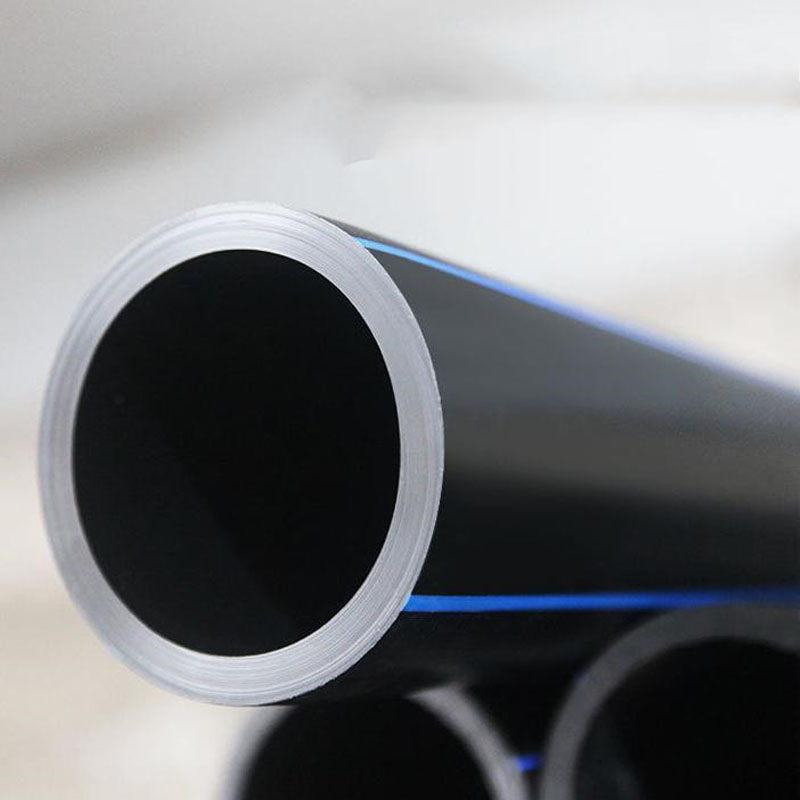
PPR pipes are primarily composed of polypropylene random copolymer, a thermoplastic polymer derived from propylene monomer. The “random” designation refers to the random distribution of comonomers (typically ethylene) within the polymer chain, imparting improved flexibility and impact resistance compared to homopolymer polypropylene. Raw material quality is paramount; virgin PP resin is preferred, although recycled content can be incorporated in non-critical applications, contingent on rigorous quality control. The density of PPR typically ranges from 0.905 to 0.92 g/cm³, influencing its overall strength and thermal conductivity. Manufacturing predominantly utilizes extrusion molding. PP resin is melted and forced through a circular die, followed by cooling and sizing. Key parameters in this process include melt temperature (190-230°C), die pressure, and cooling rate. Precise control of these parameters is essential to ensure consistent wall thickness and dimensional accuracy. Heat fusion welding, a cornerstone of PPR installation, relies on the polymer's ability to form a homogenous bond when heated to its melting point. Critical factors influencing weld integrity are heating tool temperature (260-280°C), welding time, and applied pressure. The addition of stabilizers (e.g., antioxidants, UV stabilizers) during the extrusion process enhances long-term durability and resistance to environmental degradation. Pipe diameters range from 20mm to 160mm, with standard pressure ratings (PN10, PN16, PN20) dictating wall thickness.
Performance & Engineering
The performance of PPR pipes is dictated by several key engineering considerations. Hydrostatic pressure testing, performed according to ISO 1167, verifies the pipe’s ability to withstand internal pressure without failure. The minimum burst pressure is typically four times the nominal pressure rating. Tensile strength, measured according to ISO 6259, is crucial for resisting hoop stress induced by internal pressure and external loads. PPR typically exhibits a tensile strength of 25-35 MPa. Long-term hydrostatic strength (LTHS) is a critical parameter determining the pipe’s lifespan under sustained pressure and temperature. LTHS is influenced by temperature, pressure, and the grade of PP resin used. PPR’s low thermal conductivity (0.24 W/m·K) minimizes heat loss in hot water systems and prevents condensation in cold water systems. The smooth internal surface (roughness coefficient < 0.01 mm) reduces frictional losses, minimizing pumping energy requirements. Chemical resistance is excellent, with PPR being largely unaffected by common chemicals found in potable water and industrial fluids. However, prolonged exposure to strong oxidizing agents should be avoided. PPR’s coefficient of linear thermal expansion (approximately 0.15 mm/m·K) must be accounted for during installation to prevent stress buildup and potential joint failure. Expansion loops and proper anchoring are essential for mitigating thermal expansion effects. Compliance with relevant building codes (e.g., UPC, IPC) and potable water regulations (e.g., NSF/ANSI 61) is paramount.
Technical Specifications
| Parameter | PN10 | PN16 | PN20 | Units |
|---|---|---|---|---|
| Nominal Pressure | 1.0 | 1.6 | 2.0 | MPa |
| Hydrostatic Pressure Test | 15 | 24 | 30 | Bar |
| Burst Pressure (Min.) | 60 | 96 | 120 | Bar |
| Tensile Strength | 25 | 28 | 32 | MPa |
| Operating Temperature | -40 | -40 | -40 | °C |
| Maximum Operating Temperature | +95 | +95 | +95 | °C |
Failure Mode & Maintenance
PPR pipe failures typically stem from a limited number of mechanisms. Mechanical damage during installation, such as excessive bending or impact, can cause cracking. Stress cracking, particularly in areas around fittings, can occur due to prolonged exposure to internal pressure and temperature fluctuations. This is often exacerbated by improper installation techniques, such as insufficient weld penetration. Chemical attack, although rare, can occur with exposure to aggressive solvents or oxidizing agents. UV degradation, leading to embrittlement and cracking, can occur if pipes are exposed to direct sunlight for extended periods. Thermal expansion stresses, if not adequately accommodated, can lead to joint separation or pipe deformation. Maintenance primarily focuses on preventative measures. Regular visual inspections should be conducted to identify any signs of cracking, deformation, or leakage. Avoid mechanical stress during handling and installation. Ensure proper support and anchoring to accommodate thermal expansion. If leakage occurs, the affected section should be cut out and replaced using heat fusion welding. Avoid using abrasive cleaning agents, as they can damage the pipe surface. For systems operating at high temperatures, periodic pressure testing should be performed to verify integrity. If stress cracking is suspected, a thorough inspection of all joints is recommended. Long-term monitoring of water quality is also advisable to identify any potential corrosive elements.
Industry FAQ
Q: What is the impact of water hammer on PPR pipe systems, and how can it be mitigated?
A: Water hammer, the pressure surge resulting from sudden changes in flow velocity, can induce significant stress on PPR pipe joints. PPR's inherent flexibility offers some resistance, but sustained water hammer can lead to joint failure or pipe cracking. Mitigation strategies include the installation of water hammer arrestors, pressure reducing valves, and slow-closing valves. Proper pipe anchoring and expansion loops also help absorb shock waves.
Q: How does the quality of the welding equipment affect the long-term performance of PPR joints?
A: Welding equipment quality is critical. Inconsistent heating temperatures or improper pressure control during welding can lead to incomplete fusion, resulting in weak joints prone to failure. Digital temperature controllers and calibrated welding tools are essential. Regular maintenance and calibration of welding equipment are also crucial.
Q: What are the limitations of PPR pipes in industrial applications involving corrosive fluids?
A: While PPR exhibits good resistance to many common chemicals, it is susceptible to degradation by strong oxidizing agents, concentrated acids, and certain organic solvents. Industrial applications involving these fluids require alternative piping materials, such as CPVC or stainless steel.
Q: Can PPR pipes be used for buried applications, and what considerations are necessary?
A: PPR pipes can be used for buried applications, but require adequate external protection. Soil loading, potential for impact damage, and UV exposure necessitate encasement in concrete or the use of protective sleeves. Backfill material should be properly compacted to prevent pipe deformation. Consideration should also be given to the thermal expansion and contraction of the pipe due to ground temperature variations.
Q: What is the expected lifespan of a properly installed and maintained PPR water pipe system?
A: A properly installed and maintained PPR water pipe system can have a service life of 50 years or more. However, this is contingent on adherence to proper installation techniques, avoidance of mechanical damage and chemical exposure, and regular preventative maintenance. Factors such as water quality and operating temperature also influence lifespan.
Conclusion
Discount PPR water pipe price represents a viable solution for a broad range of potable water and fluid conveyance applications, provided careful consideration is given to material properties, manufacturing quality, and installation best practices. Its inherent advantages—chemical inertness, temperature resistance, and ease of installation—contribute to reduced lifecycle costs and enhanced system reliability. Understanding the potential failure modes and implementing preventative maintenance strategies are crucial for maximizing the longevity of PPR pipe systems.
The continuing refinement of PPR resin formulations, coupled with advancements in welding technology, will further enhance the performance and durability of these systems. As regulatory standards become increasingly stringent regarding water quality and material safety, the demand for reliable and cost-effective piping solutions like PPR will continue to grow. Proper selection, installation, and maintenance remain paramount to realizing the full potential of this versatile material.
-
DN25 HDPE Compression Fitting-HORON INTERNATIONAL|Reliable Irrigation Solutions
NewsFeb.11,2026
-
hdpe coupling joint product Manufacturing Analysis
News2026-11-18
-
ppr pipe heating time products Performance Analysis
News2026-11-16
-
hdpe pipe sizes factory Performance Analysis
News2026-11-09
-
HDPE Pipe Sizes Service Performance Analysis
News2026-10-26
-
wholesale 15mm ppr pipe Material Science and Performance Analysis
News2026-10-20
-
wholesale pvc pipe price per foot Technical Analysis
News2026-09-21
-
wholesale long pvc pipe Technical Analysis and Manufacturing Specifications
News2026-09-15
-
wholesale plumbing kitchen sink water lines Material Performance
News2026-09-15
-
wholesale hdpe drip irrigation Material Science
News2026-09-15
-
wholesale hot water ppr pipe Performance Analysis
News2026-09-15
-
wholesale ppr plumbing Performance Analysis
News2026-09-15
-
wholesale ppr pipe supplier Performance Analysis
News2026-09-13
-
wholesale 50mm ppr pipe Performance Analysis
News2026-09-13
-
wholesale hdpe drip pipe Performance Analysis
News2026-09-13
-
wholesale hdpe pipe 63mm price Manufacturing Specification and Performance Analysis
News2026-09-13