

Feb . 11, 2026 00:01 Back to list
discount ppr water pipe fittings Performance Analysis
Introduction
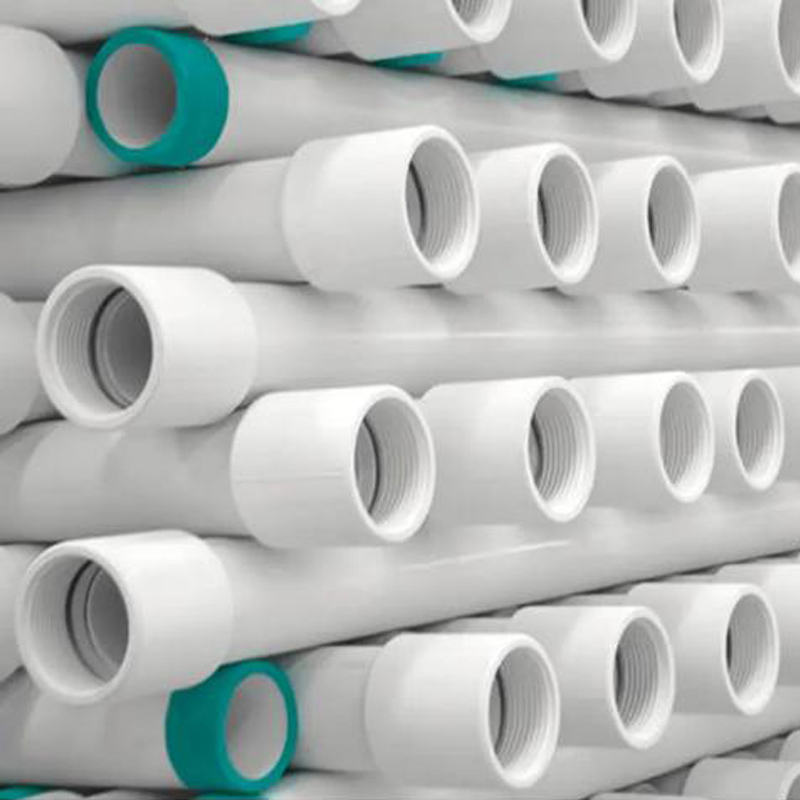
Polypropylene Random (PPR) water pipe fittings represent a significant advancement in potable water distribution systems, offering a cost-effective and reliable alternative to traditional metallic piping. Discount PPR fittings, specifically, provide an accessible entry point to these benefits for a wider range of construction and plumbing applications. This guide details the material science, manufacturing processes, performance characteristics, potential failure modes, and maintenance protocols associated with these fittings. PPR fittings function as crucial components connecting lengths of PPR pipe, facilitating directional changes, and accommodating varying pipe diameters within a water system. Their widespread adoption is driven by corrosion resistance, thermal stability, ease of installation via thermal fusion welding, and reduced noise transmission compared to rigid metal pipes. The core performance criteria revolve around pressure rating, temperature resistance, long-term hydrostatic strength (LHS), and adherence to stringent water quality standards.
Material Science & Manufacturing
PPR fittings are predominantly manufactured from polypropylene random copolymer, a thermoplastic polymer characterized by its amorphous structure. The ‘random’ designation signifies the random distribution of comonomers (typically ethylene) within the polypropylene chain, resulting in reduced crystallinity and enhanced flexibility. Raw material selection is paramount; homopolymer PP exhibits higher tensile strength but lower impact resistance and weldability compared to random copolymer. The manufacturing process generally involves injection molding. Polypropylene granules are heated to a molten state and injected under high pressure into a precisely machined mold cavity. Key parameters governing fitting quality include melt temperature (typically 200-230°C), mold temperature (30-50°C), injection pressure (60-100 MPa), and cooling rate. Precise control of these parameters is crucial to minimize residual stresses and ensure dimensional accuracy. Variations in material composition, such as the inclusion of stabilizers (antioxidants and UV absorbers) and pigments, impact long-term performance and aesthetic properties. The quality of the polypropylene resin directly correlates to the fitting’s resistance to chlorine degradation and thermal deformation. Furthermore, batch-to-batch consistency of the raw material is vital for maintaining uniform welding characteristics.
Performance & Engineering
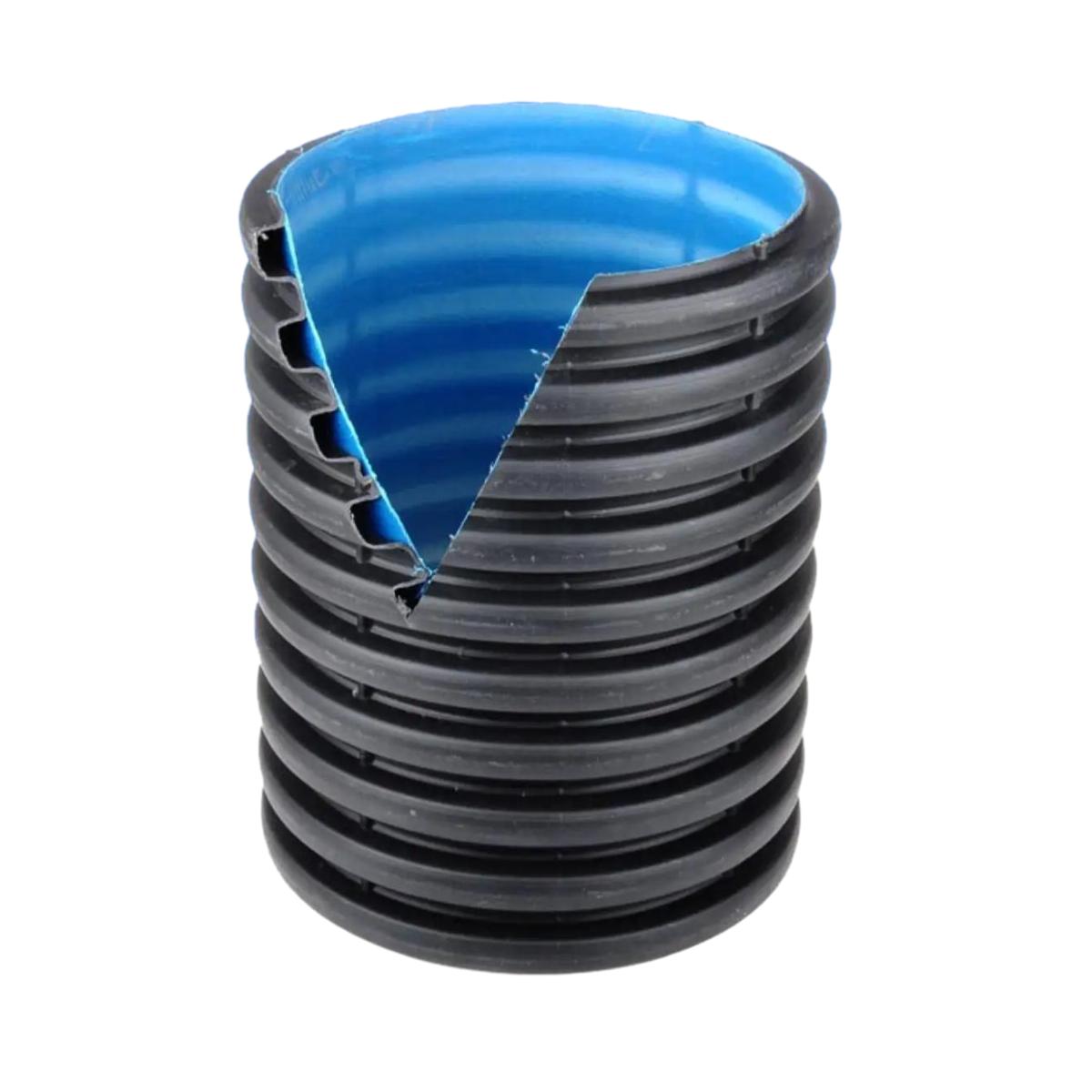
The performance of PPR fittings is fundamentally linked to their ability to withstand internal hydrostatic pressure and external mechanical stresses. Force analysis focuses on hoop stress within the fitting body, particularly at junctions and weld points. The fitting design, including wall thickness and geometric features, directly influences stress concentration. PPR exhibits a relatively low Young's modulus (approximately 1.5 GPa) compared to metals, making it susceptible to creep deformation under sustained stress. Elevated temperatures exacerbate this phenomenon. Environmental resistance is a key consideration. While PPR demonstrates excellent resistance to most common chemicals found in potable water, prolonged exposure to chlorine concentrations exceeding 4 ppm can lead to oxidative degradation and embrittlement. Furthermore, ultraviolet (UV) radiation can induce chain scission and discoloration. Compliance with industry standards (discussed in the conclusion) mandates rigorous testing, including hydrostatic pressure tests at varying temperatures, impact resistance tests, and long-term creep rupture tests. The thermal expansion coefficient of PPR (approximately 0.15 mm/m°C) necessitates careful consideration during installation to accommodate pipe movement and prevent stress build-up at connections. Correct welding parameters, ensuring complete fusion of the pipe and fitting materials, are essential for achieving optimal performance and preventing leakage.
Technical Specifications
| Parameter | Specification (Typical) | Testing Standard | Unit |
|---|---|---|---|
| Material | Polypropylene Random Copolymer (PPR) | ISO 1043-1 | - |
| Pressure Rating (PN) | PN16, PN20, PN25 | ISO 1415 | Bar |
| Temperature Resistance | -40 to +95 | DIN 1988 | °C |
| Long Term Hydrostatic Strength (LHS) | ≥ 100 | ISO 1167 | Hours |
| Impact Strength (Charpy) | ≥ 5 kJ/m² | ISO 148-1 | kJ/m² |
| Oxygen Permeability | ≤ 25 | DIN 1988 | cm³/m²/day |
Failure Mode & Maintenance
PPR fitting failures typically manifest as leakage, cracking, or complete rupture. Common failure modes include: 1) Thermal Fusion Weld Failure: Insufficient weld penetration or improper welding technique can create weak points susceptible to failure under pressure. This is often observed as cracking along the weld bead. 2) Hydrostatic Fatigue: Repeated pressure cycles can induce fatigue cracking, particularly in areas of stress concentration. 3) Chemical Degradation: Prolonged exposure to high chlorine concentrations can cause oxidative degradation, leading to embrittlement and cracking. 4) UV Degradation: Exposure to sunlight can degrade the polymer, causing discoloration and reduced mechanical properties. 5) Creep Rupture: Under sustained stress and elevated temperatures, PPR can exhibit creep deformation, eventually leading to rupture. Maintenance primarily focuses on preventative measures. Regular visual inspections should be conducted to identify signs of cracking, discoloration, or leakage. Avoid subjecting PPR systems to excessive pressures or temperatures. Ensure proper support and anchoring of piping to minimize stress on fittings. In the event of a leak, the affected fitting should be replaced immediately using appropriate thermal fusion welding techniques. Avoid using abrasive cleaners or solvents, as these can damage the polymer surface. Periodic flushing of the system can help remove sediment buildup that may contribute to corrosion or erosion.
Industry FAQ
Q: What is the impact of water hardness on the long-term performance of PPR fittings?
A: Water hardness, specifically the concentration of calcium and magnesium ions, can contribute to scale formation within the piping system. While PPR itself is resistant to scaling, significant scale buildup can reduce the internal diameter of the pipe, increasing flow resistance and potentially creating localized stress points. Regular flushing and water softening may be necessary in areas with extremely hard water.
Q: How does the welding process affect the structural integrity of a PPR joint?
A: The quality of the thermal fusion weld is paramount. Insufficient heating, inadequate pressure, or improper alignment can result in incomplete fusion, creating a weak point prone to failure. Utilizing a calibrated welding tool, adhering to recommended welding parameters (temperature, time, pressure), and ensuring a clean welding surface are crucial for achieving a structurally sound joint.
Q: Can PPR fittings be used for hot and cold water distribution simultaneously?
A: Yes, PPR fittings are designed to handle both hot and cold water applications within their specified temperature range (-40 to +95°C). However, thermal expansion considerations are more critical in systems with significant temperature fluctuations. Proper pipe support and expansion loops are necessary to accommodate thermal movement and prevent stress on the fittings.
Q: What are the limitations of using discount PPR fittings compared to higher-grade alternatives?
A: Discount PPR fittings may utilize slightly lower-grade polypropylene resins or have less stringent quality control measures compared to premium brands. This could result in marginally lower impact resistance, reduced long-term hydrostatic strength, or increased susceptibility to chemical degradation. However, when installed correctly and operated within specified parameters, they generally provide adequate performance for many residential and commercial applications.
Q: Is PPR suitable for conveying compressed air?
A: Generally, PPR is not recommended for compressed air applications. While it can withstand the pressure, the polymer is susceptible to permeation of air molecules, leading to pressure loss and potential embrittlement over time. Furthermore, the risk of brittle fracture is higher at lower temperatures encountered with compressed air systems.
Conclusion
Discount PPR water pipe fittings represent a viable and cost-effective solution for potable water distribution systems. Their inherent corrosion resistance, ease of installation, and thermal stability offer significant advantages over traditional metallic piping. However, realizing these benefits hinges upon meticulous attention to material quality, proper welding techniques, and adherence to established industry standards. Understanding the material science principles governing PPR behavior, coupled with a proactive approach to maintenance, is crucial for ensuring long-term system reliability.
Future developments in PPR technology may focus on enhancing impact resistance, improving chlorine resistance, and incorporating advanced materials to further extend service life. As building codes evolve and sustainability concerns grow, PPR fittings are poised to play an increasingly prominent role in modern plumbing infrastructure. Careful consideration of application-specific requirements and a commitment to quality installation practices will remain paramount for maximizing the performance and longevity of these systems.
-
DN25 HDPE Compression Fitting-HORON INTERNATIONAL|Reliable Irrigation Solutions
NewsFeb.11,2026
-
hdpe coupling joint product Manufacturing Analysis
News2026-11-18
-
ppr pipe heating time products Performance Analysis
News2026-11-16
-
hdpe pipe sizes factory Performance Analysis
News2026-11-09
-
HDPE Pipe Sizes Service Performance Analysis
News2026-10-26
-
wholesale 15mm ppr pipe Material Science and Performance Analysis
News2026-10-20
-
wholesale pvc pipe price per foot Technical Analysis
News2026-09-21
-
wholesale long pvc pipe Technical Analysis and Manufacturing Specifications
News2026-09-15
-
wholesale plumbing kitchen sink water lines Material Performance
News2026-09-15
-
wholesale hdpe drip irrigation Material Science
News2026-09-15
-
wholesale hot water ppr pipe Performance Analysis
News2026-09-15
-
wholesale ppr plumbing Performance Analysis
News2026-09-15
-
wholesale ppr pipe supplier Performance Analysis
News2026-09-13
-
wholesale 50mm ppr pipe Performance Analysis
News2026-09-13
-
wholesale hdpe drip pipe Performance Analysis
News2026-09-13
-
wholesale hdpe pipe 63mm price Manufacturing Specification and Performance Analysis
News2026-09-13