

Feb . 11, 2026 00:01 Back to list
discount ppr tube Performance Analysis

Introduction
Polypropylene Random (PPR) tubing represents a significant advancement in fluid conveyance systems, particularly within building infrastructure and industrial applications. Discount PPR tube refers to PPR piping systems offered at competitive pricing, often without compromising core performance characteristics. PPR’s position in the industry chain is as a direct replacement for traditional metallic piping (copper, galvanized steel) and PVC, offering advantages in terms of corrosion resistance, thermal insulation, and ease of installation. Core performance attributes include a high flow capacity due to smooth internal surfaces, excellent chemical resistance to a broad range of fluids, and a service life exceeding 50 years under normal operating conditions. The increasing adoption of PPR is driven by cost-effectiveness, reduced installation time, and a growing emphasis on sustainable building practices. A critical challenge in the marketplace is differentiating between grades of PPR and ensuring adherence to recognized international standards to prevent premature failure and maintain system integrity.
Material Science & Manufacturing
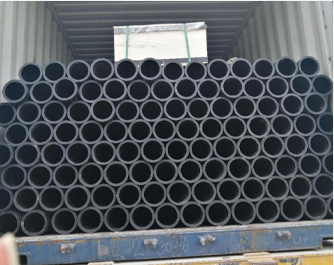
PPR tubes are manufactured from polypropylene random copolymers, utilizing a polymerization process that introduces random ethylenepropylene monomer units into the polypropylene chain. This randomization disrupts the crystalline structure of the polypropylene, resulting in improved impact resistance and flexibility. Raw material properties are crucial: the molecular weight distribution, melt flow index (MFI), and isotacticity of the polypropylene directly influence the tube's mechanical properties. Manufacturing typically involves extrusion, where the molten polypropylene is forced through a die to form a seamless tube. Critical parameters during extrusion include temperature control (die temperature, melt temperature), extrusion speed, and cooling rates. Improper temperature control can lead to variations in wall thickness and crystallinity. Post-extrusion processes often include sizing, marking (identification of material, size, pressure rating, and manufacturer), and cutting to length. Hydrostatic testing is a standard quality control measure, subjecting the tubes to internal pressure significantly exceeding the operating pressure to identify defects. The grade of polypropylene resin impacts long-term hydrostatic strength (HAS), a key metric for pressure-bearing applications. Additives, such as stabilizers and antioxidants, are incorporated to enhance UV resistance and prevent thermal degradation during processing and service life. The selection of appropriate stabilizers is crucial for maintaining the long-term mechanical integrity of the PPR tube.
Performance & Engineering
The performance of PPR tubing is governed by several key engineering principles. Hydrostatic pressure resistance is paramount, determined by the tube’s dimensions (diameter and wall thickness) and the material’s Long Term Hydrostatic Strength (LTHS). Finite Element Analysis (FEA) is often employed to simulate stress distribution under various loading conditions, including internal pressure, external loads, and thermal stresses. Thermal expansion is a significant consideration, as PPR exhibits a relatively high coefficient of thermal expansion (approximately 0.15 mm/m°C). This necessitates the use of expansion loops or flexible connectors in long pipeline runs to accommodate thermal movement and prevent stress cracking at joints. Chemical compatibility is another vital aspect. PPR is generally resistant to most common chemicals found in building water systems, but prolonged exposure to certain solvents or aggressive chemicals can lead to swelling or degradation. Compliance with relevant plumbing codes and standards (e.g., NSF/ANSI 61, WRAS) is essential to ensure the safety and potability of the conveyed fluid. The connection methods – typically hot-gas welding, electrofusion welding, or mechanical fittings – significantly impact system performance. Proper welding techniques are crucial for achieving leak-proof joints with strength comparable to the parent material. Fatigue analysis is important in applications subject to cyclical pressure fluctuations. Proper support and anchoring of the piping system are critical to prevent excessive bending and stress concentrations.
Technical Specifications
| Parameter | Unit | Typical Value (PN20) | Typical Value (PN25) |
|---|---|---|---|
| Nominal Diameter | mm | 20-160 | 20-160 |
| Pressure Rating (PN) | bar | 2.0 MPa | 2.5 MPa |
| Long Term Hydrostatic Strength (LTHS) | MPa | 4.0 | 5.0 |
| Burst Pressure | MPa | 8.0 | 10.0 |
| Water Absorption | % (24 hrs) | < 0.1 | < 0.1 |
| Coefficient of Linear Thermal Expansion | mm/m°C | 0.15 | 0.15 |
Failure Mode & Maintenance
PPR tubes, while robust, are susceptible to several failure modes. Long-term hydrostatic stress cracking (LHSCC) can occur due to sustained exposure to internal pressure, particularly in areas of stress concentration (e.g., near fittings). This is exacerbated by elevated temperatures and the presence of certain chemicals. Oxidative degradation can occur over extended periods, particularly with exposure to UV radiation and high temperatures, leading to embrittlement and reduced impact resistance. Improper welding techniques can result in weak or porous joints that are prone to leakage or failure under pressure. Mechanical damage, such as impact from tools or construction activities, can cause cracks or punctures. Delamination can occur if the polypropylene material is not properly compounded or if the extrusion process is poorly controlled. Preventive maintenance includes regular visual inspections for leaks, cracks, or signs of degradation. Periodic testing of water quality can help identify potentially corrosive substances. Proper support and anchoring of the piping system are essential to minimize stress and prevent mechanical damage. In the event of a leak, the affected section of the tube should be cut out and replaced with a new section, using appropriate welding techniques. Avoid using abrasive cleaning agents or solvents, as these can damage the material. Routine flushing of the system can help remove sediment and debris that could contribute to corrosion or clogging.
Industry FAQ
Q: What is the primary difference between PN20 and PN25 PPR tubing, and when should each be used?
A: The primary difference lies in the pressure rating and wall thickness. PN20 tubes are designed for a maximum operating pressure of 2.0 MPa, while PN25 tubes can handle 2.5 MPa. PN25 tubes have thicker walls to withstand the higher pressure. PN20 is suitable for residential cold and hot water distribution systems, while PN25 is recommended for applications with higher pressure requirements, such as industrial processes or high-rise buildings.
Q: How does temperature affect the long-term performance of PPR pipes?
A: Elevated temperatures accelerate oxidative degradation and creep deformation in PPR. While PPR is suitable for hot water applications (typically up to 95°C), prolonged exposure to temperatures exceeding the recommended limits can reduce the material’s long-term hydrostatic strength and lead to premature failure. Maintaining water temperatures within the specified range and providing adequate thermal insulation are crucial for maximizing service life.
Q: What are the common causes of leakage at PPR pipe joints?
A: Leakage at joints is often caused by improper welding techniques – insufficient heating, inadequate fusion, or contamination of the welding surfaces. Using the correct welding parameters (temperature, pressure, and dwell time) is essential. Mechanical fittings, if improperly installed, can also lead to leaks. Thermal expansion and contraction of the pipe can also induce stress on the joints, leading to leakage over time if not properly accommodated with expansion loops.
Q: What chemicals are known to be incompatible with PPR piping?
A: While PPR exhibits good chemical resistance, it is susceptible to degradation by certain solvents, strong acids, and oxidizing agents. Aromatic hydrocarbons (benzene, toluene), chlorinated solvents (chloroform, methylene chloride), and concentrated nitric acid should be avoided. Always consult a chemical compatibility chart before using PPR in contact with any unknown substance.
Q: How important is hydrostatic testing, and what parameters should be monitored during testing?
A: Hydrostatic testing is a critical quality control measure to verify the integrity of the piping system. It identifies defects such as pinholes, cracks, or weak welds. The test pressure should be at least 1.5 times the operating pressure, and the test duration should be sufficient to allow for detection of slow leaks. Parameters to monitor during testing include pressure drop, visual inspection for leaks, and any signs of deformation or bulging in the pipes.
Conclusion
Discount PPR tube provides a compelling alternative to traditional piping materials, offering a balance of performance, cost-effectiveness, and ease of installation. Its inherent corrosion resistance and smooth internal surface contribute to long-term reliability and reduced maintenance. However, realizing these benefits requires meticulous attention to material selection, proper installation techniques, and adherence to relevant industry standards.
The successful implementation of a PPR piping system relies on a comprehensive understanding of the material's properties, its limitations, and the potential failure modes. Continued research and development efforts focused on enhancing PPR’s resistance to oxidative degradation and improving welding techniques will further expand its applications and ensure its long-term viability as a preferred fluid conveyance solution.
-
DN25 HDPE Compression Fitting-HORON INTERNATIONAL|Reliable Irrigation Solutions
NewsFeb.11,2026
-
hdpe coupling joint product Manufacturing Analysis
News2026-11-18
-
ppr pipe heating time products Performance Analysis
News2026-11-16
-
hdpe pipe sizes factory Performance Analysis
News2026-11-09
-
HDPE Pipe Sizes Service Performance Analysis
News2026-10-26
-
wholesale 15mm ppr pipe Material Science and Performance Analysis
News2026-10-20
-
wholesale pvc pipe price per foot Technical Analysis
News2026-09-21
-
wholesale long pvc pipe Technical Analysis and Manufacturing Specifications
News2026-09-15
-
wholesale plumbing kitchen sink water lines Material Performance
News2026-09-15
-
wholesale hdpe drip irrigation Material Science
News2026-09-15
-
wholesale hot water ppr pipe Performance Analysis
News2026-09-15
-
wholesale ppr plumbing Performance Analysis
News2026-09-15
-
wholesale ppr pipe supplier Performance Analysis
News2026-09-13
-
wholesale 50mm ppr pipe Performance Analysis
News2026-09-13
-
wholesale hdpe drip pipe Performance Analysis
News2026-09-13
-
wholesale hdpe pipe 63mm price Manufacturing Specification and Performance Analysis
News2026-09-13