

Feb . 11, 2026 00:01 Back to list
discount ppr polypropylene pipe Performance Analysis
Introduction
Polypropylene Random Copolymer (PPR) piping systems represent a significant advancement in fluid conveyance technology, particularly within building infrastructure and industrial applications. Discount PPR polypropylene pipe refers to PPR pipes offered at a competitive price point, often achieved through optimized manufacturing processes and material sourcing without compromising core performance characteristics. These pipes are primarily utilized for potable water supply (hot and cold), industrial fluid transport, and heating systems. Their positioning in the industry chain falls between raw polypropylene resin production and final installation by plumbers and engineers. Core performance attributes center around excellent chemical resistance, thermal stability, a smooth internal surface minimizing friction loss, and a long service life when installed correctly. The competitive landscape is defined by balancing cost-effectiveness with adherence to stringent quality standards, making selection a critical aspect of project planning.
Material Science & Manufacturing
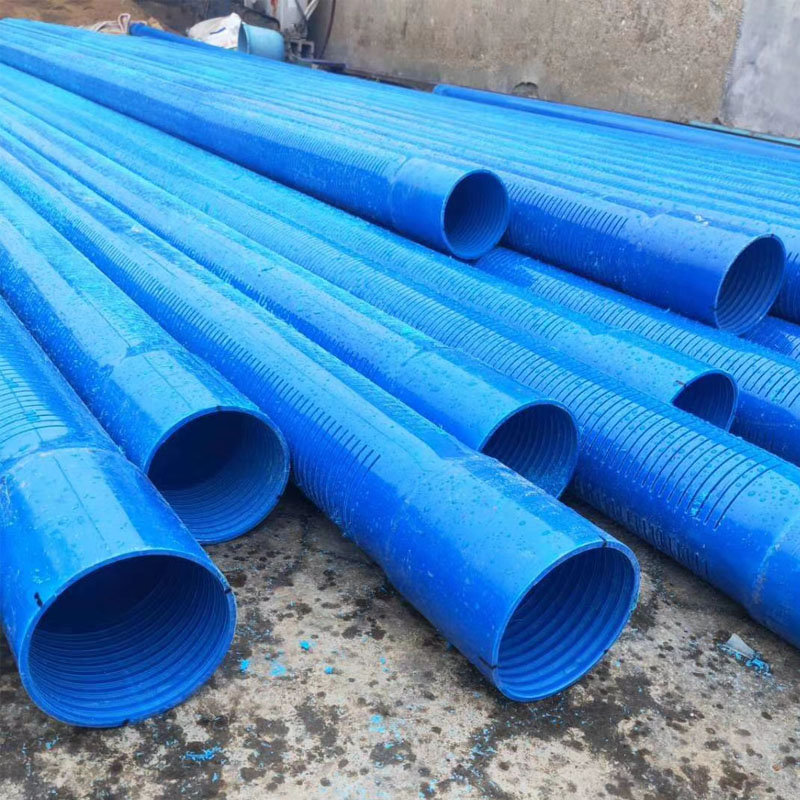
PPR pipes are manufactured from polypropylene random copolymer resin, a thermoplastic polymer created by polymerizing propylene monomers with ethylene comonomers. The randomness of the ethylene insertion disrupts the crystallinity of the polypropylene, resulting in improved impact resistance and flexibility. Key physical properties of the raw material include a density of approximately 0.905-0.92 g/cm³, a melting point ranging from 130-171°C (depending on the copolymer ratio), and a tensile strength between 20-30 MPa. The manufacturing process typically involves extrusion. Polypropylene resin, along with stabilizers (typically antioxidants and UV stabilizers) and potentially color pigments, is fed into an extruder. The extruder melts the resin and forces it through a die, shaping it into a pipe. Precise temperature control is paramount during extrusion – maintaining consistent temperatures between 190-240°C is essential to prevent degradation and ensure dimensional accuracy. Critical parameters include die temperature, screw speed, and haul-off speed, all of which influence pipe diameter, wall thickness, and surface finish. Post-extrusion, pipes undergo cooling, cutting to length, and quality control checks including hydrostatic pressure testing to verify burst pressure resistance. The quality of the raw material significantly impacts the final pipe’s performance; variations in molecular weight distribution and comonomer content can lead to inconsistencies in mechanical properties.
Performance & Engineering
The performance of PPR piping systems is fundamentally governed by principles of fluid mechanics and material strength. Hydrostatic pressure testing, as per standards like DIN 19569, verifies the pipe’s ability to withstand internal pressure without failure. Force analysis considers hoop stress (circumferential stress due to internal pressure) and longitudinal stress (stress along the pipe’s length). The smooth inner surface of PPR pipes minimizes friction loss, reducing pumping energy requirements and contributing to lower operational costs. Environmental resistance is a key consideration; PPR exhibits good resistance to many chemicals, but prolonged exposure to strong oxidizing agents should be avoided. Thermal expansion and contraction are inherent properties of polypropylene; coefficients of thermal expansion are around 0.15 mm/m·°C. Proper allowance for thermal expansion must be made during installation to prevent stress buildup and potential joint failures. Compliance requirements vary geographically, but generally adhere to standards related to potable water safety (ensuring no leaching of harmful substances), fire resistance (PPR is combustible, so fire protection measures are necessary), and structural integrity. The long-term hydrostatic strength (LTHS) is a critical performance metric, representing the maximum sustained internal pressure the pipe can withstand over a specified service life (typically 50 years).
Technical Specifications
| Parameter | Unit | Standard PPR (PN20) | Discount PPR (PN16) |
|---|---|---|---|
| Nominal Pressure (PN) | Bar | 20 | 16 |
| Operating Temperature | °C | -20 to +95 | -20 to +80 |
| Burst Pressure | Bar | >80 | >64 |
| Long Term Hydrostatic Strength (LTHS) | Bar | 12.5 (at 73.3°C for 100 hrs) | 10 (at 73.3°C for 100 hrs) |
| Wall Thickness (Typical for DN20) | mm | 3.7 | 3.2 |
| Outside Diameter (Typical for DN20) | mm | 26.5 | 26.5 |
Failure Mode & Maintenance
PPR pipe, while durable, is susceptible to specific failure modes. Long-term exposure to UV radiation can cause degradation, leading to brittleness and cracking – this is why outdoor installations require UV-protective coatings or burial. Fatigue cracking can occur at joints due to repeated thermal cycling and pressure fluctuations. Delamination can happen if improper fusion welding techniques are used during installation, resulting in weak bonds between pipe sections. Chemical attack from aggressive substances (e.g., concentrated acids) can cause swelling and eventual failure. Oxidation can degrade the polymer over extended periods, particularly at elevated temperatures. Maintenance primarily involves visual inspection for cracks, leaks, or signs of deformation. Regular pressure testing can identify potential weaknesses before they result in catastrophic failure. For minor leaks, repair can often be achieved with appropriate PPR repair couplings. In the event of significant damage, replacement of the affected pipe section is recommended. Preventative maintenance includes ensuring proper support to prevent stress on joints and avoiding exposure to incompatible chemicals. Correct installation practices, adhering to manufacturer’s recommendations and relevant standards, are crucial for maximizing service life and minimizing the risk of failure.
Industry FAQ
Q: What is the primary difference between PN20 and PN16 PPR pipe, and how does this impact application selection?
A: PN20 and PN16 denote the nominal pressure rating of the pipe, indicating the maximum sustained internal pressure the pipe can safely handle. PN20 pipes have a higher pressure rating (20 bar) and are suitable for applications with higher pressure requirements, such as high-rise buildings or industrial processes. PN16 pipes (16 bar) are generally sufficient for residential potable water systems and lower-pressure applications. Choosing the correct PN rating is crucial for ensuring the long-term reliability and safety of the piping system.
Q: How does the quality of the welding process affect the performance of PPR joints?
A: The welding process is critical to the integrity of PPR joints. Proper fusion welding requires precise temperature control and sufficient heating time to ensure complete melting and bonding of the pipe and fitting surfaces. Insufficient heating can result in a weak joint susceptible to failure, while overheating can degrade the material. Using a calibrated welding tool and following manufacturer’s instructions are essential. Visual inspection of the weld bead should confirm a consistent, uniform weld profile.
Q: What are the limitations of PPR pipe regarding chemical compatibility?
A: While PPR exhibits good resistance to many common chemicals, it is not universally compatible. Prolonged exposure to strong oxidizing agents, such as concentrated nitric acid or chlorine, can cause degradation and failure. Certain organic solvents can also affect the material. It’s crucial to consult a chemical compatibility chart before using PPR pipe in applications where it will be exposed to potentially corrosive substances.
Q: What considerations should be made for thermal expansion and contraction in long runs of PPR pipe?
A: PPR has a relatively high coefficient of thermal expansion. In long runs, this expansion and contraction can induce significant stress on joints and pipe supports. Expansion loops or expansion joints should be incorporated into the piping system to accommodate these movements. Proper pipe supports, allowing for axial movement, are also crucial. Failing to account for thermal expansion can lead to joint failures and pipe deformation.
Q: What are the typical cost savings associated with using ‘discount’ PPR pipe versus premium brands? Are there trade-offs in terms of quality?
A: Cost savings with discount PPR pipe typically stem from economies of scale in raw material sourcing and streamlined manufacturing processes. However, potential trade-offs can exist in terms of raw material consistency, the level of quality control, and the precision of dimensional tolerances. While meeting basic standards, discount PPR may exhibit slightly greater variability in mechanical properties compared to premium brands. Thorough inspection and hydrostatic testing are paramount to ensure adequate performance. A life-cycle cost analysis, considering potential failure rates and maintenance costs, should be conducted to determine the most cost-effective option.
Conclusion
Discount PPR polypropylene pipe offers a viable and cost-effective solution for a wide range of fluid conveyance applications, particularly where a balance between performance and price is essential. Understanding the underlying material science, manufacturing processes, and engineering principles governing its behavior is critical for successful implementation. While potential trade-offs may exist in terms of precise material consistency compared to premium brands, adherence to industry standards, proper installation techniques, and rigorous quality control measures can mitigate these risks and ensure a long-lasting and reliable piping system.
The long-term viability of any PPR installation hinges on informed material selection, meticulous execution of joining procedures, and diligent consideration of environmental and operational factors. As building codes evolve and sustainability concerns grow, the demand for durable and efficient piping solutions like PPR will continue to increase. Careful evaluation of technical specifications, failure modes, and maintenance requirements remains paramount for maximizing the return on investment and minimizing the environmental impact of these systems.
-
DN25 HDPE Compression Fitting-HORON INTERNATIONAL|Reliable Irrigation Solutions
NewsFeb.11,2026
-
hdpe coupling joint product Manufacturing Analysis
News2026-11-18
-
ppr pipe heating time products Performance Analysis
News2026-11-16
-
hdpe pipe sizes factory Performance Analysis
News2026-11-09
-
HDPE Pipe Sizes Service Performance Analysis
News2026-10-26
-
wholesale 15mm ppr pipe Material Science and Performance Analysis
News2026-10-20
-
wholesale pvc pipe price per foot Technical Analysis
News2026-09-21
-
wholesale long pvc pipe Technical Analysis and Manufacturing Specifications
News2026-09-15
-
wholesale plumbing kitchen sink water lines Material Performance
News2026-09-15
-
wholesale hdpe drip irrigation Material Science
News2026-09-15
-
wholesale hot water ppr pipe Performance Analysis
News2026-09-15
-
wholesale ppr plumbing Performance Analysis
News2026-09-15
-
wholesale ppr pipe supplier Performance Analysis
News2026-09-13
-
wholesale 50mm ppr pipe Performance Analysis
News2026-09-13
-
wholesale hdpe drip pipe Performance Analysis
News2026-09-13
-
wholesale hdpe pipe 63mm price Manufacturing Specification and Performance Analysis
News2026-09-13