

Feb . 11, 2026 00:01 Back to list
discount ppr plumbing fittings Performance Analysis
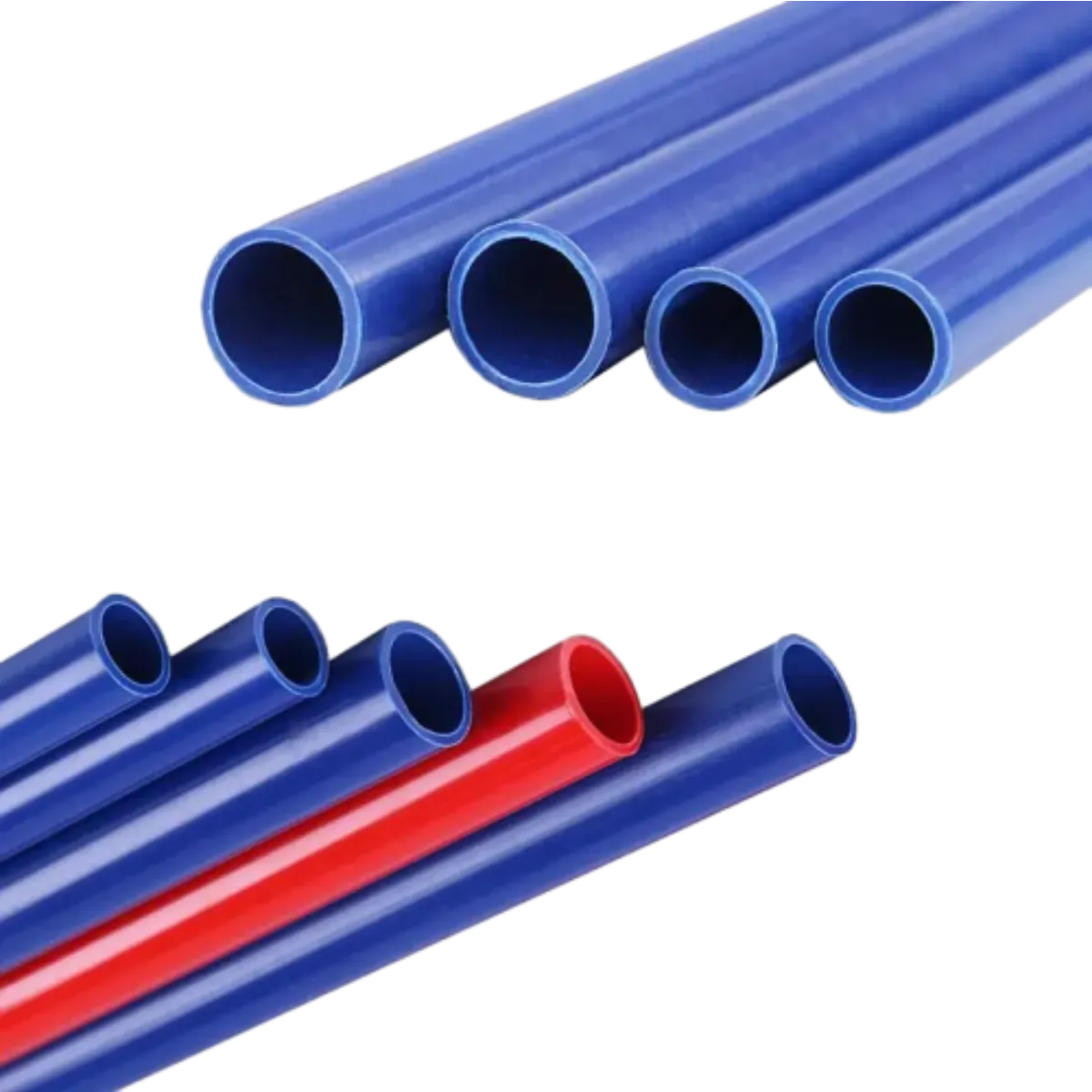
Introduction
Polypropylene Random (PPR) plumbing fittings represent a significant advancement in residential and commercial fluid conveyance systems. Positioned as a cost-effective alternative to traditional metallic piping, PPR fittings are widely used for both hot and cold water distribution. Their inherent corrosion resistance, thermal stability, and ease of installation contribute to their growing market share. This guide details the material science, manufacturing processes, performance characteristics, failure modes, and relevant standards governing discount PPR plumbing fittings. Core to understanding their value proposition is recognizing the need for a material that can withstand continuous water pressure, temperature fluctuations, and resist chemical degradation, all while maintaining a competitive price point. The increasing demand for PPR systems stems from a desire for reduced long-term maintenance costs, faster installation times, and improved system hygiene compared to conventional materials like galvanized steel or copper.
Material Science & Manufacturing
PPR fittings are predominantly manufactured from polypropylene random copolymer. This material is distinguished by its random arrangement of comonomers, typically ethylene, within the polypropylene chain. This randomness disrupts the polymer's crystallinity, leading to improved impact resistance, flexibility, and weldability compared to homopolymer polypropylene. The raw material, polypropylene homopolymer and ethylene, is sourced from petrochemical refining processes. Manufacturing typically begins with the extrusion of PPR resin into pipes and the subsequent injection molding of fittings such as elbows, tees, and couplings. Key process parameters include melt temperature (typically between 200-240°C), mold temperature (30-50°C), and injection pressure (60-100 MPa). Precise control of these parameters is crucial to ensure dimensional accuracy, surface finish, and adequate material consolidation. The welding process, often employing heat fusion (butt fusion or socket fusion), relies on the thermoplastic nature of PPR. Maintaining consistent heating temperatures (130-180°C) and appropriate welding times is critical to achieving leak-proof joints. The quality of the raw material significantly impacts the final product; virgin PPR resin offers superior performance compared to recycled material, particularly in terms of long-term creep resistance and hydrostatic strength.
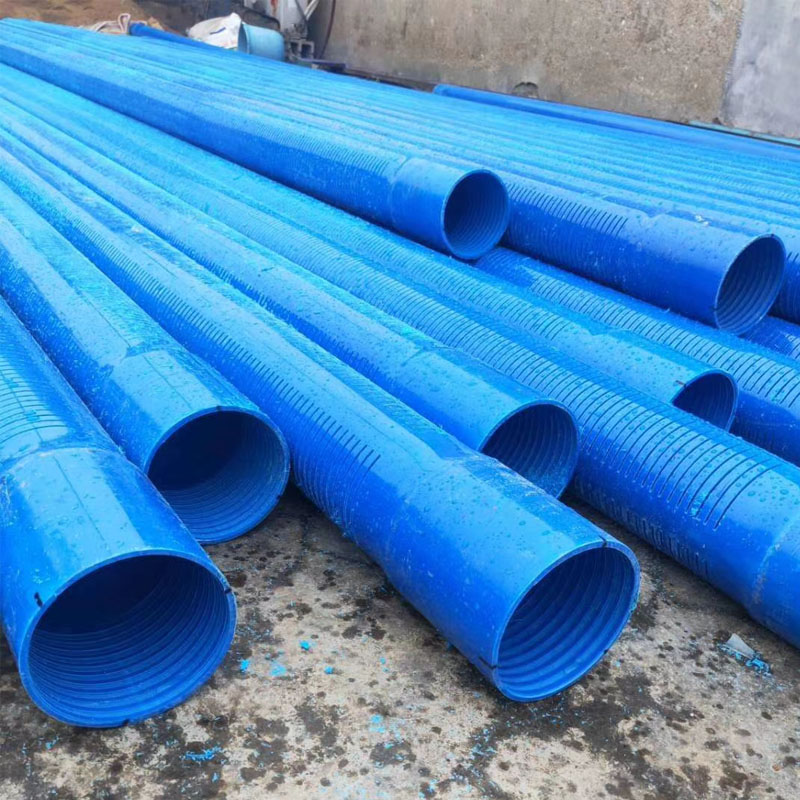
Performance & Engineering
The performance of PPR plumbing fittings is fundamentally governed by their ability to withstand internal hydrostatic pressure, thermal expansion and contraction, and long-term creep deformation. Hydrostatic pressure testing, conducted according to international standards, verifies the fitting's resistance to bursting under sustained pressure. The material's tensile strength (typically 35-45 MPa) and elongation at break (200-300%) are critical indicators of its mechanical integrity. The coefficient of linear thermal expansion for PPR is approximately 0.15 mm/m°C, necessitating the use of expansion loops or flexible connectors in long pipe runs to accommodate temperature-induced dimensional changes. Engineers must also consider the chemical compatibility of PPR with various water qualities. While generally resistant to most common chemicals found in potable water, prolonged exposure to oxidizing agents or certain solvents can lead to material degradation. The design of the fittings themselves plays a crucial role in performance. Socket fittings, for example, are engineered to create a secure interference fit with the pipe, maximizing joint strength. Reinforced PPR fittings, incorporating fiberglass or other strengthening materials, are often used in larger diameter pipes or applications requiring higher pressure ratings. The long-term performance is directly linked to the quality of the welding process; incomplete fusion or excessive welding temperatures can create weak points prone to failure.
Technical Specifications
| Parameter | Unit | Standard Specification (Typical) | Discount PPR Fitting Range |
|---|---|---|---|
| Hydrostatic Pressure (Short Term) | MPa | ≥ 8.0 | 7.0 - 8.5 |
| Hydrostatic Pressure (Long Term) | MPa | ≥ 1.0 | 1.0 - 1.2 |
| Tensile Strength | MPa | 38 - 45 | 35 - 42 |
| Elongation at Break | % | ≥ 200 | 180 - 250 |
| Water Absorption (24hr) | % | ≤ 0.1 | ≤ 0.15 |
| Linear Thermal Expansion Coefficient | mm/m°C | 0.15 | 0.14 - 0.16 |
Failure Mode & Maintenance
PPR plumbing fittings are susceptible to several failure modes, most commonly stemming from improper installation, material defects, or exposure to extreme conditions. Creep rupture, a time-dependent failure under sustained stress, can occur in fittings subjected to continuous hydrostatic pressure, particularly at elevated temperatures. This is exacerbated by the use of lower-quality or recycled materials. Thermal fatigue, caused by repeated expansion and contraction cycles, can lead to cracking at weld joints. Oxidative degradation, while slow, can occur due to exposure to chlorine or other oxidizing agents in the water supply, reducing the material's long-term strength. Mechanical damage, such as impact from tools or physical stress, can create cracks or deformities. Maintenance is relatively minimal, but regular inspections of exposed piping and fittings are recommended to identify any signs of cracking or leakage. If leaks are detected, the affected fitting should be replaced. Preventive maintenance includes ensuring proper support for the piping system to minimize stress on the fittings and avoiding the use of harsh chemicals that could accelerate degradation. A key preventative measure is utilizing certified welding equipment and personnel to ensure proper fusion and minimize weld defects. Failure analysis often involves microscopic examination of fractured surfaces to determine the root cause of the failure, enabling corrective action to prevent recurrence.
Industry FAQ
Q: What is the primary advantage of PPR fittings over traditional copper piping in terms of cost?
A: The cost advantage of PPR stems primarily from lower material costs and reduced labor expenses during installation. PPR fittings are generally less expensive per unit than copper, and their simpler installation process—requiring less specialized tools and skilled labor—significantly reduces overall project costs. Furthermore, the lack of corrosion eliminates the need for costly corrosion inhibitors and long-term maintenance associated with copper systems.
Q: How does the operating temperature range of PPR compare to PVC?
A: PPR fittings boast a significantly wider operating temperature range compared to PVC. While PVC is generally limited to temperatures below 60°C, PPR can reliably operate at temperatures up to 95°C, making it suitable for both hot and cold water distribution systems. This superior thermal stability is a key advantage in applications requiring consistent hot water supply.
Q: What are the critical considerations when welding PPR fittings to ensure a leak-proof joint?
A: Proper surface preparation is paramount. Both the pipe and fitting surfaces must be clean, dry, and free from debris. The correct heating tool and temperature setting, specific to the pipe diameter, must be used. Adequate welding pressure and time are essential for achieving proper fusion. Post-welding inspection for visual defects is crucial; a uniform weld bead indicates a successful joint.
Q: Are PPR fittings suitable for use with potable water systems, and are there any leaching concerns?
A: Yes, PPR fittings are widely approved for use with potable water systems. The material is inherently inert and does not leach harmful chemicals into the water. However, it's critical to use PPR fittings that meet relevant drinking water standards (e.g., NSF certification) to ensure compliance and safeguard water quality.
Q: What are the limitations of using PPR fittings in outdoor applications exposed to UV radiation?
A: Prolonged exposure to ultraviolet (UV) radiation can cause PPR to become brittle and degrade over time. Therefore, PPR piping and fittings used outdoors should be shielded from direct sunlight, either through protective coverings or burial. UV-stabilized PPR formulations are available but offer limited protection and may still require shielding for extended outdoor service life.
Conclusion
Discount PPR plumbing fittings offer a viable and increasingly popular alternative to traditional piping materials, balancing performance with cost-effectiveness. Their inherent corrosion resistance, ease of installation, and suitability for both hot and cold water applications contribute to their growing adoption. However, realizing the full benefits of PPR systems necessitates a thorough understanding of the material's properties, proper installation techniques, and potential failure modes. Maintaining strict quality control during manufacturing and adherence to relevant industry standards are crucial for ensuring long-term reliability and preventing premature system failures.
The future of PPR fittings likely involves further advancements in material formulations, such as the development of enhanced UV-resistant compounds and improved creep resistance. The integration of smart technologies, such as embedded sensors for leak detection and pressure monitoring, could further enhance the performance and longevity of PPR plumbing systems. Continued research and development, coupled with rigorous testing and certification, will be essential for expanding the application range of PPR fittings and solidifying their position as a leading choice in fluid conveyance infrastructure.
-
DN25 HDPE Compression Fitting-HORON INTERNATIONAL|Reliable Irrigation Solutions
NewsFeb.11,2026
-
hdpe coupling joint product Manufacturing Analysis
News2026-11-18
-
ppr pipe heating time products Performance Analysis
News2026-11-16
-
hdpe pipe sizes factory Performance Analysis
News2026-11-09
-
HDPE Pipe Sizes Service Performance Analysis
News2026-10-26
-
wholesale 15mm ppr pipe Material Science and Performance Analysis
News2026-10-20
-
wholesale pvc pipe price per foot Technical Analysis
News2026-09-21
-
wholesale long pvc pipe Technical Analysis and Manufacturing Specifications
News2026-09-15
-
wholesale plumbing kitchen sink water lines Material Performance
News2026-09-15
-
wholesale hdpe drip irrigation Material Science
News2026-09-15
-
wholesale hot water ppr pipe Performance Analysis
News2026-09-15
-
wholesale ppr plumbing Performance Analysis
News2026-09-15
-
wholesale ppr pipe supplier Performance Analysis
News2026-09-13
-
wholesale 50mm ppr pipe Performance Analysis
News2026-09-13
-
wholesale hdpe drip pipe Performance Analysis
News2026-09-13
-
wholesale hdpe pipe 63mm price Manufacturing Specification and Performance Analysis
News2026-09-13