

Feb . 11, 2026 00:01 Back to list
discount ppr pipes and fittings price list Technical Analysis

Introduction
Polypropylene Random (PPR) pipe systems and fittings represent a significant advancement in fluid transport infrastructure, primarily utilized in hot and cold water distribution, industrial applications, and increasingly, heating systems. The 'discount PPR pipes and fittings price list' reflects a competitive landscape where material composition, manufacturing tolerances, and performance characteristics dictate value. PPR systems offer advantages over traditional metallic piping due to their corrosion resistance, lightweight nature, and ease of installation through heat fusion welding. This guide provides a comprehensive technical overview of PPR materials, manufacturing processes, performance criteria, potential failure modes, and relevant industry standards, focusing on the implications of price variations within the market. A core pain point in procurement is balancing initial cost savings with long-term reliability and compliance, a challenge this document addresses by detailing the technical basis for price differentials.
Material Science & Manufacturing
PPR pipes and fittings are manufactured from polypropylene random copolymer resin, a thermoplastic polymer characterized by its amorphous structure. The ‘random’ designation indicates a random distribution of comonomers (typically ethylene) within the polypropylene chain, enhancing flexibility and impact resistance compared to homopolymer polypropylene. Raw material quality, specifically the molecular weight distribution and comonomer content, significantly impacts the final product properties. Manufacturing typically involves extrusion for pipes and injection molding for fittings. Extrusion parameters, including melt temperature (typically 190-230°C), die pressure, and cooling rate, are critical for achieving consistent wall thickness and dimensional accuracy. Injection molding requires precise control of mold temperature (30-60°C), injection speed, and holding pressure to prevent warping and ensure proper fusion of material. Heat fusion welding, the predominant joining method, relies on controlled heating of the pipe and fitting surfaces to achieve a homogenous weld. The weld strength is directly dependent on surface cleanliness, temperature control, and the compatibility of the materials' melt flow rates. Quality control during manufacturing involves regular testing of melt flow index (MFI), tensile strength, and hydrostatic pressure resistance, as per ISO 15874-1.
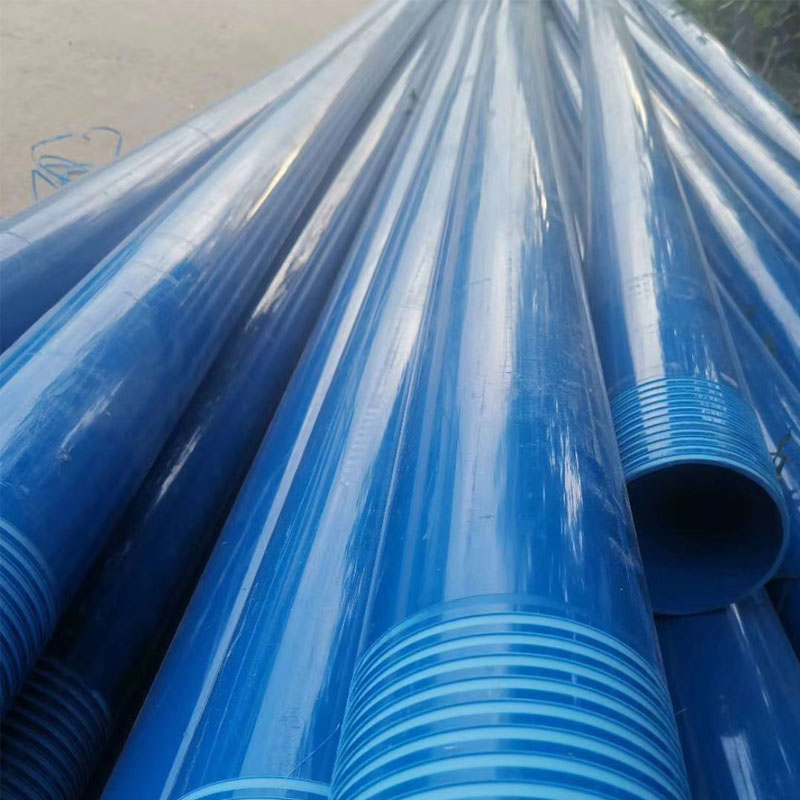
Performance & Engineering
The performance of PPR pipe systems is governed by several engineering principles. Hydrostatic pressure resistance, a crucial parameter, dictates the maximum operating pressure. This is determined through long-term hydrostatic strength testing according to ISO 11671, where pipes are subjected to sustained pressure at elevated temperatures. Thermal expansion is another significant consideration, with PPR exhibiting a higher coefficient of thermal expansion (approximately 0.03 mm/m°C) than metallic pipes. This necessitates the inclusion of expansion loops or bends in the system design to accommodate temperature fluctuations and prevent stress buildup. Chemical resistance is generally excellent, with PPR being compatible with most common water treatments and household chemicals. However, prolonged exposure to strong oxidizing agents should be avoided. Force analysis during installation is vital; excessive bending radius during installation can create stress concentrations and lead to premature failure. Compliance requirements vary regionally, with European standards (EN ISO 15874 series) and German DVGW standards (W542) being widely recognized. PPR systems are generally not suitable for transporting compressed air or flammable gases due to their permeability and potential for static electricity buildup. Furthermore, UV degradation is a concern for outdoor applications, requiring the use of UV-stabilized materials or protective coatings.
Technical Specifications
| Parameter | Unit | Standard (ISO 15874-1) | Typical Value (PN20) |
|---|---|---|---|
| Nominal Pressure (PN) | bar | Variable (PN10, PN16, PN20, PN25) | 20 |
| Hydrostatic Pressure Test (Short Term) | bar | ≥ 2.4 x PN | 48 |
| Hydrostatic Pressure Test (Long Term) | bar | ≥ 1.5 x PN (100 hours at 70°C) | 30 |
| Tensile Strength | MPa | ≥ 20 | 25-30 |
| Elongation at Break | % | ≥ 200 | 300-400 |
| Water Absorption (24 hours at 23°C) | % | ≤ 0.5 | 0.2-0.3 |
Failure Mode & Maintenance
PPR pipe systems, while durable, are susceptible to specific failure modes. Fatigue cracking can occur due to repeated pressure fluctuations or thermal cycling, particularly at joints or areas of stress concentration. Delamination, where layers of the pipe wall separate, can be caused by insufficient fusion during welding or material defects. Chemical attack, although rare, can occur with exposure to strong oxidizing agents, leading to embrittlement and cracking. Oxidation, primarily affecting exposed surfaces, can reduce the material's mechanical properties over time. UV degradation is a significant concern for outdoor installations, causing discoloration and reduced impact resistance. Maintenance typically involves visual inspections for leaks, cracks, or deformation. Regular pressure testing is recommended to identify potential weaknesses. If a leak is detected, the affected section should be cut out and replaced with a new section, properly heat-fused. For minor surface scratches or abrasions, a compatible PPR repair compound can be used. Preventive maintenance includes protecting exposed pipes from direct sunlight and ensuring proper support to prevent excessive bending or stress. Record-keeping of installation dates, materials used, and maintenance activities is crucial for long-term system management.
Industry FAQ
Q: What is the impact of varying PPR resin grades on long-term performance?
A: Different PPR resin grades vary in molecular weight distribution and comonomer content. Higher molecular weight resins generally offer improved long-term creep resistance and hydrostatic strength. The comonomer content affects flexibility and impact resistance. Lower-cost pipes may utilize resins with lower molecular weights or higher levels of impurities, leading to increased creep, reduced burst pressure, and potentially shorter service life. It’s essential to verify the resin grade and associated testing certifications.
Q: How does welding temperature affect the strength of PPR joints?
A: Incorrect welding temperature is a primary cause of joint failure. Too low a temperature results in insufficient fusion, creating a weak joint prone to leakage or separation. Too high a temperature can cause material degradation and excessive weld bead formation, potentially weakening the surrounding pipe wall. The optimal welding temperature is dictated by the pipe diameter and wall thickness, typically ranging from 260-270°C, and should be determined based on the welding equipment manufacturer's recommendations.
Q: What are the limitations of PPR pipes in industrial applications involving specific chemicals?
A: While PPR exhibits good chemical resistance to many common substances, it is susceptible to attack by strong oxidizing agents (e.g., concentrated nitric acid, concentrated sulfuric acid), chlorinated solvents, and aromatic hydrocarbons. Exposure to these chemicals can cause swelling, cracking, or embrittlement. A chemical compatibility chart should be consulted before using PPR pipes in industrial applications involving potentially corrosive substances.
Q: How does creep affect the long-term reliability of PPR pipe systems under constant pressure?
A: Creep is the time-dependent deformation of a material under sustained stress. PPR, being a thermoplastic, is susceptible to creep, particularly at elevated temperatures. Over time, creep can lead to a gradual reduction in pipe diameter and increased stress on joints, potentially leading to leakage or failure. Selecting higher-grade PPR resins and maintaining operating temperatures within the recommended limits can minimize creep effects.
Q: What methods can be used to verify the quality of PPR welding during installation?
A: Visual inspection of the weld bead should be the first step, looking for a uniform, consistent weld profile without any voids or imperfections. A pressure test, conducted according to ISO 15874-2, is essential to verify the integrity of the joints. Destructive testing, involving cutting and examining a sample weld, can provide a more detailed assessment of the fusion quality. Proper welder training and certification are also crucial for ensuring consistent weld quality.
Conclusion
The selection and implementation of PPR pipe systems require a thorough understanding of material properties, manufacturing processes, and engineering principles. The ‘discount PPR pipes and fittings price list’ often represents trade-offs between initial cost and long-term performance. Lower-priced options may utilize lower-grade resins or have less stringent manufacturing controls, potentially compromising durability and reliability. Therefore, a detailed technical evaluation, considering factors such as hydrostatic pressure resistance, chemical compatibility, and weld quality, is paramount.
Future advancements in PPR technology are focused on developing enhanced resin formulations with improved creep resistance and higher temperature capabilities, as well as automated welding techniques to ensure consistent joint quality. A comprehensive approach to procurement, prioritizing quality and compliance alongside cost considerations, will ensure the long-term integrity and efficiency of PPR piping systems. Proper installation techniques, regular maintenance, and adherence to relevant industry standards are also essential for maximizing the lifespan and minimizing the risk of failure.
-
DN25 HDPE Compression Fitting-HORON INTERNATIONAL|Reliable Irrigation Solutions
NewsFeb.11,2026
-
hdpe coupling joint product Manufacturing Analysis
News2026-11-18
-
ppr pipe heating time products Performance Analysis
News2026-11-16
-
hdpe pipe sizes factory Performance Analysis
News2026-11-09
-
HDPE Pipe Sizes Service Performance Analysis
News2026-10-26
-
wholesale 15mm ppr pipe Material Science and Performance Analysis
News2026-10-20
-
wholesale pvc pipe price per foot Technical Analysis
News2026-09-21
-
wholesale long pvc pipe Technical Analysis and Manufacturing Specifications
News2026-09-15
-
wholesale plumbing kitchen sink water lines Material Performance
News2026-09-15
-
wholesale hdpe drip irrigation Material Science
News2026-09-15
-
wholesale hot water ppr pipe Performance Analysis
News2026-09-15
-
wholesale ppr plumbing Performance Analysis
News2026-09-15
-
wholesale ppr pipe supplier Performance Analysis
News2026-09-13
-
wholesale 50mm ppr pipe Performance Analysis
News2026-09-13
-
wholesale hdpe drip pipe Performance Analysis
News2026-09-13
-
wholesale hdpe pipe 63mm price Manufacturing Specification and Performance Analysis
News2026-09-13