

Feb . 11, 2026 00:01 Back to list
discount ppr pipe price Performance Analysis
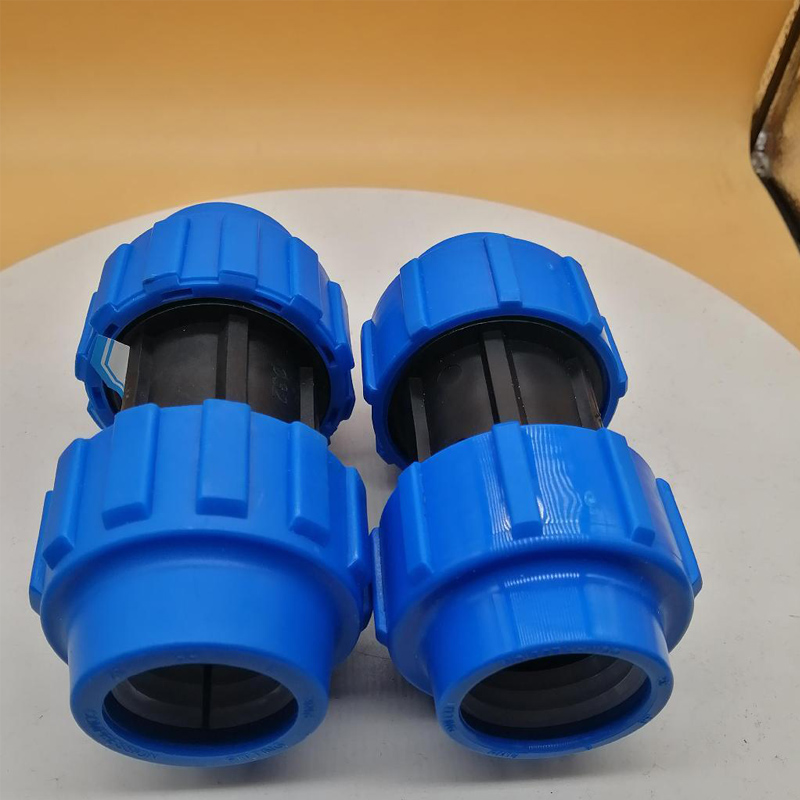
Introduction
Polypropylene Random (PPR) pipe represents a significant advancement in fluid conveyance systems, particularly within building infrastructure and industrial applications. Discount PPR pipe price reflects the increasing accessibility of this robust material, challenging traditional piping solutions like copper, galvanized steel, and PVC. PPR pipes are characterized by their homogenous structure, derived from polypropylene random copolymer, offering excellent chemical resistance, thermal stability, and hygienic properties. Their primary function is the transportation of potable water, heating fluids, and industrial chemicals, though specific formulations dictate compatibility. The price competitiveness of PPR, coupled with ease of installation using heat fusion welding, has driven its adoption across a wide range of projects, from residential plumbing to large-scale district heating networks. This guide provides a comprehensive technical overview of PPR pipe, encompassing material science, manufacturing processes, performance characteristics, failure modes, and relevant industry standards.
Material Science & Manufacturing
The foundation of PPR pipe lies in polypropylene random copolymer, differing from homopolymer polypropylene by the random distribution of comonomers (typically ethylene). This randomness disrupts the polymer’s crystallinity, resulting in increased flexibility, improved impact resistance, and enhanced weldability. Raw material selection is critical, with grades varying in Melt Flow Rate (MFR) which dictates processability. Higher MFR values facilitate easier processing, but potentially compromise long-term creep resistance. Manufacturing typically involves extrusion, where the PPR compound is melted and forced through a die to create the desired pipe dimensions. Critical parameters include extrusion temperature (typically 190-240°C), die pressure, and cooling rates. Post-extrusion, pipes are often subjected to hydrostatic testing to verify pressure integrity and dimensional accuracy. Welding of PPR pipes is accomplished via heat fusion, typically socket fusion or butt fusion. Socket fusion involves heating both the pipe end and the fitting socket, then joining them under pressure. Butt fusion, employed for larger diameter pipes, utilizes a heated tool to melt the pipe ends before joining. Precise temperature control and consistent pressure are paramount to ensure strong, leak-proof joints. Batch consistency, achieved through meticulous raw material sourcing and process control, is vital for maintaining performance uniformity.
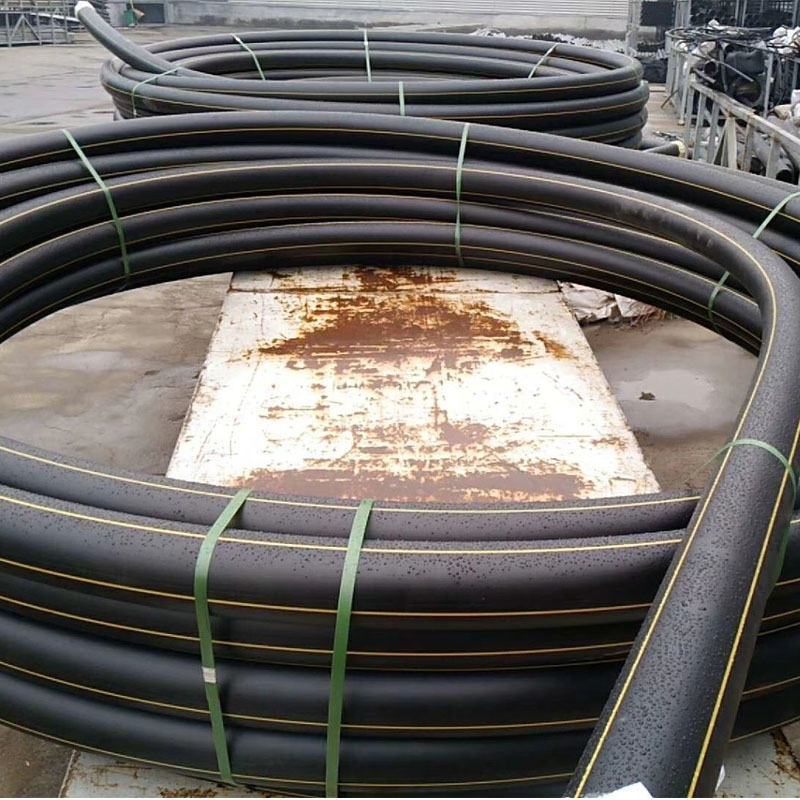
Performance & Engineering
PPR pipe performance is governed by several key engineering principles. Hydrostatic pressure testing, as mandated by standards like DIN 19569, verifies the pipe's ability to withstand internal pressure without rupture or deformation. Long-term hydrostatic strength (LTHS) is a crucial parameter, representing the pipe's ability to withstand sustained pressure over a 50-year service life. This is determined through accelerated aging tests. Creep resistance, the tendency of the pipe to deform under constant stress, is another critical consideration, particularly at elevated temperatures. Thermal expansion is also significant; PPR exhibits a relatively high coefficient of thermal expansion (approximately 0.15 mm/m°C), necessitating the incorporation of expansion loops or flexible connectors in installations to prevent stress cracking. Chemical resistance is generally excellent, with PPR pipes compatible with most common water treatment chemicals and domestic fluids. However, they are susceptible to degradation by strong oxidizing agents and certain hydrocarbons. Impact resistance is enhanced by the random copolymer structure, providing good resilience to external loads and accidental damage. Pipe wall thickness is engineered based on the operating pressure and temperature, adhering to pressure derating curves specified in relevant standards. Proper support and anchoring are critical to prevent sagging and excessive stress on joints.
Technical Specifications
| Parameter | Unit | Typical Value (PN20) | Typical Value (PN25) |
|---|---|---|---|
| Nominal Pressure (PN) | Bar | 20 | 25 |
| Operating Temperature | °C | -20 to +95 | -20 to +95 |
| Burst Pressure | Bar | >80 | >100 |
| Hydrostatic Test Pressure | Bar | 40 | 50 |
| Melt Flow Rate (MFR) | g/10min | 3.5 – 4.5 | 3.0 – 4.0 |
| Density | g/cm³ | 0.905 – 0.915 | 0.905 – 0.915 |
Failure Mode & Maintenance
PPR pipe, while durable, is subject to several potential failure modes. Slow Crack Growth (SCG) is a common issue, arising from sustained tensile stress in the presence of certain chemicals or aggressive water conditions. This manifests as fine cracks propagating slowly over time. Thermal stress cracking can occur if the pipe is not adequately supported and experiences significant temperature fluctuations. Oxidation, particularly at elevated temperatures, can lead to embrittlement and reduced impact resistance. Joint failures are frequently attributable to improper welding techniques – insufficient heating, inadequate pressure, or contamination during fusion. Delamination, though less common, can occur if the PPR compound is poorly mixed or contains contaminants. Maintenance primarily focuses on preventative measures. Regular visual inspections should be conducted to identify any signs of cracking, deformation, or leakage. Avoid exposing PPR pipes to direct sunlight for prolonged periods, as UV radiation can accelerate degradation. Ensure proper support and anchoring to minimize stress. If repairs are necessary, only qualified personnel should perform welding using appropriate techniques and materials. For minor leaks, repair sleeves or couplings can be used, provided they are compatible with PPR and installed correctly. Flushing the system periodically can help remove sediment and prevent corrosion in metallic components connected to the PPR piping.
Industry FAQ
Q: What is the impact of water hammer on PPR pipe systems?
A: Water hammer, the pressure surge caused by sudden changes in flow velocity, can significantly stress PPR pipe systems. PPR’s inherent rigidity, while beneficial in many respects, makes it less forgiving to these dynamic pressures than more flexible materials. Mitigation strategies include the installation of water hammer arrestors, air chambers, or pressure reducing valves. Proper pipe support and secure joint construction are also crucial to withstand the forces generated by water hammer. Systems experiencing frequent or severe water hammer events require careful design and consideration of damping mechanisms.
Q: Can PPR pipe be used for compressed air lines?
A: Generally, no. PPR pipe is not recommended for compressed air lines. While it can withstand the static pressure, the cyclical pressure fluctuations and potential for moisture condensation in compressed air systems can lead to premature failure. PPR is susceptible to SCG in the presence of oil vapor commonly found in compressed air. Materials specifically designed for compressed air, such as aluminum or nylon tubing, are preferred.
Q: What are the limitations regarding the transport of specific chemicals in PPR piping?
A: PPR exhibits good chemical resistance to many common fluids, but it’s crucial to verify compatibility with the specific chemical being transported. Strong oxidizing agents (e.g., chlorine, concentrated nitric acid) and certain hydrocarbons can cause degradation and failure. Refer to chemical resistance charts provided by the PPR pipe manufacturer for detailed guidance. Temperature also plays a role; higher temperatures generally exacerbate chemical attack.
Q: How does the quality of the welding equipment and operator skill impact joint integrity?
A: The quality of the welding equipment and the skill of the operator are paramount to achieving reliable joints. Inconsistent heating temperatures, improper heating times, and insufficient pressure during fusion can result in weak joints prone to leakage or failure. Regular calibration of welding equipment and comprehensive training for operators are essential. Visual inspection of the weld bead and hydrostatic testing of completed joints are crucial quality control measures.
Q: What is the typical service life expectancy of a properly installed PPR pipe system?
A: A properly installed and maintained PPR pipe system typically has a service life expectancy of 50 years or more. However, this is dependent on factors such as water quality, operating temperature, pressure, and exposure to UV radiation. Regular inspections and adherence to recommended maintenance practices are crucial to maximizing service life. The LTHS value provided by the manufacturer is a key indicator of long-term reliability.
Conclusion
Discount PPR pipe price offers a compelling alternative to traditional piping materials, driven by its favorable combination of performance characteristics, ease of installation, and cost-effectiveness. However, realizing the full potential of PPR requires a thorough understanding of its material properties, manufacturing processes, and potential failure modes. Engineers and procurement professionals must prioritize proper material selection, meticulous installation techniques, and ongoing maintenance to ensure long-term reliability and minimize the risk of costly failures.
The future of PPR pipe lies in continued advancements in material formulations and welding technologies. Development of PPR compounds with enhanced UV resistance, improved chemical compatibility, and increased creep resistance will further broaden its application scope. Furthermore, innovations in automated welding techniques and quality control procedures will contribute to greater installation efficiency and reduced joint failure rates. Adherence to evolving industry standards and best practices will be critical for maintaining the integrity and longevity of PPR piping systems.
-
DN25 HDPE Compression Fitting-HORON INTERNATIONAL|Reliable Irrigation Solutions
NewsFeb.11,2026
-
hdpe coupling joint product Manufacturing Analysis
News2026-11-18
-
ppr pipe heating time products Performance Analysis
News2026-11-16
-
hdpe pipe sizes factory Performance Analysis
News2026-11-09
-
HDPE Pipe Sizes Service Performance Analysis
News2026-10-26
-
wholesale 15mm ppr pipe Material Science and Performance Analysis
News2026-10-20
-
wholesale pvc pipe price per foot Technical Analysis
News2026-09-21
-
wholesale long pvc pipe Technical Analysis and Manufacturing Specifications
News2026-09-15
-
wholesale plumbing kitchen sink water lines Material Performance
News2026-09-15
-
wholesale hdpe drip irrigation Material Science
News2026-09-15
-
wholesale hot water ppr pipe Performance Analysis
News2026-09-15
-
wholesale ppr plumbing Performance Analysis
News2026-09-15
-
wholesale ppr pipe supplier Performance Analysis
News2026-09-13
-
wholesale 50mm ppr pipe Performance Analysis
News2026-09-13
-
wholesale hdpe drip pipe Performance Analysis
News2026-09-13
-
wholesale hdpe pipe 63mm price Manufacturing Specification and Performance Analysis
News2026-09-13