

Feb . 11, 2026 00:01 Back to list
discount ppr pipe for cold water Performance Analysis
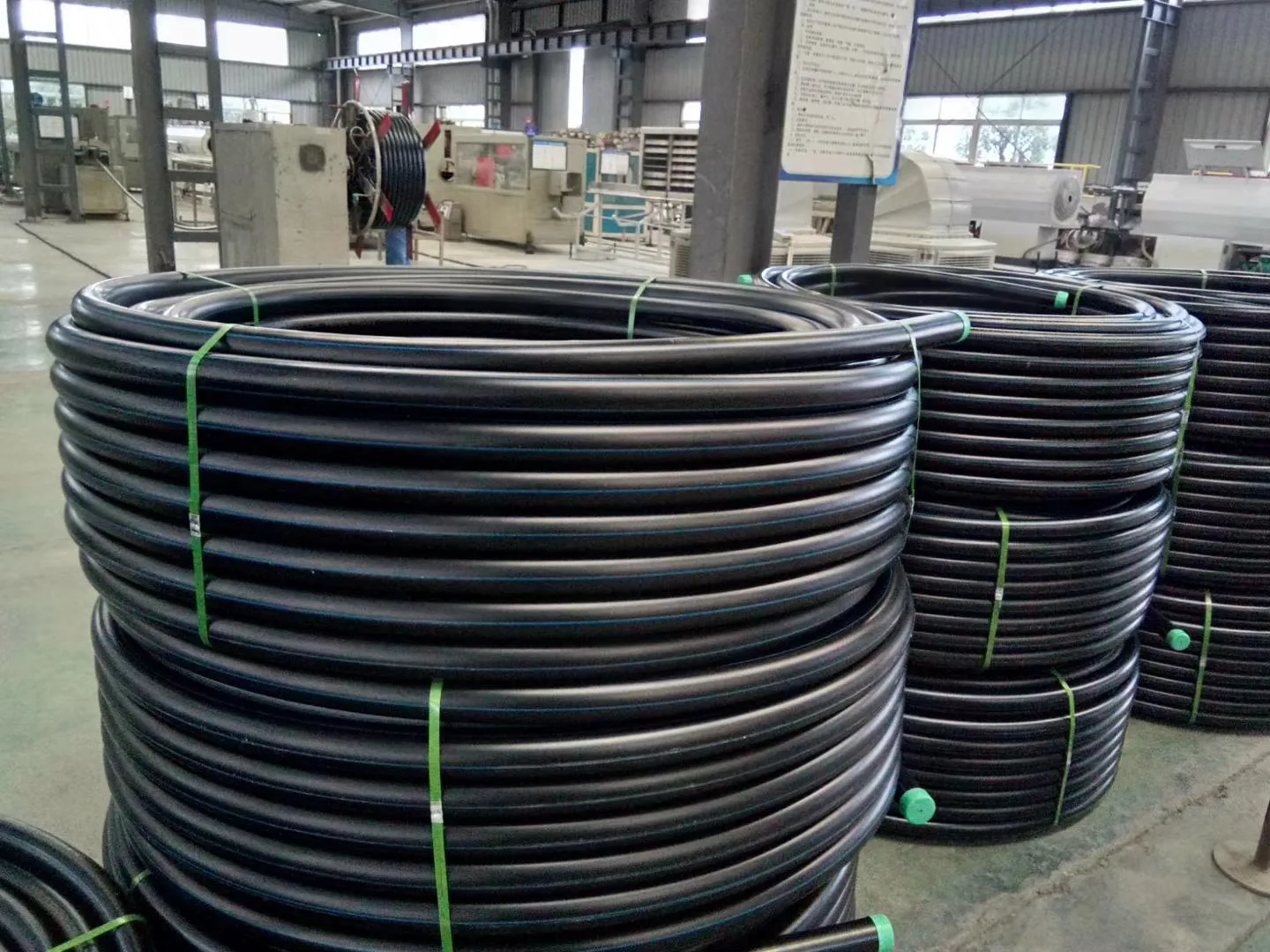
Introduction
Polypropylene Random (PPR) pipe for cold water applications represents a significant advancement in plumbing infrastructure. Positioned as a cost-effective alternative to traditional metallic piping systems like copper and galvanized steel, PPR offers a compelling combination of durability, corrosion resistance, and ease of installation. Within the cold water distribution chain, PPR pipes serve as the crucial conduit for potable water delivery from the mains supply to residential, commercial, and industrial endpoints. Their core performance characteristics – including pressure resistance, temperature stability within specified limits, and hygienic properties – make them ideally suited for these applications. The ‘discount’ designation indicates a focus on providing a competitively priced product while maintaining adherence to essential industry standards, addressing a critical market need for affordable and reliable water infrastructure. This guide provides an in-depth technical analysis of discount PPR pipe intended for cold water service, covering material science, manufacturing processes, performance parameters, potential failure modes, and relevant industry regulations.
Material Science & Manufacturing
The foundation of PPR pipe lies in the polypropylene random copolymer resin. This material is characterized by its random distribution of comonomers, primarily ethylene, within the polypropylene backbone. This random arrangement disrupts the polymer’s crystallinity, resulting in enhanced impact resistance and flexibility compared to homopolymer polypropylene. The raw material typically exhibits a Melt Flow Index (MFI) between 3.5 and 7.0 g/10min (230°C, 2.16 kg), indicating processability and molecular weight distribution crucial for extrusion. Manufacturing begins with the precise mixing of the PPR resin with stabilizers (typically phenolic and phosphite antioxidants to prevent thermal degradation during processing), and potentially colorants. Extrusion is the primary forming process. The resin is fed into a twin-screw extruder where it is melted, homogenized, and forced through a circular die to create the pipe’s profile. Critical parameters during extrusion include melt temperature (typically 190-230°C), screw speed, and die pressure, all of which impact the pipe’s dimensional accuracy and mechanical properties. Following extrusion, the pipe undergoes cooling in a water bath to solidify its shape. Subsequent steps involve dimensional control through sizing tools, cutting to specified lengths, and quality control checks including hydrostatic pressure testing and visual inspection. Socket fusion welding, butt fusion welding, and electrofusion welding are the primary joining methods. The selection of appropriate welding parameters (temperature and time) is vital for creating leak-proof, structurally sound joints.

Performance & Engineering
The engineering performance of PPR pipe for cold water applications is governed by its ability to withstand hydrostatic pressure, resist thermal expansion and contraction, and maintain long-term dimensional stability. Force analysis reveals that hoop stress (tangential stress around the pipe circumference) is the primary stress component under internal pressure. PPR’s inherent strength and the pipe’s wall thickness dictate its pressure rating. Discount PPR pipes are commonly rated for pressures ranging from PN10 (1.0 MPa) to PN20 (2.0 MPa) – values selected to align with typical municipal water supply pressures. Environmental resistance is a key consideration. While PPR is highly resistant to most chemicals commonly found in potable water, prolonged exposure to UV radiation can lead to degradation and embrittlement. Therefore, underground installation or UV-stabilized formulations are recommended for outdoor applications. Compliance with potable water regulations is paramount. PPR pipes must not leach harmful substances into the water supply. Material formulations are scrutinized to ensure they meet stringent standards for heavy metal content and volatile organic compound (VOC) emissions. Coefficient of Linear Thermal Expansion (CLTE) for PPR is approximately 0.15 mm/m°C. This necessitates proper allowance for expansion and contraction during installation, particularly in long runs, to prevent stress concentration and potential joint failure. The long-term creep resistance of PPR is also crucial, as sustained pressure over time can lead to dimensional changes. Discount PPR manufacturers often utilize reinforcing layers or modified formulations to enhance creep resistance.
Technical Specifications
| Parameter | Unit | PN10 (Typical) | PN16 (Typical) |
|---|---|---|---|
| Nominal Diameter | mm | 20-63 | 20-110 |
| Pressure Rating | MPa | 1.0 | 1.6 |
| Wall Thickness | mm | 2.3-3.7 | 3.2-5.4 |
| Melt Flow Index (MFI) | g/10min | 3.5-7.0 | 3.5-7.0 |
| Hydrostatic Pressure Test | MPa | 1.5 | 2.4 |
| Temperature Resistance (Max. Continuous) | °C | 60 | 60 |
Failure Mode & Maintenance
PPR pipe, while durable, is susceptible to specific failure modes. Fatigue cracking can occur at joints subjected to repeated pressure cycles, particularly if improper welding techniques were employed. This manifests as hairline cracks propagating from the weld bead. Delamination, although less common, can occur if the pipe material is contaminated during extrusion or if insufficient mixing of the resin components takes place. Degradation, primarily due to prolonged UV exposure, leads to surface chalking and loss of impact strength, increasing the risk of brittle fracture. Oxidation can occur at elevated temperatures or in the presence of certain chemicals, leading to material embrittlement. Slow crack growth (SCG), induced by sustained tensile stress and aggressive water chemistry (though less prevalent in cold water systems), is a potential long-term failure mechanism. Maintenance is relatively minimal for PPR systems. Regular visual inspections of exposed pipe sections and joints are recommended to identify any signs of cracking, discoloration, or leakage. If leaks are detected, the affected section should be cut out and replaced using appropriate welding techniques. Joint integrity should be periodically checked using non-destructive testing methods like ultrasonic testing, especially in critical applications. Avoid mechanical damage during installation and subsequent maintenance activities. Proper backfilling and support are essential to prevent stress on the pipe and joints. Preventative measures include selecting UV-stabilized PPR for outdoor applications and ensuring adherence to recommended welding parameters during installation and repair.
Industry FAQ
Q: What is the primary difference between PPR-C and standard PPR pipe, and does it affect suitability for cold water?
A: PPR-C (Chlorinated Polypropylene Random) offers enhanced temperature resistance, typically up to 95°C, and improved chlorine resistance. While beneficial for hot water applications, for cold water service, the added cost of PPR-C generally doesn't provide a significant performance advantage compared to standard PPR. Standard PPR is perfectly adequate and cost-effective for cold water distribution, provided the water temperature remains within the pipe’s specified limits.
Q: How does the wall thickness of a discount PPR pipe impact its pressure rating and long-term durability?
A: Wall thickness directly correlates with a pipe’s ability to withstand internal hydrostatic pressure. Thicker walls provide greater strength and resistance to hoop stress. While a lower-cost ‘discount’ pipe might utilize a minimum acceptable wall thickness to meet a specific PN rating, it’s crucial to verify that it’s sufficient for the operating pressures within the system. Insufficient wall thickness can lead to premature failure, particularly under fluctuating pressure conditions.
Q: What welding method is most recommended for joining discount PPR pipe, considering cost and long-term reliability?
A: Socket fusion welding is generally considered the most cost-effective and reliable joining method for PPR pipe, particularly for smaller diameters. It requires relatively inexpensive tooling and provides strong, leak-proof joints when performed correctly. Butt fusion welding is preferred for larger diameter pipes, but requires more sophisticated equipment and skilled operators. Electrofusion welding offers high precision and is suitable for specialized applications, but is the most expensive option.
Q: What are the key considerations when installing PPR pipe in areas prone to freezing temperatures?
A: PPR, like most plastics, is susceptible to damage if frozen water expands within the pipe. Installation in frost-protected locations is ideal. If this is not possible, the pipe should be adequately insulated to prevent freezing. Furthermore, ensure the system is drained completely during prolonged periods of sub-freezing temperatures to avoid pipe rupture.
Q: What quality control certifications should a reputable discount PPR pipe manufacturer possess?
A: A reputable manufacturer should possess certifications such as ISO 9001 (Quality Management System), demonstrating a commitment to consistent product quality. Compliance with relevant standards like DIN 8077/8078 (for PPR pipe systems) is essential, and ideally, the pipe should be independently tested and certified by a recognized testing laboratory to verify its performance characteristics and adherence to potable water regulations.
Conclusion
Discount PPR pipe represents a viable and increasingly popular solution for cold water distribution systems, offering a balance of cost-effectiveness, durability, and ease of installation. A thorough understanding of the material’s properties, manufacturing processes, and potential failure modes is paramount to ensuring long-term system reliability. Prioritizing adherence to relevant industry standards, employing proper installation techniques, and implementing routine inspections will maximize the service life and minimize the risk of failures.
The continuing development of PPR formulations, focusing on enhanced creep resistance and UV stability, will further broaden its application range. As regulations regarding potable water quality become more stringent, manufacturers will need to demonstrate consistent compliance through rigorous testing and certification. The future of discount PPR pipe in cold water applications hinges on maintaining a commitment to quality, innovation, and adherence to evolving industry best practices.
-
DN25 HDPE Compression Fitting-HORON INTERNATIONAL|Reliable Irrigation Solutions
NewsFeb.11,2026
-
hdpe coupling joint product Manufacturing Analysis
News2026-11-18
-
ppr pipe heating time products Performance Analysis
News2026-11-16
-
hdpe pipe sizes factory Performance Analysis
News2026-11-09
-
HDPE Pipe Sizes Service Performance Analysis
News2026-10-26
-
wholesale 15mm ppr pipe Material Science and Performance Analysis
News2026-10-20
-
wholesale pvc pipe price per foot Technical Analysis
News2026-09-21
-
wholesale long pvc pipe Technical Analysis and Manufacturing Specifications
News2026-09-15
-
wholesale plumbing kitchen sink water lines Material Performance
News2026-09-15
-
wholesale hdpe drip irrigation Material Science
News2026-09-15
-
wholesale hot water ppr pipe Performance Analysis
News2026-09-15
-
wholesale ppr plumbing Performance Analysis
News2026-09-15
-
wholesale ppr pipe supplier Performance Analysis
News2026-09-13
-
wholesale 50mm ppr pipe Performance Analysis
News2026-09-13
-
wholesale hdpe drip pipe Performance Analysis
News2026-09-13
-
wholesale hdpe pipe 63mm price Manufacturing Specification and Performance Analysis
News2026-09-13