

Feb . 11, 2026 00:01 Back to list
discount ppr pipe connector Performance Analysis

Introduction
Polypropylene Random (PPR) pipe connectors represent a critical component within fluid conveyance systems, predominantly utilized in potable water supply, heating, and cooling applications. These connectors, frequently available as ‘discount’ options due to manufacturing scale and material sourcing strategies, facilitate the joining of PPR pipes, creating leak-proof and durable networks. Their technical position lies between the extruded PPR pipe itself and the end-use application, functioning as the interface for transferring fluids and pressure. Core performance characteristics revolve around maintaining structural integrity under hydrostatic pressure, resisting chemical degradation from conveyed fluids, and providing a secure, long-term connection minimizing leakage. The increasing demand for cost-effective, corrosion-resistant piping solutions drives the prominence of PPR connectors in residential, commercial, and industrial construction projects. The performance gap between standard and discounted options primarily resides in raw material consistency and the precision of manufacturing tolerances, impacting long-term reliability and pressure ratings.
Material Science & Manufacturing
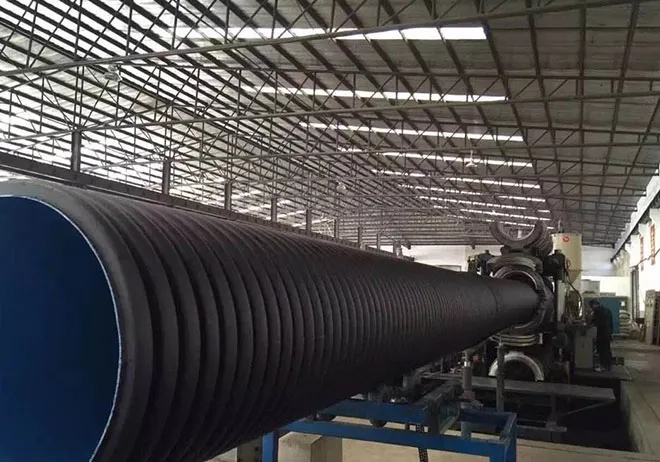
PPR connectors are predominantly manufactured from polypropylene random copolymer, a thermoplastic polymer characterized by its amorphous structure. The ‘random’ designation denotes the irregular distribution of comonomers (typically ethylene) within the polypropylene chain, resulting in enhanced impact resistance and flexibility compared to homopolymer polypropylene. Raw material selection critically influences connector performance; virgin PPR offers superior mechanical properties and chemical resistance, while recycled material, often employed in ‘discount’ connectors, can exhibit reduced strength and increased susceptibility to degradation. The manufacturing process typically involves injection molding. PPR granules are heated to a molten state (around 230-260°C) and injected under high pressure into a precisely machined mold cavity. Key process parameters include mold temperature (40-60°C), injection pressure (60-100 MPa), and cooling rate. Variations in these parameters directly affect the crystalline structure and molecular orientation of the molded connector, influencing its strength, dimensional accuracy, and resistance to stress cracking. Welding parameters, crucial for joining connectors to pipes, involve both heat plate temperature (around 260-270°C) and pressing time/force. Consistent temperature control and uniform pressure distribution are essential to achieve a homogenous weld, ensuring a leak-proof and structurally sound connection. Chemical compatibility with various fluids (chlorinated water, glycol solutions) must also be considered during material selection and manufacturing to prevent swelling, leaching, or embrittlement.
Performance & Engineering
The engineering performance of PPR connectors is dictated by their ability to withstand hydrostatic pressure, resist thermal expansion and contraction, and maintain long-term dimensional stability. Force analysis focuses on hoop stress within the connector body, particularly at the weld interface, under internal fluid pressure. Finite Element Analysis (FEA) is frequently employed to optimize connector geometry and material distribution to minimize stress concentrations. Environmental resistance is a key consideration; PPR is generally resistant to many common chemicals, but prolonged exposure to strong oxidizing agents, chlorinated solvents, and high temperatures can lead to degradation. Ultraviolet (UV) exposure can also cause embrittlement. Compliance requirements vary by region, but generally include standards related to potable water safety (NSF/ANSI 61), pressure testing (ISO 1167), and material purity. Specifically, ‘discount’ connectors may face challenges in meeting stringent lead and heavy metal content regulations. The design of the connector’s sealing mechanism (typically an O-ring or a precisely molded lip) is critical for preventing leakage. The O-ring material (typically EPDM or silicone rubber) must be compatible with the conveyed fluid and maintain its elasticity over a wide temperature range. Consideration must be given to thermal expansion and contraction of both the PPR pipe and the connector, especially in systems with significant temperature fluctuations. Improper installation or insufficient allowance for thermal movement can induce stress at the weld interface, leading to premature failure.
Technical Specifications
| Parameter | Standard Connector (Typical) | Discount Connector (Typical) | Testing Standard |
|---|---|---|---|
| Pressure Rating (PN) | PN20 (2.0 MPa) | PN16 (1.6 MPa) | ISO 1167 |
| Material | 100% Virgin PPR | PPR with up to 30% Recycled Content | ASTM D3350 |
| Burst Pressure | >6.0 MPa | >4.8 MPa | ISO 1167 |
| Tensile Strength | >20 MPa | >15 MPa | ASTM D638 |
| Elongation at Break | >300% | >200% | ASTM D638 |
| Water Absorption (24hr) | <0.1% | <0.3% | ASTM D570 |
Failure Mode & Maintenance
PPR connector failures typically manifest as leakage at the weld interface, cracking of the connector body, or degradation of the sealing element. Fatigue cracking can occur due to repeated pressure cycling, particularly in systems with water hammer or sudden pressure surges. Delamination, the separation of layers within the connector wall, can result from improper injection molding or the presence of contaminants in the raw material. Oxidation, induced by prolonged exposure to high temperatures and oxygen, can lead to embrittlement and reduced impact resistance. The most common failure mode is related to incorrect welding procedures – insufficient heating time, improper pressure application, or contamination of the weld surface. Maintenance involves periodic visual inspection for signs of cracking, discoloration, or leakage. If leakage is detected, the affected connector should be replaced. Preventative maintenance includes ensuring proper system grounding to prevent electrochemical corrosion and implementing pressure relief valves to mitigate water hammer effects. For ‘discount’ connectors with higher recycled content, more frequent inspections are recommended due to their potentially reduced lifespan. Avoid using abrasive cleaning agents, as they can damage the connector surface and create stress concentrations. Proper support and anchoring of the piping system are also critical to prevent excessive stress on the connectors.
Industry FAQ
Q: What is the primary difference in long-term performance between a standard PPR connector and a ‘discount’ PPR connector?
A: The principal difference lies in the consistency and purity of the raw material. Standard connectors generally utilize 100% virgin PPR, offering superior mechanical properties, chemical resistance, and UV stability. ‘Discount’ connectors often incorporate recycled material, which can reduce strength, increase susceptibility to degradation, and potentially compromise compliance with potable water safety standards.
Q: How does weld quality impact the reliability of a PPR connection?
A: Weld quality is paramount. Insufficient heating, improper pressure application, or contamination of the weld surface can lead to a weak, porous weld prone to leakage. A homogenous weld, achieved through precise temperature control and uniform pressure, is essential for ensuring a structurally sound and leak-proof connection.
Q: What are the common causes of cracking in PPR connectors?
A: Cracking can be caused by several factors, including fatigue from repeated pressure cycling, thermal stress due to improper expansion/contraction allowances, over-tightening during installation, and exposure to harsh chemicals. Stress concentrations created by scratches or impact damage can also initiate crack propagation.
Q: What temperature range can PPR connectors reliably operate within?
A: PPR connectors typically operate reliably within a temperature range of -40°C to +95°C. However, prolonged exposure to temperatures exceeding +70°C can accelerate degradation and reduce the connector’s lifespan. The specific temperature rating should always be verified based on the manufacturer's specifications.
Q: Are PPR connectors suitable for use with all types of fluids?
A: While PPR is resistant to many common fluids, it is not universally compatible. Strong oxidizing agents, chlorinated solvents, and certain aromatic hydrocarbons can cause swelling, leaching, or embrittlement. Always verify chemical compatibility before using PPR connectors in a specific application.
Conclusion
Discount PPR pipe connectors offer a cost-effective solution for fluid conveyance systems, but their performance characteristics are inherently linked to material quality and manufacturing precision. While suitable for many applications, a thorough understanding of the trade-offs between cost and long-term reliability is crucial. ‘Discount’ connectors, often utilizing recycled materials, necessitate stricter quality control during installation and more frequent inspection during operation to mitigate the risk of premature failure.
Ultimately, the selection of PPR connectors—standard or discounted—should be guided by a comprehensive assessment of the application's demands, including operating pressure, temperature, fluid compatibility, and regulatory requirements. Prioritizing robust welding procedures, proper system design to accommodate thermal expansion, and consistent maintenance practices will maximize the lifespan and ensure the reliable performance of any PPR piping system.
-
DN25 HDPE Compression Fitting-HORON INTERNATIONAL|Reliable Irrigation Solutions
NewsFeb.11,2026
-
hdpe coupling joint product Manufacturing Analysis
News2026-11-18
-
ppr pipe heating time products Performance Analysis
News2026-11-16
-
hdpe pipe sizes factory Performance Analysis
News2026-11-09
-
HDPE Pipe Sizes Service Performance Analysis
News2026-10-26
-
wholesale 15mm ppr pipe Material Science and Performance Analysis
News2026-10-20
-
wholesale pvc pipe price per foot Technical Analysis
News2026-09-21
-
wholesale long pvc pipe Technical Analysis and Manufacturing Specifications
News2026-09-15
-
wholesale plumbing kitchen sink water lines Material Performance
News2026-09-15
-
wholesale hdpe drip irrigation Material Science
News2026-09-15
-
wholesale hot water ppr pipe Performance Analysis
News2026-09-15
-
wholesale ppr plumbing Performance Analysis
News2026-09-15
-
wholesale ppr pipe supplier Performance Analysis
News2026-09-13
-
wholesale 50mm ppr pipe Performance Analysis
News2026-09-13
-
wholesale hdpe drip pipe Performance Analysis
News2026-09-13
-
wholesale hdpe pipe 63mm price Manufacturing Specification and Performance Analysis
News2026-09-13