

Feb . 11, 2026 00:01 Back to list
discount ppr pipe 50mm Technical Analysis
Introduction
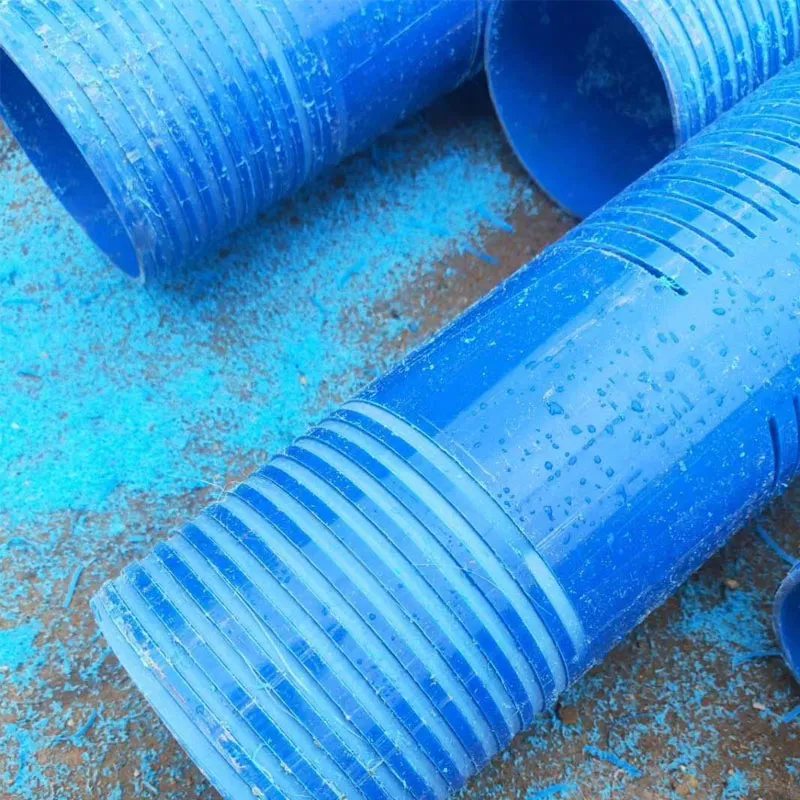
Polypropylene Random (PPR) pipe, specifically the 50mm diameter variant considered here, represents a significant advancement in fluid conveyance systems. Positioned within the building and construction materials supply chain, PPR pipes serve as a direct replacement for traditional metal piping, particularly in hot and cold water distribution, heating systems, and industrial applications requiring chemical resistance. Its core performance characteristics – high flow capacity due to smooth inner surfaces, corrosion resistance, thermal stability, and ease of installation through heat fusion welding – address critical pain points in conventional piping infrastructure. This guide provides an in-depth technical analysis of discount PPR pipe 50mm, encompassing material science, manufacturing processes, performance parameters, potential failure modes, and relevant industry standards. A key advantage driving adoption is cost-effectiveness, making it a viable alternative for large-scale projects.
Material Science & Manufacturing
PPR pipe is manufactured from polypropylene random copolymer, a thermoplastic polymer created through the polymerization of propylene monomer. The “random” designation signifies the irregular arrangement of comonomers within the polymer chain, enhancing flexibility and impact resistance compared to homopolymer polypropylene. Raw material selection is critical; typically, a homopolymer with a melt flow rate (MFR) between 0.3-0.8 g/10min is blended with a random copolymer possessing similar characteristics to optimize processability and final product properties. The manufacturing process begins with the extrusion of the PPR compound. This involves melting the pellets in a single-screw or twin-screw extruder, followed by shaping the molten polymer through a die. For 50mm pipe, a circular die is employed. Key parameters during extrusion include melt temperature (190-230°C), screw speed (30-60 rpm), and die pressure (20-30 MPa). Precise temperature control is paramount to avoid polymer degradation and ensure dimensional accuracy. Post-extrusion, the pipe is cooled via water bath, calibrated to maintain diameter and wall thickness, and then cut to desired lengths. Socket fusion fittings are often co-extruded or manufactured separately using a similar process. The crystallinity of the polypropylene directly impacts its mechanical properties; higher crystallinity contributes to increased strength and stiffness but reduced impact resistance. Stabilizers, such as hindered amine light stabilizers (HALS) and antioxidants, are added to the formulation to mitigate UV degradation and thermal oxidation, extending the pipe’s service life.
Performance & Engineering
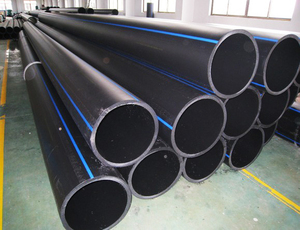
The performance of PPR pipe is dictated by its mechanical and thermal properties. Hydrostatic pressure testing is a critical quality control measure, verifying the pipe's ability to withstand internal fluid pressure without failure. Typically, PPR 50mm pipes are tested to withstand pressures exceeding 1.6 MPa (232 psi) for extended periods. Force analysis considers both longitudinal tensile stress due to internal pressure and hoop stress, which is the circumferential stress acting on the pipe wall. These stresses are calculated using established formulas from fluid mechanics and materials science. Environmental resistance is a key consideration; PPR exhibits excellent resistance to many chemicals, including acids, alkalis, and salts, making it suitable for diverse applications. However, it is susceptible to degradation by strong oxidizing agents and chlorinated solvents. Thermal expansion is another crucial engineering factor. PPR has a relatively high coefficient of thermal expansion (approximately 0.15 mm/m°C). This necessitates the incorporation of expansion loops or flexible connectors in long pipe runs to accommodate temperature fluctuations and prevent stress cracking. Compliance requirements vary by region, but typically involve adherence to standards such as DIN 8077/8078 (Europe) or ASTM D3261 (North America). These standards specify material composition, dimensional tolerances, and performance criteria. The long-term hydrostatic strength (LTHS) is a critical performance parameter, defining the sustained pressure a pipe can withstand over a 50-year service life at a specified temperature.
Technical Specifications
| Parameter | Unit | Specification (PPR 50mm) | Testing Standard |
|---|---|---|---|
| Nominal Diameter | mm | 50 | ISO 15876 |
| Wall Thickness | mm | 3.2 – 4.2 | DIN 8077 |
| Hydrostatic Pressure (Short Term) | MPa | ≥ 1.6 | ISO 11671 |
| Hydrostatic Pressure (Long Term) | MPa | ≥ 1.0 | ISO 11671 |
| Tensile Strength | MPa | ≥ 25 | ISO 527 |
| Elongation at Break | % | ≥ 200 | ISO 527 |
| Water Absorption | % | ≤ 0.5 | ISO 62 |
Failure Mode & Maintenance
PPR pipe, while durable, is susceptible to certain failure modes. Fatigue cracking can occur under cyclic pressure fluctuations, particularly at joints or areas of stress concentration. Delamination, the separation of layers within the pipe wall, can result from improper heat fusion welding or material defects. Thermal degradation, accelerated by high temperatures and prolonged exposure to UV radiation, leads to embrittlement and reduced mechanical strength. Oxidation, primarily due to exposure to air and heat, can cause surface degradation and reduce the pipe's lifespan. Creep, the slow deformation of the pipe under sustained pressure, is more prominent at elevated temperatures. Preventive maintenance includes regular visual inspections for cracks, leaks, or signs of deformation. Joints should be inspected for proper fusion and integrity. Avoid exposing PPR pipe to direct sunlight for extended periods; consider using UV-resistant coatings or protective shielding. Proper support and anchoring are critical to prevent excessive stress and strain. In the event of a leak, the damaged section should be cut out and replaced with a new section using appropriate heat fusion welding techniques. Avoid using abrasive cleaning agents or solvents, as they can damage the pipe surface. Regular pressure testing can identify potential weaknesses before catastrophic failure occurs. Proper water quality is also important, as corrosive water can accelerate degradation.
Industry FAQ
Q: What is the primary difference between PPR and PVC pipe in terms of long-term durability?
A: While PVC offers initial cost advantages, PPR generally exhibits superior long-term durability due to its inherent resistance to chemical degradation and higher temperature tolerance. PVC can become brittle over time, particularly with exposure to UV radiation and certain chemicals. PPR retains its flexibility and structural integrity for a longer service life, making it a more sustainable solution in the long run. Furthermore, the heat fusion welding technique used for PPR creates a homogenous joint stronger than solvent-welded PVC joints.
Q: How does the wall thickness of PPR pipe affect its pressure rating?
A: The wall thickness is directly proportional to the pipe’s pressure rating. A thicker wall provides greater resistance to hoop stress, enabling the pipe to withstand higher internal pressures. Standard wall thicknesses for 50mm PPR pipe range from 3.2mm to 4.2mm, each corresponding to a different pressure rating. Selecting the appropriate wall thickness is crucial based on the anticipated operating pressure and application requirements.
Q: What are the potential consequences of improper heat fusion welding of PPR pipe?
A: Improper heat fusion welding can lead to several issues, including insufficient fusion, excessive fusion (resulting in a weakened joint), or the formation of burrs. Insufficient fusion creates a weak joint prone to leakage, while excessive fusion can compromise the material's properties. Proper welding requires precise temperature control, appropriate heating times, and consistent pressure application. Regular operator training and adherence to established welding procedures are essential.
Q: Can PPR pipe be used for outdoor applications, and if so, what precautions should be taken?
A: While PPR is suitable for outdoor use, it is susceptible to UV degradation. Therefore, it must be protected from direct sunlight through the use of UV-resistant coatings, protective conduits, or burial. Additionally, consider the temperature fluctuations and potential for freezing, which can cause expansion and contraction stresses. Proper insulation and expansion loops are crucial for outdoor installations.
Q: What is the typical service life expectancy for a properly installed PPR 50mm pipe system?
A: A properly installed PPR 50mm pipe system, under normal operating conditions and with appropriate maintenance, can have a service life expectancy of 50 years or more. This is based on accelerated aging tests and long-term field performance data. However, factors such as water quality, temperature extremes, and exposure to corrosive chemicals can influence the actual service life.
Conclusion
Discount PPR pipe 50mm offers a compelling solution for a wide range of fluid conveyance applications, providing a balance of performance, cost-effectiveness, and ease of installation. Its inherent corrosion resistance, thermal stability, and compatibility with various fluids make it a superior alternative to traditional metal piping systems. However, successful implementation requires a thorough understanding of material properties, manufacturing processes, and potential failure modes.
Long-term performance hinges on proper installation techniques, adherence to industry standards, and proactive maintenance procedures. Careful consideration of environmental factors, such as UV exposure and temperature fluctuations, is crucial for maximizing the lifespan and reliability of the system. Ultimately, the selection of PPR pipe represents a strategic investment in a durable and sustainable infrastructure solution.
-
DN25 HDPE Compression Fitting-HORON INTERNATIONAL|Reliable Irrigation Solutions
NewsFeb.11,2026
-
hdpe coupling joint product Manufacturing Analysis
News2026-11-18
-
ppr pipe heating time products Performance Analysis
News2026-11-16
-
hdpe pipe sizes factory Performance Analysis
News2026-11-09
-
HDPE Pipe Sizes Service Performance Analysis
News2026-10-26
-
wholesale 15mm ppr pipe Material Science and Performance Analysis
News2026-10-20
-
wholesale pvc pipe price per foot Technical Analysis
News2026-09-21
-
wholesale long pvc pipe Technical Analysis and Manufacturing Specifications
News2026-09-15
-
wholesale plumbing kitchen sink water lines Material Performance
News2026-09-15
-
wholesale hdpe drip irrigation Material Science
News2026-09-15
-
wholesale hot water ppr pipe Performance Analysis
News2026-09-15
-
wholesale ppr plumbing Performance Analysis
News2026-09-15
-
wholesale ppr pipe supplier Performance Analysis
News2026-09-13
-
wholesale 50mm ppr pipe Performance Analysis
News2026-09-13
-
wholesale hdpe drip pipe Performance Analysis
News2026-09-13
-
wholesale hdpe pipe 63mm price Manufacturing Specification and Performance Analysis
News2026-09-13