

Feb . 11, 2026 00:01 Back to list
discount ppr pipe 50mm price Performance Analysis
Introduction
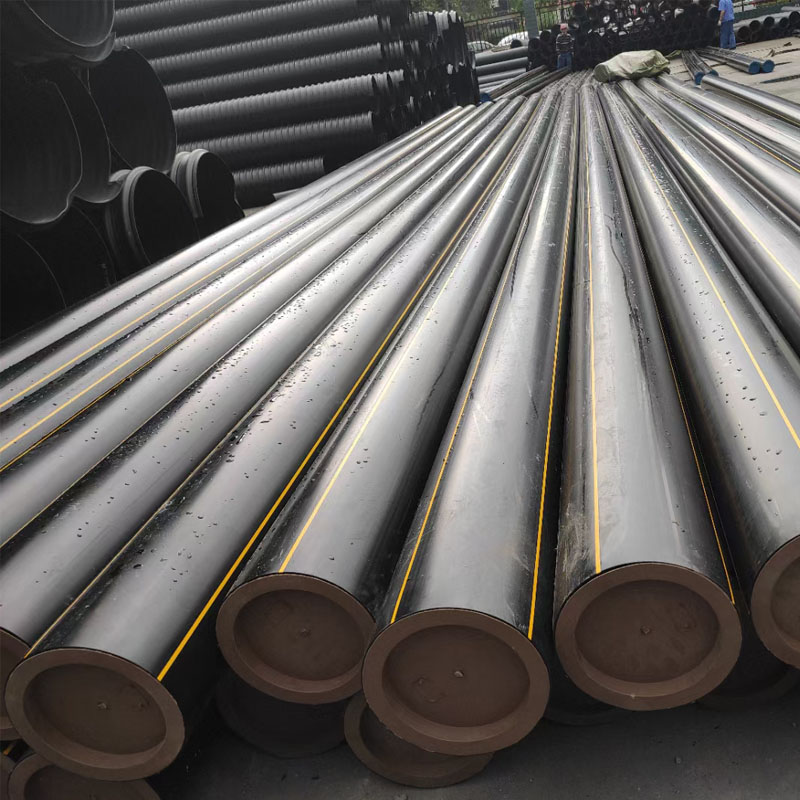
Polypropylene-Random (PPR) pipe, specifically the 50mm variant, represents a significant advancement in fluid conveyance systems. Its adoption is driven by a combination of cost-effectiveness, inherent material properties, and ease of installation. This technical guide provides a comprehensive overview of 50mm PPR pipe, commonly offered at discounted rates, encompassing its material science, manufacturing processes, performance characteristics, potential failure modes, and relevant industry standards. Its position within the plumbing and industrial fluid transfer chain is as a robust alternative to traditional materials like galvanized steel, copper, and PVC, offering benefits in corrosion resistance and thermal insulation. Core performance metrics revolve around pressure rating (PN), temperature resistance, and long-term hydrostatic strength, directly impacting its suitability for potable water, heating, and industrial applications. This guide aims to provide engineers, procurement managers, and installers with the detailed technical knowledge necessary for informed selection and reliable system implementation.
Material Science & Manufacturing
PPR pipe is produced from polypropylene resin, specifically a random copolymer of propylene. This copolymerization introduces ethylidene groups into the polymer chain, disrupting crystallinity and resulting in enhanced impact strength and flexibility compared to homopolymer polypropylene. The raw material typically exhibits a density between 0.905-0.92 g/cm³. Key physical properties include a Vicat softening temperature around 135-150°C, and a relatively low coefficient of thermal expansion (approximately 1.5 x 10⁻⁴ /°C). Manufacturing begins with the extrusion of the PPR compound. Granules are fed into a plastic extruder, where they are melted and forced through a circular die to form the pipe. Precise control of extrusion temperature (typically 190-240°C) and die geometry is crucial for maintaining dimensional accuracy and avoiding defects. The pipes are then cooled, calibrated, and cut to length. Socket fusion welding, butt fusion welding, and electrofusion welding are the primary joining methods. Socket fusion relies on heating both the pipe and fitting to create a homogenous weld. Butt fusion is employed for larger diameters, utilizing a heated tool to melt and fuse the pipe ends together. Electrofusion uses an electrical current to generate heat at the interface. Parameter control during welding – including temperature, pressure, and dwell time – is paramount for achieving a structurally sound and leak-proof joint. The grade of polypropylene used will affect the pipe's long-term hydrostatic strength and temperature resistance, with Type 3 PPR being commonly used for hot and cold water applications.
Performance & Engineering
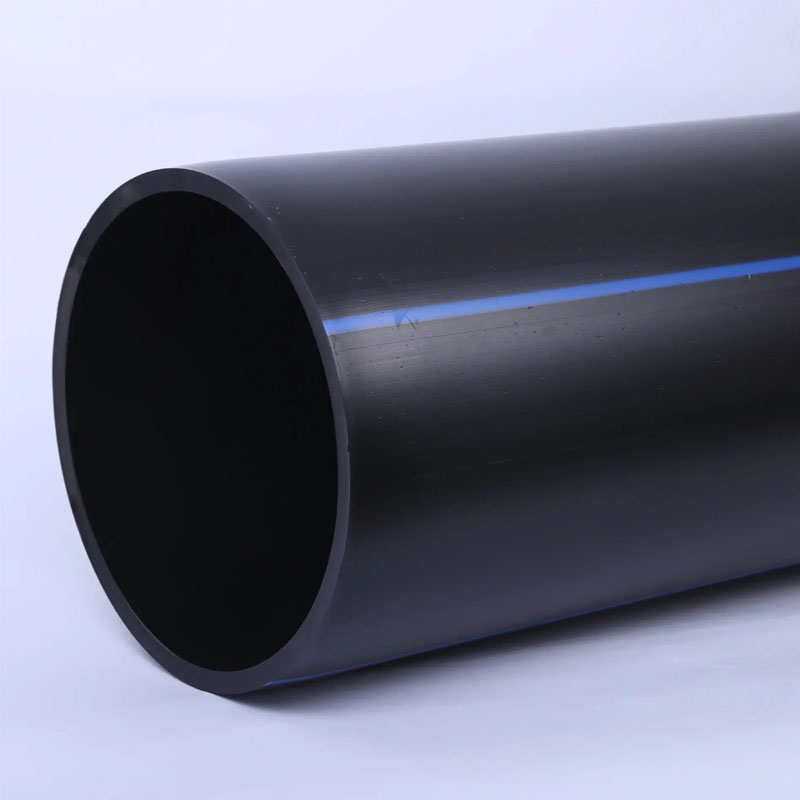
The performance of 50mm PPR pipe is dictated by its ability to withstand internal pressure, external loads, and environmental stresses. Force analysis considers hoop stress due to internal pressure, longitudinal stress due to end loads, and bending stress from soil loading or support configurations. The long-term hydrostatic strength (LTHS) is a critical parameter, representing the pipe's ability to maintain its integrity under constant pressure over an extended period (typically 50 years). This is often determined through accelerated aging tests according to ISO 11671. PPR exhibits excellent resistance to many chemicals commonly encountered in water distribution systems, including chlorine, acids, and alkalis. However, it is susceptible to degradation by strong oxidizing agents and certain organic solvents. Temperature resistance is another key consideration. PPR pipe is typically rated for temperatures up to 95°C, making it suitable for hot water systems. Engineering designs must account for thermal expansion and contraction of the pipe, especially in long runs. Expansion loops or flexible connectors are often incorporated to mitigate stress on joints. Compliance requirements vary by region, but generally adhere to standards relating to potable water safety (e.g., NSF/ANSI 61), pressure vessel safety, and fire resistance. The pipe's smooth internal surface minimizes friction losses, resulting in reduced pumping energy requirements. Correct installation practices, including proper support spacing and avoidance of sharp bends, are essential for optimizing performance and preventing premature failure.
Technical Specifications
| Parameter | Unit | Typical Value (50mm PPR) | Test Standard |
|---|---|---|---|
| Outer Diameter | mm | 50 ± 0.5 | ISO 15876 |
| Wall Thickness | mm | 4.2 - 4.6 | ISO 15876 |
| Pressure Rating (PN) | bar | 20 | ISO 11671 |
| Burst Pressure | bar | >60 | ISO 11671 |
| Long-Term Hydrostatic Strength (LTHS) | bar | 16 | ISO 11671 |
| Vicat Softening Temperature | °C | 135-150 | ISO 306 |
| Coefficient of Linear Thermal Expansion | 1/°C | 1.5 x 10⁻⁴ | ASTM E831 |
Failure Mode & Maintenance
Several failure modes can affect the longevity of 50mm PPR pipe systems. Fatigue cracking can occur due to repeated pressure fluctuations or mechanical stress, particularly at joints. Delamination, where layers of the pipe separate, can result from improper welding or material defects. Oxidation, caused by prolonged exposure to high temperatures and oxygen, leads to embrittlement and reduced strength. Creep, a time-dependent deformation under constant stress, can occur in elevated temperature applications. UV degradation, from sunlight exposure, can cause surface chalking and reduced mechanical properties. Incorrect installation is a primary contributor to failures – insufficient welding time, inadequate pipe support, and excessive bending stress can all compromise the system. Maintenance involves periodic visual inspections for leaks, cracks, and signs of corrosion. Hydrostatic testing can be conducted to verify the integrity of the system. If a leak is detected, the affected section of pipe should be cut out and replaced with a new, properly welded section. Regular flushing of the system helps prevent the buildup of sediment and scale, which can contribute to corrosion and blockage. Avoid using abrasive cleaning agents or tools that could damage the pipe surface. For systems exposed to UV radiation, consider using UV-resistant coatings or shielding the pipe from direct sunlight.
Industry FAQ
Q: What is the maximum operating temperature for 50mm PPR pipe used in a hot water system?
A: Typically, 50mm PPR pipe (Type 3) can safely operate at temperatures up to 95°C and pressures up to 20 bar. However, it's crucial to consult the manufacturer's specifications and local plumbing codes, as these may impose stricter limitations based on specific application requirements and water quality.
Q: How does PPR pipe compare to CPVC in terms of chemical resistance?
A: CPVC (Chlorinated Polyvinyl Chloride) generally exhibits superior chemical resistance to a wider range of aggressive chemicals, particularly strong oxidizing agents and chlorinated solvents, compared to PPR. PPR is suitable for most common water treatment chemicals and domestic water supplies, but CPVC is preferred in industrial applications where exposure to harsh chemicals is likely.
Q: What is the recommended spacing for pipe supports in a horizontal run of 50mm PPR pipe?
A: The recommended support spacing depends on the pipe's diameter and the temperature of the fluid being conveyed. For 50mm PPR pipe carrying cold water, supports should be spaced approximately 2-3 meters apart. For hot water applications, the spacing should be reduced to 1.5-2 meters to account for thermal expansion and contraction.
Q: Can PPR pipe be used for buried applications, and what precautions should be taken?
A: PPR pipe can be used for buried applications, provided it is adequately protected from soil corrosion and external loads. The pipe should be bedded in a suitable granular material, and a protective sleeve should be installed to prevent damage from rocks or sharp objects. The depth of burial should comply with local regulations.
Q: What are the critical parameters to monitor during socket fusion welding of PPR pipe?
A: The critical parameters include the welding temperature, heating time, insertion depth, and cooling time. The welding temperature should be consistent with the manufacturer's recommendations for the specific PPR material being used. Insufficient heating can result in a weak weld, while excessive heating can cause degradation of the pipe and fitting. Proper insertion depth ensures adequate fusion, and sufficient cooling time is necessary for the weld to solidify.
Conclusion
50mm PPR pipe offers a compelling combination of performance, cost-effectiveness, and ease of installation, making it a viable alternative to traditional piping materials in a wide range of applications. Its inherent corrosion resistance, thermal insulation properties, and relatively low coefficient of thermal expansion contribute to long-term system reliability. However, careful consideration must be given to material selection, welding procedures, and installation practices to mitigate potential failure modes such as fatigue cracking, oxidation, and UV degradation.
Ultimately, the successful implementation of a 50mm PPR pipe system relies on a thorough understanding of its material properties, engineering principles, and adherence to relevant industry standards. Continued monitoring and preventative maintenance are crucial for ensuring long-term performance and minimizing the risk of costly repairs or replacements. Choosing discounted ppr pipe doesn’t have to mean compromising on quality when these technical parameters are carefully considered.
-
DN25 HDPE Compression Fitting-HORON INTERNATIONAL|Reliable Irrigation Solutions
NewsFeb.11,2026
-
hdpe coupling joint product Manufacturing Analysis
News2026-11-18
-
ppr pipe heating time products Performance Analysis
News2026-11-16
-
hdpe pipe sizes factory Performance Analysis
News2026-11-09
-
HDPE Pipe Sizes Service Performance Analysis
News2026-10-26
-
wholesale 15mm ppr pipe Material Science and Performance Analysis
News2026-10-20
-
wholesale pvc pipe price per foot Technical Analysis
News2026-09-21
-
wholesale long pvc pipe Technical Analysis and Manufacturing Specifications
News2026-09-15
-
wholesale plumbing kitchen sink water lines Material Performance
News2026-09-15
-
wholesale hdpe drip irrigation Material Science
News2026-09-15
-
wholesale hot water ppr pipe Performance Analysis
News2026-09-15
-
wholesale ppr plumbing Performance Analysis
News2026-09-15
-
wholesale ppr pipe supplier Performance Analysis
News2026-09-13
-
wholesale 50mm ppr pipe Performance Analysis
News2026-09-13
-
wholesale hdpe drip pipe Performance Analysis
News2026-09-13
-
wholesale hdpe pipe 63mm price Manufacturing Specification and Performance Analysis
News2026-09-13