

Feb . 11, 2026 00:01 Back to list
discount ppr pipe 40mm price Performance Analysis

Introduction
Polypropylene Random (PPR) pipe, specifically the 40mm variant commonly available at discounted pricing, represents a significant advancement in fluid conveyance systems. Its position within the plumbing and infrastructure supply chain is as a direct replacement for traditional materials like galvanized steel, copper, and PVC in non-pressure and low-pressure applications, particularly for hot and cold potable water distribution, heating systems, and industrial fluid transport. PPR’s core performance characteristics stem from the inherent properties of polypropylene random copolymer – high chemical resistance, thermal stability, and a smooth internal surface minimizing friction loss. This guide provides an in-depth technical analysis of discounted 40mm PPR pipe, covering its material science, manufacturing processes, performance engineering, potential failure modes, and relevant industry standards, catering to the rigorous demands of B2B procurement and engineering applications.
Material Science & Manufacturing
The base material for 40mm PPR pipe is polypropylene random copolymer. Polypropylene (PP) is a thermoplastic polymer produced from the monomer propylene. The ‘random’ designation signifies the random distribution of comonomers (typically ethylene) within the polymer chain. This random distribution disrupts the crystallinity of the PP, resulting in increased flexibility, impact resistance, and improved weldability – crucial characteristics for piping systems. Raw material properties include a density of approximately 0.905 g/cm³, a Vicat softening point typically between 130-140°C, and a tensile strength ranging from 20-30 MPa.
Manufacturing typically involves extrusion. Polypropylene granules are fed into an extruder, where they are heated and melted. The molten polymer is then forced through a die to form a continuous pipe. Key parameters controlling pipe quality are melt temperature (190-230°C), extrusion speed (regulated to maintain wall thickness uniformity), cooling rate (achieved via a water bath – temperature maintained between 15-25°C to prevent warping), and die design (critical for dimensional accuracy and concentricity). The pipes are then cut to length, marked, and subjected to quality control checks including hydrostatic pressure testing (typically 2.5 times the working pressure for a specified duration) and dimensional verification. Socket fusion welding, the predominant joining method, relies on precise temperature control (260-270°C) and pressure application to create a homogenous weld, ensuring the weld strength is comparable to the base material. Variations in cooling rates and die conditions can lead to residual stresses, impacting long-term performance.
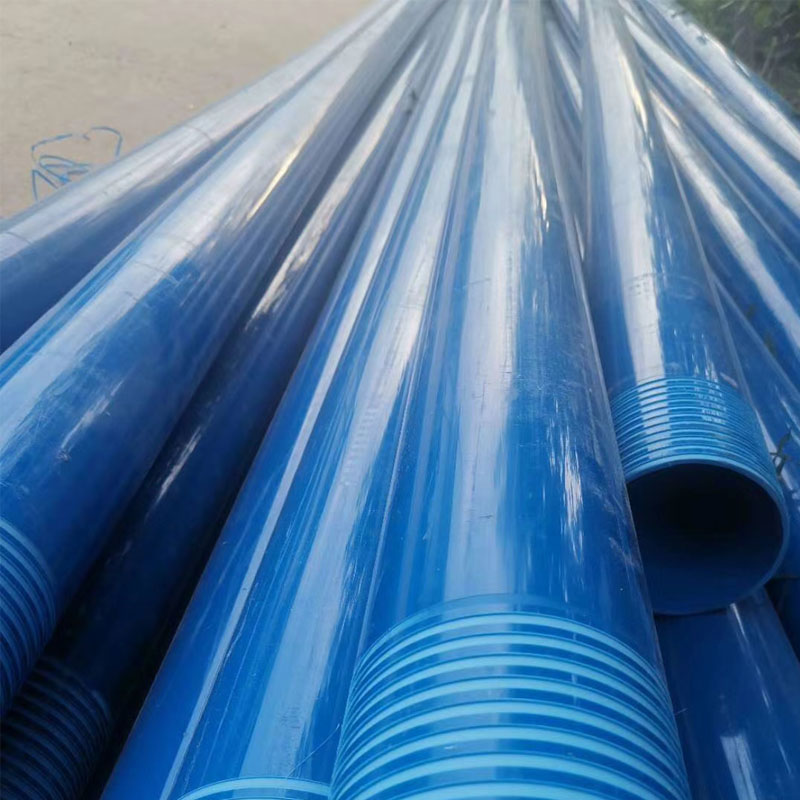
Performance & Engineering
The performance of 40mm PPR pipe is largely dictated by its ability to withstand internal hydrostatic pressure, external loads, and thermal stresses. Force analysis reveals that hoop stress (tangential stress acting circumferentially on the pipe wall) is the primary stress component under internal pressure, calculated using the Barlow's formula: σ = (P D) / (2 t), where σ is the hoop stress, P is the internal pressure, D is the outer diameter, and t is the wall thickness. Sustained exposure to elevated temperatures can lead to creep deformation, requiring careful consideration in hot water applications. The long-term hydrostatic strength (LTHS) is a critical parameter, often determined through accelerated aging tests. PPR exhibits excellent chemical resistance to a wide range of substances, including acids, alkalis, and salts, making it suitable for diverse industrial fluids. However, prolonged exposure to strong oxidizing agents should be avoided. Compliance requirements vary by region but generally include adherence to pressure ratings (PN10, PN16, PN20) as defined by international standards and certifications ensuring the material is safe for potable water contact (e.g., NSF/ANSI 61).
Technical Specifications
| Parameter | Units | PN10 (Typical) | PN16 (Typical) |
|---|---|---|---|
| Outer Diameter | mm | 42.4 | 42.4 |
| Inner Diameter | mm | 32.0 | 30.0 |
| Wall Thickness | mm | 5.2 | 6.2 |
| Burst Pressure | MPa | 1.0 | 1.6 |
| Working Pressure (20°C) | MPa | 0.6 | 1.0 |
| Working Pressure (60°C) | MPa | 0.4 | 0.6 |
| Vicat Softening Point | °C | 135-140 | 135-140 |
Failure Mode & Maintenance
Common failure modes in 40mm PPR pipe include slow crack growth (SCG) due to sustained tensile stress combined with aggressive environmental factors, particularly chlorine-containing water; thermal fatigue resulting from repeated thermal cycling leading to localized cracking at joints; and mechanical damage from external impact. SCG typically initiates at stress concentrators, such as weld imperfections or scratches. Oxidation degradation occurs over extended periods at elevated temperatures, reducing the material’s impact resistance and ductility. Failure analysis often reveals that improper installation – insufficient welding temperature, inadequate support, or excessive bending radius – significantly contributes to premature failure. Maintenance primarily involves periodic visual inspections for cracks, leaks, and discoloration. Hydrostatic testing can be employed to assess the overall integrity of the system. Preventive measures include employing corrosion inhibitors in the fluid, providing adequate mechanical support to prevent strain, and ensuring proper welding procedures are followed. Replacement of damaged sections is the primary repair method, utilizing socket fusion welding to maintain system integrity. Avoid using abrasive cleaning agents, as these can create surface scratches that initiate SCG.
Industry FAQ
Q: What is the impact of water hardness on the long-term performance of PPR pipe?
A: High water hardness, specifically the presence of calcium and magnesium carbonates, can lead to scale buildup on the internal surface of PPR pipe. While PPR itself is resistant to scale adhesion, significant buildup reduces the effective inner diameter, increasing flow resistance and potentially leading to reduced flow rates. In severe cases, the increased weight of scale can contribute to sagging and stress on joints. Water softening or periodic flushing may be necessary to mitigate this issue.
Q: How does the discount pricing affect the quality control procedures during manufacturing?
A: Discount pricing often necessitates cost optimization in manufacturing. Reputable manufacturers mitigate this by optimizing production processes and sourcing raw materials strategically, rather than compromising on fundamental quality control procedures. However, it’s crucial to verify that the supplier maintains certifications (e.g., ISO 9001) and conducts rigorous hydrostatic testing, dimensional checks, and material verification to ensure adherence to relevant standards. A documented quality management system is a key indicator.
Q: What are the limitations of PPR pipe regarding the transport of abrasive fluids?
A: PPR pipe is not ideally suited for transporting fluids containing abrasive particles (e.g., sand, slurry). While the smooth internal surface minimizes initial abrasion, prolonged exposure will cause wear and erosion, reducing wall thickness and potentially leading to failure. For abrasive fluid applications, alternative materials like high-density polyethylene (HDPE) or lined steel pipe are more appropriate.
Q: Can PPR pipe be used for compressed air systems?
A: Generally, PPR pipe is not recommended for compressed air systems. While it can withstand moderate pressures, the inherent flexibility of PPR and its susceptibility to permeation can lead to air leakage. Moreover, the material's temperature sensitivity may pose issues with the heat generated by air compression. Materials like aluminum or copper are preferred for compressed air applications.
Q: What is the expected service life of a properly installed 40mm PPR pipe system?
A: With proper installation, appropriate operating conditions (temperature and pressure within specified limits), and minimal exposure to aggressive chemicals or abrasive fluids, a 40mm PPR pipe system can have a service life exceeding 50 years. Regular inspections and proactive maintenance are essential to maximizing its lifespan and ensuring reliable performance.
Conclusion
The discounted 40mm PPR pipe represents a cost-effective and technically viable solution for a range of fluid conveyance applications, primarily potable water and low-pressure industrial systems. Its inherent material properties – chemical resistance, thermal stability, and weldability – coupled with established manufacturing processes, contribute to a reliable and long-lasting piping system. However, careful consideration must be given to potential failure modes, such as SCG and thermal fatigue, through appropriate installation practices, operational controls, and preventative maintenance.
Successful implementation relies on a thorough understanding of the material’s limitations, adherence to relevant industry standards, and a robust quality assurance program from the supplier. Future advancements may focus on developing PPR formulations with enhanced resistance to SCG and increased temperature capabilities, further expanding its applicability in demanding industrial environments. Ultimately, informed procurement decisions and diligent system management are critical for realizing the full potential of this versatile piping material.
-
DN25 HDPE Compression Fitting-HORON INTERNATIONAL|Reliable Irrigation Solutions
NewsFeb.11,2026
-
hdpe coupling joint product Manufacturing Analysis
News2026-11-18
-
ppr pipe heating time products Performance Analysis
News2026-11-16
-
hdpe pipe sizes factory Performance Analysis
News2026-11-09
-
HDPE Pipe Sizes Service Performance Analysis
News2026-10-26
-
wholesale 15mm ppr pipe Material Science and Performance Analysis
News2026-10-20
-
wholesale pvc pipe price per foot Technical Analysis
News2026-09-21
-
wholesale long pvc pipe Technical Analysis and Manufacturing Specifications
News2026-09-15
-
wholesale plumbing kitchen sink water lines Material Performance
News2026-09-15
-
wholesale hdpe drip irrigation Material Science
News2026-09-15
-
wholesale hot water ppr pipe Performance Analysis
News2026-09-15
-
wholesale ppr plumbing Performance Analysis
News2026-09-15
-
wholesale ppr pipe supplier Performance Analysis
News2026-09-13
-
wholesale 50mm ppr pipe Performance Analysis
News2026-09-13
-
wholesale hdpe drip pipe Performance Analysis
News2026-09-13
-
wholesale hdpe pipe 63mm price Manufacturing Specification and Performance Analysis
News2026-09-13