

Feb . 11, 2026 00:01 Back to list
discount ppr pipe 32mm Performance Analysis

Introduction
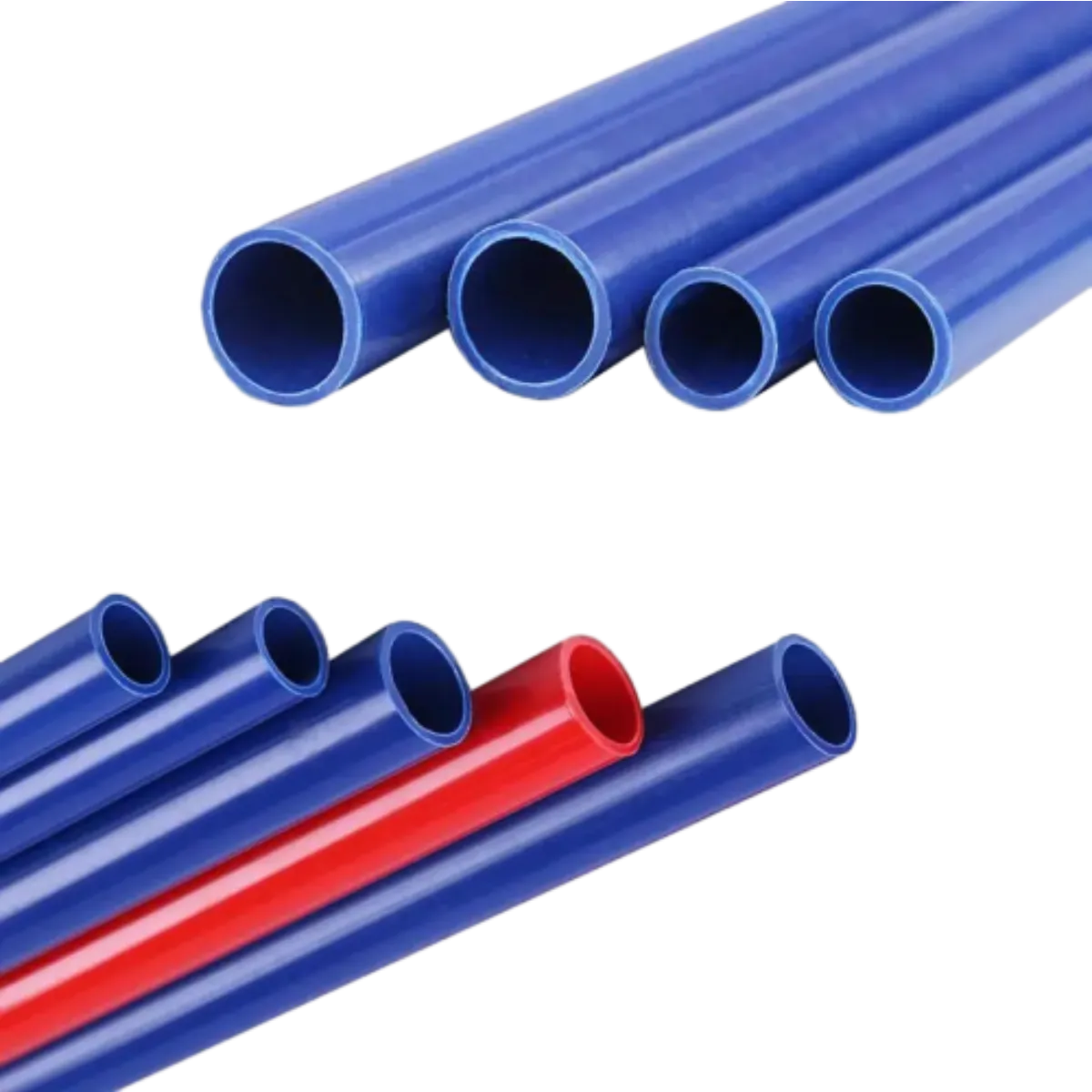
Polypropylene Random (PPR) pipe, specifically the 32mm variant often marketed as “discount PPR pipe 32mm,” represents a significant advancement in fluid transport systems. PPR piping is a thermoplastic material renowned for its hygienic qualities, corrosion resistance, and ease of installation. Within the broader piping industry, which includes materials like PVC, CPVC, PEX, and metal options, PPR occupies a niche particularly well-suited for potable water systems, heating applications, and industrial fluid handling where temperature and chemical resistance are paramount. The 32mm diameter is a common size, balancing flow capacity with cost-effectiveness, typically utilized in residential and light commercial plumbing and heating infrastructure. Core performance characteristics center around pressure bearing capability, temperature resilience (typically up to 95°C for continuous operation), and a smooth internal surface minimizing friction loss. This guide provides a detailed exploration of its material science, manufacturing processes, performance parameters, failure modes, and relevant industry standards, aimed at engineers, procurement managers, and technical professionals.
Material Science & Manufacturing
PPR pipe derives its properties from polypropylene random copolymer, a polymer created by polymerizing propylene monomers with ethylene comonomers. This random copolymerization disrupts the crystallinity of the polypropylene, leading to improved impact strength, flexibility, and weldability. Raw material characteristics include density (typically 0.905 – 0.92 g/cm³), melt flow rate (MFR, influencing processability), and molecular weight distribution. The manufacturing process begins with the production of PPR compound, followed by extrusion. Extrusion involves melting the PPR granules and forcing them through a die to create the pipe's shape. Critical parameters during extrusion include temperature control (die temperature, melt temperature, cooling water temperature), screw speed, and haul-off speed, all impacting pipe diameter, wall thickness, and surface finish. Jointing methods are crucial. Hot gas welding is a dominant technique, utilizing a specialized tool to heat both the pipe and fitting surfaces, then fusing them under pressure. Electrofusion welding, involving an electrically heated fitting, provides a more controlled and reliable weld, though at a higher cost. Quality control during manufacturing focuses on hydrostatic pressure testing (to verify burst pressure), dimensional accuracy, and visual inspection for surface defects.
Performance & Engineering
The engineering performance of PPR pipe 32mm is governed by several key factors. Hydrostatic pressure testing, conforming to standards like DIN 19569, assesses the pipe's ability to withstand internal pressure without failure. The long-term hydrostatic strength (LTHS) is a critical parameter, indicating the pressure the pipe can sustain for 50 years at a specific temperature. Thermal expansion is a significant consideration, with PPR exhibiting a coefficient of thermal expansion approximately ten times greater than steel. This necessitates the inclusion of expansion loops or flexible connectors in long pipe runs to prevent stress cracking. Chemical resistance is generally excellent for most common fluids, but prolonged exposure to strong oxidizing agents should be avoided. Force analysis reveals that PPR is susceptible to creep, especially under sustained stress at elevated temperatures. Therefore, proper support and anchoring are crucial. Furthermore, the material’s relatively low elastic modulus compared to metals means that bending radii must adhere to manufacturer’s specifications to avoid kinking or deformation. Compliance with building codes and plumbing regulations (e.g., UPC, IPC) is essential, particularly concerning water quality and sanitation.
Technical Specifications
| Parameter | Value (Typical - 32mm PPR) | Test Standard | Tolerance |
|---|---|---|---|
| Outer Diameter | 32.4 mm | ISO 15876 | ±0.2 mm |
| Wall Thickness | 2.4 mm | ISO 15876 | ±0.15 mm |
| Hydrostatic Pressure (LTHS @ 70°C) | 1.25 MPa | DIN 19569 | N/A |
| Burst Pressure | 5.0 MPa | ISO 11671 | N/A |
| Temperature Resistance (Continuous) | 95°C | DIN 19569 | N/A |
| Coefficient of Linear Thermal Expansion | 0.15 mm/m°C | ASTM E228 | N/A |
Failure Mode & Maintenance
PPR pipe, while durable, is susceptible to several failure modes. Slow Crack Growth (SCG) is a common issue, particularly in systems exposed to elevated temperatures and sustained stress. This occurs due to the ingress of water and environmental contaminants, leading to progressive crack propagation. Oxidation, especially at high temperatures, can cause embrittlement and reduced impact strength. Improper welding is a major contributor to failures, resulting in weak joints prone to leakage. Delamination can occur if the welding temperature is insufficient or if the surfaces are not adequately cleaned before welding. Mechanical damage, such as impact from external forces, can cause cracking or puncture. Maintenance involves regular visual inspections for leaks, cracks, or deformations. Welded joints should be periodically checked for integrity. Proper water quality management, including filtration to remove particulate matter, is crucial to prevent SCG. For systems experiencing thermal cycling, ensuring adequate expansion compensation is vital. If a leak is detected, the damaged section should be cut out and replaced using appropriate welding techniques. Avoid using abrasive cleaning agents that can damage the pipe surface.
Industry FAQ
Q: What is the long-term performance difference between PPR and traditional copper piping?
A: While copper offers higher temperature resistance and a longer proven track record, modern PPR systems, when properly installed and maintained, demonstrate comparable longevity for typical potable water and heating applications. PPR’s advantage lies in its significantly lower thermal conductivity, reducing heat loss in heating systems, and its resistance to corrosion. However, copper is generally more resistant to mechanical damage and exhibits higher stiffness.
Q: How does the quality of the welding process impact the reliability of PPR pipe joints?
A: The welding process is arguably the most critical aspect of PPR installation. Inadequate temperature control, insufficient pressure during fusion, or contamination of the welding surfaces can lead to weak joints prone to premature failure. Certified welders utilizing calibrated equipment are essential. Electrofusion welding generally provides more consistent and reliable results than hot gas welding.
Q: What considerations should be made when designing a PPR piping system for a high-rise building?
A: In high-rise buildings, hydrostatic pressure increases significantly with height. PPR pipe selection must account for this increased pressure. Proper anchoring and support are crucial to prevent stress on the piping. Thermal expansion considerations are paramount; expansion loops or compensators must be strategically placed to accommodate thermal movement and prevent stress cracking.
Q: Can PPR pipe be used for transporting compressed air?
A: Generally, PPR pipe is not recommended for compressed air applications. While it can withstand the pressure, the polymer is permeable to air over time, leading to leaks. Furthermore, the flexibility of PPR can lead to vibrations and potential joint failures under the dynamic loading of compressed air.
Q: What is the impact of water hardness on the lifespan of PPR piping?
A: Highly hard water can lead to scale buildup inside the PPR pipe, reducing flow capacity and potentially creating nucleation sites for corrosion. While PPR itself is resistant to corrosion, the scale can create localized corrosion cells. Water softening systems are recommended for areas with high water hardness to mitigate this issue.
Conclusion
Discount PPR pipe 32mm represents a cost-effective and technically sound solution for a broad range of fluid transport applications, particularly within residential and commercial plumbing and heating systems. Its inherent material properties—corrosion resistance, thermal stability, and ease of installation—offer significant advantages over traditional piping materials. However, realizing these benefits necessitates adherence to stringent manufacturing quality control, proper installation techniques, and proactive maintenance strategies.
The long-term performance and reliability of PPR systems are contingent upon careful consideration of factors such as hydrostatic pressure, thermal expansion, and water quality. Understanding the potential failure modes – including slow crack growth and weld defects – and implementing preventative measures is critical. Continued adherence to relevant international standards and best practices will ensure the sustained efficacy and safety of PPR piping installations.
-
DN25 HDPE Compression Fitting-HORON INTERNATIONAL|Reliable Irrigation Solutions
NewsFeb.11,2026
-
hdpe coupling joint product Manufacturing Analysis
News2026-11-18
-
ppr pipe heating time products Performance Analysis
News2026-11-16
-
hdpe pipe sizes factory Performance Analysis
News2026-11-09
-
HDPE Pipe Sizes Service Performance Analysis
News2026-10-26
-
wholesale 15mm ppr pipe Material Science and Performance Analysis
News2026-10-20
-
wholesale pvc pipe price per foot Technical Analysis
News2026-09-21
-
wholesale long pvc pipe Technical Analysis and Manufacturing Specifications
News2026-09-15
-
wholesale plumbing kitchen sink water lines Material Performance
News2026-09-15
-
wholesale hdpe drip irrigation Material Science
News2026-09-15
-
wholesale hot water ppr pipe Performance Analysis
News2026-09-15
-
wholesale ppr plumbing Performance Analysis
News2026-09-15
-
wholesale ppr pipe supplier Performance Analysis
News2026-09-13
-
wholesale 50mm ppr pipe Performance Analysis
News2026-09-13
-
wholesale hdpe drip pipe Performance Analysis
News2026-09-13
-
wholesale hdpe pipe 63mm price Manufacturing Specification and Performance Analysis
News2026-09-13