

Feb . 11, 2026 00:01 Back to list
discount ppr pipe 25mm Performance Analysis
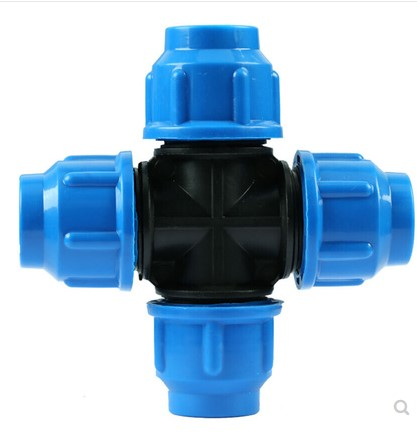
Introduction
Polypropylene Random (PPR) pipe, specifically the 25mm diameter variant considered here, represents a significant advancement in fluid conveyance systems. This thermoplastic pipe is widely employed in both hot and cold water distribution networks within residential, commercial, and industrial settings. Its position within the building materials supply chain is as a direct replacement for traditional metallic piping (copper, galvanized steel) and PVC, offering advantages in terms of cost-effectiveness, corrosion resistance, and ease of installation. The core performance characteristics of 25mm PPR pipe revolve around its pressure rating (typically PN16 or PN20, denoting 1.6 MPa or 2.0 MPa respectively), temperature resilience (withstanding up to 95°C), and resistance to chemical degradation from common waterborne substances. This guide will provide an in-depth exploration of the material science, manufacturing processes, engineering considerations, failure modes, and industry standards pertinent to this increasingly prevalent piping solution.
Material Science & Manufacturing
PPR pipe is fabricated from polypropylene random copolymer, a polymer distinguished by its random distribution of comonomers. The raw material is a homopolymer polypropylene that incorporates ethylene, enhancing its impact resistance and flexibility compared to homopolymer polypropylene. Key physical properties include a density of approximately 0.905 g/cm³, a glass transition temperature around -10°C, and a relatively low coefficient of friction, facilitating smooth fluid flow. The manufacturing process typically involves extrusion. Polypropylene granules are fed into an extruder, melted, and forced through a die to form a continuous pipe. Critical parameters during extrusion include maintaining a consistent melt temperature (between 200°C and 260°C), precise die pressure, and accurate sizing to ensure dimensional accuracy (25mm outer diameter, varying wall thickness depending on pressure rating). Cooling is achieved via water baths, followed by dimensional stabilization and cutting to specified lengths. Jointing is typically achieved through heat fusion welding (butt fusion, socket fusion, or electrofusion) where the pipe and fitting surfaces are heated to their melting point and then joined under pressure, creating a homogenous, leak-proof seal. The quality of the welding process is paramount and requires skilled technicians and adherence to specific temperature and pressure profiles. Variations in material composition, particularly the ethylene content, influence the pipe's long-term hydrostatic strength and susceptibility to creep.

Performance & Engineering
The performance of 25mm PPR pipe is fundamentally governed by its ability to withstand internal hydrostatic pressure and external loads. Force analysis involves calculating hoop stress (σh = PD/2t, where P is pressure, D is diameter, and t is wall thickness) to ensure the pipe’s structural integrity. Environmental resistance is crucial; PPR exhibits excellent resistance to most commonly encountered chemicals in potable water systems, but prolonged exposure to strong oxidizing agents or certain solvents should be avoided. Compliance requirements are extensive, governed by regional and international standards. These standards dictate minimum pressure ratings, burst pressure testing, long-term hydrostatic strength tests (to assess creep resistance), and resistance to slow crack growth. The implementation of 25mm PPR relies on correct sizing of the pipe network to maintain acceptable flow velocities (typically below 2 m/s to minimize noise and erosion). Expansion and contraction due to temperature fluctuations must be accommodated through expansion loops or flexible connections to prevent stress on joints. The coefficient of linear expansion for PPR is approximately 0.15 mm/m/°C. Proper anchoring and support are vital to prevent sagging and excessive stress, particularly in vertical runs. Furthermore, thermal insulation may be necessary in cold climates to prevent freezing and potential pipe rupture.
Technical Specifications
| Parameter | PN16 (S3.2) | PN20 (S4) | Units |
|---|---|---|---|
| Nominal Diameter | 25 | 25 | mm |
| Outer Diameter | 32.4 | 32.4 | mm |
| Wall Thickness | 3.2 | 4.0 | mm |
| Pressure Rating | 1.6 | 2.0 | MPa |
| Burst Pressure | 4.8 | 6.0 | MPa |
| Temperature Resistance (Max. Continuous) | 95 | 95 | °C |
| Density | 0.905 | 0.905 | g/cm³ |
Failure Mode & Maintenance
Failure modes in 25mm PPR pipe systems can be categorized into several primary areas. Fatigue cracking can occur at joints due to repeated pressure cycling, particularly if the welding process was inadequate or the pipe is subjected to mechanical stress. Slow crack growth (SCG) is a long-term degradation process initiated by residual stress and exacerbated by the presence of certain contaminants. Delamination can occur in the pipe wall if the material is flawed or subjected to excessive temperature fluctuations. Oxidation can lead to embrittlement over prolonged exposure to high temperatures and oxygen-rich environments. Corrosion, while not a direct concern with PPR itself, can occur at metallic fittings if dissimilar metals are used, leading to galvanic corrosion. Maintenance primarily involves visual inspections for leaks, cracks, or signs of deformation. Proper support and anchoring are essential to prevent stress on joints. If a leak is detected, the affected section should be cut out and replaced with a new piece of PPR pipe using the appropriate heat fusion welding technique. Preventative maintenance includes periodic pressure testing to identify potential weaknesses and ensuring that the water chemistry is within acceptable limits to minimize the risk of SCG. Avoid mechanical damage during installation or backfilling, as this can create stress concentration points and initiate cracking. Regular flushing of the system can help remove sediment and contaminants.
Industry FAQ
Q: What is the long-term impact of chlorine exposure on PPR pipe?
A: While PPR exhibits good resistance to chlorine, prolonged exposure at high concentrations (e.g., above 2 ppm consistently) can lead to gradual degradation, reducing the pipe's impact strength and increasing its susceptibility to SCG. Water treatment processes should be carefully managed to maintain chlorine levels within acceptable limits. Consider using stabilized PPR formulations with enhanced chlorine resistance for applications with consistently high chlorine levels.
Q: Can PPR pipe be used for compressed air lines?
A: Generally, PPR is not recommended for compressed air lines due to its limited oxygen barrier properties and potential for permeation. Oxygen permeation can pose a safety hazard in certain industrial applications and can affect the efficiency of compressed air systems. Specialized materials with lower permeability, such as polyethylene or nylon, are better suited for compressed air applications.
Q: What are the key considerations when welding PPR pipe?
A: Proper welding technique is paramount. Ensure the heating tools are clean and calibrated to the correct temperature settings based on the pipe diameter and wall thickness. The pipe and fitting surfaces must be clean and dry before welding. Apply sufficient pressure during the welding process to ensure a homogenous bond. Allow the joint to cool completely before applying any stress or pressure.
Q: What is the difference between PN16 and PN20 PPR pipe, and when should each be used?
A: PN16 pipe has a lower pressure rating (1.6 MPa) and thinner walls compared to PN20 pipe (2.0 MPa). PN16 is suitable for typical domestic hot and cold water distribution systems. PN20 is recommended for applications requiring higher pressure resistance, such as industrial systems, high-rise buildings, or areas with significant water hammer.
Q: How does temperature affect the performance of PPR pipe over its service life?
A: Elevated temperatures accelerate creep, reducing the long-term hydrostatic strength of the pipe. Sustained exposure to temperatures exceeding the recommended maximum (95°C) can significantly shorten the pipe's service life. Conversely, low temperatures can make the pipe more brittle and susceptible to cracking, especially if subjected to impact. Thermal cycling can also induce stress on joints.
Conclusion
The 25mm PPR pipe represents a robust and cost-effective solution for fluid conveyance, offering significant advantages over traditional piping materials. Its performance, however, is inextricably linked to proper material selection, meticulous manufacturing processes, and adherence to established engineering principles. Understanding the material’s physical and chemical properties, coupled with careful consideration of the operating conditions – pressure, temperature, and chemical compatibility – are essential for ensuring long-term reliability and preventing premature failure.
Future developments in PPR technology are focused on enhancing material formulations with improved resistance to chlorine and UV degradation, as well as developing more sophisticated welding techniques to ensure consistently high-quality joints. Furthermore, integration of smart monitoring systems within PPR piping networks will enable proactive detection of leaks and potential failures, optimizing maintenance schedules and minimizing downtime. A continued emphasis on standardization and quality control will be crucial for sustaining the industry's growth and maintaining consumer confidence.
-
DN25 HDPE Compression Fitting-HORON INTERNATIONAL|Reliable Irrigation Solutions
NewsFeb.11,2026
-
hdpe coupling joint product Manufacturing Analysis
News2026-11-18
-
ppr pipe heating time products Performance Analysis
News2026-11-16
-
hdpe pipe sizes factory Performance Analysis
News2026-11-09
-
HDPE Pipe Sizes Service Performance Analysis
News2026-10-26
-
wholesale 15mm ppr pipe Material Science and Performance Analysis
News2026-10-20
-
wholesale pvc pipe price per foot Technical Analysis
News2026-09-21
-
wholesale long pvc pipe Technical Analysis and Manufacturing Specifications
News2026-09-15
-
wholesale plumbing kitchen sink water lines Material Performance
News2026-09-15
-
wholesale hdpe drip irrigation Material Science
News2026-09-15
-
wholesale hot water ppr pipe Performance Analysis
News2026-09-15
-
wholesale ppr plumbing Performance Analysis
News2026-09-15
-
wholesale ppr pipe supplier Performance Analysis
News2026-09-13
-
wholesale 50mm ppr pipe Performance Analysis
News2026-09-13
-
wholesale hdpe drip pipe Performance Analysis
News2026-09-13
-
wholesale hdpe pipe 63mm price Manufacturing Specification and Performance Analysis
News2026-09-13