

Feb . 11, 2026 00:01 Back to list
discount ppr pipe 20mm Performance Analysis
Introduction
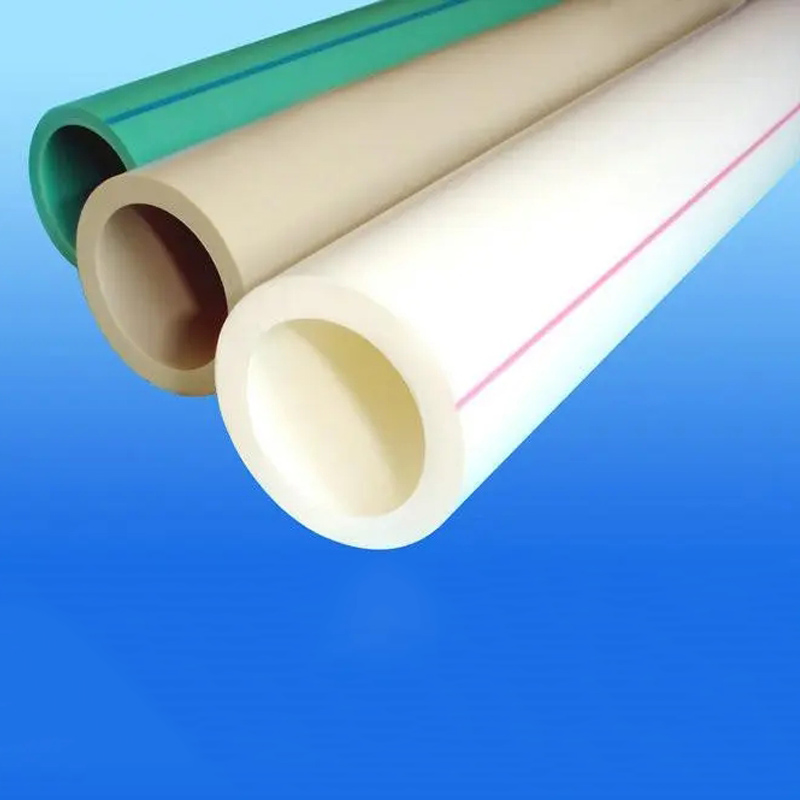
Polypropylene Random (PPR) pipe, specifically the 20mm diameter variant, represents a significant advancement in fluid conveyance systems, particularly within building infrastructure and industrial applications. PPR, a thermoplastic produced from the random copolymerization of propylene, distinguishes itself from traditional piping materials like PVC or copper through a unique balance of properties: high temperature resistance, chemical inertness, and exceptional weldability. This 20mm diameter pipe is commonly utilized in hot and cold water distribution, central heating systems, and industrial fluid transport where corrosion resistance and thermal stability are paramount. Its position in the supply chain is as a semi-finished product, requiring skilled installation utilizing heat fusion welding to create leak-proof, durable joints. Core performance characteristics include pressure bearing capacity, long-term hydrostatic strength, and resistance to scaling and biological growth, offering a lifecycle cost advantage over metallic alternatives. The ‘discount’ designation indicates a price point focused on value engineering, potentially impacting polymer grade or manufacturing tolerances, requiring careful consideration during specification.
Material Science & Manufacturing
PPR’s inherent properties stem from its chemical composition. The polypropylene homopolymer base provides rigidity and strength, while the random copolymerization introduces ethylenic units, disrupting crystallinity and enhancing impact resistance, flexibility, and weldability. The raw material, polypropylene granules, are typically sourced from petrochemical cracking processes. Manufacturing a 20mm PPR pipe involves extrusion. The process begins with feeding the PP granules into an extruder, where they are heated and melted. This molten polymer is then forced through a die – a precisely machined tool defining the pipe’s 20mm inner diameter and wall thickness. Critical parameters during extrusion include melt temperature (typically 190-230°C), extrusion speed (controlling production rate and material orientation), and die pressure (ensuring dimensional accuracy). Cooling is achieved via water tanks, gradually solidifying the pipe while maintaining its circular form. Wall thickness is crucial and is typically specified in Standard Dimension Ratio (SDR) values (e.g., SDR 11, SDR 17.6), determining the pressure rating. Quality control measures include regular dimensional checks (diameter, wall thickness), melt flow index (MFI) testing to verify polymer characteristics, and hydrostatic pressure testing to validate burst resistance. Variations in polymer grade (homopolymer vs. copolymer ratios) and manufacturing process control directly impact the final product’s performance.
Performance & Engineering
The performance of a 20mm PPR pipe is governed by several engineering principles. Hydrostatic pressure testing, per ISO 1167, assesses the pipe’s ability to withstand internal pressure without failure. The pressure rating, derived from this testing, dictates the maximum operating pressure for a given temperature. PPR exhibits excellent resistance to a wide range of chemicals, including acids, bases, and salts, making it suitable for transporting various fluids. However, prolonged exposure to strong oxidizing agents can induce degradation. Thermal expansion is another critical factor. PPR has a significantly higher coefficient of thermal expansion than metals (approximately 0.15 mm/m°C), necessitating expansion loops or careful pipe support design to prevent stress cracking during temperature fluctuations. Force analysis during installation, particularly heat fusion welding, is vital. Excessive welding pressure or temperature can lead to deformation or weakening of the joint. Long-term creep resistance, the tendency to deform slowly under sustained stress, is also a crucial consideration. Compliance with building codes and potable water standards (e.g., NSF/ANSI 61) is mandatory, ensuring the pipe material does not leach harmful substances into the water supply. Fatigue analysis is important in applications with cyclical pressure changes.
Technical Specifications
| Parameter | Unit | Standard PPR (SDR 17.6) | Discount PPR (Typical) |
|---|---|---|---|
| Nominal Diameter | mm | 20 | 20 |
| Wall Thickness | mm | 2.3 | 2.0 |
| Pressure Rating (20°C) | bar | 20 | 16 |
| Pressure Rating (60°C) | bar | 14 | 11 |
| Maximum Operating Temperature | °C | 95 | 90 |
| Melt Flow Index (MFI) | g/10min | 3.5 | 3.0 |
| Oxygen Permeability (OTR) | cm³/m²/day | <0.1 | <0.2 |
Failure Mode & Maintenance
PPR pipe, while durable, is susceptible to several failure modes. Slow Crack Growth (SCG), initiated by residual stress from improper installation or exposure to aggressive chemicals, is a common issue. Oxidation, particularly at elevated temperatures, can degrade the polymer, reducing its mechanical strength. Fatigue cracking can occur in systems with frequent pressure fluctuations. Delamination, the separation of layers within the pipe wall, can be caused by inadequate welding or contamination during the extrusion process. UV degradation, although less pronounced than in PVC, can occur with prolonged outdoor exposure. Maintenance involves periodic visual inspections for signs of cracking, deformation, or leakage. Proper jointing techniques, employing qualified welders and adhering to manufacturer’s specifications, are critical for preventing failures. When repairing a leak, it’s essential to cut out the damaged section and weld in a new piece of PPR pipe using the same welding parameters. Avoid using abrasive cleaning agents, as they can induce surface stress cracking. If the system is exposed to corrosive fluids, regular monitoring of pipe wall thickness is recommended. Preventative measures include proper pipe support to minimize stress and avoiding direct sunlight exposure where possible.
Industry FAQ
Q: What is the impact of using a lower-grade PPR (the 'discount' aspect) on long-term system reliability?
A: A lower-grade PPR typically involves a lower copolymer content or a different polymer formulation. This can translate to reduced impact resistance, lower temperature resistance, and a decreased long-term hydrostatic strength. While initial cost savings are attractive, the reduced service life and increased potential for failures due to SCG or creep deformation can significantly elevate lifecycle costs.
Q: What welding parameters are critical for ensuring a robust, leak-proof joint in 20mm PPR pipe?
A: Key parameters include socket and spigot preparation (clean, deburred edges), heating tool temperature (typically 260-280°C for 20mm pipe), heating time (dependent on wall thickness - typically 30-40 seconds), and welding pressure (sufficient to ensure complete fusion without deformation). Accurate control of these parameters is crucial; under-welding leads to weak joints, while over-welding can cause pipe deformation.
Q: How does PPR perform in comparison to PEX (Cross-Linked Polyethylene) in terms of hot water applications?
A: Both PPR and PEX are suitable for hot water applications. PPR generally has a higher maximum operating temperature (95°C vs. PEX's 90°C). PEX offers greater flexibility, simplifying installation in tight spaces, but is often more susceptible to oxygen permeation, potentially leading to corrosion in closed heating systems. PPR is generally more resistant to chlorine and chlorine-based disinfectants.
Q: What methods can be employed to mitigate the effects of thermal expansion in long runs of 20mm PPR pipe?
A: Several methods exist, including incorporating expansion loops at regular intervals, utilizing pipe anchors to control movement, and employing flexible connections to absorb thermal stresses. Calculating the expected thermal expansion based on temperature differentials and pipe length is crucial for effective design.
Q: Are there specific chemicals that are incompatible with PPR pipe and should be avoided?
A: While PPR exhibits broad chemical resistance, prolonged exposure to strong oxidizing agents (e.g., concentrated nitric acid, potassium permanganate) should be avoided. Certain solvents and aromatic hydrocarbons can also cause swelling and degradation. Refer to the manufacturer's chemical resistance chart for specific compatibility information.
Conclusion
The 20mm PPR pipe represents a versatile and cost-effective solution for fluid conveyance, offering a compelling alternative to traditional materials. Its inherent properties – chemical inertness, thermal stability, and weldability – contribute to its widespread adoption in diverse applications. However, the ‘discount’ designation necessitates a careful evaluation of material specifications, recognizing potential compromises in performance and longevity. Adhering to established installation protocols, maintaining strict quality control during welding, and understanding potential failure modes are paramount for ensuring a reliable and durable piping system.
Effective long-term performance relies on understanding the interplay between material science, engineering principles, and compliant installation practices. Future developments may focus on enhancing PPR’s UV resistance, improving its creep resistance, and incorporating advanced additives to further broaden its chemical compatibility. The ongoing demand for sustainable and cost-efficient piping solutions will continue to drive innovation within the PPR industry.
-
DN25 HDPE Compression Fitting-HORON INTERNATIONAL|Reliable Irrigation Solutions
NewsFeb.11,2026
-
hdpe coupling joint product Manufacturing Analysis
News2026-11-18
-
ppr pipe heating time products Performance Analysis
News2026-11-16
-
hdpe pipe sizes factory Performance Analysis
News2026-11-09
-
HDPE Pipe Sizes Service Performance Analysis
News2026-10-26
-
wholesale 15mm ppr pipe Material Science and Performance Analysis
News2026-10-20
-
wholesale pvc pipe price per foot Technical Analysis
News2026-09-21
-
wholesale long pvc pipe Technical Analysis and Manufacturing Specifications
News2026-09-15
-
wholesale plumbing kitchen sink water lines Material Performance
News2026-09-15
-
wholesale hdpe drip irrigation Material Science
News2026-09-15
-
wholesale hot water ppr pipe Performance Analysis
News2026-09-15
-
wholesale ppr plumbing Performance Analysis
News2026-09-15
-
wholesale ppr pipe supplier Performance Analysis
News2026-09-13
-
wholesale 50mm ppr pipe Performance Analysis
News2026-09-13
-
wholesale hdpe drip pipe Performance Analysis
News2026-09-13
-
wholesale hdpe pipe 63mm price Manufacturing Specification and Performance Analysis
News2026-09-13