

Feb . 11, 2026 00:01 Back to list
discount ppr hot water pipe Performance Analysis
Introduction
Polypropylene Random (PPR) hot water pipes represent a significant advancement in potable water and heating system infrastructure. Positioned as a cost-effective alternative to traditional metallic piping (copper, steel) and other plastics (PVC, PEX), PPR pipes utilize the inherent properties of polypropylene random copolymer to deliver robust performance, corrosion resistance, and ease of installation. This guide provides an in-depth technical overview of discount PPR hot water pipe, encompassing material science, manufacturing processes, performance characteristics, potential failure modes, and relevant industry standards. The growing demand for PPR systems is driven by factors including lower material costs, reduced labor requirements associated with solvent-free fusion welding, and a decrease in long-term maintenance costs due to inherent resistance to scale buildup and corrosion. The 'discount' designation implies a focus on value engineering without compromising critical performance parameters within accepted industry tolerances.
Material Science & Manufacturing
PPR pipes are manufactured from polypropylene random copolymer, a thermoplastic polymer characterized by a random distribution of comonomers (typically ethylene) within the polypropylene backbone. This randomness disrupts the polymer’s crystallinity, resulting in increased flexibility, impact resistance, and lower melting points compared to homopolymer polypropylene. The raw material selection is crucial. Virgin polypropylene resin is preferred for potable water applications to ensure compliance with hygiene standards and minimize leaching of unwanted substances. Recycled polypropylene, while potentially reducing cost, can introduce contaminants and compromise long-term durability.
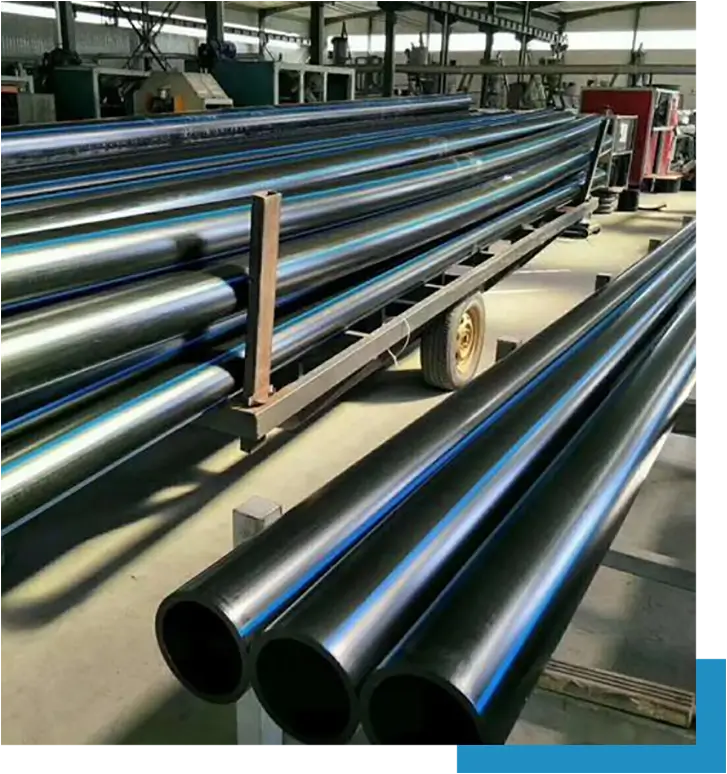
The manufacturing process primarily involves extrusion. Polypropylene granules are fed into a hopper, then plasticized by a screw extruder. The molten polymer is forced through a die to form a continuous pipe. Key parameters during extrusion include temperature control (melt temperature, die temperature), screw speed, and cooling rate. Precise temperature control is essential to achieve uniform wall thickness and prevent material degradation. Cooling is typically achieved using water baths, carefully regulated to prevent excessive shrinkage or warping. Following extrusion, pipes are cut to length, marked with relevant specifications (size, pressure rating, standard compliance), and subjected to quality control checks. The fusion welding process, which joins PPR pipes, utilizes a heating tool to melt the pipe and fitting ends simultaneously, creating a homogenous weld. Parameters for successful fusion welding include heating temperature, heating time, and applied pressure. Improper welding can lead to weak joints and potential leaks.
Performance & Engineering
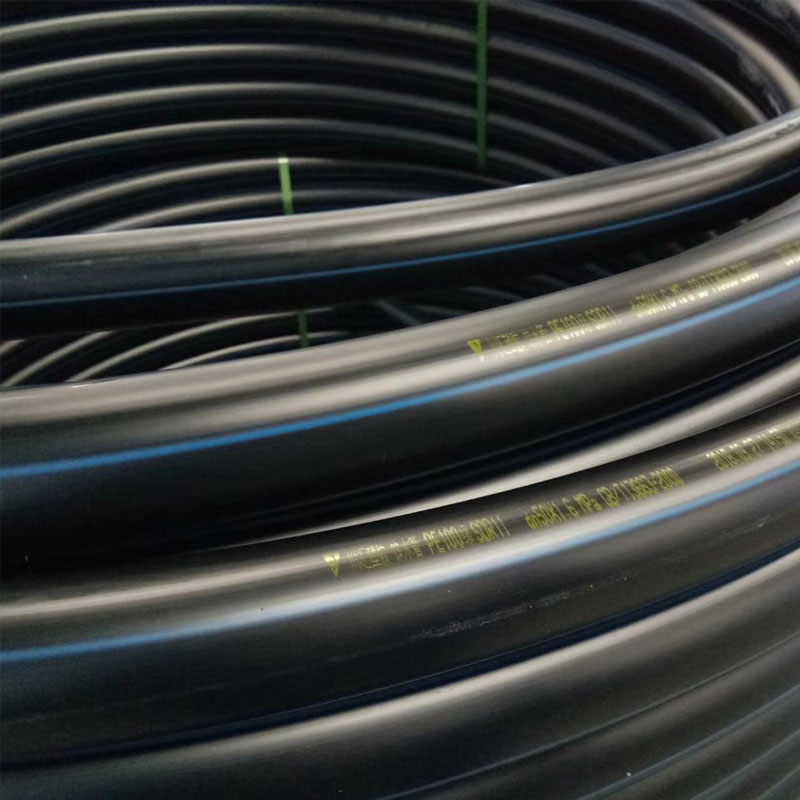
The performance of PPR hot water pipes is dictated by several key engineering properties. Tensile strength, typically ranging from 20-30 MPa, dictates the pipe's resistance to bursting under pressure. Elongation at break, generally 200-400%, indicates the material’s ductility and ability to withstand deformation without fracturing. The Hydrostatic Pressure Test (HPT) is a critical performance benchmark, evaluating the pipe's ability to withstand sustained internal pressure without failure. PPR pipes are rated to withstand pressures from PN10 (1.0 MPa) to PN25 (2.5 MPa), depending on wall thickness and pipe diameter. Thermal expansion is a significant consideration in PPR system design. Polypropylene exhibits a relatively high coefficient of thermal expansion (approximately 0.15 mm/m°C). Engineers must account for this expansion and contraction through the incorporation of expansion loops or flexible connectors to prevent stress buildup and potential pipe failure. Chemical compatibility is also vital. PPR is generally resistant to a wide range of chemicals commonly found in potable water, but prolonged exposure to strong oxidizing agents or certain organic solvents should be avoided. The pipe's resistance to creep – the tendency to deform permanently under sustained stress – is particularly important in hot water applications. Long-term creep deformation can lead to reduced flow capacity and eventual failure.
Technical Specifications
| Parameter | Unit | PN16 (DN20) | PN20 (DN25) |
|---|---|---|---|
| Outside Diameter | mm | 25.0 | 32.4 |
| Wall Thickness | mm | 2.3 | 3.2 |
| Burst Pressure | MPa | 7.0 | 9.0 |
| Operating Pressure | MPa | 1.6 | 2.0 |
| Operating Temperature | °C | -20 to +80 | -20 to +95 |
| Coefficient of Linear Expansion | mm/m°C | 0.15 | 0.15 |
Failure Mode & Maintenance
Common failure modes in PPR hot water pipes include: 1) Thermal Expansion Stress Cracking: Insufficient allowance for thermal expansion can induce stress concentrations at joints, leading to cracking. 2) Fusion Welding Defects: Improper welding techniques (incorrect temperature, insufficient pressure, inadequate heating time) can result in weak or porous joints susceptible to leakage. 3) Creep Rupture: Prolonged exposure to elevated temperatures and sustained pressure can cause slow, time-dependent deformation (creep) leading to eventual rupture, particularly in thinner-walled pipes. 4) UV Degradation: Exposure to ultraviolet radiation can cause embrittlement and surface cracking, especially in pipes used for outdoor applications. 5) Water Hammer: Sudden changes in flow velocity (e.g., rapid valve closure) can generate pressure surges (water hammer) exceeding the pipe’s pressure rating, causing damage.
Preventative maintenance involves regular visual inspections for leaks, cracks, or signs of deformation. Systems should be designed with adequate expansion loops and pressure relief valves. Welding procedures must strictly adhere to manufacturer's recommendations. For outdoor applications, pipes should be protected from direct sunlight using protective coatings or shielding. In the event of a leak, the damaged section should be cut out and replaced with a new section using proper fusion welding techniques. Avoid the use of abrasive cleaning agents, as these can damage the pipe surface. Periodic flushing of the system can help remove sediment buildup and maintain optimal flow rates.
Industry FAQ
Q: What is the long-term impact of chlorine exposure on PPR pipe integrity?
A: While PPR exhibits good resistance to chlorine at typical concentrations found in potable water, prolonged exposure to high chlorine levels (e.g., during disinfection procedures) can cause gradual degradation of the polymer matrix, leading to embrittlement and reduced impact resistance. Regular monitoring of chlorine levels and adherence to recommended disinfection protocols are crucial to mitigate this risk.
Q: How does the quality of the fusion welding equipment impact the reliability of the system?
A: The quality of the fusion welding equipment is paramount. Precision temperature control, accurate timer settings, and consistent heating element performance are essential for achieving robust, leak-proof welds. Using substandard or poorly maintained welding equipment significantly increases the risk of weld defects and premature failure.
Q: Are PPR pipes suitable for use with underfloor heating systems?
A: Yes, PPR pipes are commonly used in underfloor heating systems due to their flexibility, thermal stability, and resistance to corrosion. However, specific formulations of PPR designed for higher temperature operation are recommended. Careful consideration must be given to the system's operating temperature and pressure to ensure long-term performance.
Q: What are the advantages of PPR over traditional copper piping in terms of corrosion resistance?
A: PPR offers superior corrosion resistance compared to copper, particularly in areas with aggressive water chemistry (low pH, high dissolved oxygen). Copper is susceptible to pitting corrosion, which can lead to leaks and contamination. PPR is inert to most common waterborne contaminants, eliminating the risk of corrosion-related failures.
Q: What is the recommended procedure for handling and storing PPR pipes to prevent damage?
A: PPR pipes should be stored in a cool, dry, and shaded area, away from direct sunlight and sources of heat. Protect pipes from physical damage during handling and transportation. Avoid stacking pipes excessively high, as this can cause deformation. Follow the manufacturer’s recommendations for storage conditions and handling procedures.
Conclusion
Discount PPR hot water pipe provides a viable and cost-effective solution for potable water and heating systems, offering significant advantages over traditional materials in terms of corrosion resistance, ease of installation, and long-term maintenance. Successful implementation requires careful consideration of material selection, proper manufacturing controls, adherence to established welding procedures, and thorough system design accounting for thermal expansion and potential failure modes.
Future developments in PPR technology will likely focus on enhancing polymer formulations to improve high-temperature performance, UV resistance, and creep resistance. The increasing adoption of smart building technologies may also drive the integration of PPR systems with real-time monitoring systems to detect leaks and optimize performance. By understanding the fundamental principles outlined in this guide, engineers and procurement professionals can make informed decisions and ensure the reliable and efficient operation of PPR piping systems.
-
DN25 HDPE Compression Fitting-HORON INTERNATIONAL|Reliable Irrigation Solutions
NewsFeb.11,2026
-
hdpe coupling joint product Manufacturing Analysis
News2026-11-18
-
ppr pipe heating time products Performance Analysis
News2026-11-16
-
hdpe pipe sizes factory Performance Analysis
News2026-11-09
-
HDPE Pipe Sizes Service Performance Analysis
News2026-10-26
-
wholesale 15mm ppr pipe Material Science and Performance Analysis
News2026-10-20
-
wholesale pvc pipe price per foot Technical Analysis
News2026-09-21
-
wholesale long pvc pipe Technical Analysis and Manufacturing Specifications
News2026-09-15
-
wholesale plumbing kitchen sink water lines Material Performance
News2026-09-15
-
wholesale hdpe drip irrigation Material Science
News2026-09-15
-
wholesale hot water ppr pipe Performance Analysis
News2026-09-15
-
wholesale ppr plumbing Performance Analysis
News2026-09-15
-
wholesale ppr pipe supplier Performance Analysis
News2026-09-13
-
wholesale 50mm ppr pipe Performance Analysis
News2026-09-13
-
wholesale hdpe drip pipe Performance Analysis
News2026-09-13
-
wholesale hdpe pipe 63mm price Manufacturing Specification and Performance Analysis
News2026-09-13