

Feb . 11, 2026 00:01 Back to list
discount ppr hot and cold water pipe Technical Analysis
Introduction
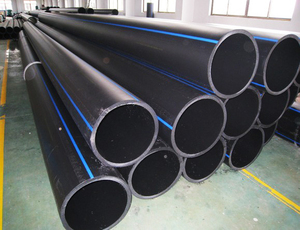
Polypropylene Random (PPR) hot and cold water pipe represents a significant advancement in fluid conveyance systems, offering a cost-effective and durable alternative to traditional metallic piping. Positioned within the building infrastructure supply chain, PPR piping serves as the final distribution network for potable and non-potable water within residential, commercial, and industrial buildings. Its core performance characteristics – namely corrosion resistance, thermal stability, and ease of installation – directly address prevalent pain points associated with copper, galvanized steel, and PVC piping systems. The increasing demand for PPR pipes is driven by stringent water quality regulations, the need for reduced maintenance costs, and the rise of sustainable building practices. This guide provides an in-depth technical analysis of discount PPR hot and cold water pipe, covering material science, manufacturing processes, performance characteristics, potential failure modes, and relevant industry standards.
Material Science & Manufacturing
PPR pipes are primarily constructed from polypropylene random copolymer. The ‘random’ designation refers to the random distribution of comonomers (typically ethylene) within the polypropylene chain. This randomization disrupts the crystallinity of the polymer, resulting in improved impact resistance, flexibility, and weldability compared to homopolymer polypropylene. Raw material selection is critical; the polypropylene resin must meet stringent purity standards to ensure long-term performance and compliance with potable water regulations. The manufacturing process typically involves extrusion. Polypropylene granules are fed into an extruder, heated, and forced through a die to form the pipe’s shape. Critical parameters during extrusion include melt temperature (typically 190-230°C), extrusion speed, and die pressure. These parameters directly influence the pipe’s dimensional accuracy, layer thickness (for multilayer pipes), and overall mechanical properties. Socket fusion and electrofusion are the predominant joining methods. Socket fusion relies on heating both the pipe and fitting to create a homogenous weld, while electrofusion uses an electrical current to melt and fuse the materials. Quality control measures throughout the manufacturing process – including hydrostatic testing and impact resistance testing – are essential to guarantee the pipe’s integrity and prevent premature failure. The addition of UV stabilizers to the resin is vital for outdoor applications to prevent degradation from prolonged sun exposure. Thermal expansion is a key consideration, requiring proper expansion loops and supports during installation to mitigate stress on the pipe and fittings.
Performance & Engineering
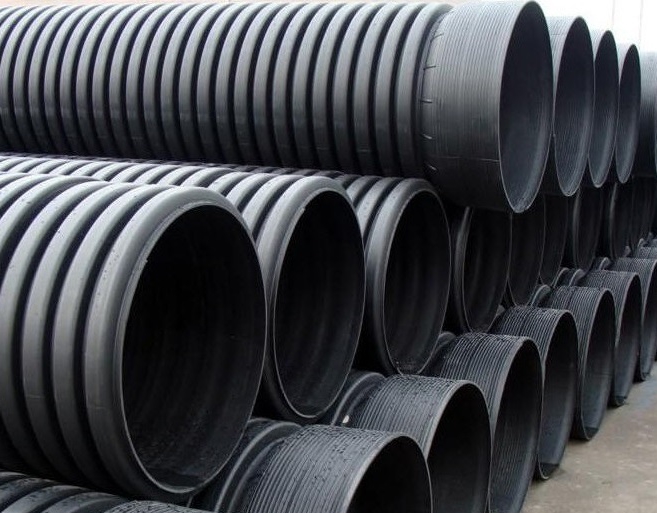
The performance of PPR piping is fundamentally governed by its pressure rating, temperature resistance, and resistance to chemical degradation. Hydrostatic pressure testing, conducted according to ISO 1167, verifies the pipe’s ability to withstand sustained internal pressure without rupture or leakage. PPR pipes are typically rated for pressures ranging from PN10 (1 MPa) to PN25 (2.5 MPa), suitable for most residential and commercial applications. Temperature resistance is another critical parameter. PPR pipes can safely convey water temperatures up to 95°C, making them suitable for both hot and cold water distribution systems. However, prolonged exposure to temperatures exceeding this limit can lead to thermal creep and reduced pressure rating. Force analysis during installation is crucial to prevent stress concentrations. Improper support spacing or excessive bending can induce stresses exceeding the pipe’s yield strength, leading to cracking. Chemical compatibility is paramount, particularly in industrial applications where the piping may be exposed to various chemicals. PPR is generally resistant to most common chemicals found in potable water, but prolonged exposure to strong oxidizing agents or certain solvents can cause degradation. Compliance with relevant building codes and standards (e.g., UPC, IPC, IAPMO) is mandatory. These codes specify requirements for material selection, installation practices, and testing procedures to ensure the safety and reliability of the piping system. The coefficient of linear thermal expansion for PPR is approximately 0.15 mm/m°C, requiring careful consideration during installation to accommodate thermal movement.
Technical Specifications
| Parameter | Unit | PN10 (S3.2) | PN16 (S4) |
|---|---|---|---|
| Nominal Diameter | mm | 20-63 | 20-110 |
| Pressure Rating | bar | 10 | 16 |
| Temperature Rating | °C | -40 to +95 | -40 to +95 |
| Hydrostatic Pressure Test | bar | 15 | 24 |
| Impact Resistance (Charpy) | kJ/m² | ≥ 4 | ≥ 5 |
| Oxygen Permeability | cm³/m²/day | < 0.1 | < 0.1 |
Failure Mode & Maintenance
Several failure modes can affect the long-term performance of PPR piping. Fatigue cracking can occur due to repeated pressure fluctuations or thermal cycling, particularly at stress concentrators such as fittings. Delamination, the separation of layers in multilayer pipes, can result from inadequate bonding during manufacturing or exposure to corrosive environments. Oxidation, especially in pipes exposed to UV radiation, can lead to embrittlement and reduced impact resistance. Creep, the slow deformation under sustained load, can occur at elevated temperatures, reducing the pipe’s pressure rating over time. Joint failure is a common issue, often caused by improper fusion techniques (insufficient heating, incorrect alignment) or contamination of the weld area. Preventive maintenance includes regular visual inspections for leaks, cracks, or discoloration. Periodic hydrostatic testing can verify the integrity of the system. In the event of a leak, the damaged section of pipe should be cut out and replaced with a new section using proper fusion techniques. Avoid using abrasive cleaners or solvents that could damage the pipe material. Properly support the piping system to prevent excessive stress and vibration. For outdoor applications, protect the pipes from direct sunlight using protective coatings or insulation. Consider installing water softeners to reduce scaling and corrosion in hard water areas.
Industry FAQ
Q: What is the long-term impact of chlorine on PPR pipe?
A: While PPR exhibits good resistance to chlorine at typical concentrations found in potable water, prolonged exposure to high chlorine levels (e.g., during shock chlorination) can cause gradual degradation of the polymer matrix, leading to embrittlement and potential leaks. It's recommended to flush the system thoroughly after shock chlorination and monitor chlorine levels regularly.
Q: How does PPR pipe compare to PEX pipe in terms of cost and installation?
A: PPR pipe is generally less expensive upfront than PEX pipe. However, PEX typically offers faster installation due to the use of crimp or expansion fittings, while PPR requires specialized fusion equipment. The total installed cost may be comparable depending on labor rates and project complexity.
Q: Is PPR pipe suitable for underground applications?
A: PPR pipe can be used underground, but it requires proper bedding and protection from external loads. It's essential to use UV-stabilized PPR pipes and provide adequate backfill support to prevent damage from soil movement or external forces. Compliance with local building codes is crucial.
Q: What are the key considerations for mitigating thermal expansion in long runs of PPR pipe?
A: Expansion loops, expansion joints, and proper pipe supports are crucial for mitigating thermal expansion. The spacing of supports should be carefully calculated to allow for thermal movement without inducing excessive stress on the pipe and fittings. Avoid rigidly fixing the pipe at multiple points.
Q: What is the shelf life of PPR pipe and fittings?
A: PPR pipe and fittings generally have a long shelf life when stored properly (protected from direct sunlight and extreme temperatures). However, it's recommended to use the material within 2-3 years of manufacture to ensure optimal performance. Check the manufacturer's specifications for specific storage and shelf-life recommendations.
Conclusion
Discount PPR hot and cold water pipe offers a compelling solution for fluid conveyance, providing a balance of performance, cost-effectiveness, and ease of installation. Its inherent corrosion resistance, thermal stability, and weldability address critical pain points in traditional piping systems. However, successful implementation requires meticulous attention to material selection, manufacturing quality control, and proper installation practices. Understanding the potential failure modes – including fatigue cracking, delamination, and oxidation – is essential for ensuring long-term reliability and minimizing maintenance costs.
Moving forward, advancements in PPR technology are likely to focus on enhancing UV resistance, improving impact strength, and developing more sophisticated monitoring systems for detecting leaks and predicting failure. Continued adherence to relevant industry standards and best practices will be critical for maintaining the integrity and safety of PPR piping systems. The continued adoption of PPR is anticipated to contribute to more sustainable and efficient water distribution infrastructure worldwide.
-
DN25 HDPE Compression Fitting-HORON INTERNATIONAL|Reliable Irrigation Solutions
NewsFeb.11,2026
-
hdpe coupling joint product Manufacturing Analysis
News2026-11-18
-
ppr pipe heating time products Performance Analysis
News2026-11-16
-
hdpe pipe sizes factory Performance Analysis
News2026-11-09
-
HDPE Pipe Sizes Service Performance Analysis
News2026-10-26
-
wholesale 15mm ppr pipe Material Science and Performance Analysis
News2026-10-20
-
wholesale pvc pipe price per foot Technical Analysis
News2026-09-21
-
wholesale long pvc pipe Technical Analysis and Manufacturing Specifications
News2026-09-15
-
wholesale plumbing kitchen sink water lines Material Performance
News2026-09-15
-
wholesale hdpe drip irrigation Material Science
News2026-09-15
-
wholesale hot water ppr pipe Performance Analysis
News2026-09-15
-
wholesale ppr plumbing Performance Analysis
News2026-09-15
-
wholesale ppr pipe supplier Performance Analysis
News2026-09-13
-
wholesale 50mm ppr pipe Performance Analysis
News2026-09-13
-
wholesale hdpe drip pipe Performance Analysis
News2026-09-13
-
wholesale hdpe pipe 63mm price Manufacturing Specification and Performance Analysis
News2026-09-13