

Feb . 11, 2026 00:01 Back to list
discount plumbing ppr pipe Performance Analysis
Introduction
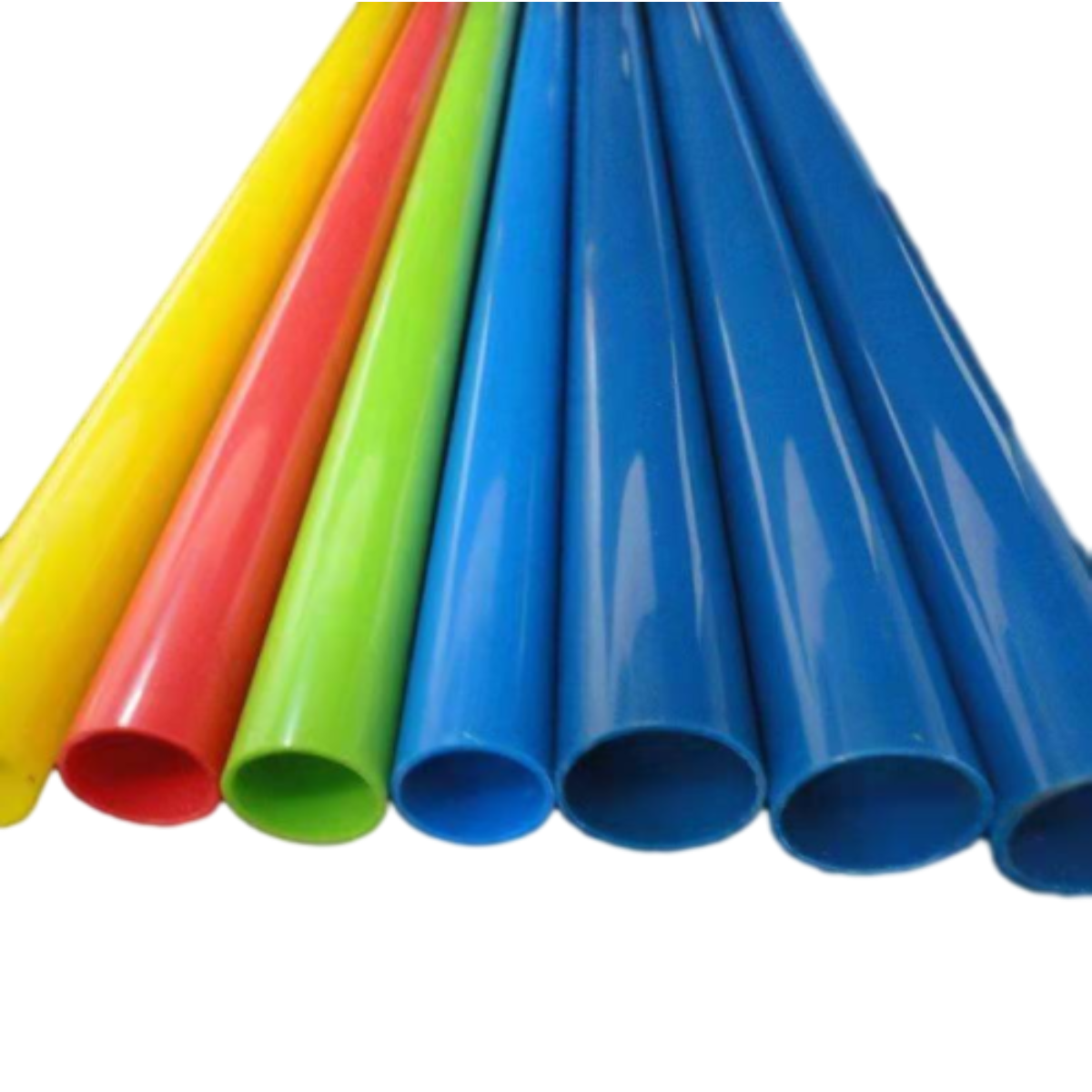
Polypropylene Random (PPR) pipe represents a significant advancement in plumbing infrastructure, offering a corrosion-resistant and cost-effective alternative to traditional metallic piping systems. Discount plumbing PPR pipe specifically targets price-sensitive applications without compromising fundamental performance characteristics. Its position within the industry chain is as a semi-finished good, requiring skilled installation via heat fusion welding to create leak-proof joints. Core performance metrics include pressure rating, temperature resistance, and long-term hydrostatic strength, making it suitable for both hot and cold water distribution in residential and commercial buildings. The increasing adoption of PPR systems is driven by ease of installation, reduced labor costs, and minimized maintenance needs, particularly in regions experiencing rapid urbanization and infrastructure development. The material’s inherent resistance to scale build-up further contributes to long-term operational efficiency. This guide provides a comprehensive technical overview of discount plumbing PPR pipe, encompassing material science, manufacturing processes, performance engineering, failure analysis, and relevant industry standards.
Material Science & Manufacturing
PPR pipe is primarily manufactured from polypropylene random copolymer resin. This resin consists of propylene monomers with a random distribution of ethylene comonomers. The ethylene content, typically between 4-7%, is crucial as it disrupts the crystallinity of the polypropylene, imparting enhanced impact strength and flexibility. Raw material selection is paramount; variations in molecular weight distribution (MWD) and comonomer content directly influence the final product's mechanical properties. Manufacturing commences with the extrusion process, involving melting the PPR resin and forcing it through a die to form the pipe’s desired diameter and wall thickness. Critical parameters during extrusion include melt temperature (typically 200-260°C), die pressure, and cooling rate. Precise temperature control is vital to prevent degradation and maintain consistent material properties. The extrusion process is followed by calendering or socket fusion capabilities and is often integrated with an inline hydrostatic test to ensure pressure integrity. Quality control involves rigorous testing of raw materials and finished products, focusing on melt flow index (MFI), tensile strength, elongation at break, and oxidation induction time (OIT) to assess thermal stability. The addition of UV stabilizers is sometimes incorporated to enhance resistance to prolonged sunlight exposure. Dimensional accuracy, critical for heat fusion welding, is maintained through precise die design and continuous monitoring during the extrusion process. Chemical compatibility testing confirms resistance to common waterborne chemicals and cleaning agents.
Performance & Engineering
The performance of PPR pipe is governed by its ability to withstand internal hydrostatic pressure, external loads, and thermal stresses. Force analysis considers hoop stress, longitudinal stress, and bending moments induced by water pressure and pipe supports. The pipe’s pressure rating (PN) – typically ranging from PN10 to PN25 – signifies its ability to withstand a specific internal pressure at 20°C. Higher PN values indicate greater pressure-bearing capacity. Long-term hydrostatic strength is assessed through hydrostatic stress testing, subjecting pipes to sustained pressure at elevated temperatures to simulate decades of service. Temperature resistance is a key attribute; PPR can handle water temperatures up to 95°C, though prolonged exposure to such temperatures may reduce the lifespan. Environmental resistance is generally excellent, with PPR exhibiting good chemical inertness. However, prolonged exposure to certain aggressive chemicals (e.g., concentrated solvents) should be avoided. Compliance requirements vary regionally, encompassing standards related to drinking water safety (e.g., NSF/ANSI 61), fire resistance (e.g., EN 13501-1), and mechanical performance (e.g., ISO 15876). Joint design is crucial, relying on heat fusion welding to create homogeneous, leak-proof connections. Proper welding parameters (temperature and pressure) must be adhered to, as inadequate welding can lead to joint failure. Expansion and contraction due to temperature fluctuations are accommodated through the pipe’s inherent flexibility and the use of expansion loops in long runs. Finite Element Analysis (FEA) is often employed during the design phase to optimize pipe geometry and support spacing for specific applications.
Technical Specifications
| Parameter | Unit | PN10 | PN16 |
|---|---|---|---|
| Nominal Diameter | mm | 20-125 | 20-160 |
| Pressure Rating | bar | 1.0 MPa | 1.6 MPa |
| Temperature Resistance (Max. Continuous) | °C | 95 | 95 |
| Tensile Strength | MPa | >20 | >22 |
| Elongation at Break | % | >300 | >350 |
| Melt Flow Index (MFI) | g/10min | 0.3-0.8 | 0.5-1.0 |
Failure Mode & Maintenance
PPR pipe, while durable, is susceptible to several failure modes. Fatigue cracking can occur under cyclic pressure loading, particularly at joints or areas of stress concentration. Delamination can arise from inadequate heat fusion welding, resulting in insufficient bonding between pipe sections. Degradation, specifically oxidation, is accelerated by prolonged exposure to high temperatures and oxygen, reducing the pipe’s mechanical properties. UV degradation can cause embrittlement and surface cracking if the pipe is exposed to sunlight for extended periods. Chemical attack from aggressive substances can lead to material swelling or dissolution. Joint failure is a common issue, often stemming from improper welding techniques (insufficient temperature, pressure, or holding time). Maintenance primarily focuses on preventative measures. Regular visual inspections should be conducted to identify any signs of cracking, deformation, or leakage. Avoid mechanical damage during installation and handling. Ensure proper support to prevent excessive stress on the pipe and joints. Flush the system periodically to remove sediment and debris. In the event of a leak, the affected section should be cut out and replaced with a new PPR section using proper heat fusion welding techniques. For long-term reliability, avoid exceeding the maximum operating temperature and pressure limits. A proactive maintenance schedule and adherence to proper installation procedures are critical for maximizing the lifespan of PPR plumbing systems.
Industry FAQ
Q: What is the impact of water hardness on the long-term performance of PPR pipe?
A: Water hardness, specifically the concentration of calcium and magnesium ions, can contribute to scale build-up within PPR pipes. While PPR is inherently resistant to scale adhesion compared to metallic pipes, significant scale accumulation can reduce the internal diameter, increasing flow resistance and potentially impacting water pressure. Regular flushing and the use of water softening systems can mitigate this issue.
Q: How does the welding process affect the overall strength of a PPR pipe system?
A: The heat fusion welding process is paramount to the integrity of a PPR system. Insufficient welding temperature or pressure results in incomplete fusion, creating weak points prone to failure. Excessive temperature can lead to material degradation. Adherence to manufacturer’s recommended welding parameters (temperature, pressure, and holding time) and the use of calibrated welding tools are critical. Regular welder training and certification are also essential.
Q: Can PPR pipe be used for compressed air lines?
A: Generally, PPR pipe is not recommended for compressed air lines, especially at high pressures. While PPR can withstand some pressure, the material is susceptible to permeation of air molecules, potentially leading to leakage. Furthermore, the impact resistance of PPR is lower than materials specifically designed for compressed air applications. Dedicated compressed air piping systems utilize materials like aluminum or polyethylene.
Q: What is the typical lifespan of a properly installed PPR plumbing system?
A: A properly installed and maintained PPR plumbing system typically has a lifespan of 50 years or more. However, this is dependent on several factors, including water quality, operating temperature, pressure fluctuations, and adherence to maintenance schedules. Regular inspections and proactive maintenance can extend the lifespan significantly.
Q: How does the cost of PPR pipe compare to other plumbing materials like copper or PEX?
A: Discount plumbing PPR pipe is generally more cost-effective than copper pipe, both in terms of material cost and installation labor. PEX pipe can be similarly priced to PPR, but the connection methods (crimping or expansion) often require specialized tools and skills. The total cost of ownership, including installation, maintenance, and lifespan, should be considered when comparing different plumbing materials.
Conclusion
Discount plumbing PPR pipe offers a viable and cost-effective solution for a wide range of potable water distribution applications. Its inherent corrosion resistance, ease of installation, and long-term durability make it an attractive alternative to traditional metallic piping systems. However, ensuring optimal performance requires meticulous attention to material selection, manufacturing quality control, proper installation techniques (specifically heat fusion welding), and adherence to established industry standards.
Looking forward, advancements in PPR resin formulations, particularly the incorporation of enhanced UV stabilizers and impact modifiers, will further broaden the applicability of this material. Continued research into optimized welding parameters and non-destructive testing methods will also contribute to improved system reliability and extended service life. Ultimately, a holistic approach encompassing material science, engineering design, and diligent maintenance practices is crucial for realizing the full potential of PPR piping systems.
-
DN25 HDPE Compression Fitting-HORON INTERNATIONAL|Reliable Irrigation Solutions
NewsFeb.11,2026
-
hdpe coupling joint product Manufacturing Analysis
News2026-11-18
-
ppr pipe heating time products Performance Analysis
News2026-11-16
-
hdpe pipe sizes factory Performance Analysis
News2026-11-09
-
HDPE Pipe Sizes Service Performance Analysis
News2026-10-26
-
wholesale 15mm ppr pipe Material Science and Performance Analysis
News2026-10-20
-
wholesale pvc pipe price per foot Technical Analysis
News2026-09-21
-
wholesale long pvc pipe Technical Analysis and Manufacturing Specifications
News2026-09-15
-
wholesale plumbing kitchen sink water lines Material Performance
News2026-09-15
-
wholesale hdpe drip irrigation Material Science
News2026-09-15
-
wholesale hot water ppr pipe Performance Analysis
News2026-09-15
-
wholesale ppr plumbing Performance Analysis
News2026-09-15
-
wholesale ppr pipe supplier Performance Analysis
News2026-09-13
-
wholesale 50mm ppr pipe Performance Analysis
News2026-09-13
-
wholesale hdpe drip pipe Performance Analysis
News2026-09-13
-
wholesale hdpe pipe 63mm price Manufacturing Specification and Performance Analysis
News2026-09-13