

Feb . 11, 2026 00:01 Back to list
discount outside diameter of pvc pipe Performance Analysis
Introduction
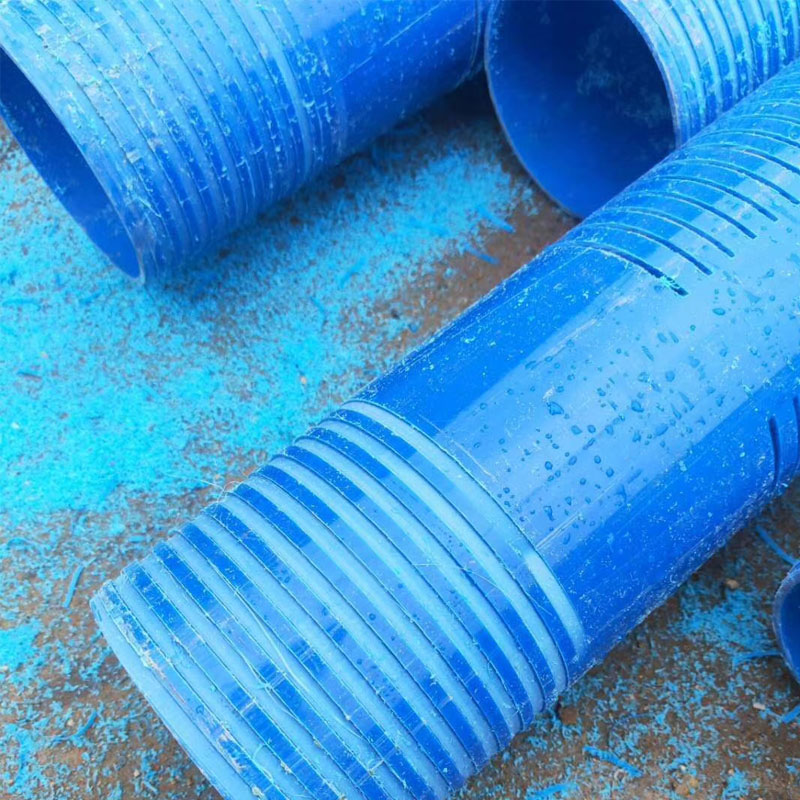
Polyvinyl chloride (PVC) pipe, characterized by its outside diameter (OD), represents a foundational element in fluid conveyance systems across diverse industrial and municipal applications. This technical guide focuses on the nuances of discount outside diameter PVC pipe, analyzing its material properties, manufacturing processes, performance characteristics, failure modes, and relevant industry standards. While often perceived as a commodity, variations in OD, schedule (wall thickness), and compound formulation significantly impact hydraulic capacity, pressure rating, and long-term durability. This document provides an in-depth examination intended for engineers, procurement professionals, and quality control personnel involved in the specification, installation, and maintenance of PVC piping systems. The “discount” designation, in this context, refers to competitive pricing, and does not inherently imply compromised quality, though diligent material verification is paramount. The OD is a critical dimension, dictating compatibility with fittings and influencing the overall system design.
Material Science & Manufacturing
PVC is a thermoplastic polymer produced through the polymerization of vinyl chloride monomer (VCM). The raw material, ethylene dichloride (EDC), is cracked to produce VCM, which is then polymerized. The resulting PVC resin is a white, brittle powder. For pipe manufacturing, PVC resin is compounded with additives including plasticizers (phthalates or alternative plasticizers for flexibility), stabilizers (typically metal-based, such as tin or calcium-zinc), lubricants (to aid processing), and impact modifiers (to enhance toughness). The type and proportion of these additives dictate the final properties of the pipe.
Manufacturing discount outside diameter PVC pipe commonly employs extrusion processes. PVC compound is fed into a single-screw extruder, where it is heated and plasticized. The molten PVC is forced through a die, shaping it into a continuous pipe. Precise temperature control (typically between 180-220°C, dependent on formulation) and die design are critical to maintaining dimensional accuracy, particularly the OD. Subsequent cooling (water bath or air cooling) solidifies the pipe. Quality control involves continuous OD measurements using laser micrometers or ultrasonic sensors. Pipe is then cut to length, bell and spigot ends are formed (either during extrusion or as a separate process), and markings (size, schedule, standard compliance) are applied. The manufacturing process must adhere to strict tolerances specified in standards like ASTM D1785 and ISO 4427. Variations in cooling rates and screw speed can lead to inconsistencies in wall thickness and, consequently, reduced pressure rating. The ‘discount’ aspect often stems from optimized raw material sourcing and high-volume production, but rigorous QA/QC remain vital.
Performance & Engineering
The performance of discount outside diameter PVC pipe is primarily governed by its ability to withstand internal hydrostatic pressure (IHP) and external loads. IHP is directly related to the pipe’s OD, wall thickness (schedule), and material properties. The Barlow's formula (S = PT/2t, where S = hoop stress, P = internal pressure, T = wall thickness, t = radius) is a fundamental equation used in pipe stress analysis. Higher OD and thinner walls result in lower pressure ratings. Engineering considerations also encompass thermal expansion and contraction. PVC exhibits a significant coefficient of thermal expansion (approximately 8 x 10^-5 /°C), necessitating expansion joints or careful burial techniques to prevent stress cracking or joint separation.
Chemical resistance is another crucial performance parameter. PVC is generally resistant to acids, alkalis, and many solvents, but prolonged exposure to certain chemicals (e.g., ketones, esters) can cause swelling, softening, and degradation. Long-term environmental resistance, particularly UV exposure, is addressed through the inclusion of UV stabilizers in the PVC compound. Soil conditions and burial depth also influence performance; corrosive soils can accelerate degradation. Compliance with standards like NSF/ANSI 61 ensures the pipe is suitable for potable water applications, limiting the leaching of harmful substances. Proper jointing techniques (solvent cementing, gasketed joints) are essential to maintaining the integrity of the system and preventing leaks. The “discount” pricing should not compromise the quality of the PVC compound or the adherence to these critical engineering principles.
Technical Specifications
| Nominal Pipe Size (inches) | Outside Diameter (inches) | Schedule 40 Wall Thickness (inches) | Schedule 80 Wall Thickness (inches) |
|---|---|---|---|
| 1/2 | 0.625 | 0.065 | 0.095 |
| 3/4 | 0.840 | 0.083 | 0.113 |
| 1 | 1.050 | 0.095 | 0.138 |
| 1 1/4 | 1.250 | 0.111 | 0.154 |
| 1 1/2 | 1.500 | 0.120 | 0.187 |
| 2 | 2.067 | 0.147 | 0.218 |
Failure Mode & Maintenance
Discount outside diameter PVC pipe can experience several failure modes. These include: Pressure-Induced Cracking: Occurs when internal pressure exceeds the pipe’s capacity, often due to water hammer or surge events. Environmental Stress Cracking (ESC): Results from the combined effects of sustained tensile stress, exposure to corrosive environments, and specific chemicals. UV Degradation: Prolonged exposure to ultraviolet radiation causes embrittlement and cracking, particularly in pipes lacking sufficient UV stabilizers. Joint Failure: Improper solvent cementing or gasket installation can lead to leaks and eventual failure. Soil-Induced Damage: Corrosive soils, heavy loads, or settlement can cause deformation or cracking. Fatigue Failure: Repeated stress cycles, such as those caused by traffic loads, can lead to crack initiation and propagation.
Maintenance involves regular visual inspections for cracks, leaks, or deformation. Pressure testing can identify areas of weakness. Proper backfilling procedures are crucial to prevent external loads. For buried pipes, cathodic protection may be considered in highly corrosive soils. Joints should be periodically checked for tightness. Repair options range from patching small cracks with PVC cement to replacing damaged sections of pipe. Preventative maintenance, including proper system design, material selection, and installation practices, is the most effective strategy for minimizing failures and extending the service life of PVC piping systems. The ‘discount’ pricing should not preclude investment in appropriate installation practices and preventative maintenance programs.
Industry FAQ
Q: What is the impact of schedule on the pressure rating of PVC pipe?
A: Schedule refers to the wall thickness of the pipe. A higher schedule number (e.g., Schedule 80 vs. Schedule 40) indicates a thicker wall, resulting in a higher pressure rating. The thicker wall provides greater resistance to hoop stress under internal pressure. However, increasing the schedule also increases material cost and weight.
Q: How does temperature affect the performance of PVC pipe?
A: PVC becomes more brittle at lower temperatures and can soften or deform at higher temperatures. Operating temperatures should remain within the manufacturer's specified range. High temperatures can also accelerate the degradation of PVC, particularly in the presence of UV radiation. Thermal expansion and contraction are also significant considerations.
Q: What are the key differences between Type I and Type II PVC compounds?
A: Type I PVC utilizes phthalate plasticizers to achieve flexibility, while Type II PVC uses alternative, non-phthalate plasticizers. Type II is often preferred for potable water applications due to health concerns surrounding phthalates. However, Type II PVC may exhibit slightly different mechanical properties and chemical resistance.
Q: What are the best practices for solvent cementing PVC pipe?
A: Ensure surfaces are clean, dry, and free of contaminants. Use the correct primer and cement combination recommended by the manufacturer. Apply primer liberally and allow it to dry before applying cement. Apply cement evenly and quickly to both surfaces and assemble the joint promptly. Avoid twisting or excessive movement during the curing process.
Q: How can I mitigate the risk of environmental stress cracking in PVC pipe?
A: Avoid exposure to chemicals that are known to cause ESC. Reduce tensile stress on the pipe by providing adequate support and avoiding over-tightening of joints. Select PVC compounds with improved ESC resistance. Control soil conditions and ensure proper bedding material is used for buried pipes.
Conclusion
Discount outside diameter PVC pipe represents a cost-effective solution for fluid conveyance, provided its selection and application are based on sound engineering principles. Understanding the material science, manufacturing processes, and performance characteristics is crucial for ensuring long-term reliability and preventing premature failure. Careful consideration of pressure rating, temperature effects, chemical resistance, and installation practices is paramount. The ‘discount’ element should not overshadow the need for rigorous quality control and adherence to relevant industry standards.
Continued advancements in PVC compound formulations and manufacturing techniques are expanding the application range of this versatile material. Future developments may focus on improving impact resistance, enhancing UV stability, and incorporating bio-based plasticizers to promote sustainability. Proper maintenance and inspection programs remain essential for maximizing the service life of PVC piping systems and ensuring their continued performance.
-
DN25 HDPE Compression Fitting-HORON INTERNATIONAL|Reliable Irrigation Solutions
NewsFeb.11,2026
-
hdpe coupling joint product Manufacturing Analysis
News2026-11-18
-
ppr pipe heating time products Performance Analysis
News2026-11-16
-
hdpe pipe sizes factory Performance Analysis
News2026-11-09
-
HDPE Pipe Sizes Service Performance Analysis
News2026-10-26
-
wholesale 15mm ppr pipe Material Science and Performance Analysis
News2026-10-20
-
wholesale pvc pipe price per foot Technical Analysis
News2026-09-21
-
wholesale long pvc pipe Technical Analysis and Manufacturing Specifications
News2026-09-15
-
wholesale plumbing kitchen sink water lines Material Performance
News2026-09-15
-
wholesale hdpe drip irrigation Material Science
News2026-09-15
-
wholesale hot water ppr pipe Performance Analysis
News2026-09-15
-
wholesale ppr plumbing Performance Analysis
News2026-09-15
-
wholesale ppr pipe supplier Performance Analysis
News2026-09-13
-
wholesale 50mm ppr pipe Performance Analysis
News2026-09-13
-
wholesale hdpe drip pipe Performance Analysis
News2026-09-13
-
wholesale hdpe pipe 63mm price Manufacturing Specification and Performance Analysis
News2026-09-13