

Feb . 11, 2026 00:01 Back to list
discount orange pvc pipe Performance Analysis
Introduction
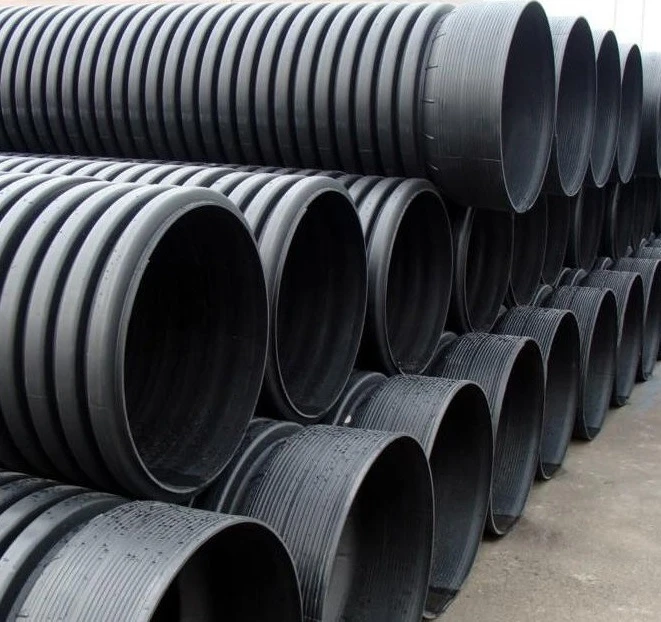
Polyvinyl chloride (PVC) pipe, specifically discount orange PVC pipe, represents a significant component in fluid conveyance systems across diverse industries. Characterized by its affordability and versatile application range, it functions primarily in non-pressure applications such as drainage, irrigation, and conduit for electrical wiring. The “orange” coloration typically signifies pressure-rated Schedule 40 PVC, distinguishing it from thinner-walled, lower-cost variants. This guide details the material science, manufacturing processes, performance characteristics, potential failure modes, and relevant industry standards associated with discount orange PVC pipe, providing a comprehensive technical overview for procurement, engineering, and maintenance professionals. Core performance parameters include tensile strength, impact resistance, chemical inertness, and long-term hydrostatic pressure capability. A key pain point in the industry is ensuring consistent quality across varying suppliers and mitigating premature failure due to improper installation or environmental exposure.
Material Science & Manufacturing
Discount orange PVC pipe is manufactured from a thermoplastic polymer, polyvinyl chloride, compounded with stabilizers, lubricants, and pigments. The base PVC resin is typically derived from the polymerization of vinyl chloride monomer (VCM). The orange pigmentation is achieved using iron oxide pigments, selected for UV resistance and color stability. The material’s physical properties are crucial: a density of approximately 1.4 g/cm³, a glass transition temperature (Tg) around 80-85°C, and a tensile strength ranging from 50-70 MPa. Manufacturing typically employs extrusion processes. PVC compound is fed into a single-screw extruder, where it is heated and plasticized. The molten PVC is then forced through a die to form the pipe’s shape. Critical parameters during extrusion include temperature profile (barrel zones, die temperature), screw speed, and haul-off speed, which directly influence pipe dimensions, wall thickness uniformity, and surface finish. Cooling is typically achieved using a water bath, followed by dimensional stabilization and cutting to desired lengths. Quality control focuses on ensuring compliance with dimensional tolerances (OD, ID, wall thickness) as per ASTM D1785 and maintaining consistent material properties through regular resin testing. The addition of plasticizers impacts flexibility and impact resistance, with varying formulations tailored to specific performance requirements.

Performance & Engineering
The performance of discount orange PVC pipe is governed by its ability to withstand internal pressure, external loads, and environmental stresses. Force analysis involves assessing hoop stress resulting from internal fluid pressure, calculated using the Barlow formula (S = PD/2t, where S=stress, P=pressure, D=diameter, t=wall thickness). Long-term performance is significantly influenced by creep, the time-dependent deformation under sustained load. PVC exhibits creep, necessitating derating of pressure ratings over time and temperature, as defined in ASTM D2837. Environmental resistance is a critical factor. While PVC is generally resistant to many acids and bases, it can be affected by prolonged exposure to certain solvents and hydrocarbons. UV degradation can lead to embrittlement and surface cracking, mitigated by the inclusion of UV stabilizers in the compound. Installation practices significantly impact performance. Proper bedding and backfilling are essential to prevent deformation and stress concentration. Compliance requirements depend on the application. For potable water systems, PVC must meet NSF/ANSI 61 standards for lead and contaminant leaching. Electrical conduit applications require adherence to NEMA and UL standards regarding dielectric strength and flame retardancy. The impact resistance, measured by Izod notched impact strength (ASTM D256), is crucial for handling and installation. The pipe's deflection under external load must also be considered, ensuring it remains within acceptable limits to prevent joint separation or failure.
Technical Specifications
| Parameter | Units | Schedule 40 (Typical) | Schedule 80 (Typical) |
|---|---|---|---|
| Outside Diameter (OD) | inches | 1.25 - 12 | 1.315 - 12 |
| Wall Thickness | inches | 0.154 - 0.110 | 0.179 - 0.138 |
| Pressure Rating | psi | 400 @ 73°F | 600 @ 73°F |
| Tensile Strength | MPa | 60 - 70 | 65 - 75 |
| Impact Strength (Izod Notched) | J/m | 500 - 800 | 800 - 1200 |
| Density | g/cm³ | 1.40 | 1.40 |
Failure Mode & Maintenance
Discount orange PVC pipe is susceptible to several failure modes. Fatigue cracking can occur under cyclic pressure loading, particularly at joints or areas of stress concentration. Delamination can arise from improper extrusion or the presence of voids within the pipe wall. Chemical degradation, induced by exposure to incompatible solvents, can lead to softening, swelling, and eventual failure. UV degradation causes embrittlement and surface cracking, especially in prolonged sunlight exposure. Soil stress, resulting from inadequate bedding or heavy loads, can cause ovality, cracking, and joint separation. Joint failures are common, stemming from improper solvent cementing, insufficient curing time, or inadequate surface preparation. Maintenance involves periodic visual inspections for cracks, leaks, or deformation. Joints should be checked for tightness and evidence of solvent cement degradation. Protecting exposed pipe from direct sunlight with coatings or coverings can mitigate UV degradation. Addressing soil settlement and ensuring proper support are critical preventative measures. In cases of minor cracks, repair sleeves or wraps can provide temporary solutions, but complete replacement is often recommended for significant damage. Regular pressure testing can identify hidden leaks and potential weaknesses before catastrophic failure occurs. Proper storage is crucial; pipes should be stored horizontally, away from direct sunlight and extreme temperatures.
Industry FAQ
Q: What is the impact of temperature on the pressure rating of Schedule 40 PVC pipe?
A: As temperature increases, the pressure rating of Schedule 40 PVC pipe decreases due to a reduction in tensile strength and increased creep. ASTM D2837 provides derating factors that must be applied to the nominal pressure rating at elevated temperatures. For example, at 100°F, the pressure rating may be reduced by approximately 20-30%.
Q: How does solvent cement contribute to joint integrity, and what are common application errors?
A: Solvent cement chemically welds the PVC pipe and fitting together, creating a homogenous joint. It works by softening the surfaces of the PVC, allowing them to fuse upon contact. Common errors include insufficient cement application, improper fitting insertion, inadequate curing time, and working in excessively cold temperatures. Proper surface preparation (cleaning and priming) is also vital for a strong bond.
Q: What is the recommended bedding material for PVC pipe installations to prevent soil stress?
A: A granular, non-organic bedding material, such as sand or gravel, is recommended. The bedding should extend at least 6 inches around the pipe and be compacted in layers to provide uniform support. Avoid using clay or organic materials, as they can retain moisture and contribute to corrosion or instability.
Q: How can UV degradation be identified and mitigated in outdoor PVC pipe installations?
A: UV degradation is often visible as surface cracking, chalking, or discoloration. Mitigation strategies include using UV-resistant PVC compounds, applying UV-protective coatings, or shielding the pipe from direct sunlight using coverings or burial.
Q: What standards govern the chemical resistance of PVC pipe for potable water applications?
A: NSF/ANSI 61 standards specifically address the chemical leaching requirements for PVC pipe used in potable water systems. These standards ensure that the pipe does not impart harmful contaminants to the water supply. Compliance with NSF/ANSI 61 is essential for potable water applications.
Conclusion
Discount orange PVC pipe remains a cost-effective and versatile material for various non-pressure fluid conveyance applications. Its performance is fundamentally governed by the interplay between material properties, manufacturing quality, installation practices, and environmental exposure. Understanding these factors is crucial for ensuring long-term reliability and preventing premature failure. The potential for creep, UV degradation, and chemical attack necessitates careful consideration of operating conditions and appropriate mitigation strategies.
Ongoing advancements in PVC compounding and extrusion technologies continue to improve the performance characteristics of PVC pipe. Future developments may focus on enhancing UV resistance, improving impact strength, and reducing creep susceptibility. Adherence to relevant industry standards, such as ASTM, NSF, and UL, remains paramount for ensuring product quality and safety. Proper maintenance and periodic inspections are vital to identify and address potential issues before they escalate into costly failures.
-
DN25 HDPE Compression Fitting-HORON INTERNATIONAL|Reliable Irrigation Solutions
NewsFeb.11,2026
-
hdpe coupling joint product Manufacturing Analysis
News2026-11-18
-
ppr pipe heating time products Performance Analysis
News2026-11-16
-
hdpe pipe sizes factory Performance Analysis
News2026-11-09
-
HDPE Pipe Sizes Service Performance Analysis
News2026-10-26
-
wholesale 15mm ppr pipe Material Science and Performance Analysis
News2026-10-20
-
wholesale pvc pipe price per foot Technical Analysis
News2026-09-21
-
wholesale long pvc pipe Technical Analysis and Manufacturing Specifications
News2026-09-15
-
wholesale plumbing kitchen sink water lines Material Performance
News2026-09-15
-
wholesale hdpe drip irrigation Material Science
News2026-09-15
-
wholesale hot water ppr pipe Performance Analysis
News2026-09-15
-
wholesale ppr plumbing Performance Analysis
News2026-09-15
-
wholesale ppr pipe supplier Performance Analysis
News2026-09-13
-
wholesale 50mm ppr pipe Performance Analysis
News2026-09-13
-
wholesale hdpe drip pipe Performance Analysis
News2026-09-13
-
wholesale hdpe pipe 63mm price Manufacturing Specification and Performance Analysis
News2026-09-13