

Feb . 11, 2026 00:01 Back to list
discount long pvc pipe Performance Analysis
Introduction
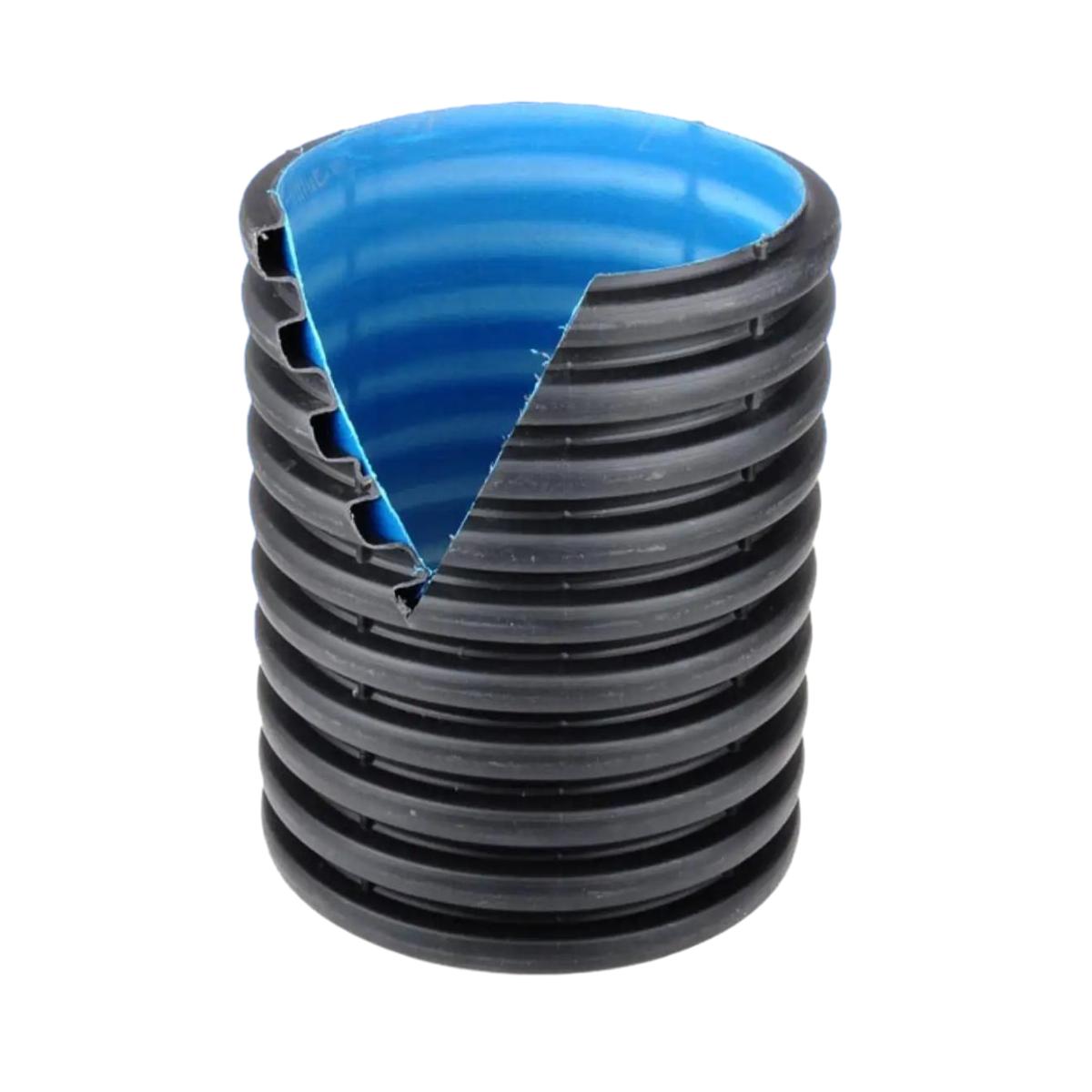
Polyvinyl Chloride (PVC) pipe, specifically long-length discounted varieties, represents a foundational element in modern infrastructure, serving diverse applications from potable water distribution and irrigation to drainage systems and industrial fluid transport. Its prevalence stems from a combination of cost-effectiveness, durability, and relative ease of installation. This technical guide delves into the material science, manufacturing processes, performance characteristics, failure modes, and relevant industry standards pertaining to discount long PVC pipe, focusing on a granular level essential for informed procurement and engineering decisions. The “discount” aspect often indicates variations in resin grade or manufacturing tolerances, requiring careful consideration alongside standard PVC specifications. Understanding these nuances is crucial for mitigating risks associated with long-term performance and ensuring system integrity. Core performance metrics include pressure rating (PSI), tensile strength, impact resistance, and resistance to chemical degradation, all factors intrinsically linked to the PVC formulation and manufacturing quality.
Material Science & Manufacturing
Discount long PVC pipe is primarily composed of polyvinyl chloride resin, a thermoplastic polymer derived from vinyl chloride monomer (VCM). The resin itself is rarely used in pure form; it’s compounded with various additives to modify its properties. Common additives include plasticizers (typically phthalates or alternatives like DINP), heat stabilizers (organotin compounds, calcium-zinc stabilizers), lubricants (stearates), impact modifiers (acrylic polymers), and pigments (titanium dioxide). The ratio of these additives significantly influences the final characteristics of the pipe. Lower-cost formulations often utilize higher concentrations of plasticizers, increasing flexibility but potentially reducing long-term durability and chemical resistance. Manufacturing typically involves extrusion. PVC resin and additives are fed into an extruder, where they are heated, melted, and forced through a die to form a continuous pipe profile. Critical parameters during extrusion include barrel temperature (varying across zones to optimize melting and homogenization), screw speed (affecting throughput and shear rate), die temperature (influencing surface finish), and cooling rate (dictating crystallization and dimensional stability). Post-extrusion, the pipe is calibrated (sized and rounded) using vacuum tanks or pressure forming, cut to length, and subjected to quality control inspections. The specific grade of PVC (Schedule 40, Schedule 80, etc.) dictates wall thickness and corresponding pressure bearing capacity. Discount PVC may exhibit variations in these dimensions, necessitating verification against established standards.
Performance & Engineering
The performance of long PVC pipe is governed by several engineering principles. Hydrostatic pressure testing is paramount, ensuring the pipe can withstand the maximum operating pressure with a suitable safety factor. This testing adheres to standards like ASTM D1597. Tensile strength, measured using ASTM D810, indicates the pipe’s resistance to longitudinal stress. Impact resistance, evaluated according to ASTM D2444, determines its ability to withstand sudden shocks, particularly important during installation and in environments prone to ground movement. Environmental resistance is a critical consideration. PVC is susceptible to degradation from ultraviolet (UV) radiation, leading to embrittlement and discoloration. This is mitigated by incorporating UV stabilizers into the formulation and/or painting the pipe. Chemical compatibility is another vital aspect. While PVC exhibits good resistance to many common chemicals, prolonged exposure to certain solvents, acids, and bases can cause swelling, cracking, or leaching of plasticizers. Long pipe runs require careful consideration of thermal expansion and contraction. PVC has a relatively high coefficient of thermal expansion, necessitating the incorporation of expansion joints or flexible couplings to prevent stress buildup and potential failure. Force analysis, including bending moments and shear stresses, is essential for designing support structures and ensuring the pipe’s structural integrity under load.
Technical Specifications
| Parameter | Schedule 40 (Typical) | Schedule 80 (Typical) | ASTM D1785 Specification |
|---|---|---|---|
| Material | PVC (Polyvinyl Chloride) | PVC (Polyvinyl Chloride) | PVC Compound |
| Pressure Rating (PSI at 73°F) | 400 PSI | 600 PSI | Variable, dependent on schedule and size |
| Tensile Strength (ASTM D810, PSI) | 6,000 - 7,000 | 7,000 - 8,000 | Minimum 6,000 PSI |
| Impact Strength (ASTM D2444, ft-lb) | 10 - 12 | 12 - 15 | Minimum 10 ft-lb (Type I, Grade 1) |
| Operating Temperature Range | -40°F to 140°F | -40°F to 140°F | Dependent on compound formulation |
| Coefficient of Thermal Expansion (in/in/°F) | 5.8 x 10^-5 | 5.8 x 10^-5 | Typical range: 5.0 - 6.0 x 10^-5 |
Failure Mode & Maintenance
Discount long PVC pipe, due to potential variations in formulation and manufacturing, can exhibit several failure modes. Long-term hydrostatic stress can lead to slow crack growth (SCG), particularly in the presence of residual stresses from extrusion and inadequate resin stabilization. UV degradation causes embrittlement and surface cracking, especially in exposed applications. Chemical attack, from solvents or aggressive chemicals, can cause swelling, softening, or crazing. Impact damage, during handling or installation, can result in cracking or complete pipe failure. Ground movement or improper bedding can induce excessive stress on the pipe, leading to cracking or joint failure. Delamination, where layers within the pipe wall separate, can occur due to poor melt blending during extrusion. Maintenance primarily focuses on preventative measures. Regular visual inspections for cracks, discoloration, or signs of deformation are crucial. Protecting the pipe from direct sunlight and chemical exposure extends its service life. Proper bedding and backfilling support the pipe and minimize stress. Pressure testing should be conducted periodically to verify system integrity. For repairs, solvent welding is the preferred method, using compatible PVC cement and primer. Avoid using abrasive cleaning agents or mechanical fasteners that could damage the pipe wall. In cases of significant damage, complete pipe replacement is often the most reliable solution.
Industry FAQ
Q: What are the implications of using a "discount" PVC pipe compared to a standard, branded product?
A: The “discount” designation often indicates compromises in resin quality, additive concentrations, or manufacturing tolerances. This may translate to reduced pressure rating, lower impact resistance, decreased UV stability, or a shorter service life. Thoroughly vetting the manufacturer and obtaining detailed material specifications is crucial. Independent laboratory testing can verify compliance with relevant standards.
Q: How does temperature affect the performance of long PVC pipe runs?
A: PVC exhibits significant thermal expansion and contraction. In long runs, this can induce considerable stress on joints and pipe sections. Expansion joints or flexible couplings should be incorporated at regular intervals to accommodate these movements. Operating temperatures outside the specified range can also affect the pipe's mechanical properties and chemical resistance.
Q: What is the significance of the Schedule number (e.g., Schedule 40, Schedule 80)?
A: The Schedule number indicates the pipe’s wall thickness. Higher Schedule numbers correspond to thicker walls, resulting in higher pressure ratings and increased structural strength. Schedule 80 pipes are typically used in applications requiring greater durability and resistance to higher pressures.
Q: What type of cement should be used for solvent welding PVC pipe, and what are the critical steps for a proper joint?
A: Use a PVC cement specifically formulated for the type of PVC pipe being joined. The process involves cleaning the pipe and fitting surfaces with a PVC primer, applying a uniform layer of cement to both surfaces, quickly assembling the joint, and holding it firmly in place until the cement sets. Proper ventilation is essential during this process.
Q: What are the common causes of leaks in PVC pipe systems, and how can they be prevented?
A: Common causes include improper solvent welding, damage during installation, UV degradation, chemical attack, and excessive stress from ground movement. Prevention involves using proper installation techniques, selecting appropriate materials for the application, protecting the pipe from environmental factors, and providing adequate support and bedding.
Conclusion
Discount long PVC pipe offers a cost-effective solution for a wide range of applications, but its performance is intrinsically linked to material quality, manufacturing processes, and proper installation. Understanding the nuances of PVC material science, including the role of additives and the impact of environmental factors, is essential for making informed procurement decisions. Rigorous adherence to industry standards and careful consideration of potential failure modes are crucial for ensuring long-term system reliability and mitigating the risks associated with reduced-cost formulations.
Ultimately, the suitability of discount PVC pipe depends on a thorough assessment of the specific application requirements, a diligent evaluation of the manufacturer’s specifications, and a commitment to best practices in installation and maintenance. While potentially offering initial cost savings, neglecting these aspects can lead to premature failure, costly repairs, and compromised system performance.
-
DN25 HDPE Compression Fitting-HORON INTERNATIONAL|Reliable Irrigation Solutions
NewsFeb.11,2026
-
hdpe coupling joint product Manufacturing Analysis
News2026-11-18
-
ppr pipe heating time products Performance Analysis
News2026-11-16
-
hdpe pipe sizes factory Performance Analysis
News2026-11-09
-
HDPE Pipe Sizes Service Performance Analysis
News2026-10-26
-
wholesale 15mm ppr pipe Material Science and Performance Analysis
News2026-10-20
-
wholesale pvc pipe price per foot Technical Analysis
News2026-09-21
-
wholesale long pvc pipe Technical Analysis and Manufacturing Specifications
News2026-09-15
-
wholesale plumbing kitchen sink water lines Material Performance
News2026-09-15
-
wholesale hdpe drip irrigation Material Science
News2026-09-15
-
wholesale hot water ppr pipe Performance Analysis
News2026-09-15
-
wholesale ppr plumbing Performance Analysis
News2026-09-15
-
wholesale ppr pipe supplier Performance Analysis
News2026-09-13
-
wholesale 50mm ppr pipe Performance Analysis
News2026-09-13
-
wholesale hdpe drip pipe Performance Analysis
News2026-09-13
-
wholesale hdpe pipe 63mm price Manufacturing Specification and Performance Analysis
News2026-09-13