

Feb . 11, 2026 00:01 Back to list
discount kitchen sink water plumbing Performance Analysis
Introduction
Discount kitchen sink water plumbing encompasses the network of pipes, fittings, and valves connecting a kitchen sink to the potable water supply and wastewater drainage systems. This system, often utilizing materials like Polyvinyl Chloride (PVC), Cross-linked Polyethylene (PEX), and Copper, represents a critical component of residential and commercial building infrastructure. The demand for cost-effective solutions within this sector necessitates a careful balance between material selection, manufacturing processes, and adherence to stringent plumbing codes. Core performance metrics include consistent water pressure delivery, leak-proof connections, resistance to corrosion, and compliance with potable water safety regulations. A significant industry pain point is maintaining performance standards while reducing material costs, leading to innovation in polymer blending and connection technologies. The increasing focus on water conservation also drives demand for low-flow fixtures and efficient plumbing configurations within these systems.
Material Science & Manufacturing
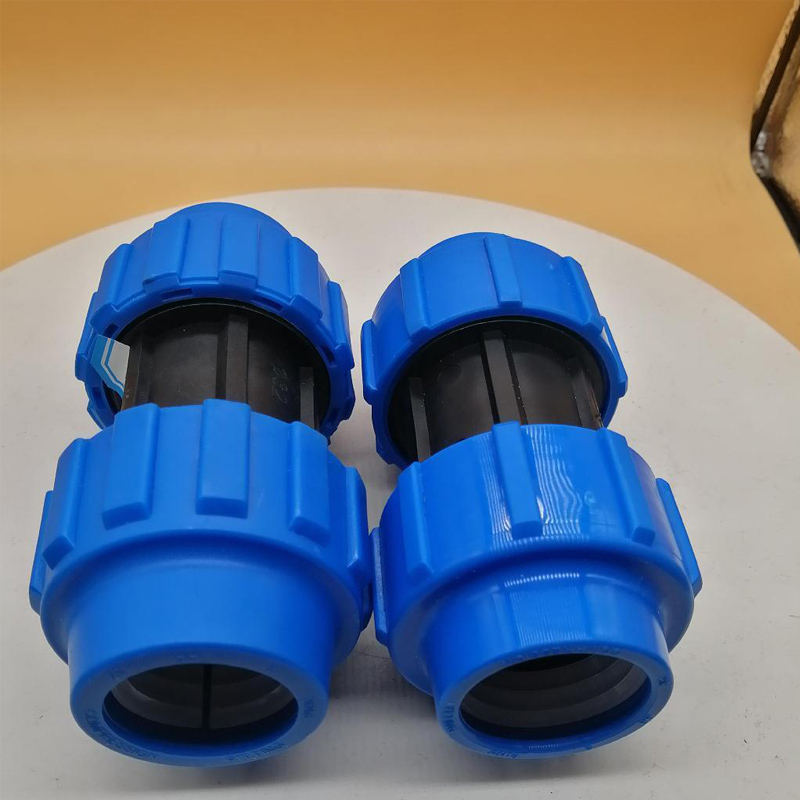
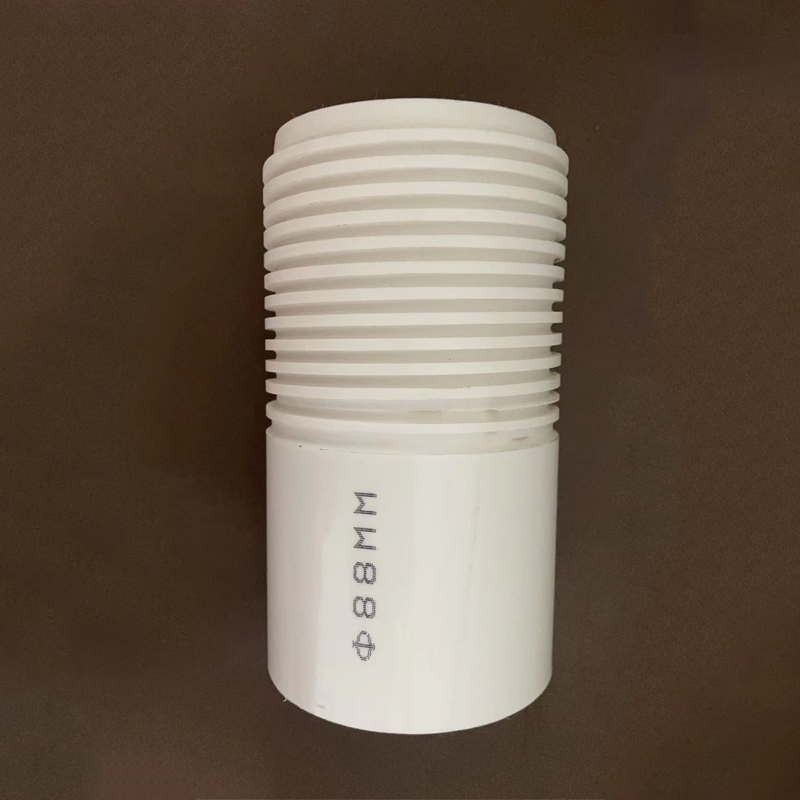
The primary materials employed in discount kitchen sink water plumbing dictate its performance and longevity. PVC, a thermoplastic polymer, is favored for drain lines due to its low cost, chemical resistance, and ease of installation via solvent welding. However, PVC’s inherent rigidity and susceptibility to embrittlement at low temperatures present limitations. PEX, a cross-linked polyethylene, offers greater flexibility and freeze resistance, making it suitable for both hot and cold water supply lines. Manufacturing PEX involves a crosslinking process – typically using peroxide, silane, or radiation – to enhance its thermal stability and mechanical strength. Copper, historically the standard for potable water supply, provides excellent corrosion resistance and thermal conductivity but carries a higher material cost. Copper pipes are manufactured through extrusion and drawing processes, requiring precise control of alloy composition (typically 99.9% pure copper) and annealing to achieve desired ductility. Fittings, commonly made from brass or polypropylene, are manufactured using injection molding or die-casting. Key parameter control during manufacturing includes dimensional accuracy of pipes and fittings to ensure leak-proof connections, consistency in material thickness to withstand hydrostatic pressure, and proper surface finishing to minimize corrosion initiation sites. The selection of appropriate adhesives and sealants (e.g., silicone, Teflon tape) is also critical for joint integrity.
Performance & Engineering
Performance of kitchen sink water plumbing is dictated by several key engineering principles. Hydrostatic pressure testing, typically to 1.5 times the maximum operating pressure, verifies the system's ability to withstand internal stresses. Force analysis focuses on the tensile and shear stresses at pipe joints, particularly those created by solvent welding, compression fittings, or threaded connections. Environmental resistance is critical, especially in areas with varying water chemistry. Corrosion, particularly galvanic corrosion when dissimilar metals are used (e.g., copper and galvanized steel), must be mitigated through the use of dielectric unions and appropriate coatings. Compliance requirements are extensive, governed by local plumbing codes (often based on the International Plumbing Code – IPC) and national standards pertaining to potable water safety. For example, NSF/ANSI 61 certification ensures that materials do not leach harmful contaminants into the water supply. Thermal expansion and contraction of pipes, particularly PEX, must be accommodated through the use of expansion loops or flexible connectors to prevent stress on joints. Noise reduction is also a key consideration, often achieved through pipe insulation and the use of resilient mounts to minimize water hammer and vibration transmission. Drainage systems rely on gravity and vent stacks to prevent vacuum formation and ensure proper waste removal.
Technical Specifications
| Material | Operating Pressure (PSI) | Temperature Rating (°F) | Tensile Strength (PSI) |
|---|---|---|---|
| PVC (Schedule 40) | 600 | 140 | 6,000 |
| PEX (Cross-linked Polyethylene) | 100 | 180 | 4,800 |
| Copper (Type L) | 400 | 250 | 24,000 |
| Brass (Forged) | 600 | 250 | 60,000 |
| Polypropylene (Random Copolymer) | 100 | 180 | 4,200 |
| CPVC (Chlorinated Polyvinyl Chloride) | 400 | 194 | 8,000 |
Failure Mode & Maintenance
Failure modes in discount kitchen sink water plumbing are diverse and often related to material degradation, improper installation, or mechanical stress. PVC pipes can suffer from cracking due to impact damage, UV exposure (leading to embrittlement), and chemical attack from harsh cleaning agents. PEX is susceptible to creep rupture under sustained pressure and temperature, particularly if exposed to oxygen diffusion. Copper pipes are prone to pitting corrosion, especially in areas with acidic water or high chloride concentrations. Galvanic corrosion at joints between dissimilar metals is a common failure point. Leaks at connections can arise from improper solvent welding, loose compression fittings, or worn-out Teflon tape. Drain lines can become clogged due to the accumulation of grease, hair, and food debris. Maintenance strategies include regular inspection for leaks, proper water softening and pH adjustment to mitigate corrosion, periodic flushing of drain lines to remove sediment, and careful selection of cleaning agents to avoid damaging pipe materials. Preventative maintenance also involves ensuring adequate support for pipes to prevent stress on joints and providing insulation to protect against freezing temperatures. For PEX systems, periodic assessment of fitting integrity is crucial due to the potential for creep rupture. When replacing components, always use materials compatible with the existing system and adhere to local plumbing codes.
Industry FAQ
Q: What is the primary advantage of using PEX over PVC for hot water supply lines?
A: PEX exhibits superior resistance to high temperatures compared to PVC. PVC softens and loses structural integrity at relatively low temperatures, making it unsuitable for hot water applications. PEX maintains its shape and pressure-handling capabilities at temperatures up to 180°F, making it a safer and more reliable choice for hot water distribution.
Q: How can I prevent galvanic corrosion when connecting copper pipes to galvanized steel fittings?
A: Galvanic corrosion occurs when dissimilar metals are in contact in the presence of an electrolyte (water). To prevent this, use dielectric unions, which physically isolate the two metals. Alternatively, apply a corrosion-inhibiting compound to the threads before assembly or use fittings made from a compatible material, such as brass.
Q: What is the best way to ensure a leak-proof solvent weld connection with PVC pipes?
A: Proper surface preparation is crucial. Thoroughly clean and dry both the pipe and fitting surfaces using a PVC primer before applying the solvent cement. Apply a generous, even coat of cement to both surfaces and quickly insert the pipe into the fitting, twisting slightly to ensure complete coverage. Hold the joint firmly for at least 30 seconds to allow the cement to set. Avoid excessive cement, which can weaken the joint.
Q: What is the significance of NSF/ANSI 61 certification for plumbing materials?
A: NSF/ANSI 61 certification verifies that the plumbing materials have been independently tested and proven not to leach harmful contaminants into the potable water supply. This certification ensures compliance with public health standards and provides assurance that the materials are safe for drinking water applications. It is a requirement in many jurisdictions.
Q: How do I address slow drainage in a kitchen sink drain line?
A: Slow drainage is often caused by a partial blockage in the drain line. Initially, try using a plunger to dislodge the obstruction. If this is unsuccessful, use a drain snake (auger) to physically break up or retrieve the blockage. Avoid using harsh chemical drain cleaners, as they can damage pipe materials. Periodic flushing of the drain line with hot water and baking soda can also help prevent buildup.
Conclusion
Discount kitchen sink water plumbing requires careful consideration of material properties, manufacturing processes, and engineering principles to ensure reliable performance and long-term durability. Balancing cost-effectiveness with compliance to stringent safety and performance standards is paramount. The selection of appropriate materials—PVC, PEX, and copper—depends on the specific application requirements, considering factors such as temperature, pressure, and environmental conditions. Understanding potential failure modes, such as corrosion, cracking, and leaks, is critical for implementing effective preventative maintenance strategies and ensuring the longevity of the plumbing system.
Future trends in this sector will likely focus on the development of more sustainable and cost-effective materials, such as bio-based polymers and recycled plastics. Advancements in connection technologies, such as push-to-connect fittings, will streamline installation and reduce the risk of leaks. Integration with smart home systems for leak detection and water usage monitoring will further enhance efficiency and reliability. Continued adherence to evolving plumbing codes and standards will remain essential to maintaining the safety and integrity of kitchen sink water plumbing infrastructure.
-
DN25 HDPE Compression Fitting-HORON INTERNATIONAL|Reliable Irrigation Solutions
NewsFeb.11,2026
-
hdpe coupling joint product Manufacturing Analysis
News2026-11-18
-
ppr pipe heating time products Performance Analysis
News2026-11-16
-
hdpe pipe sizes factory Performance Analysis
News2026-11-09
-
HDPE Pipe Sizes Service Performance Analysis
News2026-10-26
-
wholesale 15mm ppr pipe Material Science and Performance Analysis
News2026-10-20
-
wholesale pvc pipe price per foot Technical Analysis
News2026-09-21
-
wholesale long pvc pipe Technical Analysis and Manufacturing Specifications
News2026-09-15
-
wholesale plumbing kitchen sink water lines Material Performance
News2026-09-15
-
wholesale hdpe drip irrigation Material Science
News2026-09-15
-
wholesale hot water ppr pipe Performance Analysis
News2026-09-15
-
wholesale ppr plumbing Performance Analysis
News2026-09-15
-
wholesale ppr pipe supplier Performance Analysis
News2026-09-13
-
wholesale 50mm ppr pipe Performance Analysis
News2026-09-13
-
wholesale hdpe drip pipe Performance Analysis
News2026-09-13
-
wholesale hdpe pipe 63mm price Manufacturing Specification and Performance Analysis
News2026-09-13