

Feb . 11, 2026 00:01 Back to list
discount kitchen sink water pipe Material Science and Performance Analysis
Introduction
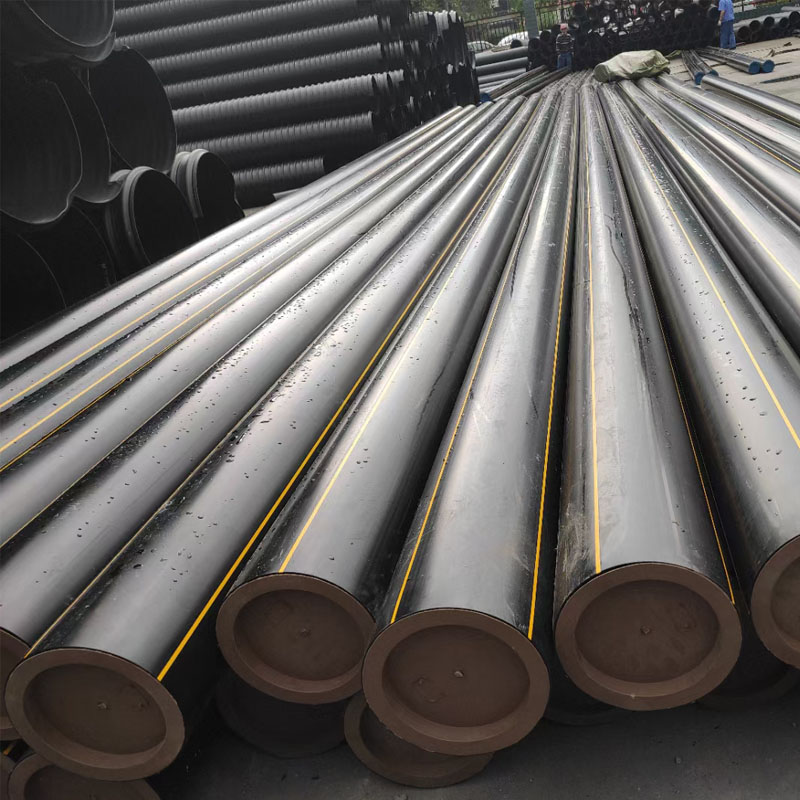
Discount kitchen sink water pipes represent a crucial component of residential plumbing systems, responsible for the conveyance of potable water to kitchen sinks and fixtures. These pipes typically function within a gravity-fed or pressurized network, requiring robust material properties to withstand hydrostatic pressure, temperature fluctuations, and chemical exposure. The industry chain encompasses raw material suppliers (typically PVC, PEX, or copper), extrusion/manufacturing facilities, wholesale distributors, and ultimately, retail channels serving homeowners and contractors. Core performance characteristics revolve around maintaining water purity, preventing leaks, resisting corrosion, and complying with relevant plumbing codes. The prevalence of lower-cost options necessitates a thorough understanding of material compromises and potential long-term performance implications, a common pain point for procurement managers and building inspectors.
Material Science & Manufacturing
Discount kitchen sink water pipes are commonly manufactured from Polyvinyl Chloride (PVC), Cross-linked Polyethylene (PEX), or occasionally, copper. PVC, favored for its low cost, is produced via the polymerization of vinyl chloride monomer. Its properties include inherent rigidity, good chemical resistance (to most household chemicals), and low thermal conductivity. Manufacturing involves extrusion, where molten PVC is forced through a die to create pipes of specific diameters and wall thicknesses. Key parameters include extrusion temperature (typically 180-210°C), screw speed, and cooling rate, all impacting final pipe dimensions and mechanical properties. PEX, a flexible alternative, is created through crosslinking polyethylene, enhancing its temperature resistance and flexibility. Manufacturing utilizes a crosslinking process (peroxide, silane, or radiation) followed by extrusion. Copper pipes are produced through drawing and annealing processes, providing excellent corrosion resistance and ductility. The manufacturing of each material significantly affects its performance. PVC is susceptible to becoming brittle at low temperatures and can degrade under prolonged UV exposure. PEX, while flexible, may exhibit creep under sustained pressure. Copper, although robust, is susceptible to galvanic corrosion when in contact with dissimilar metals.
Performance & Engineering
The performance of discount kitchen sink water pipes is dictated by several engineering considerations. Hydrostatic pressure testing, in accordance with ASTM D1785 for PVC, assesses the pipe’s ability to withstand internal water pressure without failure. Burst pressure is a critical parameter, typically exceeding the maximum expected operating pressure by a significant margin. Thermal expansion and contraction are also important; PEX exhibits a higher coefficient of thermal expansion than PVC or copper, requiring expansion loops or flexible connections to prevent stress on joints. Chemical compatibility is crucial; prolonged exposure to certain solvents or aggressive cleaning agents can cause degradation, especially in PVC. Force analysis during installation involves considering bending moments and tensile stresses, particularly when routing pipes through walls and floors. Relevant compliance requirements include NSF/ANSI 61 for potable water safety (ensuring the pipe doesn't leach harmful contaminants) and local plumbing codes dictating material specifications, allowable pressure ratings, and installation practices. The use of cheaper plasticizers in discount PVC pipes can lead to increased leaching and reduced long-term durability, a significant performance concern.
Technical Specifications
| Material | Nominal Pipe Size (inches) | Pressure Rating (PSI) @ 73°F | Temperature Rating (°F) |
|---|---|---|---|
| PVC Schedule 40 | 1/2 | 450 | 140 |
| PVC Schedule 40 | 3/4 | 400 | 140 |
| PEX-AL-PEX | 1/2 | 100 | 180 |
| PEX-AL-PEX | 3/4 | 80 | 180 |
| Copper Type L | 1/2 | 600 | 250 |
| Copper Type L | 3/4 | 500 | 250 |
Failure Mode & Maintenance
Discount kitchen sink water pipes are susceptible to several failure modes. PVC can experience brittle fracture, particularly at low temperatures or due to impact damage. Long-term exposure to UV radiation can cause embrittlement and cracking. PEX can exhibit creep rupture under sustained pressure, especially at elevated temperatures. Corrosion is a significant concern with copper, particularly galvanic corrosion arising from contact with dissimilar metals (e.g., galvanized steel fittings). Joint failures, often due to improper solvent welding (PVC) or inadequate crimping (PEX), are common. Scale buildup within the pipe lumen can reduce flow rate and increase pressure drop. Maintenance involves periodic inspection for leaks and corrosion, particularly at joints. For PVC, avoiding harsh cleaning agents is recommended. For copper, ensuring proper grounding to prevent galvanic corrosion is vital. PEX systems require occasional checks for kinks or deformation. Replacing aged or damaged sections proactively prevents catastrophic failures and water damage. The cost savings associated with discount pipes must be weighed against the potential for premature failure and associated repair costs.
Industry FAQ
Q: What is the typical lifespan of a discount PVC kitchen sink water pipe?
A: The lifespan of a discount PVC pipe is typically 20-30 years under normal operating conditions. However, factors like water quality, temperature fluctuations, UV exposure, and the quality of installation (particularly solvent welding) can significantly affect this lifespan. Pipes exposed to prolonged sunlight or aggressive chemicals may fail sooner.
Q: How does PEX compare to PVC in terms of freeze resistance?
A: PEX exhibits superior freeze resistance compared to PVC. PVC becomes brittle and prone to cracking when frozen, while PEX is more flexible and can expand to accommodate ice formation. However, even PEX can rupture if exposed to prolonged freezing temperatures. Proper insulation is still recommended in cold climates.
Q: What are the potential health risks associated with using discount PVC pipes?
A: Lower-quality PVC pipes may contain higher levels of plasticizers, which can leach into the water supply. While typically present in trace amounts, prolonged exposure to certain plasticizers is a health concern. NSF/ANSI 61 certification ensures the pipe meets standards for potable water safety and minimizes leaching.
Q: What causes galvanic corrosion in copper piping systems?
A: Galvanic corrosion occurs when copper comes into direct contact with dissimilar metals (e.g., galvanized steel, brass with high zinc content) in the presence of an electrolyte (water). This creates an electrochemical cell, causing the copper to corrode. Using dielectric unions or insulating fittings can prevent this type of corrosion.
Q: What are the advantages and disadvantages of using PEX-AL-PEX composite pipes?
A: PEX-AL-PEX offers the flexibility of PEX with the oxygen barrier provided by the aluminum layer, preventing oxygen diffusion into the plumbing system (which can corrode metallic components). Disadvantages include a higher cost compared to standard PEX and potential for delamination of the aluminum layer if improperly installed or subjected to excessive bending.
Conclusion
Discount kitchen sink water pipes provide a cost-effective solution for residential plumbing, but a comprehensive understanding of material properties, manufacturing processes, and potential failure modes is crucial for informed decision-making. PVC, PEX, and copper each offer unique advantages and disadvantages, influencing their suitability for specific applications and environmental conditions. Procurement managers and installers must prioritize compliance with relevant standards (NSF/ANSI, ASTM) and employ proper installation techniques to ensure long-term reliability and water safety.
Future trends include the development of more sustainable and durable materials, improved manufacturing processes to reduce material variability, and the integration of smart monitoring systems to detect leaks and prevent catastrophic failures. A thorough life cycle cost analysis, considering initial purchase price, installation costs, maintenance requirements, and potential repair expenses, provides the most accurate assessment of long-term value.
-
DN25 HDPE Compression Fitting-HORON INTERNATIONAL|Reliable Irrigation Solutions
NewsFeb.11,2026
-
hdpe coupling joint product Manufacturing Analysis
News2026-11-18
-
ppr pipe heating time products Performance Analysis
News2026-11-16
-
hdpe pipe sizes factory Performance Analysis
News2026-11-09
-
HDPE Pipe Sizes Service Performance Analysis
News2026-10-26
-
wholesale 15mm ppr pipe Material Science and Performance Analysis
News2026-10-20
-
wholesale pvc pipe price per foot Technical Analysis
News2026-09-21
-
wholesale long pvc pipe Technical Analysis and Manufacturing Specifications
News2026-09-15
-
wholesale plumbing kitchen sink water lines Material Performance
News2026-09-15
-
wholesale hdpe drip irrigation Material Science
News2026-09-15
-
wholesale hot water ppr pipe Performance Analysis
News2026-09-15
-
wholesale ppr plumbing Performance Analysis
News2026-09-15
-
wholesale ppr pipe supplier Performance Analysis
News2026-09-13
-
wholesale 50mm ppr pipe Performance Analysis
News2026-09-13
-
wholesale hdpe drip pipe Performance Analysis
News2026-09-13
-
wholesale hdpe pipe 63mm price Manufacturing Specification and Performance Analysis
News2026-09-13