

Feb . 11, 2026 00:01 Back to list
discount hdpe water supply pipe Performance Analysis
Introduction
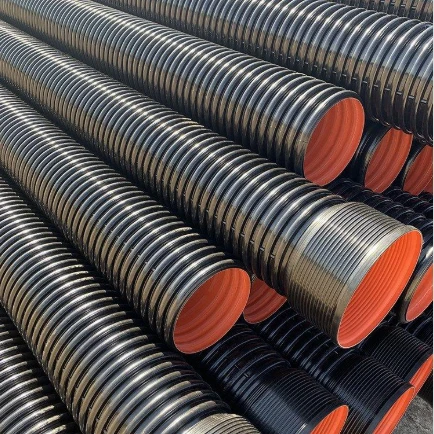
High-Density Polyethylene (HDPE) water supply pipe represents a significant advancement in fluid transport infrastructure. Positioned as a direct replacement for traditional materials like ductile iron, steel, and PVC, HDPE pipe delivers a combination of durability, cost-effectiveness, and installation advantages. Within the broader water distribution network, HDPE functions as the crucial link between treatment facilities and end-users, responsible for conveying potable water under pressure. Its core performance characteristics – including resistance to corrosion, flexibility, and a smooth inner surface minimizing frictional losses – address key challenges faced by municipalities and industrial facilities. Discount HDPE pipe specifically refers to competitively priced options, often achieved through optimized manufacturing processes and material sourcing without compromising adherence to industry standards. This guide provides a comprehensive technical overview of HDPE water supply pipe, covering material properties, manufacturing processes, performance considerations, failure modes, and relevant industry standards.
Material Science & Manufacturing
HDPE pipe is produced from a thermoplastic polymer derived from the polymerization of ethylene. The high density (typically ranging from 0.93 to 0.97 g/cm³) imparts superior strength and chemical resistance compared to lower-density polyethylene. The raw material often includes additives such as carbon black for UV resistance, stabilizers to prevent degradation, and lubricants to aid in processing. Manufacturing typically employs extrusion processes. The process begins with HDPE resin being fed into an extruder, where it’s heated and melted. This molten plastic is then forced through a die to create a continuous pipe profile. Key parameters during extrusion include die temperature (maintained between 180-210°C), extrusion speed (influencing wall thickness and uniformity), and cooling rate (critical for crystallinity and dimensional stability). Pipe diameters range significantly, typically from ½ inch to 63 inches, determined by application requirements. Jointing methods are crucial; common techniques include butt fusion, electrofusion, and socket fusion. Butt fusion, preferred for larger diameters, involves heating both pipe ends and pressing them together under controlled pressure, creating a homogenous weld. Electrofusion uses an internal heating element within a fitting to melt and fuse the pipe. Quality control at each stage – resin inspection, extrusion monitoring, and weld testing – is paramount to ensure long-term performance and prevent premature failure. The degree of crystallinity, directly correlated to density, significantly influences the pipe’s mechanical properties and resistance to slow crack growth (SCG).
Performance & Engineering
The performance of HDPE water supply pipe is dictated by its ability to withstand internal hydrostatic pressure, external loads, and environmental stresses. Internal pressure resistance is governed by the pipe's dimensions (diameter and wall thickness) and the material’s Minimum Required Strength (MRS), typically 12.5 MPa for potable water applications according to ISO 4427. Engineering calculations, based on Barlow’s formula (S = P D / 2t, where S = stress, P = pressure, D = diameter, t = wall thickness) are essential for determining appropriate wall thickness based on operating pressure and safety factors. External loads, including soil loads and traffic loads, require consideration of the pipe’s ring stiffness (a measure of its resistance to flattening). Buried HDPE pipe must be adequately bedded and backfilled to distribute loads evenly and prevent deformation. The pipe’s flexibility allows it to accommodate ground movement and seismic activity without fracturing, unlike brittle materials. Chemical compatibility is another critical factor. While HDPE exhibits excellent resistance to many common water treatment chemicals, prolonged exposure to strong oxidants or certain solvents can lead to degradation. Permeation of gases (oxygen and methane) through the pipe wall can also be a concern in specific applications, requiring the use of barrier materials or increased wall thickness. Compliance with potable water standards (e.g., NSF/ANSI 61) ensures that the pipe does not leach harmful contaminants into the water supply.
Technical Specifications
| Parameter | Unit | Typical Value (PE100) | Standard Test Method |
|---|---|---|---|
| Density | g/cm³ | 0.955 | ISO 1183 |
| Minimum Required Strength (MRS) | MPa | 12.5 | ISO 1167 |
| Hydrostatic Pressure Test | MPa | ≥ 1.5 x MRS (24hr) | ISO 1167 |
| Impact Resistance (Charpy) | kJ/m² | ≥ 8 | ISO 148-1 |
| Slow Crack Growth Resistance (SCGR) | Hours | ≥ 1000 | ISO 4427 |
| Tensile Strength at Yield | MPa | ≥ 4.0 | ISO 527 |
Failure Mode & Maintenance
HDPE water supply pipe, while robust, is susceptible to specific failure modes. Slow Crack Growth (SCG) is a primary concern, particularly in older pipes or those exposed to sustained tensile stress and aggressive environments. SCG initiates at stress concentrators (e.g., scratches, gouges) and propagates slowly over time, leading to brittle failure. Fatigue cracking can occur due to cyclic pressure fluctuations or external bending stresses. Oxidation, induced by UV exposure and high temperatures, can degrade the polymer matrix, reducing its strength and flexibility. Corrosion is not a concern with HDPE itself, but galvanic corrosion can occur at joints if dissimilar metals are used. Third-party damage during excavation is a common cause of failure. Regular maintenance involves visual inspections for cracks, deformations, and signs of joint leakage. Pressure testing can identify areas of reduced strength or SCG. Geophysical surveys, such as leak detection surveys using acoustic sensors, can pinpoint hidden leaks. For minor cracks, repair sleeves or clamps can be used. Significant damage typically necessitates pipe replacement. Preventative measures include proper bedding and backfilling, use of appropriate jointing techniques, and protection from UV exposure. Monitoring water quality parameters (e.g., pH, chlorine levels) can help mitigate corrosion risks at joints. Implementing a robust asset management program with scheduled inspections and maintenance is critical for maximizing the service life of HDPE water supply systems.
Industry FAQ
Q: What is the expected service life of a properly installed HDPE water supply pipe?
A: A properly designed and installed HDPE water supply pipe can realistically achieve a service life of 50-100 years or more. This longevity depends on several factors, including the quality of the material, the operating pressure, the environmental conditions, and the effectiveness of ongoing maintenance programs.
Q: How does HDPE pipe compare to ductile iron pipe in terms of cost?
A: While the initial material cost of HDPE can sometimes be higher than ductile iron, the total lifecycle cost is often lower. This is due to HDPE's lighter weight (reducing installation costs), corrosion resistance (eliminating the need for protective coatings), and longer service life (reducing replacement frequency). Transportation costs are also typically lower for HDPE.
Q: What are the limitations of using HDPE pipe in high-temperature applications?
A: HDPE’s maximum continuous operating temperature is typically around 60°C (140°F). Prolonged exposure to higher temperatures can lead to softening, creep, and reduced pressure resistance. For applications exceeding this temperature, alternative materials like cross-linked polyethylene (PEX) may be more suitable.
Q: Is HDPE pipe suitable for use in areas with high seismic activity?
A: Yes, HDPE’s flexibility makes it exceptionally well-suited for areas prone to earthquakes. It can accommodate ground movement without fracturing, minimizing the risk of leaks and service disruptions. Proper jointing techniques, such as butt fusion, are essential to maintain the integrity of the system during seismic events.
Q: What is the impact of chlorine disinfection on HDPE pipe?
A: HDPE exhibits excellent resistance to chlorine disinfection at typical concentrations used in municipal water treatment. However, prolonged exposure to very high chlorine levels (e.g., during shock chlorination) can potentially cause some degradation over time. Careful monitoring of chlorine levels and adherence to recommended disinfection protocols are crucial.
Conclusion
Discount HDPE water supply pipe presents a compelling solution for modern water distribution systems, offering a balance of durability, cost-effectiveness, and ease of installation. Its inherent resistance to corrosion, coupled with its flexibility and long service life, addresses many of the challenges associated with traditional piping materials. Understanding the material science, manufacturing processes, and performance characteristics detailed in this guide is crucial for engineers, procurement managers, and operators to ensure optimal system design, installation, and maintenance.
Moving forward, ongoing advancements in HDPE resin technology and jointing methods will continue to enhance the performance and reliability of these systems. Increased adoption of predictive maintenance techniques, leveraging sensor data and advanced analytics, will further optimize asset management and minimize lifecycle costs. The continued pursuit of sustainable materials and manufacturing practices will solidify HDPE’s position as a key component of resilient and efficient water infrastructure.
-
DN25 HDPE Compression Fitting-HORON INTERNATIONAL|Reliable Irrigation Solutions
NewsFeb.11,2026
-
hdpe coupling joint product Manufacturing Analysis
News2026-11-18
-
ppr pipe heating time products Performance Analysis
News2026-11-16
-
hdpe pipe sizes factory Performance Analysis
News2026-11-09
-
HDPE Pipe Sizes Service Performance Analysis
News2026-10-26
-
wholesale 15mm ppr pipe Material Science and Performance Analysis
News2026-10-20
-
wholesale pvc pipe price per foot Technical Analysis
News2026-09-21
-
wholesale long pvc pipe Technical Analysis and Manufacturing Specifications
News2026-09-15
-
wholesale plumbing kitchen sink water lines Material Performance
News2026-09-15
-
wholesale hdpe drip irrigation Material Science
News2026-09-15
-
wholesale hot water ppr pipe Performance Analysis
News2026-09-15
-
wholesale ppr plumbing Performance Analysis
News2026-09-15
-
wholesale ppr pipe supplier Performance Analysis
News2026-09-13
-
wholesale 50mm ppr pipe Performance Analysis
News2026-09-13
-
wholesale hdpe drip pipe Performance Analysis
News2026-09-13
-
wholesale hdpe pipe 63mm price Manufacturing Specification and Performance Analysis
News2026-09-13