

Feb . 11, 2026 00:01 Back to list
discount hdpe to steel coupling Performance Analysis
Introduction
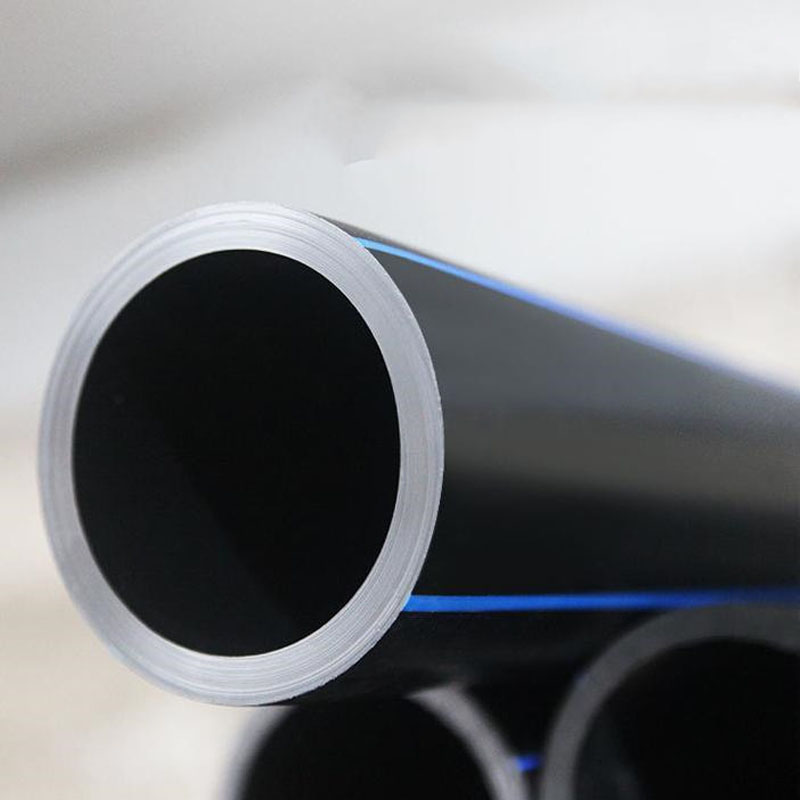
HDPE to steel couplings represent a critical joining solution in fluid transfer systems, particularly within the industrial, agricultural, and municipal sectors. These couplings facilitate the transition between high-density polyethylene (HDPE) piping – valued for its corrosion resistance and cost-effectiveness – and steel piping or equipment, offering structural integrity and compatibility where dissimilar materials interface. The performance of these couplings is determined by factors including pressure rating, material compatibility, and installation method. A key industry pain point is ensuring a leak-proof, long-lasting seal under varying operational conditions, demanding careful material selection and adherence to rigorous quality control standards. The 'discount' aspect often implies a focus on cost optimization; however, compromising on material quality or manufacturing precision can lead to premature failure and costly downtime. This guide provides a comprehensive analysis of HDPE to steel coupling technology, encompassing material science, manufacturing processes, performance characteristics, failure modes, and industry best practices.
Material Science & Manufacturing
The construction of an HDPE to steel coupling involves two primary material components: high-density polyethylene (HDPE) and carbon steel. HDPE, typically conforming to ASTM D3350 or ISO 4437 standards, is a thermoplastic polymer characterized by high tensile strength-to-density ratio, excellent chemical resistance, and low permeability. Its molecular structure dictates its physical properties, with higher molecular weight contributing to improved impact resistance and creep resistance. Steel components commonly utilize ASTM A53 Grade B or equivalent, chosen for its weldability and mechanical strength. The manufacturing process generally involves several stages. Firstly, the steel component is often manufactured via machining or casting, requiring precise dimensional control to ensure proper fit with the HDPE section. Secondly, the HDPE section is produced through injection molding. Critical parameters during injection molding include melt temperature (typically 200-250°C), mold temperature (30-60°C), and injection pressure (60-100 MPa). These parameters influence the crystallinity and molecular orientation of the HDPE, affecting its long-term performance. The coupling interface often incorporates a sealing mechanism – typically an elastomeric o-ring (NBR, EPDM, or Viton) – that relies on compression between the steel and HDPE surfaces to prevent leakage. The adhesive used to bond the o-ring groove must also be chemically compatible with both the elastomer and the surrounding materials. Post-molding, HDPE parts often undergo stress relieving to minimize residual stresses that could lead to cracking. Surface preparation of the steel component, including cleaning and potentially applying a corrosion-resistant coating (e.g., zinc phosphate), is essential for long-term durability.
Performance & Engineering
The performance of an HDPE to steel coupling is heavily reliant on its ability to withstand internal pressure, axial loads, and environmental stressors. Force analysis must consider the hoop stress within the HDPE section and the shear stress at the steel-HDPE interface. Finite Element Analysis (FEA) is frequently employed to model stress distributions under various loading conditions. Environmental resistance is another critical aspect. HDPE exhibits excellent resistance to many chemicals, but prolonged exposure to strong oxidizing agents or UV radiation can lead to degradation. Steel components are susceptible to corrosion, particularly in corrosive environments. Therefore, protective coatings are often applied. Compliance requirements vary depending on the application and geographic location. For potable water systems, couplings must comply with NSF/ANSI 61 standards for lead content and extraction of harmful substances. For gas pipelines, compliance with DOT regulations (in the US) or equivalent standards is mandatory. The coupling’s design must also account for thermal expansion and contraction differences between HDPE and steel, particularly in applications involving fluctuating temperatures. Failure to accommodate these differential movements can induce stress concentrations and ultimately lead to joint failure. Installation procedures are crucial; proper tightening of bolts or clamping mechanisms is essential to achieve the specified sealing pressure without overstressing the HDPE material. Torque specifications must be strictly adhered to, and the use of calibrated torque wrenches is recommended.
Technical Specifications
| Parameter | Specification (Typical) | Test Method | Units |
|---|---|---|---|
| Maximum Operating Pressure | 150 | ASTM D1599 | PSI |
| Operating Temperature Range | -40 to 80 | ASTM D790 | °C |
| HDPE Material | PE100 | ASTM D3350 | - |
| Steel Material | A53 Grade B | ASTM A53 | - |
| O-Ring Material | EPDM | ASTM D2000 | - |
| Coupling Size (Diameter) | 2 - 12 | Visual Inspection | Inches |
Failure Mode & Maintenance
HDPE to steel couplings are susceptible to several failure modes. Fatigue cracking in the HDPE section can occur due to cyclic pressure fluctuations or vibration. This is often initiated at stress concentration points, such as corners or holes. Delamination at the steel-HDPE interface can result from inadequate bonding or corrosion of the steel surface. Degradation of the o-ring due to chemical exposure or temperature extremes is a common failure point, leading to leakage. Oxidation of the HDPE, especially with prolonged UV exposure, causes embrittlement and reduces its mechanical strength. Creep deformation of the HDPE under sustained load can lead to dimensional changes and loss of sealing pressure. Maintenance primarily involves regular visual inspection for signs of leaks, corrosion, or cracking. Periodic torque checks of bolts or clamps are recommended to ensure proper sealing pressure. The o-ring should be replaced at recommended intervals (typically 1-3 years) or whenever evidence of degradation is observed. If corrosion is detected on the steel component, the affected area should be cleaned and re-coated with a suitable protective coating. In cases of significant HDPE cracking or delamination, the entire coupling assembly should be replaced. Record-keeping of maintenance activities and failure events is crucial for identifying trends and implementing preventative measures.
Industry FAQ
Q: What is the impact of galvanic corrosion on HDPE to steel couplings, and how can it be mitigated?
A: Galvanic corrosion occurs when dissimilar metals (steel and potentially other metals in the system) are in electrical contact in the presence of an electrolyte (e.g., water). This can lead to accelerated corrosion of the less noble metal (typically the steel). Mitigation strategies include using sacrificial anodes, applying dielectric coatings to isolate the metals, and selecting compatible materials to minimize the potential difference.
Q: How does the choice of o-ring material affect the long-term performance of the coupling?
A: O-ring material selection is critical. NBR is cost-effective but has limited temperature and chemical resistance. EPDM offers superior resistance to weathering, ozone, and many chemicals, making it suitable for outdoor applications. Viton provides excellent resistance to high temperatures and aggressive chemicals, but is more expensive. The o-ring must be compatible with the fluid being conveyed and the operating temperature range.
Q: What are the key considerations when selecting a coupling for a buried pipeline application?
A: For buried applications, corrosion protection is paramount. Coatings, cathodic protection, and the selection of corrosion-resistant steel alloys are essential. The coupling must also be able to withstand external loads from soil and traffic. Proper bedding and backfill materials are crucial to prevent stress concentrations and ensure long-term stability.
Q: Can HDPE to steel couplings be used in high-pressure applications (e.g., hydraulic systems)?
A: While some couplings are rated for elevated pressures, it’s crucial to verify the pressure rating and ensure the coupling is specifically designed for the intended application. High-pressure applications require robust construction, precise manufacturing tolerances, and rigorous testing to prevent failure. The selection must align with the system’s maximum operating pressure and safety factors.
Q: What are the recommended installation practices to ensure a leak-proof seal?
A: Proper surface preparation of both the HDPE and steel components is essential. Ensure the sealing surfaces are clean, dry, and free of debris. Apply lubricant recommended by the manufacturer to the o-ring. Tighten bolts or clamps to the specified torque values using a calibrated torque wrench. Perform a pressure test after installation to verify the integrity of the seal.
Conclusion
HDPE to steel couplings represent a versatile and cost-effective solution for joining dissimilar piping materials. Their performance is fundamentally linked to the properties of the constituent materials – HDPE and steel – and the precision of the manufacturing processes employed. Careful consideration of factors such as pressure rating, temperature range, chemical compatibility, and installation practices are essential for ensuring long-term reliability and preventing premature failure. A thorough understanding of potential failure modes, coupled with a proactive maintenance program, will minimize downtime and maximize the service life of these critical components.
Future advancements in coupling technology may focus on the development of improved sealing mechanisms, more corrosion-resistant materials, and enhanced monitoring systems to detect potential failures before they occur. The integration of smart sensors into couplings could provide real-time data on pressure, temperature, and strain, enabling predictive maintenance and optimized system performance. Ultimately, a holistic approach encompassing material science, engineering design, and rigorous quality control will continue to drive innovation and enhance the reliability of HDPE to steel coupling technology.
-
DN25 HDPE Compression Fitting-HORON INTERNATIONAL|Reliable Irrigation Solutions
NewsFeb.11,2026
-
hdpe coupling joint product Manufacturing Analysis
News2026-11-18
-
ppr pipe heating time products Performance Analysis
News2026-11-16
-
hdpe pipe sizes factory Performance Analysis
News2026-11-09
-
HDPE Pipe Sizes Service Performance Analysis
News2026-10-26
-
wholesale 15mm ppr pipe Material Science and Performance Analysis
News2026-10-20
-
wholesale pvc pipe price per foot Technical Analysis
News2026-09-21
-
wholesale long pvc pipe Technical Analysis and Manufacturing Specifications
News2026-09-15
-
wholesale plumbing kitchen sink water lines Material Performance
News2026-09-15
-
wholesale hdpe drip irrigation Material Science
News2026-09-15
-
wholesale hot water ppr pipe Performance Analysis
News2026-09-15
-
wholesale ppr plumbing Performance Analysis
News2026-09-15
-
wholesale ppr pipe supplier Performance Analysis
News2026-09-13
-
wholesale 50mm ppr pipe Performance Analysis
News2026-09-13
-
wholesale hdpe drip pipe Performance Analysis
News2026-09-13
-
wholesale hdpe pipe 63mm price Manufacturing Specification and Performance Analysis
News2026-09-13