

Feb . 11, 2026 00:01 Back to list
discount hdpe to pvc transition coupling Performance Analysis

Introduction
The discount HDPE to PVC transition coupling is a critical component in piping systems designed to join High-Density Polyethylene (HDPE) and Polyvinyl Chloride (PVC) pipes of corresponding diameters. Its function transcends simple mechanical connection; it manages differential thermal expansion and contraction between the two materials, mitigating stress on the joined system. This coupling occupies a crucial position within fluid transfer infrastructure, utilized extensively in irrigation, wastewater management, industrial process piping, and potable water distribution. Core performance characteristics revolve around maintaining a leak-proof seal under specified pressure and temperature conditions, resisting chemical degradation from conveyed fluids, and exhibiting long-term structural integrity to minimize maintenance and replacement costs. The primary industry pain point addressed by these couplings is the inherent incompatibility of HDPE and PVC – their differing coefficients of thermal expansion, chemical properties, and joining methods require a specialized interface to ensure reliable, long-term performance. Poorly designed or manufactured couplings lead to joint failure, resulting in costly downtime, fluid loss, and potential environmental contamination.
Material Science & Manufacturing
HDPE, the material for one end of the coupling, is a thermoplastic polymer known for its high strength-to-density ratio, excellent chemical resistance, and flexibility. It’s typically produced via the polymerization of ethylene, utilizing Ziegler-Natta or metallocene catalysts. Manufacturing HDPE pipe components often involves injection molding or extrusion. PVC, used for the other end, is a rigid thermoplastic polymer created by the polymerization of vinyl chloride. It’s valued for its affordability, rigidity, and flame retardancy. PVC pipe sections are commonly manufactured through extrusion. The coupling body itself is frequently constructed from Polypropylene (PP), chosen for its compatibility with both HDPE and PVC, its resistance to many chemicals, and its ability to withstand repeated stress.
Manufacturing the transition coupling is a multi-stage process. First, the PP body is typically injection molded, ensuring precise dimensional accuracy for the HDPE and PVC interfaces. The HDPE portion is then either injection molded directly onto the PP body or joined using a thermal welding process, ensuring a homogenous bond. The PVC end requires careful solvent cementing or threading, depending on the coupling design. Critical parameters include mold temperature (for injection molding), weld temperature and pressure (for thermal welding), and solvent cement application technique. Chemical compatibility between the PP, HDPE, and PVC materials is paramount to prevent degradation and ensure long-term sealing performance. Variations in material density and molecular weight distribution significantly impact the final coupling’s mechanical properties. Quality control involves rigorous dimensional inspections, pressure testing (hydrostatic and pneumatic), and material composition analysis to verify adherence to specifications.
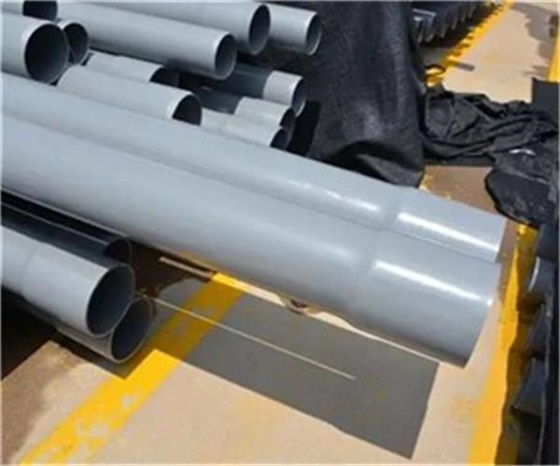
Performance & Engineering
The performance of the HDPE to PVC transition coupling is governed by several engineering principles. Primarily, stress analysis is critical. The differential thermal expansion between HDPE (approximately 1.1 x 10⁻⁴ in/in/°F) and PVC (approximately 0.5 x 10⁻⁴ in/in/°F) creates significant tensile and compressive stresses in the coupling body as the temperature fluctuates. The coupling’s design must accommodate this movement without compromising the seal. Force analysis during installation and operation must consider axial loads, bending moments, and shear stresses. The coupling's connection points, whether threaded, solvent-cemented, or welded, must be engineered to withstand these forces without failure. Environmental resistance is also crucial. Exposure to UV radiation, particularly for above-ground applications, can degrade the PP and PVC, leading to embrittlement and cracking. The coupling’s material selection and any added UV stabilizers must mitigate this effect.
Compliance requirements vary depending on the application and region. For potable water systems, the coupling must meet NSF/ANSI 61 standards for lead content and extractable contaminants. Wastewater applications may require compliance with ASTM D3212 for HDPE pipe and fittings. Pressure ratings, typically specified in PSI or bar, must adhere to relevant industry standards and be clearly marked on the coupling. Leak testing is mandatory to ensure the seal’s integrity under operating pressure. Furthermore, the coupling must be designed to prevent galvanic corrosion when used in conjunction with dissimilar metals in the piping system. Proper installation, adhering to manufacturer’s guidelines, is essential for optimal performance and longevity.
Technical Specifications
| Parameter | Specification (2" Coupling) | Test Method | Typical Application |
|---|---|---|---|
| Nominal Pipe Size | 2 inches | Visual Inspection | Potable Water, Irrigation |
| Material (Body) | Polypropylene (PP) | FTIR Spectroscopy | General Purpose |
| Material (HDPE End) | High-Density Polyethylene (HDPE) | Differential Scanning Calorimetry (DSC) | HDPE Pipeline Connection |
| Material (PVC End) | Polyvinyl Chloride (PVC) | ASTM D1785 | PVC Pipeline Connection |
| Pressure Rating | 150 PSI @ 73°F | ASTM D1597 | Moderate Pressure Systems |
| Temperature Rating | -40°F to 140°F | ASTM E831 | Wide Temperature Range Applications |
Failure Mode & Maintenance
Common failure modes for HDPE to PVC transition couplings include fatigue cracking, particularly around the weld or solvent-cemented joints, induced by cyclical pressure fluctuations and thermal stress. Delamination at the HDPE-PP or PVC-PP interfaces can occur due to inadequate bonding or material incompatibility. Chemical degradation, caused by exposure to corrosive fluids, leads to embrittlement and cracking of the coupling body. Oxidation, especially in UV-exposed applications, compromises the mechanical properties of the PP and PVC. Leakage is a frequent failure symptom, often originating from compromised seals or cracked joints.
Preventive maintenance involves regular visual inspections for cracks, discoloration, or deformation. Periodic pressure testing can identify leaks before they escalate. Proper installation, strictly adhering to manufacturer's instructions, is crucial. Avoid over-tightening threaded connections or applying excessive solvent cement. Protect the coupling from direct sunlight and extreme temperatures whenever possible. If a leak is detected, immediately isolate the affected section of the piping system and replace the coupling. For preventative measures, consider applying a UV-resistant coating to exposed couplings. In the event of significant chemical exposure, periodically assess the coupling’s material integrity. Records of inspections and maintenance activities should be meticulously maintained for traceability and performance analysis.
Industry FAQ
Q: What is the primary cause of leakage in these couplings after installation?
A: The most common cause of leakage is improper solvent cementing of the PVC end, or insufficient thermal welding of the HDPE end. Insufficient surface preparation before bonding, incorrect solvent cement application, or inadequate weld parameters can all lead to compromised seals. Mechanical stress due to improper pipe alignment during installation can also contribute.
Q: How do these couplings handle significant temperature fluctuations?
A: The coupling’s design incorporates flexibility in the PP body to accommodate the differential thermal expansion between HDPE and PVC. However, extreme temperature swings can still induce stress. Proper installation, allowing for some axial movement, is crucial. Selection of couplings with larger expansion gaps is recommended for applications with wide temperature variations.
Q: What is the lifespan of a typical HDPE to PVC transition coupling in a potable water system?
A: With proper installation and maintenance, a typical coupling can last 20-30 years in a potable water system. However, lifespan is dependent on water quality, pressure fluctuations, and UV exposure. Regular inspections and preventative maintenance are essential to maximize longevity.
Q: Are these couplings suitable for use with corrosive chemicals?
A: The chemical resistance of the coupling depends on the specific chemical involved. While PP, HDPE, and PVC generally exhibit good resistance to many chemicals, prolonged exposure to strong acids, bases, or solvents can cause degradation. Consult a chemical compatibility chart before using the coupling in a corrosive environment.
Q: What certifications should I look for when purchasing these couplings?
A: For potable water applications, ensure the coupling is certified to NSF/ANSI 61. For pressure ratings, look for compliance with ASTM D1597. ISO 9001 certification of the manufacturer demonstrates a commitment to quality control.
Conclusion
The discount HDPE to PVC transition coupling serves as a vital intermediary in fluid handling systems, effectively bridging the material incompatibility between HDPE and PVC pipelines. Its performance is dictated by a complex interplay of material science principles, precise manufacturing processes, and sound engineering design. Addressing the critical pain point of differential thermal expansion and ensuring long-term sealing integrity require careful consideration of material selection, installation procedures, and environmental factors.
Future advancements in coupling technology may focus on incorporating smart materials capable of self-healing or actively compensating for thermal expansion. Improved sealing mechanisms and enhanced UV protection will further extend service life. Ultimately, the selection and implementation of these couplings demand a thorough understanding of the operating conditions, applicable standards, and potential failure modes to guarantee reliable and efficient performance throughout the system’s lifecycle.
-
DN25 HDPE Compression Fitting-HORON INTERNATIONAL|Reliable Irrigation Solutions
NewsFeb.11,2026
-
hdpe coupling joint product Manufacturing Analysis
News2026-11-18
-
ppr pipe heating time products Performance Analysis
News2026-11-16
-
hdpe pipe sizes factory Performance Analysis
News2026-11-09
-
HDPE Pipe Sizes Service Performance Analysis
News2026-10-26
-
wholesale 15mm ppr pipe Material Science and Performance Analysis
News2026-10-20
-
wholesale pvc pipe price per foot Technical Analysis
News2026-09-21
-
wholesale long pvc pipe Technical Analysis and Manufacturing Specifications
News2026-09-15
-
wholesale plumbing kitchen sink water lines Material Performance
News2026-09-15
-
wholesale hdpe drip irrigation Material Science
News2026-09-15
-
wholesale hot water ppr pipe Performance Analysis
News2026-09-15
-
wholesale ppr plumbing Performance Analysis
News2026-09-15
-
wholesale ppr pipe supplier Performance Analysis
News2026-09-13
-
wholesale 50mm ppr pipe Performance Analysis
News2026-09-13
-
wholesale hdpe drip pipe Performance Analysis
News2026-09-13
-
wholesale hdpe pipe 63mm price Manufacturing Specification and Performance Analysis
News2026-09-13