

Feb . 11, 2026 00:01 Back to list
discount hdpe to pvc coupling Performance Analysis
Introduction
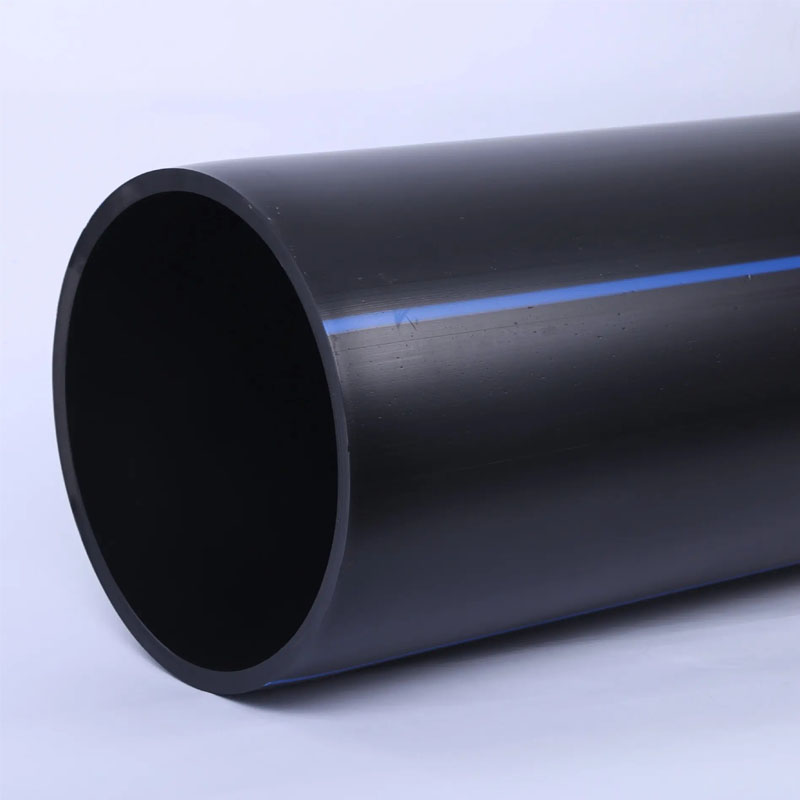
HDPE to PVC couplings are critical components in fluid transfer systems, bridging the dissimilar materials of High-Density Polyethylene (HDPE) and Polyvinyl Chloride (PVC). These couplings facilitate connections in applications ranging from irrigation and plumbing to industrial chemical handling and wastewater management. The increasing demand for these couplings stems from the distinct advantages of both HDPE and PVC – HDPE offering high impact resistance and flexibility, while PVC provides rigidity and cost-effectiveness. A primary challenge in utilizing these materials in conjunction is their differing thermal expansion coefficients and bonding characteristics, necessitating specialized coupling designs. The ‘discount’ aspect often refers to cost-optimized manufacturing processes, impacting material grade selection and quality control procedures. This guide provides a comprehensive technical overview of HDPE to PVC couplings, covering material science, manufacturing, performance, failure modes, and relevant industry standards.
Material Science & Manufacturing
The constituent materials dictate the coupling’s performance envelope. HDPE, a thermoplastic polymer derived from petroleum, exhibits excellent chemical resistance, particularly to acids and alkalis. Its density typically ranges from 0.941 to 0.965 g/cm³, influencing its buoyancy and structural rigidity. PVC, also a thermoplastic, is produced through the polymerization of vinyl chloride monomer. Two primary forms exist: rigid PVC (RPVC) with high strength and flexibility, and flexible PVC (FPVC) with plasticizers added for increased pliability. The PVC used in couplings is generally RPVC. Manufacturing typically involves injection molding for the coupling body, utilizing virgin or recycled PVC resin. The HDPE interface often utilizes a modified HDPE formulation to enhance bonding with the PVC. Critical manufacturing parameters include mold temperature (180-200°C for PVC, 190-210°C for HDPE), injection pressure (50-150 MPa), and cooling rates. Bonding is often achieved through mechanical interlocking (barbs, threads), adhesive bonding utilizing specialized PVC/HDPE primers and cements, or heat welding techniques where feasible. Quality control focuses on dimensional accuracy, weld strength (if applicable), and material homogeneity. The selection of resin grade significantly impacts long-term performance, with higher molecular weight polymers exhibiting improved creep resistance and environmental stress crack resistance.
Performance & Engineering
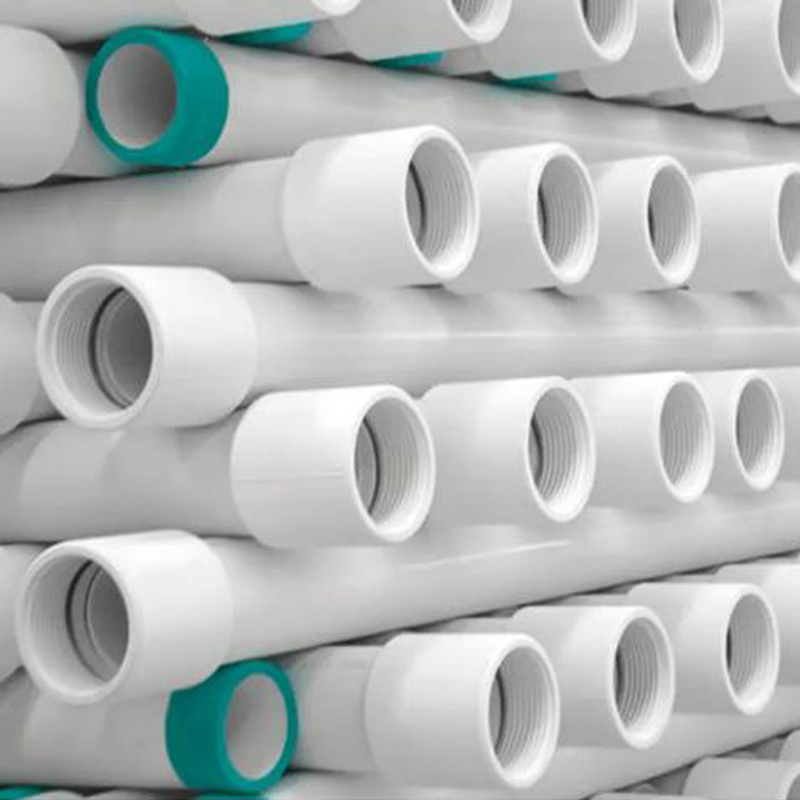
Performance of HDPE to PVC couplings is governed by several engineering principles. Firstly, pressure rating is paramount, determined by the coupling's geometry, material strength, and the integrity of the joint. Hydrostatic pressure testing, conducted according to ASTM D1599, verifies the coupling’s ability to withstand internal pressure. Secondly, tensile strength is crucial, particularly during installation and handling. The coupling must resist separation under tensile loads applied to the connected pipes. Thirdly, environmental resistance is critical. UV exposure can degrade PVC, causing embrittlement. HDPE, while more UV resistant, is susceptible to oxidation. The coupling design must incorporate UV stabilizers and antioxidant additives. Thermal expansion differential between HDPE and PVC (HDPE: ~1.0 x 10⁻⁴ in/in/°F; PVC: ~3.0 x 10⁻⁵ in/in/°F) induces stress at the interface. Coupling designs incorporating flexible elements or expansion joints mitigate this stress. Finally, chemical compatibility must be considered. While both materials exhibit good resistance to many chemicals, prolonged exposure to aggressive solvents or concentrated acids can cause degradation. Finite Element Analysis (FEA) is frequently employed to optimize coupling geometry, predict stress distribution, and assess long-term performance under various operating conditions.
Technical Specifications
| Parameter | Unit | Specification (Typical) | Test Standard |
|---|---|---|---|
| Nominal Pipe Size | inch | 1/2, 3/4, 1, 1.25, 1.5, 2, 3, 4 | ANSI/ASME B36.10M |
| Pressure Rating | psi | 150, 200, 300 (dependent on size and material) | ASTM D1599 |
| Material (Coupling Body) | - | Rigid PVC (Schedule 40 or 80) | ASTM D1785 |
| Material (HDPE Interface) | - | HDPE (PE100 or PE80) | ASTM D3350 |
| Operating Temperature Range | °F | -40 to 140 | ASTM D1694 |
| Tensile Strength (Coupling Body) | psi | >6000 | ASTM D638 |
Failure Mode & Maintenance
HDPE to PVC couplings are susceptible to several failure modes. The most common is joint failure due to inadequate bonding or mechanical interlocking. This can occur due to improper installation, surface contamination, or material incompatibility. Environmental Stress Cracking (ESC) is prevalent in PVC, initiated by tensile stresses and accelerated by exposure to certain chemicals. UV degradation leads to embrittlement and cracking, particularly in un-stabilized PVC. Creep, the time-dependent deformation under sustained load, can occur in both HDPE and PVC, leading to leakage or joint separation. Fatigue cracking can arise from cyclical pressure or mechanical stress. Corrosion is less common but can occur if the coupling is exposed to corrosive chemicals not compatible with the materials. Maintenance involves regular visual inspections for cracks, leaks, or deformation. Joints should be periodically checked for tightness. UV-exposed couplings should be protected with coatings or shielding. If ESC is suspected, the coupling should be replaced. Preventative maintenance programs including torque checks of threaded connections and periodic hydrostatic testing are recommended. Proper storage of couplings, protected from sunlight and extreme temperatures, is also vital.
Industry FAQ
Q: What are the primary considerations when selecting an HDPE to PVC coupling for a potable water system?
A: For potable water applications, material certifications are paramount. The PVC and HDPE components must comply with NSF/ANSI 61 standards, ensuring they do not leach harmful contaminants into the water. Additionally, the coupling’s design should minimize dead legs (areas where water can stagnate), preventing bacterial growth. Pressure rating must meet or exceed the system's operating pressure, and the coupling should be compatible with any disinfection chemicals used.
Q: How does temperature affect the performance of an HDPE to PVC coupling?
A: The differing thermal expansion coefficients of HDPE and PVC are a key concern. In high-temperature environments, the HDPE will expand significantly more than the PVC, inducing stress at the joint. This stress can lead to leakage or joint failure. Conversely, in low-temperature environments, the contraction differential can also create stress. Selecting a coupling designed to accommodate this expansion/contraction (e.g., with flexible elements) is crucial.
Q: What is the impact of chemical exposure on the longevity of these couplings?
A: Both HDPE and PVC have chemical resistance limitations. Prolonged exposure to strong oxidizing agents, concentrated acids, or certain organic solvents can cause degradation. Refer to chemical resistance charts for HDPE and PVC to verify compatibility before use. If exposure to aggressive chemicals is unavoidable, consider couplings made from chemically resistant alternatives like CPVC or fluoropolymers.
Q: What is the best method for ensuring a watertight seal when joining HDPE to PVC using a coupling?
A: Achieving a watertight seal requires proper surface preparation and the use of a compatible adhesive or sealant specifically formulated for HDPE and PVC bonding. Thoroughly clean and prime both surfaces before applying the adhesive. Ensure adequate curing time according to the manufacturer’s instructions. Mechanical interlocking designs (barbs, threads) should also be correctly assembled and tightened to the specified torque.
Q: What are the typical failure rates observed in HDPE to PVC couplings in irrigation systems?
A: Failure rates vary based on water quality, soil conditions, and operating pressure. UV degradation and ESC are common failure mechanisms in irrigation systems. Typical failure rates range from 1-5% per year. Implementing preventative maintenance, including regular inspections and UV protection, can significantly reduce these rates.
Conclusion
HDPE to PVC couplings represent a cost-effective and versatile solution for joining dissimilar piping systems. However, their successful application relies on a thorough understanding of the underlying material science, manufacturing processes, and potential failure modes. The inherent differences in thermal expansion and chemical compatibility necessitate careful selection of coupling design and installation techniques. The 'discount' nature of these couplings requires stringent quality control to ensure consistent performance and longevity.
Future developments in coupling technology will likely focus on enhancing bonding methods, incorporating advanced materials with improved chemical resistance and UV stability, and developing smart couplings with integrated sensors for leak detection and performance monitoring. Ultimately, proper selection, installation, and maintenance remain critical for maximizing the lifespan and reliability of HDPE to PVC coupling systems.
-
DN25 HDPE Compression Fitting-HORON INTERNATIONAL|Reliable Irrigation Solutions
NewsFeb.11,2026
-
hdpe coupling joint product Manufacturing Analysis
News2026-11-18
-
ppr pipe heating time products Performance Analysis
News2026-11-16
-
hdpe pipe sizes factory Performance Analysis
News2026-11-09
-
HDPE Pipe Sizes Service Performance Analysis
News2026-10-26
-
wholesale 15mm ppr pipe Material Science and Performance Analysis
News2026-10-20
-
wholesale pvc pipe price per foot Technical Analysis
News2026-09-21
-
wholesale long pvc pipe Technical Analysis and Manufacturing Specifications
News2026-09-15
-
wholesale plumbing kitchen sink water lines Material Performance
News2026-09-15
-
wholesale hdpe drip irrigation Material Science
News2026-09-15
-
wholesale hot water ppr pipe Performance Analysis
News2026-09-15
-
wholesale ppr plumbing Performance Analysis
News2026-09-15
-
wholesale ppr pipe supplier Performance Analysis
News2026-09-13
-
wholesale 50mm ppr pipe Performance Analysis
News2026-09-13
-
wholesale hdpe drip pipe Performance Analysis
News2026-09-13
-
wholesale hdpe pipe 63mm price Manufacturing Specification and Performance Analysis
News2026-09-13