

Feb . 11, 2026 00:01 Back to list
discount hdpe sprinkler pipe price Performance Analysis
Introduction
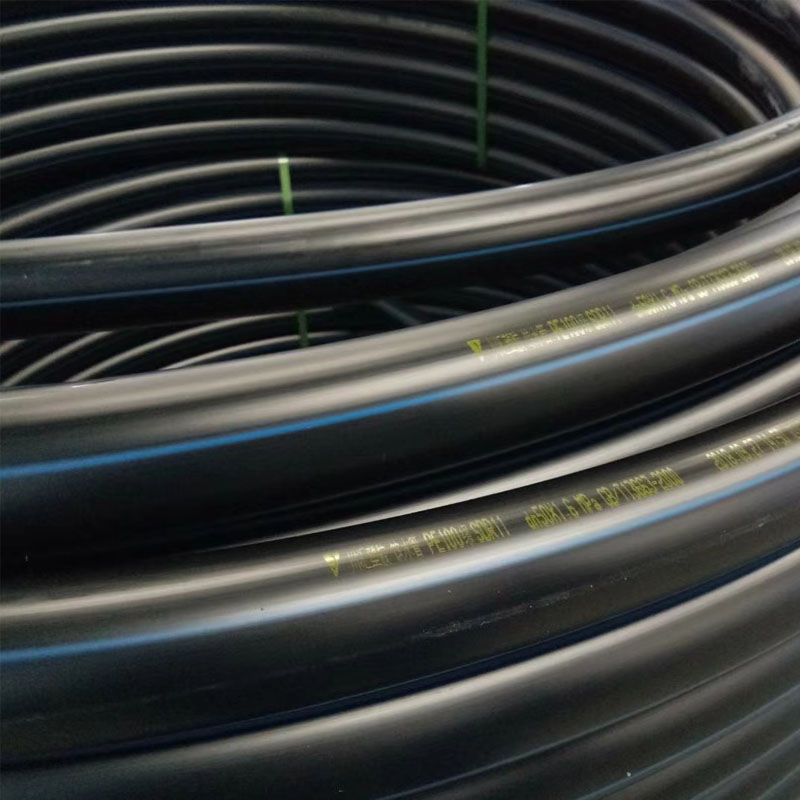
High-Density Polyethylene (HDPE) sprinkler pipe represents a significant advancement in irrigation system infrastructure. Positioned as a cost-effective alternative to traditional materials like PVC, ductile iron, and steel, HDPE sprinkler pipe’s increasing adoption is driven by its inherent properties and ease of installation. Within the agricultural, landscaping, and municipal water management supply chain, HDPE pipe serves as the critical conduit for delivering pressurized water to sprinkler heads, impacting irrigation efficiency and system longevity. Its core performance characteristics – pressure rating, flexibility, chemical resistance, and UV stability – dictate its suitability for varying application demands. This guide provides a comprehensive technical overview, detailing the material science, manufacturing processes, performance metrics, failure modes, and industry standards relevant to HDPE sprinkler pipe, specifically focusing on considerations impacting procurement decisions and long-term operational reliability.
Material Science & Manufacturing
HDPE sprinkler pipe is primarily manufactured from high-density polyethylene resin, a thermoplastic produced from the polymerization of ethylene. The resin’s density (typically between 0.931 and 0.953 g/cm³) directly correlates to its strength and resistance to environmental stress cracking. Different grades of HDPE, designated by cell classification (e.g., PE3454, PE4710) are used based on intended pressure ratings and application requirements. These classifications, defined by ASTM D3350, specify minimum hydrostatic design basis (HDB) and hydrostatic design stress (HDS) values. Manufacturing commonly employs extrusion processes. The HDPE resin is melted and forced through a die of the desired pipe diameter. Critical parameters include melt temperature (180-220°C), die pressure, and cooling rates. Proper cooling is essential to ensure dimensional stability and prevent warping. Pipe wall thickness is controlled precisely via extrusion parameters. Post-extrusion, pipes undergo quality control checks, including dimensional measurements, hydrostatic testing to verify pressure integrity (typically 2.25 times the rated working pressure for a specified duration), and visual inspection for defects. The addition of UV stabilizers, typically carbon black, is crucial for outdoor applications to prevent degradation from sunlight exposure. The uniformity of stabilizer dispersion significantly affects the pipe’s long-term performance. Jointing methods include butt fusion, socket fusion, and mechanical fittings. Butt fusion, creating a homogenous weld, is preferred for larger diameter pipes and high-pressure applications, requiring skilled operators and precise temperature control (typically 130-180°C) and pressure application during the fusion process. Socket fusion is suitable for smaller diameters, while mechanical fittings offer a non-welded connection, though with potentially lower leak resistance.
Performance & Engineering
The performance of HDPE sprinkler pipe is fundamentally governed by its ability to withstand internal hydrostatic pressure and external loads. Force analysis dictates the required pipe wall thickness based on operating pressure, soil cover (for buried applications), and anticipated traffic loads. The Hazen-Williams equation is widely used to calculate pressure loss due to friction within the pipe, influencing pump sizing and system efficiency. HDPE’s flexibility allows for some degree of ground movement without fracturing, a significant advantage over rigid materials. However, excessive bending radius must be avoided to prevent kinking and stress concentration. Environmental resistance is a key consideration. While HDPE exhibits excellent resistance to most chemicals commonly found in irrigation water, prolonged exposure to strong oxidizing agents can cause degradation. UV exposure, even with stabilizers, leads to gradual embrittlement over time. Proper burial or shielding is essential for extended service life. Compliance requirements vary by region. AWWA standards (American Water Works Association) are often referenced for municipal water distribution systems, outlining material specifications, testing procedures, and installation guidelines. ASTM D1785 specifies dimensions and markings for polyethylene plastic pipe for irrigation systems. Proper pipe support is critical to prevent excessive stress and potential failure. Anchor blocks and thrust restraints are often required at bends and changes in direction to counteract internal pressure forces. Furthermore, surge pressure events (water hammer) can cause significant stress on the pipe; surge protection devices, such as air chambers or slow-closing valves, are frequently incorporated into the system design to mitigate these effects.
Technical Specifications
| Parameter | Unit | Typical Value (IPS Schedule 40 Equivalent) | Testing Standard |
|---|---|---|---|
| Hydrostatic Design Stress (HDS) | psi | 1600 | ASTM D3350 |
| Pressure Rating | psi | 100 - 350 (dependent on SDR) | ASTM D1785 |
| Tensile Strength at Yield | psi | 4000 - 6000 | ASTM D638 |
| Elongation at Break | % | 300 - 600 | ASTM D638 |
| Flexural Modulus | psi | 100,000 - 150,000 | ASTM D790 |
| Water Absorption (24 hrs) | % | <0.5 | ASTM D570 |
Failure Mode & Maintenance
Common failure modes in HDPE sprinkler pipe include slow crack growth (SCG), caused by sustained stress combined with aggressive environmental factors; stress cracking, often initiated by scratches or gouges; and catastrophic failure due to overpressure or impact damage. SCG typically originates at stress concentrators, such as joints or imperfections, and propagates slowly over time, leading to leaks or complete pipe rupture. UV degradation causes embrittlement, reducing impact resistance and increasing susceptibility to cracking. Improper fusion techniques result in weak welds prone to failure under pressure. External loads, such as heavy machinery or soil settlement, can cause deformation and cracking. Maintenance practices should focus on preventative measures. Regular visual inspections for cracks, deformations, and leaks are crucial. Proper burial depth and backfilling materials minimize external stress. Pressure testing should be conducted periodically to verify system integrity. For minor leaks, heat fusion patches can provide a repair solution. For significant damage, pipe replacement is typically required. Proper cleaning of the pipe interior can prevent buildup of sediment and biofilm, which can contribute to corrosion and reduce flow capacity. Avoid using harsh chemicals for cleaning, as they may degrade the HDPE material. During winter months, draining the system to prevent freezing and subsequent cracking is essential in colder climates. Proper installation, adhering to manufacturer’s recommendations and industry best practices, is the most effective strategy to prevent premature failure and extend the service life of the HDPE sprinkler pipe.
Industry FAQ
Q: What is the significance of SDR (Standard Dimension Ratio) in HDPE pipe selection?
A: SDR is the ratio of the pipe's outside diameter to its wall thickness. A lower SDR value indicates a thicker wall and therefore a higher pressure rating. Selecting the appropriate SDR is crucial to ensure the pipe can withstand the maximum operating pressure of the irrigation system. Higher SDR values are suitable for lower pressure applications, offering cost savings, while lower SDR values are essential for high-pressure systems requiring greater strength and durability.
Q: How does the burial depth affect the lifespan of HDPE sprinkler pipe?
A: Burial depth provides protection from UV degradation and physical damage. However, excessive burial depth can increase the external load on the pipe, potentially leading to deformation or cracking. The optimal burial depth depends on soil conditions, traffic loads, and climate. Generally, a minimum burial depth of 18-24 inches is recommended. Proper backfilling with non-aggressive materials is also essential.
Q: What are the advantages of butt fusion over mechanical fittings?
A: Butt fusion creates a homogenous weld, resulting in a joint that is as strong as or stronger than the pipe itself. It eliminates potential leak paths associated with mechanical fittings. While butt fusion requires specialized equipment and trained operators, it provides a more reliable and long-lasting connection, particularly for larger diameter pipes and high-pressure applications. Mechanical fittings offer a quicker and simpler installation option but may be prone to leaks over time.
Q: Can HDPE sprinkler pipe be used for potable water applications?
A: Yes, HDPE pipe certified to NSF/ANSI Standard 61 is approved for potable water distribution. This certification ensures that the material does not leach harmful contaminants into the water. However, it’s critical to verify that the specific HDPE pipe being used meets this standard if it's intended for potable water applications.
Q: What is the impact of surge pressure on HDPE sprinkler systems and how can it be mitigated?
A: Surge pressure, or water hammer, is a sudden pressure spike that can occur when valves are rapidly closed. This can cause significant stress on the pipe, potentially leading to cracking or rupture. Mitigation strategies include using slow-closing valves, air chambers, surge relief valves, and properly sized pipes to minimize friction losses. System design should account for potential surge pressure events.
Conclusion
HDPE sprinkler pipe offers a compelling solution for irrigation systems, combining cost-effectiveness with robust performance characteristics. Its inherent flexibility, chemical resistance, and ease of installation contribute to reduced lifecycle costs and improved system reliability. A thorough understanding of material science, manufacturing processes, and performance parameters is paramount for informed procurement decisions. Selecting the appropriate SDR, ensuring proper installation techniques (particularly fusion welding), and implementing preventative maintenance programs are critical factors in maximizing the longevity and efficiency of HDPE sprinkler pipe systems.
Looking ahead, advancements in HDPE resin formulations will continue to enhance its UV resistance and mechanical properties. Integration with smart irrigation technologies, enabling real-time monitoring of pressure and flow rates, will further optimize system performance and proactively identify potential failure points. As water conservation becomes increasingly important, HDPE sprinkler pipe will remain a vital component of sustainable irrigation practices.
-
DN25 HDPE Compression Fitting-HORON INTERNATIONAL|Reliable Irrigation Solutions
NewsFeb.11,2026
-
hdpe coupling joint product Manufacturing Analysis
News2026-11-18
-
ppr pipe heating time products Performance Analysis
News2026-11-16
-
hdpe pipe sizes factory Performance Analysis
News2026-11-09
-
HDPE Pipe Sizes Service Performance Analysis
News2026-10-26
-
wholesale 15mm ppr pipe Material Science and Performance Analysis
News2026-10-20
-
wholesale pvc pipe price per foot Technical Analysis
News2026-09-21
-
wholesale long pvc pipe Technical Analysis and Manufacturing Specifications
News2026-09-15
-
wholesale plumbing kitchen sink water lines Material Performance
News2026-09-15
-
wholesale hdpe drip irrigation Material Science
News2026-09-15
-
wholesale hot water ppr pipe Performance Analysis
News2026-09-15
-
wholesale ppr plumbing Performance Analysis
News2026-09-15
-
wholesale ppr pipe supplier Performance Analysis
News2026-09-13
-
wholesale 50mm ppr pipe Performance Analysis
News2026-09-13
-
wholesale hdpe drip pipe Performance Analysis
News2026-09-13
-
wholesale hdpe pipe 63mm price Manufacturing Specification and Performance Analysis
News2026-09-13